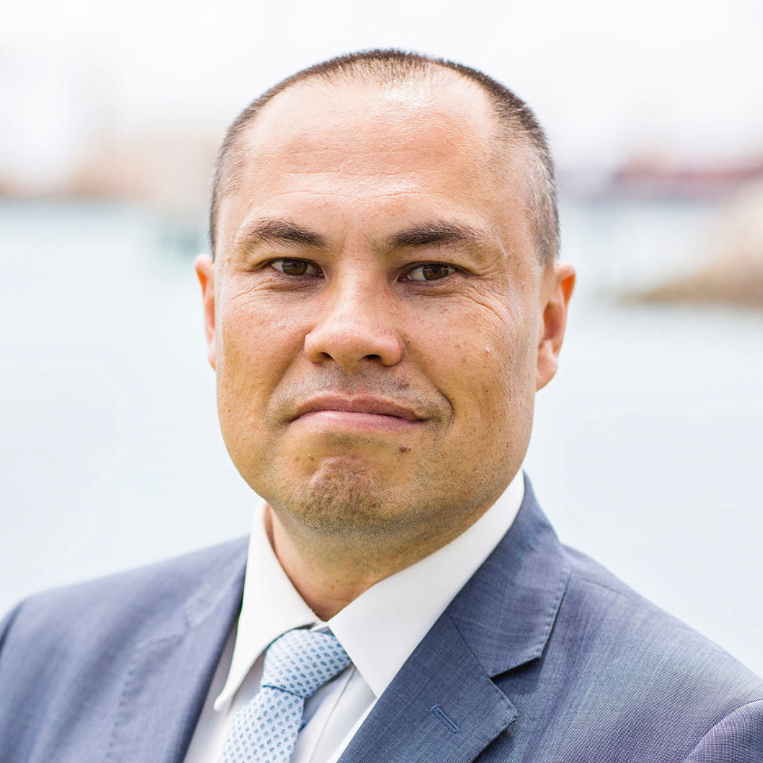
Although Japanese PM Abe has been in office for less than two months, he has vowed to strengthen the US-Japan alliance to respond to the “threats” of China and North Korea. However,he has never explained exactly how he intends to strengthen the US-Japan alliance or what it means today.
As US-China relations continue to develop, many international relations scholars attempt label the countries as rising and falling powers, or friends and foes. However, Chen Yonglong and Xue Junying dismiss this notion, preferring the term partners, which highlight the countries’ cooperation and mutual trust.
Washington is deeply entangled in the dispute between China and Japan over the Senkaku/Diaoyu Islands. But the most basic question has hardly been examined: Would America really fight a war with China over the islands?
In the wake of North Korea’s third nuclear test, Bonnie Glaser writes that preserving Sino-DPRK ties no longer serves Beijing’s interests. Glaser writes that its time for Xi Jinping and his colleagues to re-think policy toward North Korea.
Japan must finally admit that the Diaoyu/Senkaku Islands are disputed, says Ren Xiao. Washington has a responsibility to urge Tokyo to do so. Only on that basis can the two sides try to soften the tension and prevent from any military conflict.
Following the 57th Presidential Inauguration of United States, a renewed focus has been placed on President Barack Obama’s foreign policy due to changes in the cabinet and the US’ strategic approach. Many believe China policy will play a higher role in Obama’s second term.
2011 China-United States Exchange Foundation. All rights reserved.
Disclaimer
Thank you for visiting China US Focus. We are working to improve the site, and hope you will take a few minutes to complete this anonymous survey. Your valuable opinions are most appreciated.