Richard Javad Heydarian, Professorial Chairholder in Geopolitics, Polytechnic University of the Philippines
Jan 09, 2026
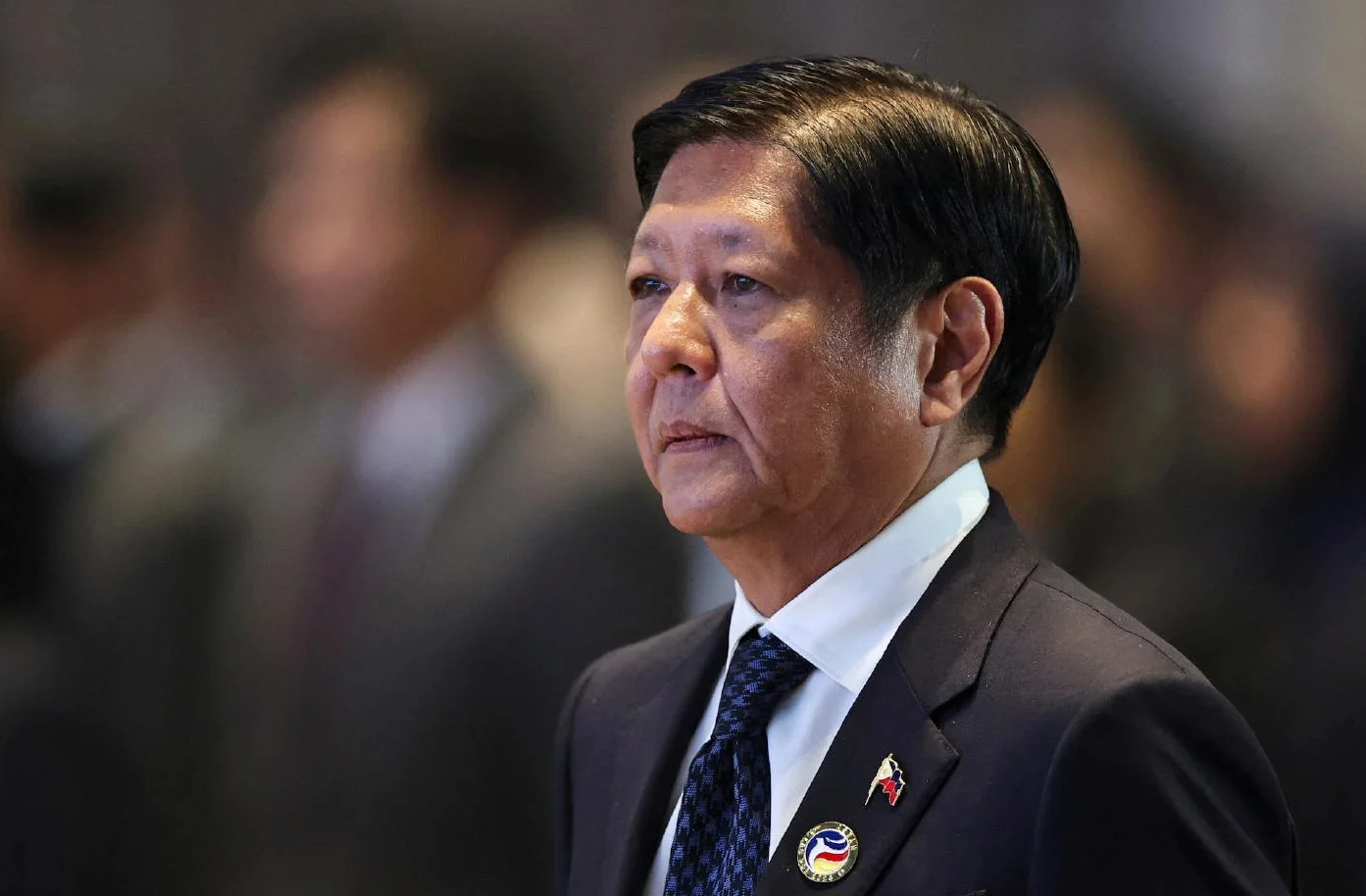
As the Philippines assume the ASEAN chairmanship in 2026, President Ferdinand Marcos Jr. is seeking to de-escalate tensions with China while deepening defense cooperation with the United States and other partners amid rising frictions in the South China Sea. The strategy reflects Manila’s effort to bolster deterrence without undermining ASEAN consensus or provoking broader regional instability.

Oct 09, 2025
During the 12th Beijing Xiangshan Forum on Sept. 18-19 at the Beijing International Convention Center, Da Wei, Director of the Center for International Security and Strategy (CISS) and Professor of International Relations at Tsinghua University, was interviewed by China-US Focus Beijing editor Huang Zhijin. Da Wei believes that in the short term, China-U.S. relations will remain focused on maintaining stability; and as domestic political imperatives and broader global strategic considerations increasingly dominate the policy agenda, the Indo-Pacific strategy under Trump 2.0 appears to be losing substance.

Sun Chenghao, Fellow, Center for International Security and Strategy of Tsinghua University; Munich Young Leader 2025
Sep 01, 2025
Whether the dream is making America great again or the great rejuvenation of the Chinese nation, the aspirations of the two countries’ respective peoples for a better life should drive every decision. Neither people will succeed without a sound external environment. Slogans are not enough.
Ghulam Ali, PhD, Monash University, Australia
Aug 08, 2025
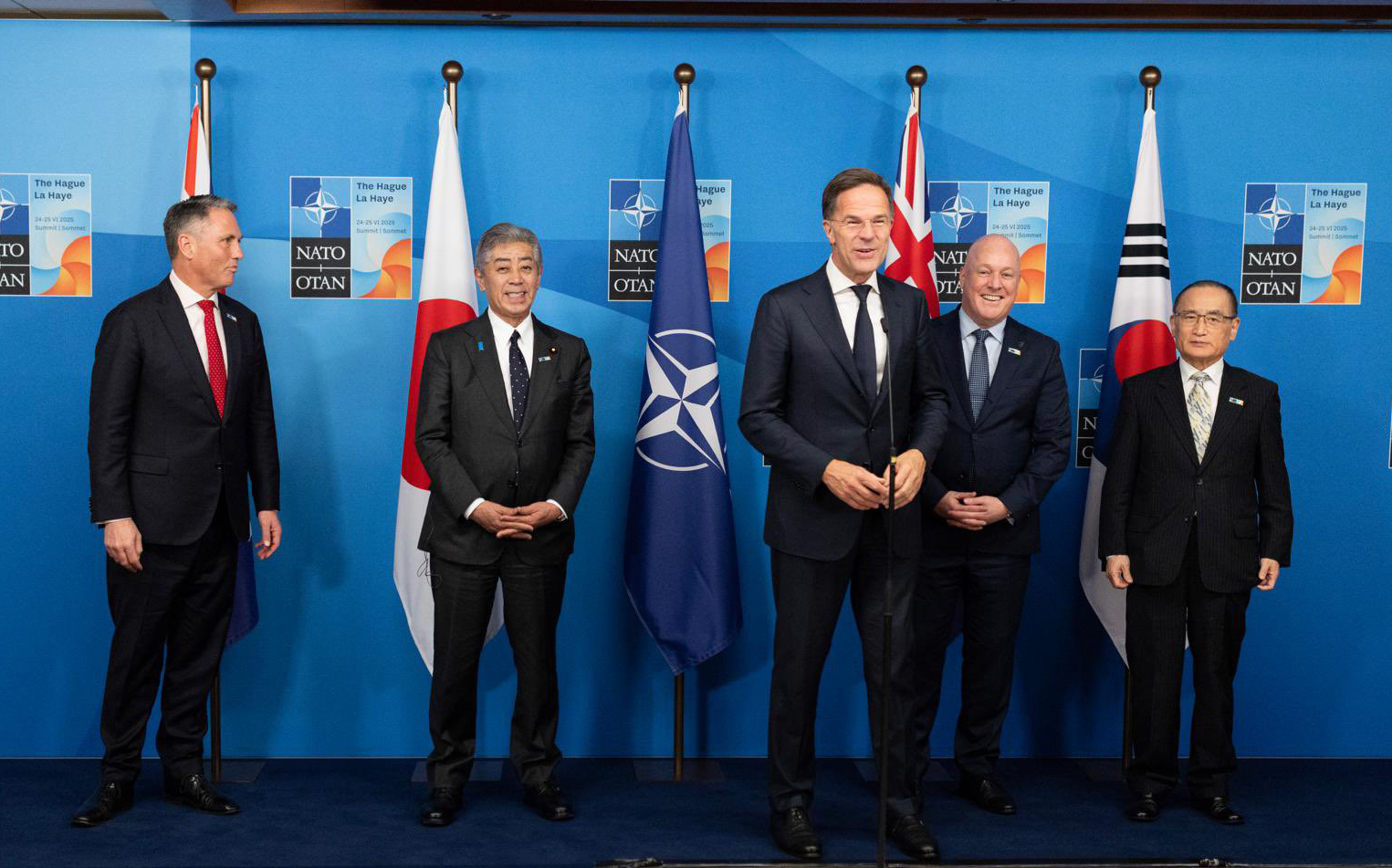
In the post-World War II period, the US maintained nearly uncontested supremacy over the vast Asia-Pacific region. Under the San Francisco System, or the ‘Hub and Spokes’ architecture, the US established military alliances, provided economic assistance, and proactively engaged with the region. The strategic foundation of US policy relied on both bilateral and multilateral defense agreements, such as those with Japan (1951), South Korea (1953), the Philippines (1951), Australia, New Zealand (collectively known as ANZUS, 1951), and Thailand (1954).
Zhang Yun, Professor, School of International Relations, Nanjing University
Apr 11, 2025
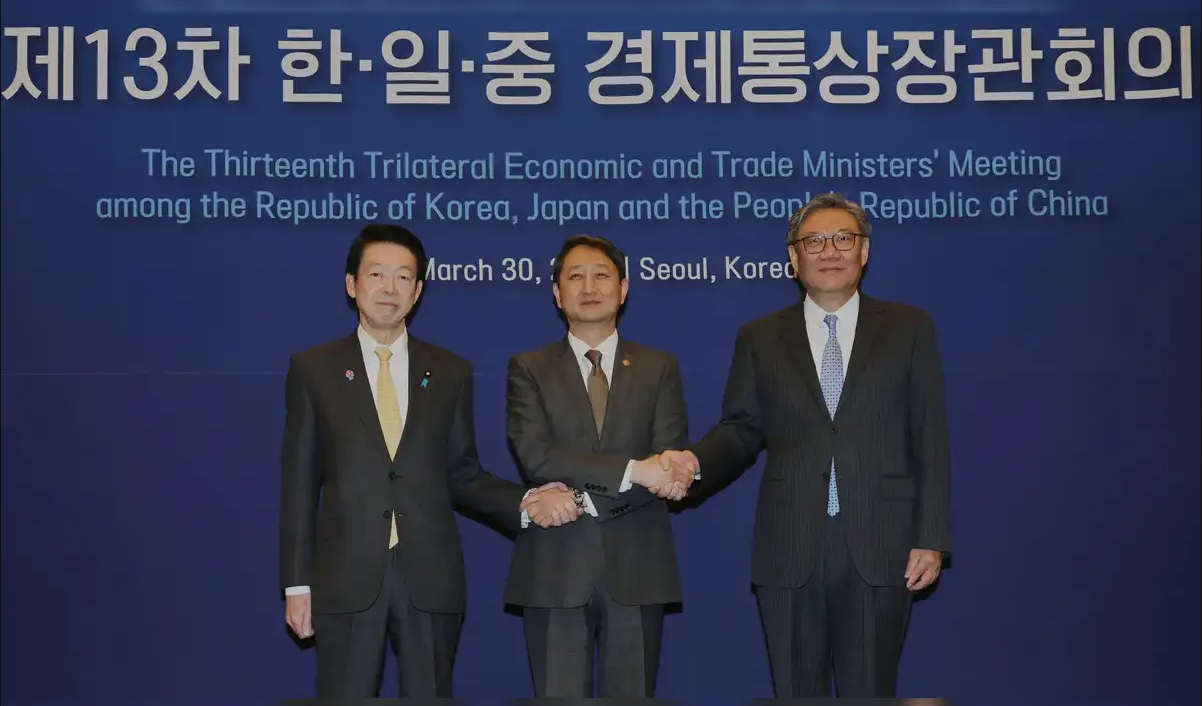
The tariffs will not spell the end of alliances between the United States and Japan or South Korea, but they are likely to promote a strategic awakening in both countries and accelerate the integration process in East Asia.
Du Lan, Deputy Director at Asia-Pacific Institute, China Institute of International Studies
Apr 10, 2025
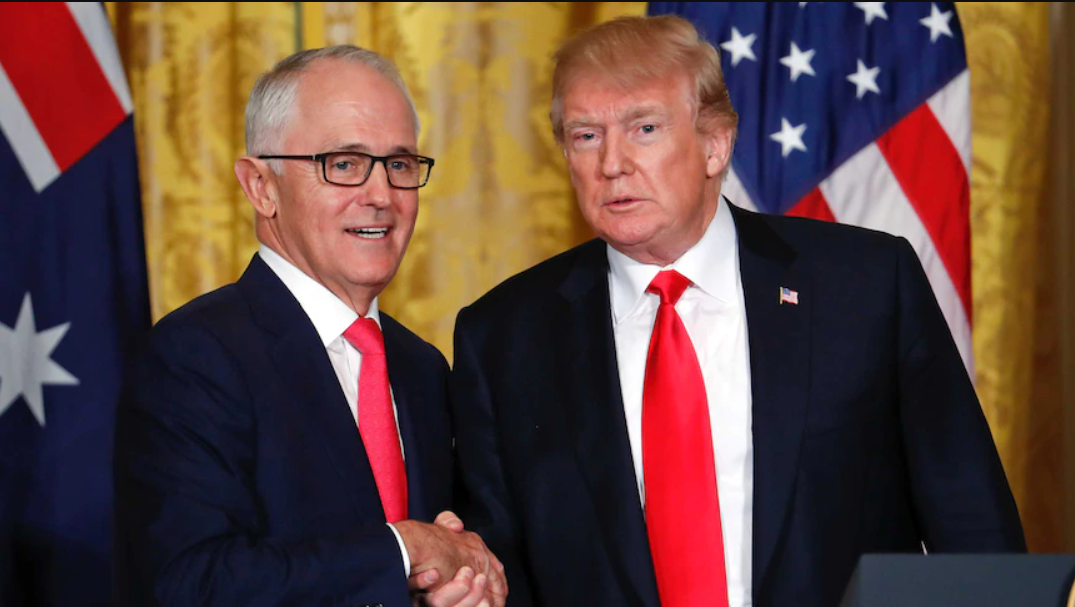
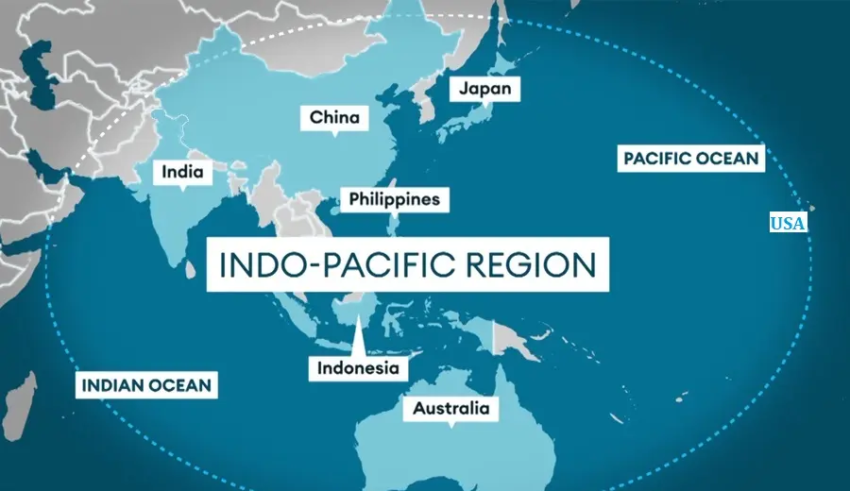
The Indo-Pacific Strategy of Trump 2.0 remains unclear, although consensus has been reached on major power competition. If a new Indo-Pacific Strategy now emerges to build U.S. advantages against China, it will be designed to serve core MAGA goals.
Zhang Tuosheng, Principal Researcher at Grandview Institution, and Academic Committee Member of Center for International Security and Strategy at Tsinghua University
Apr 10, 2025
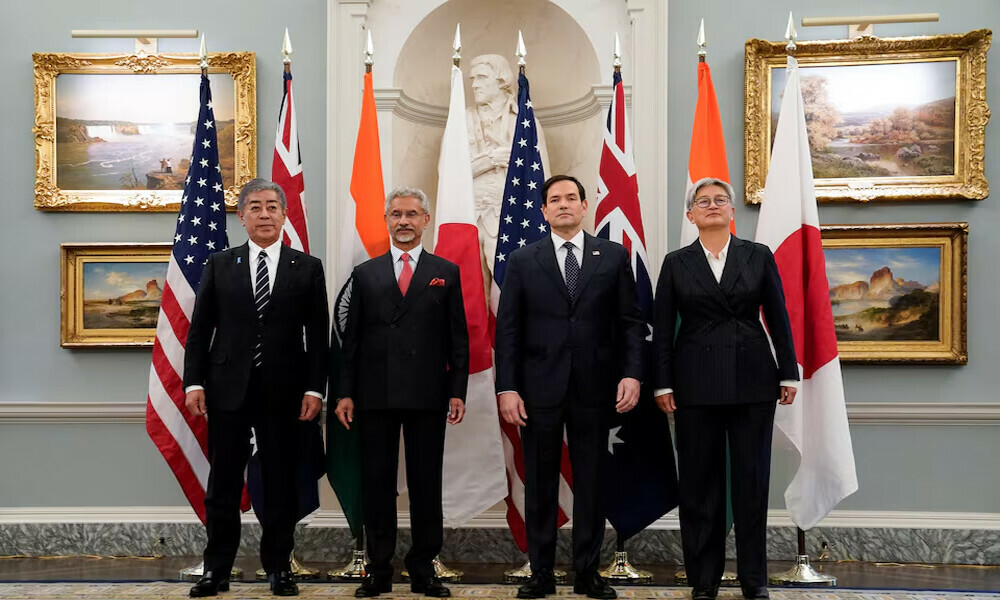
Here are some suggestions for promoting peace, stability and development in the Asia Pacific region. For starters, to avoid bloc politics and confrontation or even a new cold war in the Asia Pacific, China, the U.S., Russia, Japan and India should actively develop new dialogues and exchanges and build on existing ones.
Brian Wong, Assistant Professor in Philosophy and Fellow at Centre on Contemporary China and the World, HKU and Rhodes Scholar
Mar 04, 2025
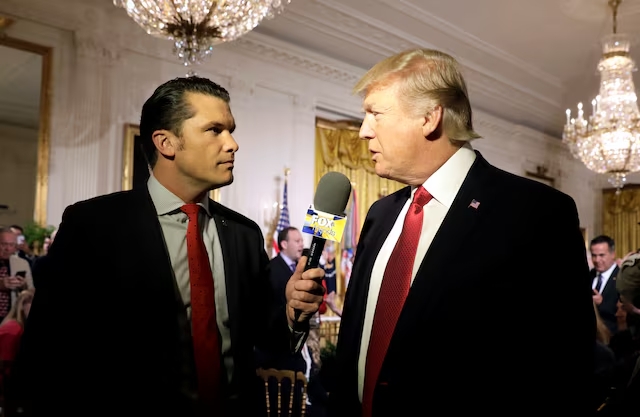
Peter Hegseth’s inability to name an ASEAN country underscores the Trump administration’s broader indifference to Southeast Asia, favoring trade protectionism, military burden-shifting, and transactional diplomacy over sustained regional engagement.
Ghulam Ali, PhD, Monash University, Australia
Mar 04, 2025
The Asia-Pacific region began to exhibit signs of easing major geopolitical tensions in late 2024, but has started to heat up again following President Trump’s return to power in the White House. During the ‘easing’ period, although low-level disputes persisted in the vast region, in the South China Sea, and in cross-strait relations, the risk of a conflict involving regional heavyweights was not imminent.
Richard Javad Heydarian, Professorial Chairholder in Geopolitics, Polytechnic University of the Philippines
Feb 14, 2025
The latest moves by Trump’s administration are a sharp pivot into new, seemingly accommodating foreign policy. Would less U.S. presence around the world embolden China to make aggressive moves into contested spaces?
Back to Top

- China-US Focus builds trust and understanding between the U.S. and China through open dialogue among thought leaders.