Zhang Tuosheng, Principal Researcher at Grandview Institution, and Academic Committee Member of Center for International Security and Strategy at Tsinghua University
Sep 05, 2025
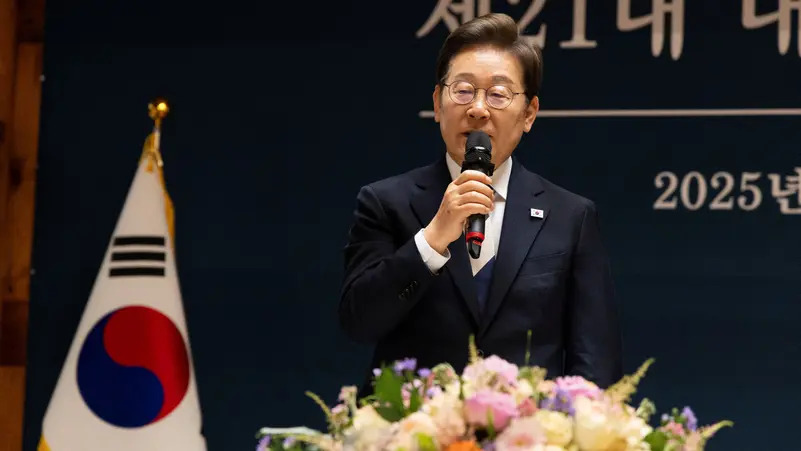
The ROK’s new president, Lee Jae-myung, is attempting to improve relations with Pyongyang. But if Seoul is serious, it will need to take steps that go beyond rhetoric. Conciliatory efforts may not guarantee Pyongyang’s engagement, but they could lower the temperature and create space for negotiation.
Zhang Yun, Professor, School of International Relations, Nanjing University
Jul 04, 2024
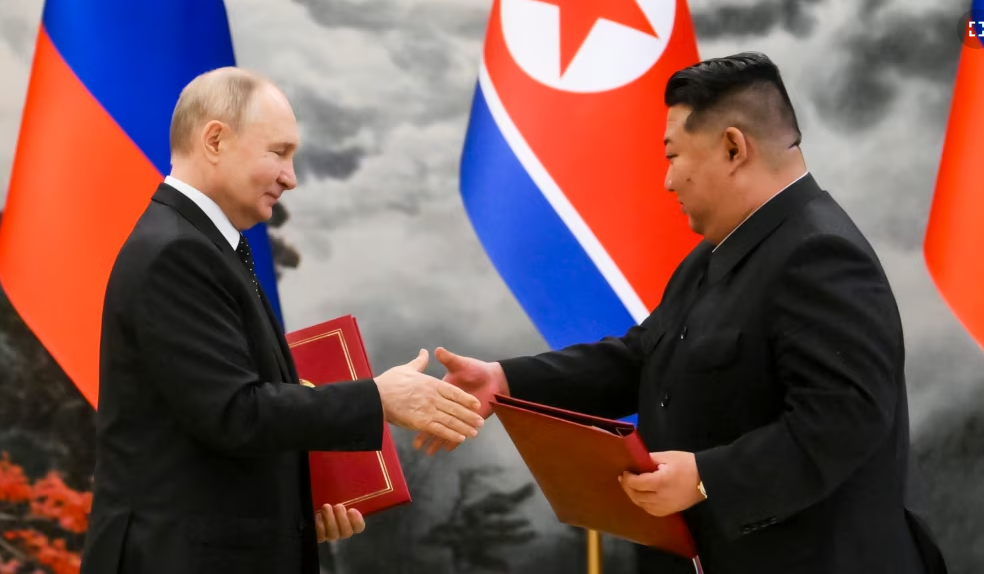
While China and the United States are the most important external stakeholders on the Korean Peninsula, Russia has focused more on its strategic interests in the region out of concern over security issues in Europe. To achieve enduring peace, communication must resume under the multilateral framework of the Six-Party Talks.

Zhang Yun, Professor, School of International Relations, Nanjing University
Jun 05, 2024
China-Japan-ROK cooperation is not aimed at the United States, and it should not be constrained. The sustainability of future trilateral cooperation by China, Japan and the ROK ultimately depends on the continual development of internal dynamics of the three countries.
Zhong Yin, Research Professor, Research Institute of Global Chinese and Area Studies, Beijing Language and Culture University
Feb 20, 2024
America’s actions that are directly detrimental to China’s interests render China’s cooperation in some regions irrelevant. The good news is that China and the U.S. have agreed to strengthen cooperation. But to ensure concrete results, the U.S. needs to do more.
Wang Fudong, Assistant Research Fellow, Institute of International Economics and Politics, Shandong Academy of Social Sciences
Nov 24, 2022
The United States and its allies are less interested in solving the problem than they are in containing China. But even if conflict is avoided, the intensification of a new cold war in Northeast Asia and the rising risk of nuclear proliferation do not bode well for the future.
Zhang Tuosheng, Principal Researcher at Grandview Institution, and Academic Committee Member of Center for International Security and Strategy at Tsinghua University
Sep 14, 2022
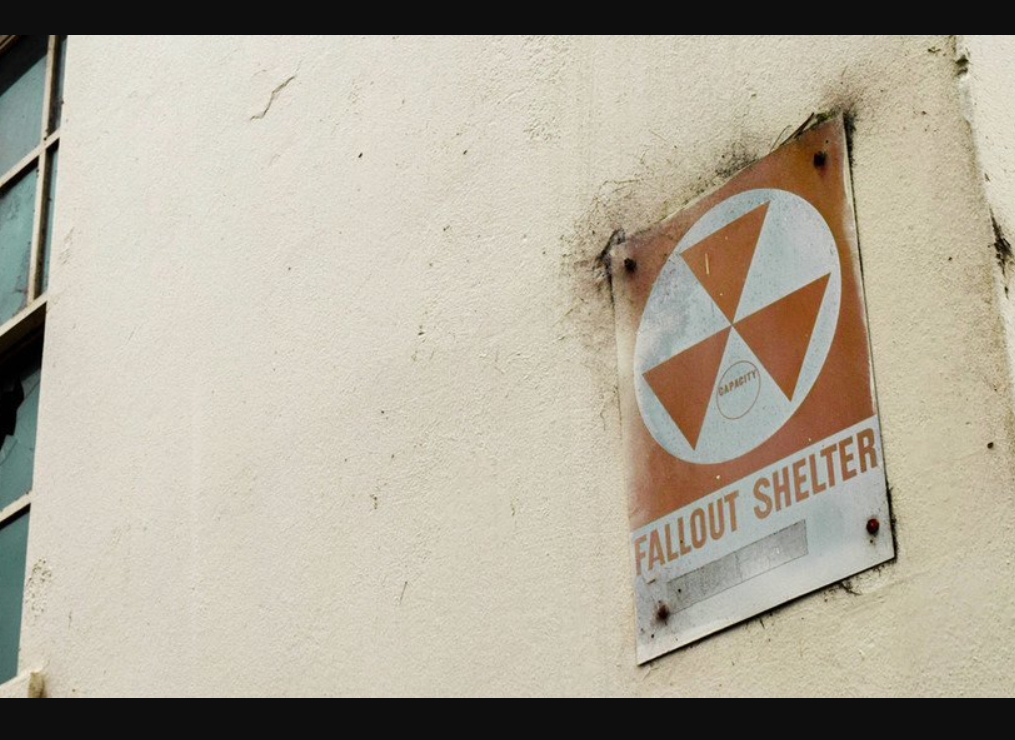
Regional strategic stability depends upon sincere outreach to the DPRK by major powers. Think tanks from China, the U.S. and the ROK have already reached many useful common understandings. They should explore a road map for denuclearization and a peace mechanism and invited the DPRK to participate.
Doug Bandow, Senior Fellow, Cato Institute
Jul 12, 2022
The U.S. and South Korea continue to look for ways to address the challenges with North Korea, while hoping for the involvement of China. Yet, China is unlikely to get involved unless its interests are also met in the process.
Wang Fudong, Assistant Research Fellow, Institute of International Economics and Politics, Shandong Academy of Social Sciences
Mar 31, 2022
With America distracted by the Russia-Ukraine conflict, the ICBM on the Korean Peninsula is not getting much attention. But the problem won’t go away without judicious action on both sides.
Ted Galen Carpenter, Senior Fellow, Randolph Bourne Institute
Mar 04, 2022
After Trump drastically shifted the U.S. approach to North Korea, the Biden administration’s policy seems to be more aligned with the previous decades of stalemated isolation of the small nation. A new approach could normalize relations and stabilize security concerns in Asia.
Wang Fudong, Assistant Research Fellow, Institute of International Economics and Politics, Shandong Academy of Social Sciences
Feb 07, 2022
With the United States maintaining a hostile stance, the DPRK faces a bleak choice: either capitulate to U.S. nuclear and missile demands or try to unnerve the U.S. with a show of force. It is likely to try the latter first.
Back to Top

- China-US Focus builds trust and understanding between the U.S. and China through open dialogue among thought leaders.