Dan Wang, China Director, Eurasia Group
Jan 05, 2026
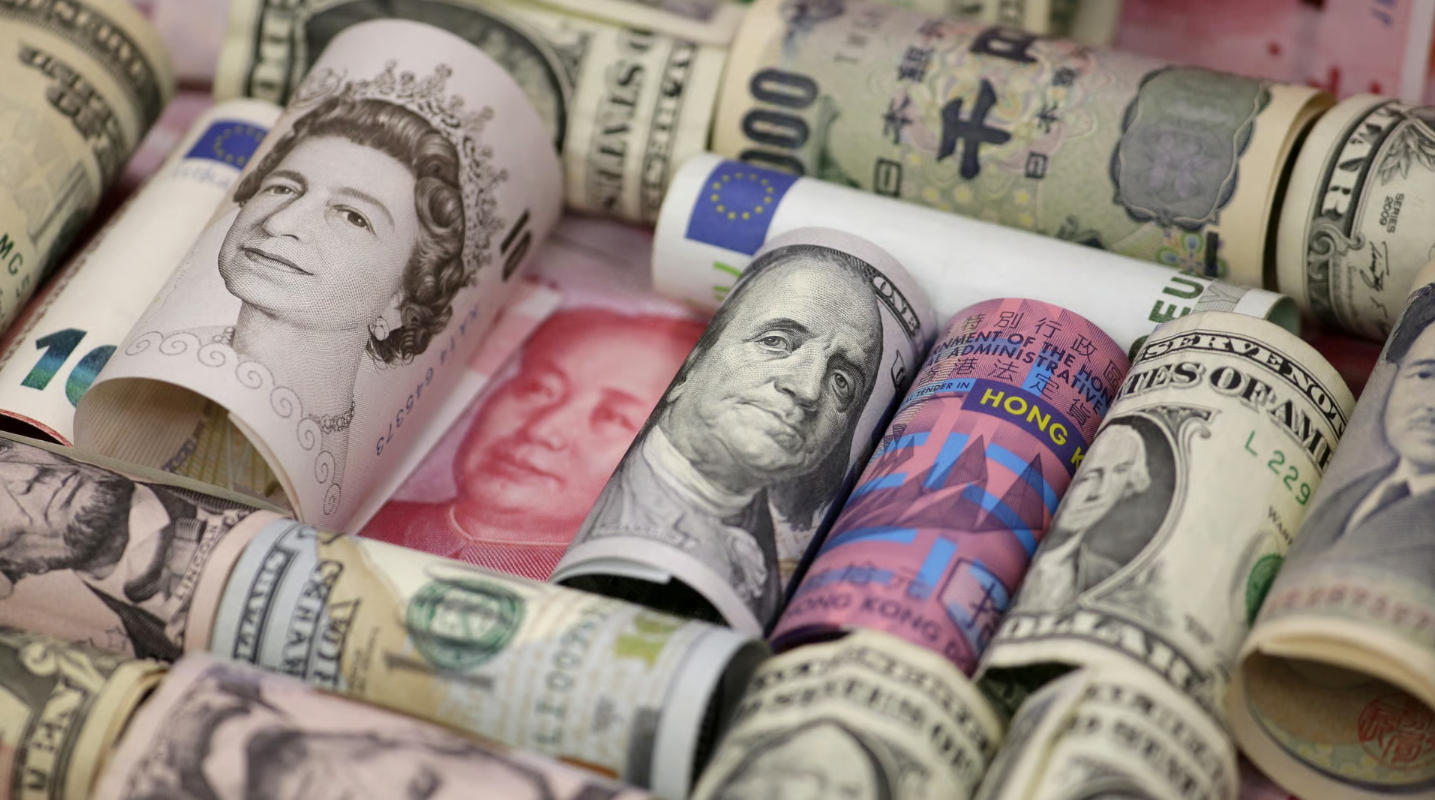
China has deliberately kept the yuan stable in recent years, prioritizing currency credibility and controlled internationalization over export-driven devaluation, as a weaker currency now risks trade tensions, regional instability, and undermining long-term strategic goals. Rather than challenging the dollar outright, Beijing is pursuing a state-led, sanctions-resilient financial system and gradually re-anchoring its exchange rate away from a tight dollar peg toward a more multipolar framework.
Ma Jun,, President of Institute of Finance and Sustainability, Former Co-chair of the G20 Sustainable Finance Working Group
Sean Kidney, CEO, Climate Bonds Initiative
Dec 09, 2025
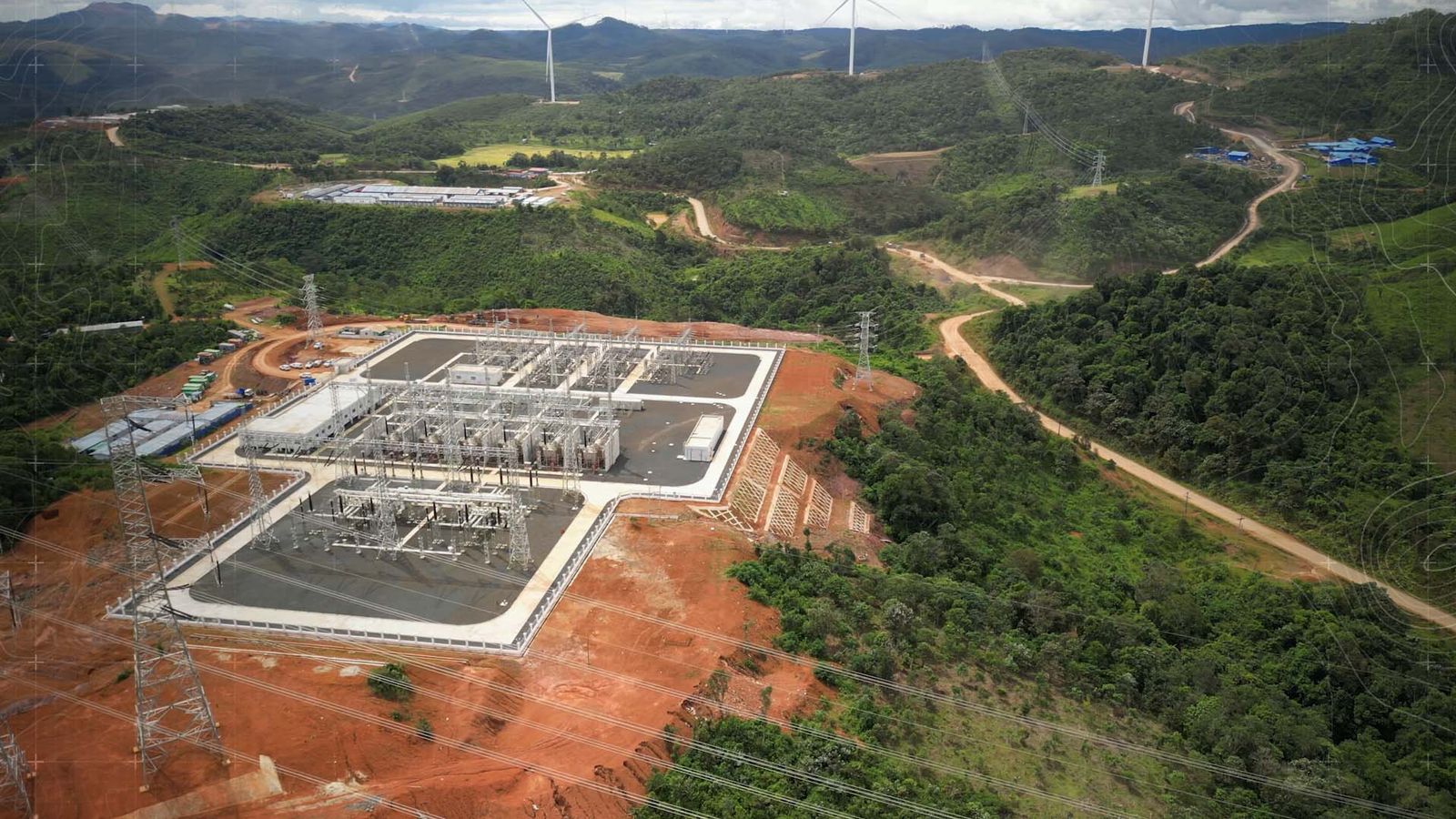
As the United States renounces its climate commitments, a chain reaction of wavering pledges and scaled-back investments by other donors and multilateral institutions has followed. This trend raises the stakes for everyone else, underscoring the urgency of closing the financing gap for climate adaptation and mitigation in the developing world.
Benn Steil, Director of International Economics, Council on Foreign Relations
Aug 25, 2023
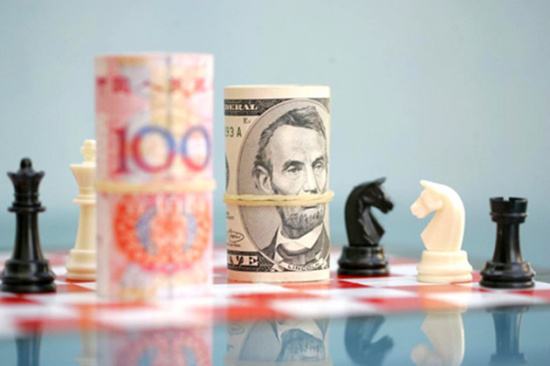
At the end of World War II, the United States accounted for more than half the world’s economic output and gold reserves. The United Kingdom was effectively bankrupt, with the remnants of the sterling area bound together by capital and trade controls. Once the British pound became convertible in July 1947, owing to US insistence, it succumbed to overwhelming selling pressure. The dollar, which was pegged to gold at $35 an ounce, was buoyed by America’s privileged position within the newly formed International Monetary Fund and quickly established itself as the bedrock of global trade and finance.
Dan Steinbock, Founder, Difference Group
May 19, 2023
The multipolarization of the global reserve currency system is accelerating. Ironically, Western sanctions against Russia have intensified the move away from the U.S. dollar.
Zhang Monan, Deputy Director of Institute of American and European Studies, CCIEE
Dec 22, 2022
As the internationalization of currencies in emerging economies advances, a multipolar monetary system will result. Look for an international monetary system characterized not by a single currency alone but by multiple players.
Christopher A. McNally, Professor of Political Economy, Chaminade University
Sep 30, 2022
China’s economic troubles in 2022, exacerbated by zero-COVID regulations and stiff barriers for travel and exports, have caused consumer demand to hit a new low. The digital yuan, the first centrally backed crypto token, could be the solution Beijing needs to restore consumer trust in their economy.
Nicola Casarini, Senior Fellow, Istituto Affari Internazionali
Jun 30, 2022
Europe has taken a strategic stance when it comes to its relationship with the U.S. and with China. While the U.S. has strengthened ties with its European allies to contain China, Europe also supports China’s monetary ambitions regarding the RMB.

Christopher A. McNally, Professor of Political Economy, Chaminade University
Feb 20, 2022
China’s digital yuan soft launched during the Beijing Winter Olympics, ushering in a new era of financial institutions. Already a leader in digital payment infrastructure, China’s ambition to solidify the digital yuan’s use will change how an already robust ecosystem operates.
Shang-Jin Wei, Professor, Finance and Economics at Columbia University
May 12, 2021
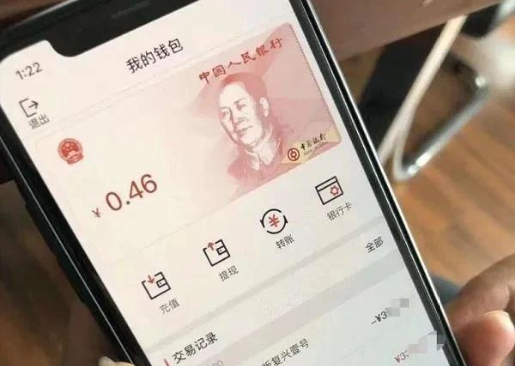
While many central banks are still investigating the possibility of issuing a digital currency, China has rolled out a digital currency via a series of pilot programs since last year.
Christopher A. McNally, Professor of Political Economy, Chaminade University
Apr 29, 2021
China is working to assert itself as a global leader in digital currency through the implementation of the digital yuan. The results of this could unravel the global financial system at worst, but at best, could establish a global infrastructure with equal monetary anchors.
Back to Top

- China-US Focus builds trust and understanding between the U.S. and China through open dialogue among thought leaders.