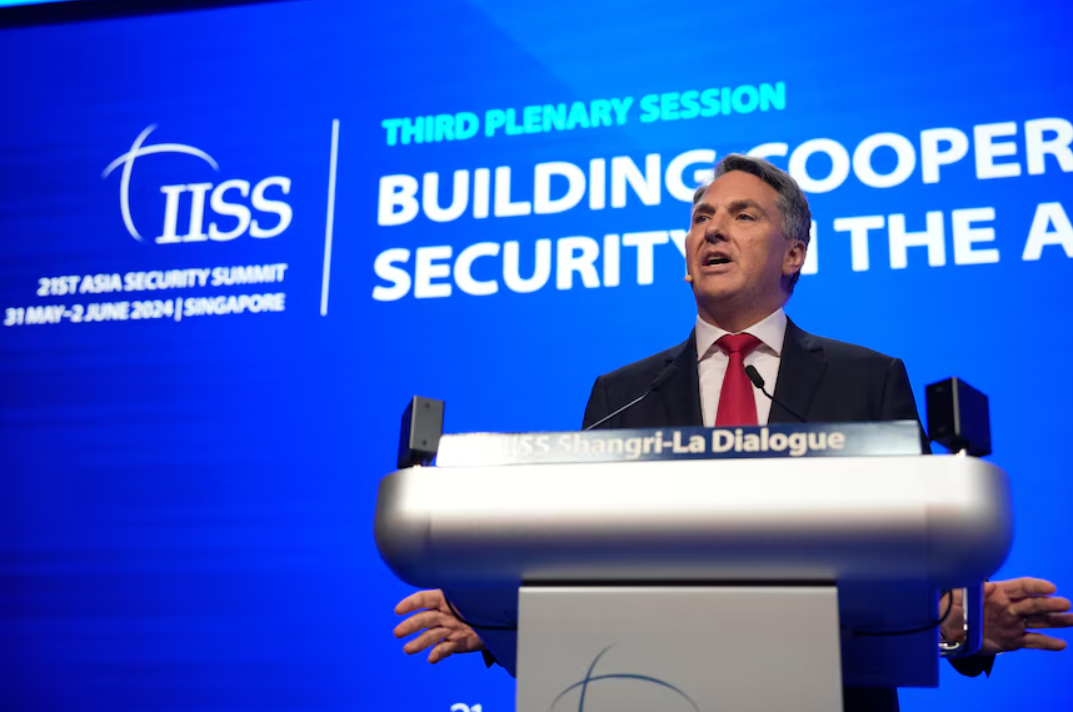
Warwick Powell, Adjunct Professor at Queensland University of Technology
Jun 04, 2026
The recent Shangri-La Dialogue in Singapore offered a window into the evolving realities of power in the Indo-Pacific. U.S. Secretary of War Pete Hegseth’s address struck a notably more measured tone than his previous interventions. Gone were the sharper edges of 2025 rhetoric. In their place emerged a focus on securing a “favourable but durable balance of power,” preventing any single hegemon — implicitly China — from dominating the region. Allies were urged to shoulder greater burdens, with familiar calls for increased defence spending. Conspicuously absent was any direct reference to Taiwan.
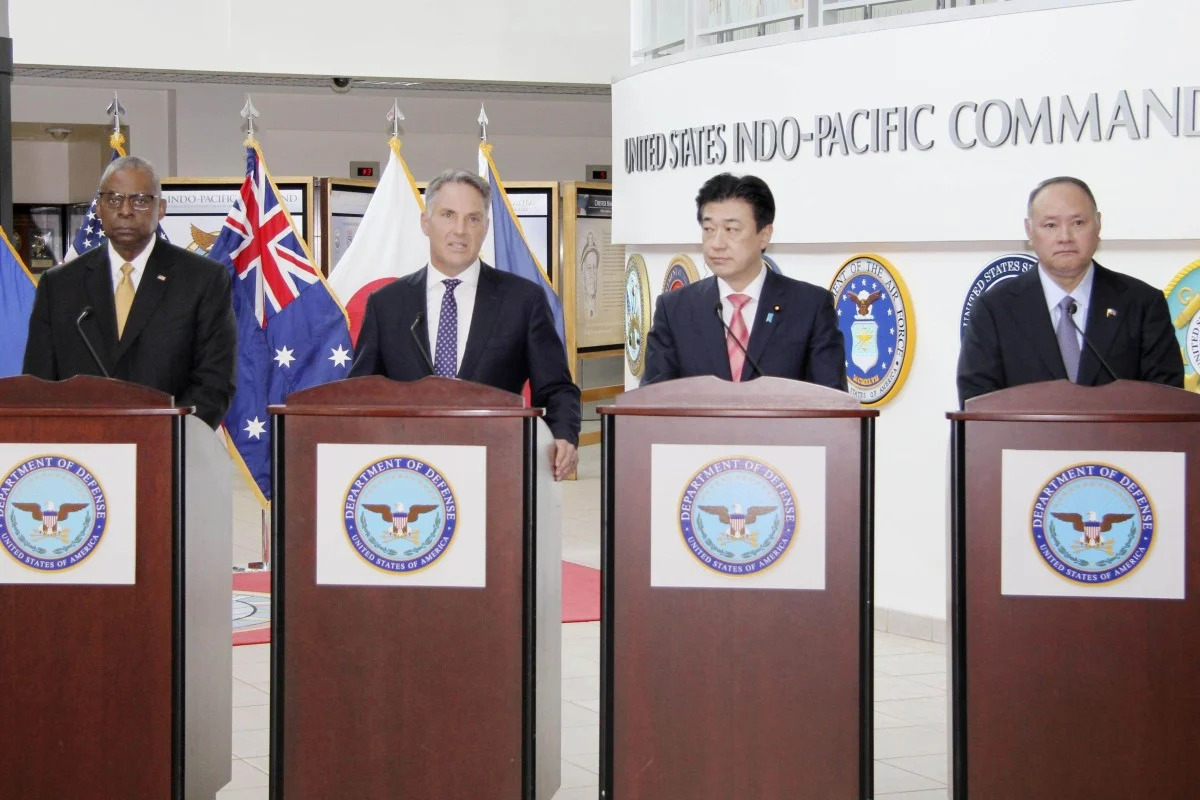
Du Lan, Deputy Director at Asia-Pacific Institute, China Institute of International Studies
Jul 18, 2025
Donald Trump prefers to treat the waters as a bargaining chip, so the United States may reduce high-profile provocations — such as close-in reconnaissance — and instead increase its “gray” tactics and low-intensity military exercises.
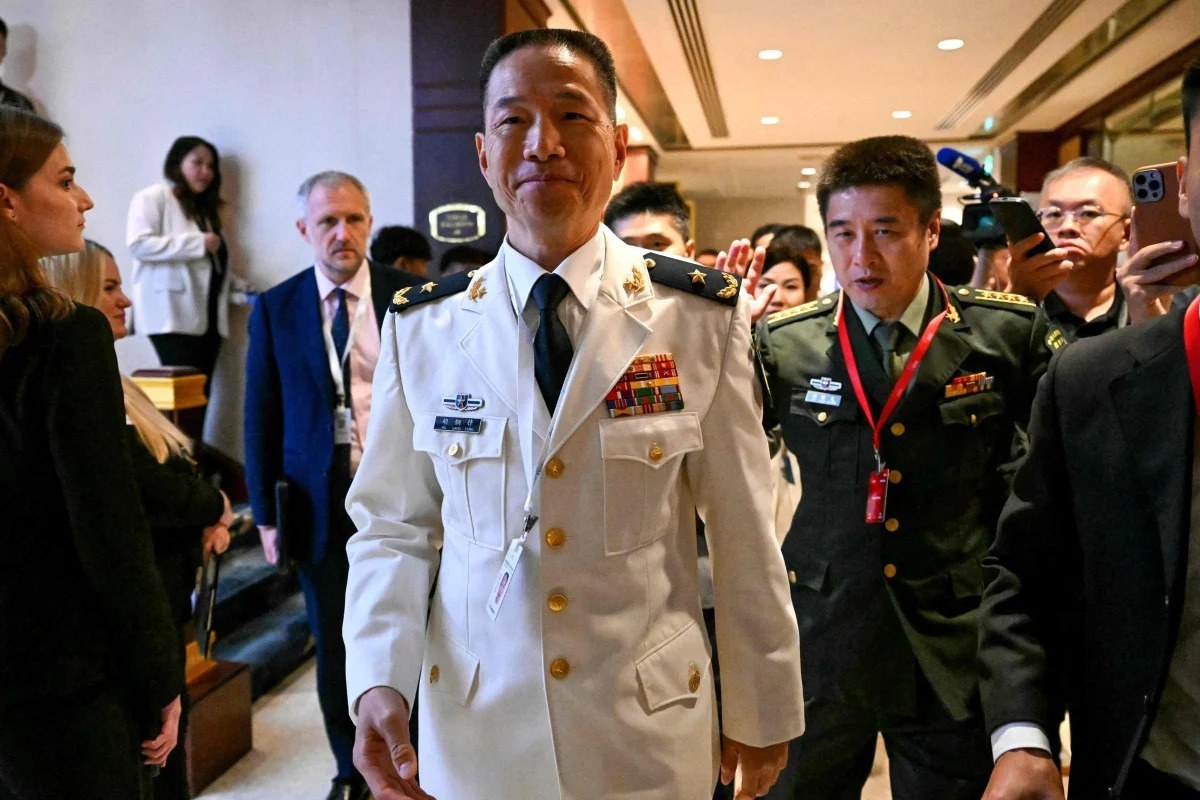
Richard Weitz, Senior Fellow, Hudson Institute
Jun 20, 2025
The U.S. national security community is publicizing its anxieties about China’s military build-up and Beijing’s security partnership with Russia, Iran, and North Korea.
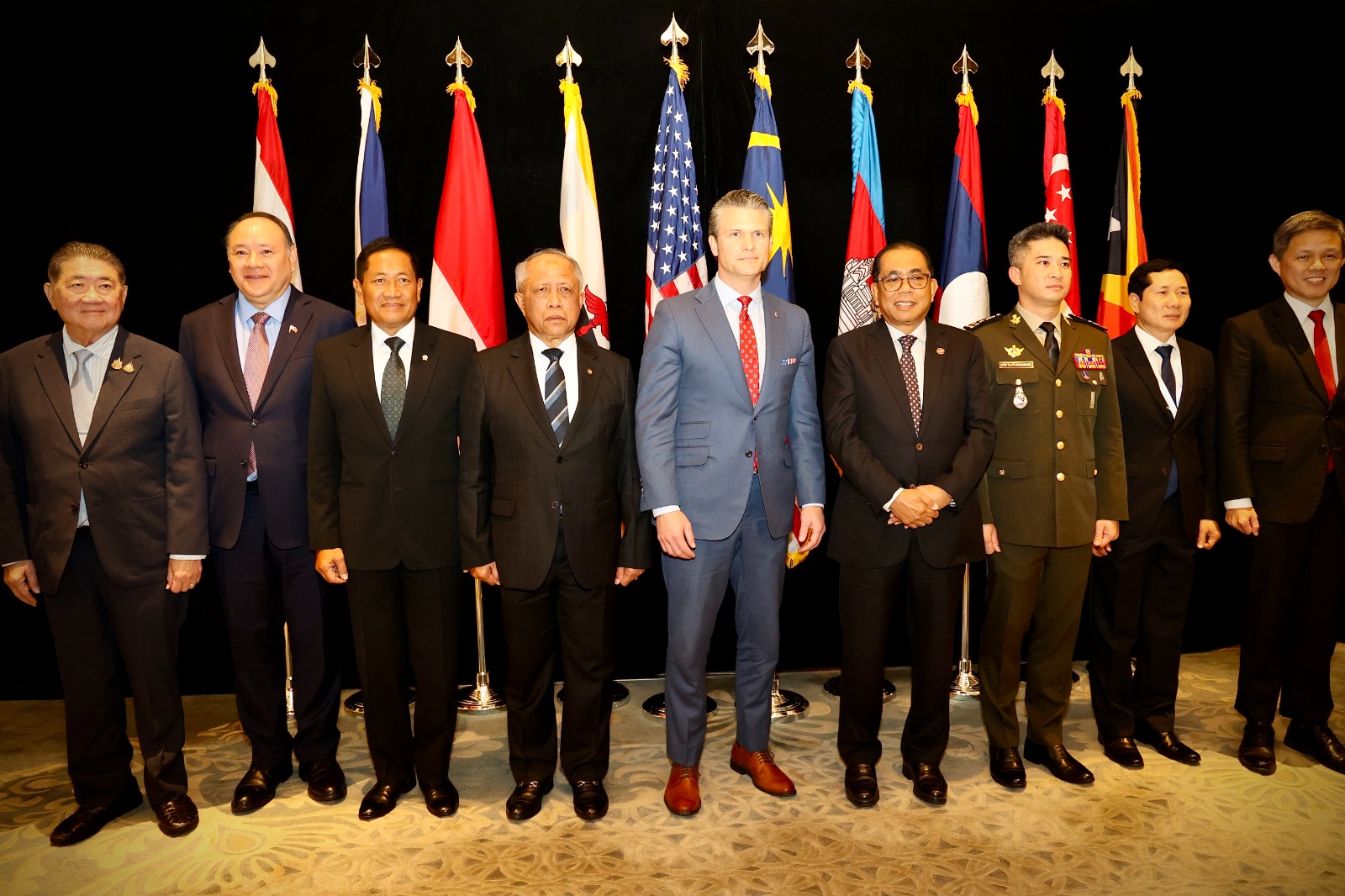
Zhang Gaosheng, Researcher at Department of World Peace and Security, China Institute of International Studies
Jun 12, 2025
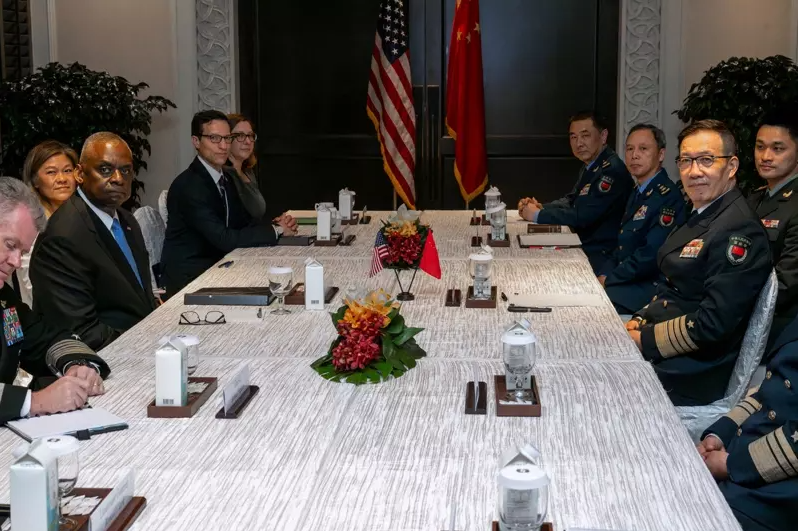
The future of the Trump administration’s Indo-Pacific Strategy remains fluid. However, U.S. Defense Secretary Pete Hegseth’s two visits to the region, including his recent attendance and speech at the Shangri-La Dialogue, shed a little light.
Yun Sun, Director of the China Program and Co-director of the East Asia Program, Stimson Center
Jun 14, 2024
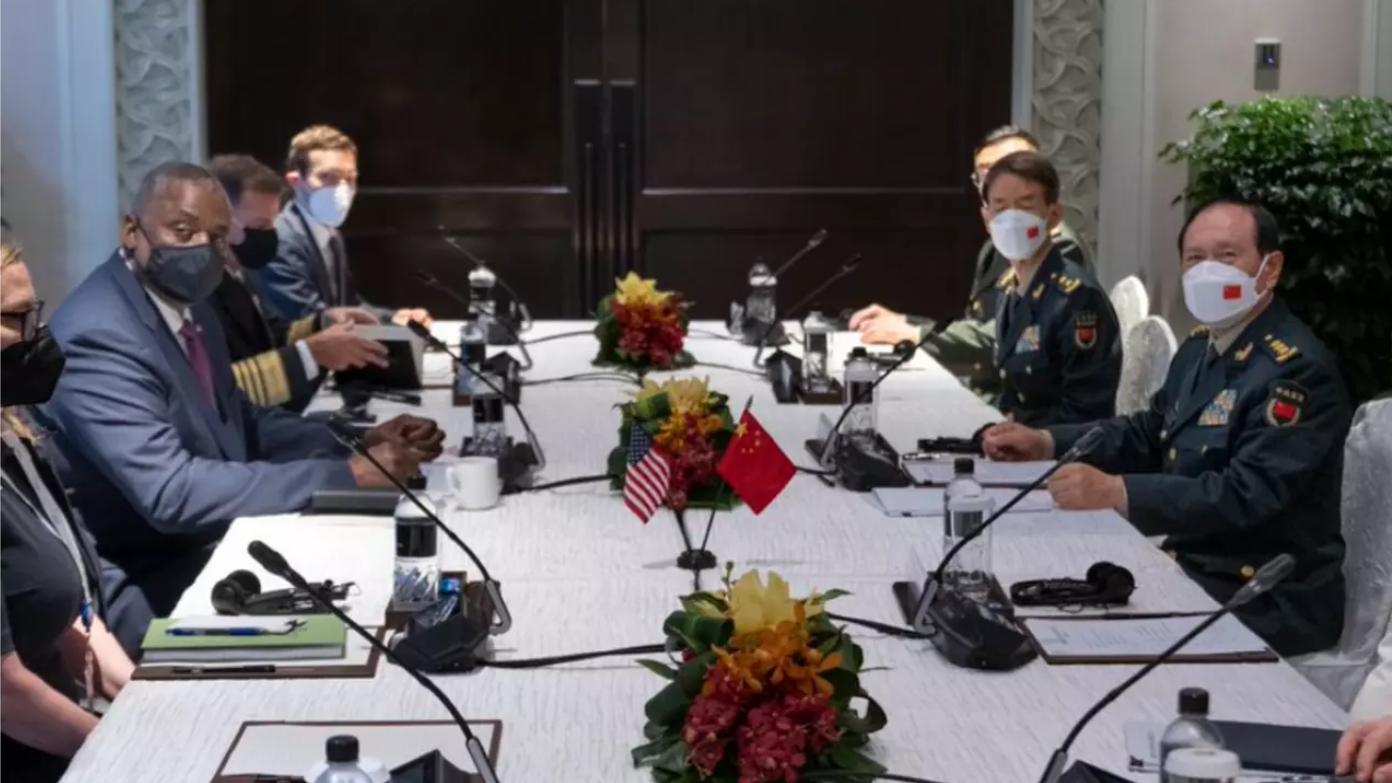
While the media has entirely focused on how the Shangri-La Dialogue in early June was another round of tug of war between U.S. and China, people don’t appreciate enough the significance of the 75-minute side meeting between Chinese Defense Minister Dong Jun and U.S. Secretary of Defense Lloyd Austin. The U.S. and China came halfway across the world to discuss their military-military relations, offering a glimmer of hope for the future.
Li Yan, Director of President's Office, China Institutes of Contemporary International Relations
Jun 16, 2022
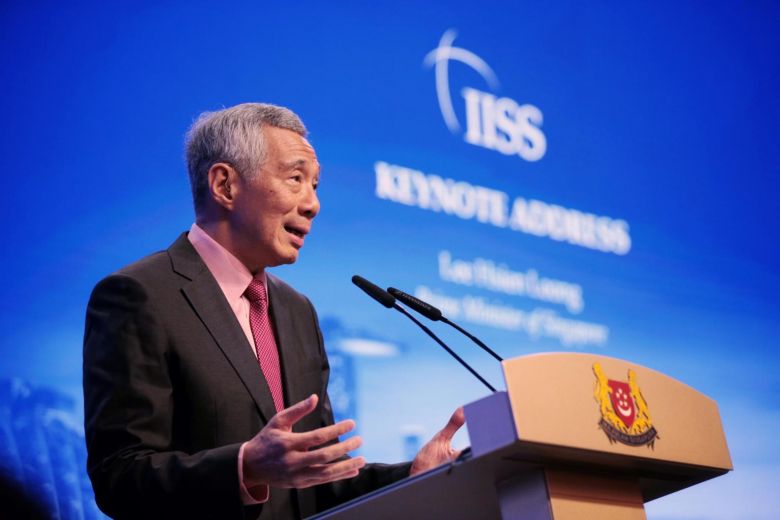
The Shangri-La Dialogue underscored the importance of military-to-military relations as a stabilizing factor in China-U.S. relations. While they have been the most sensitive and closely watched aspect, they have also been one of the few bright spots.
Richard Javad Heydarian, Professorial Chairholder in Geopolitics, Polytechnic University of the Philippines
Jun 21, 2019
The behavior of both US and Chinese officials at this year’s Shangri-La Dialogue signaled the end of a period of relative peace in the Indo-Pacific region. The smaller states are increasingly concerned that the two superpowers will simply stumble into war, and urge the two to find common ground on shared challenges to maintain a peaceful relationship.
Lucio Blanco Pitlo III, President of Philippine Association for Chinese Studies, and Research Fellow at Asia-Pacific Pathways to Progress Foundation
Jun 21, 2019
The US-China rivalry constitutes a new formidable challenge to Southeast Asia’s cohesion, so they should continue to engage all powers and reinforce consensus among themselves.
Wang Hanling, Director of National Center for Ocean Affairs and the Law of the Sea
Jul 11, 2016
The US “freedom of navigation” operations are nothing but an exercise of double standards and selective enforcement, as evidenced by the uneven treatment of Japan and China. The operations’ real purpose is to ensure American interests. The professed aim of upholding international law or UNCLOS is just a façade.
Richard Weitz, Senior Fellow, Hudson Institute
Jun 23, 2016
Escalating tensions regarding the Asian-Pacific territorial disputes and other security issues make clear that we need a new approach to dealing with these regional questions. Recent weeks have seen renewed Chinese-U.S. military incidents, stalemated China-U.S. security talks, and a failed China-ASEAN foreign ministers’ meeting.
Back to Top

- China-US Focus builds trust and understanding between the U.S. and China through open dialogue among thought leaders.