Brian Wong, Assistant Professor in Philosophy and Fellow at Centre on Contemporary China and the World, HKU and Rhodes Scholar
Aug 28, 2026
China-ASEAN relations are shaped by deep economic integration but also by territorial disputes, competitive pressures and persistent public unease toward Beijin
Lucio Blanco Pitlo III, Member of Board of Directors, Philippine Association for Chinese Studies
Jul 31, 2026
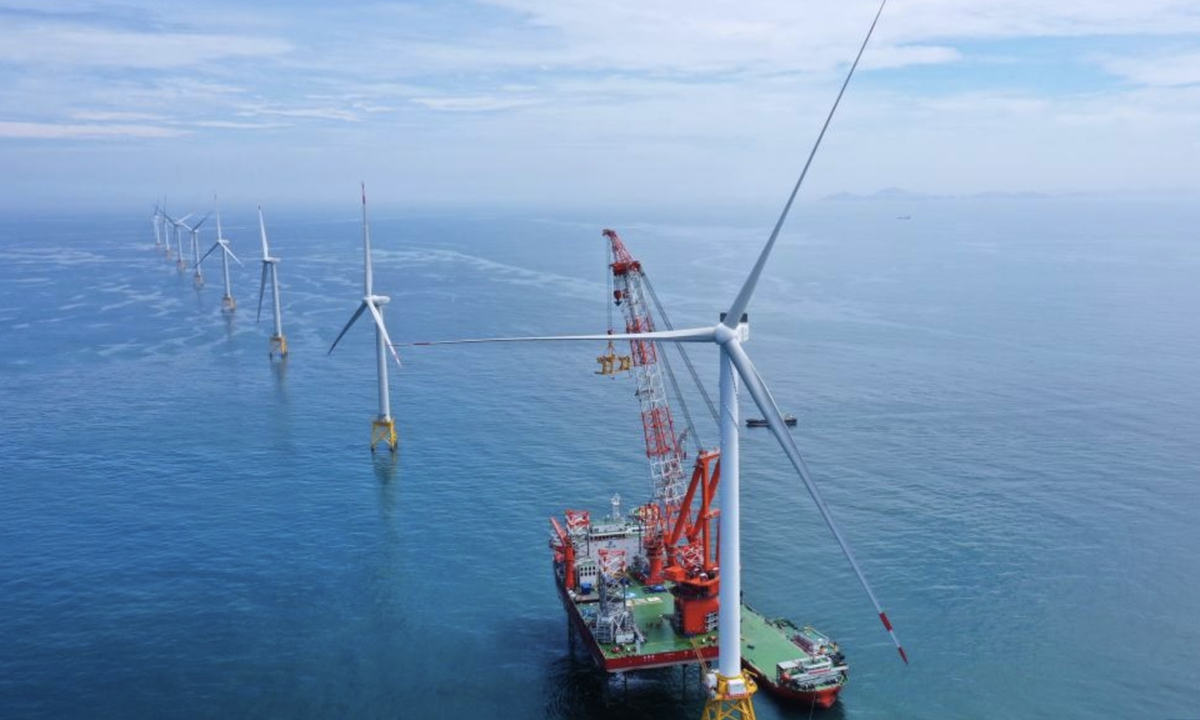
Competition for access to resources has been a major driver of conflict in the South China Sea. The discovery of offshore oil in the 1970s triggered a scramble for land features to bolster claims to territory and sovereign rights over underwater fossil fuels. Dwindling fishing stocks in coastal areas pushed fishers into distant waters, entangling them in jurisdictional disputes. However, the rise of renewable energy and modern aquaculture may reduce the role of resources as a trigger for tensions in the semi-enclosed sea. The increasing share of hydro, wind, and solar power in the national energy mixes of coastal states, along with their ambitious energy transition targets, may diminish foreign investors' appetite for capital-intensive deep-water hydrocarbon exploration and development projects, especially in maritime spaces with significant political and security risks. Aquaculture is also displacing wild catch as the main contributor to total fisheries production in most coastal countries. The integration of aquaculture and offshore green energy is in its early stages and presents opportunities for practical cooperation among coastal states.
Lucio Blanco Pitlo III, Member of Board of Directors, Philippine Association for Chinese Studies
Feb 11, 2026
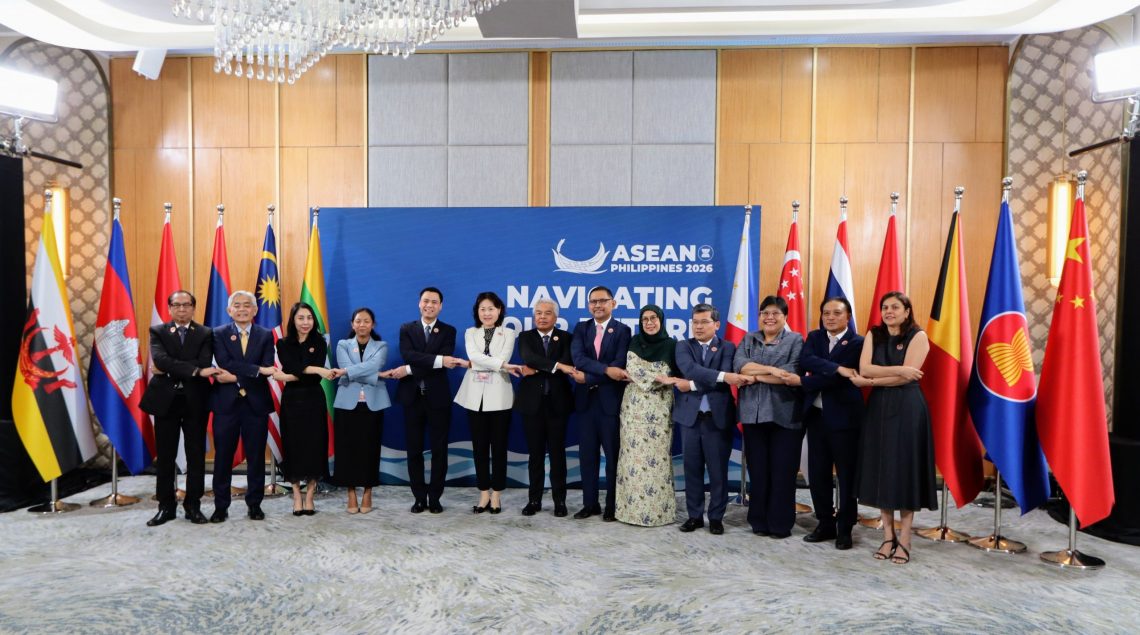
The resumption of diplomatic dialogue between the Philippines and China in Cebu on January 29, ahead of the ASEAN-China Senior Officials Meeting on the Code of Conduct negotiations, is a welcome development. Avoiding conflict and preventing the deterioration of bilateral relations are imperative for the Philippines and China. Cooperation and productive ties can persist amid differences. The practice of other South China Sea coastal states is illustrative. Several points are worth considering.
Zhang Tuosheng, Principal Researcher at Grandview Institution, and Academic Committee Member of Center for International Security and Strategy at Tsinghua University
Dec 02, 2025
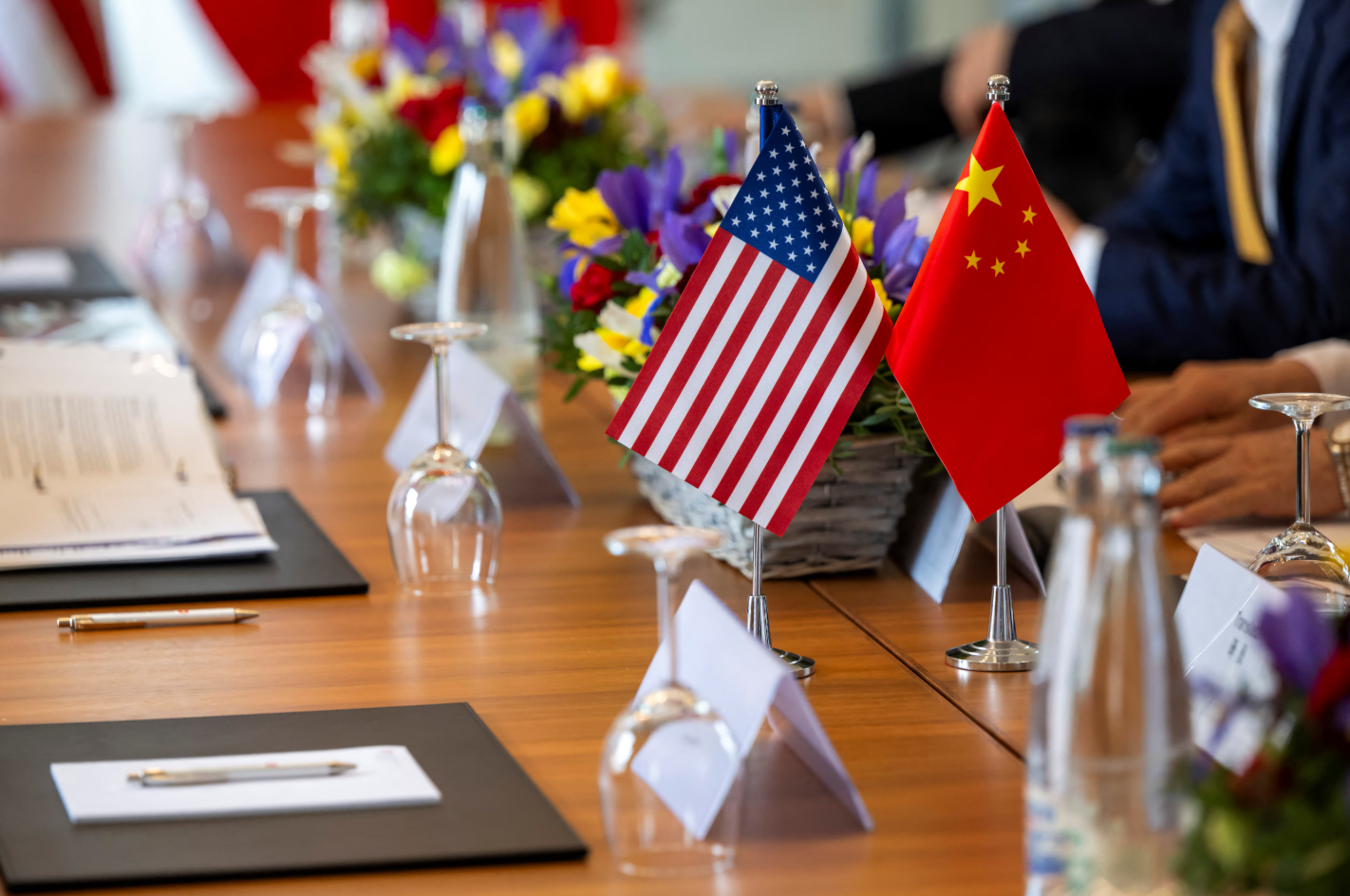
China and the U.S. must avoid both the Thucydides trap and the Cold War trap. This is not only in their strategic interest but also that of other countries in the region and around the world. Both sides must make major efforts jointly and in a sustained manner.
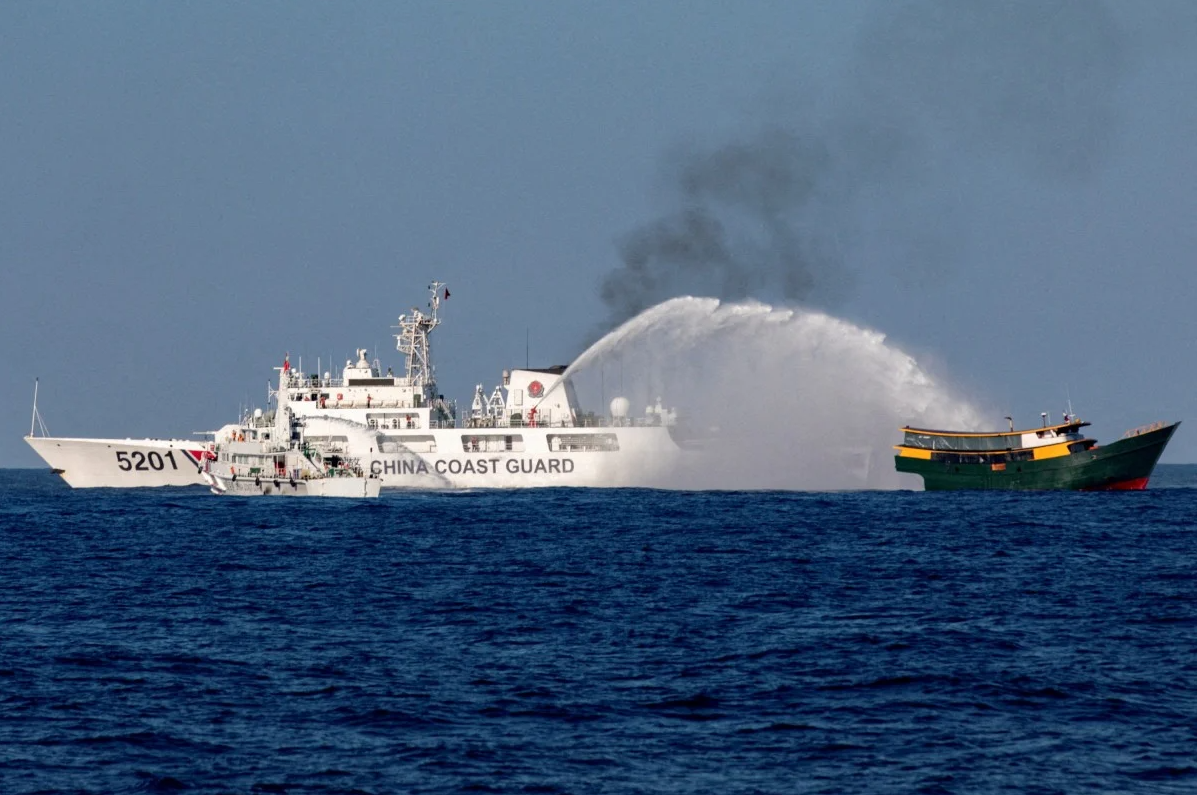
Lucio Blanco Pitlo III, Member of Board of Directors, Philippine Association for Chinese Studies
Oct 17, 2025
The Philippines is strengthening defense ties with the United States at a time of escalating US-China rivalry. Manila aims to mitigate power asymmetry, while China’s response to its maritime neighbor reflects a deep distrust of alliances and wary of invaders which came by sea.
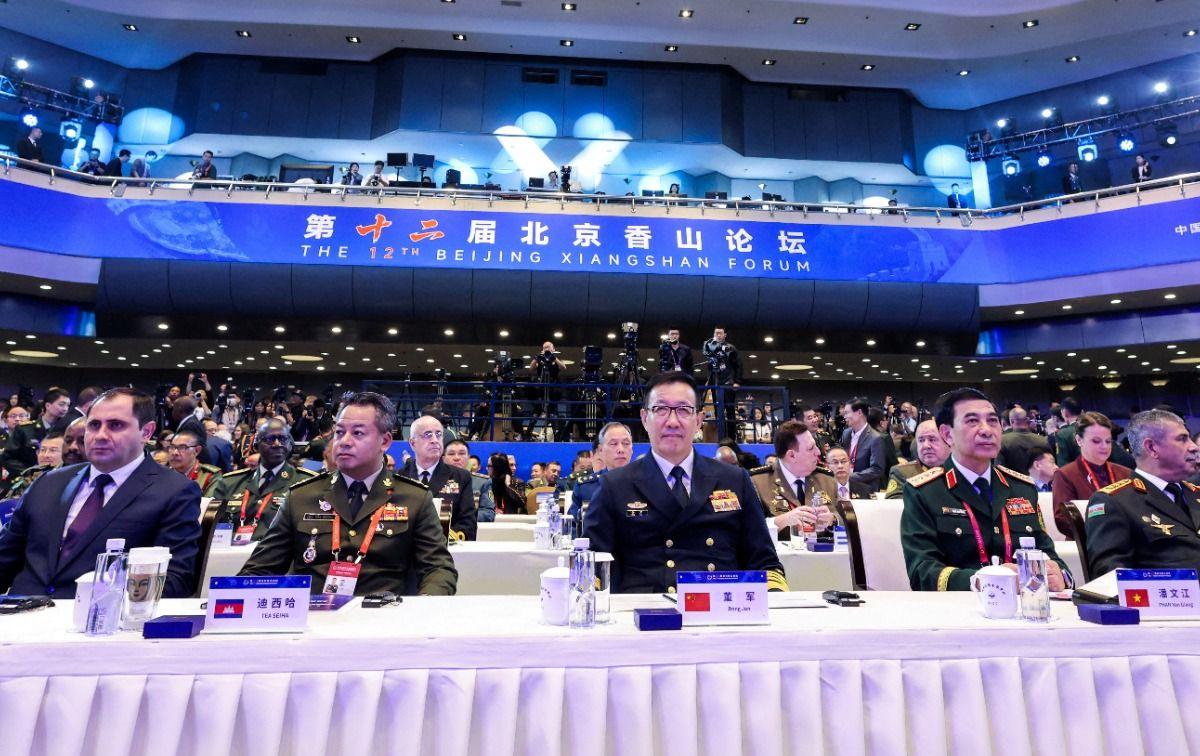
Zhang Gaosheng, Researcher at Department of World Peace and Security, China Institute of International Studies
Oct 02, 2025
China and the United States should work to improve their crisis management mechanisms and to promote mutual trust and cooperation. In this way they can contribute to each other’s success, achieve common prosperity and bring benefits to themselves and the world.
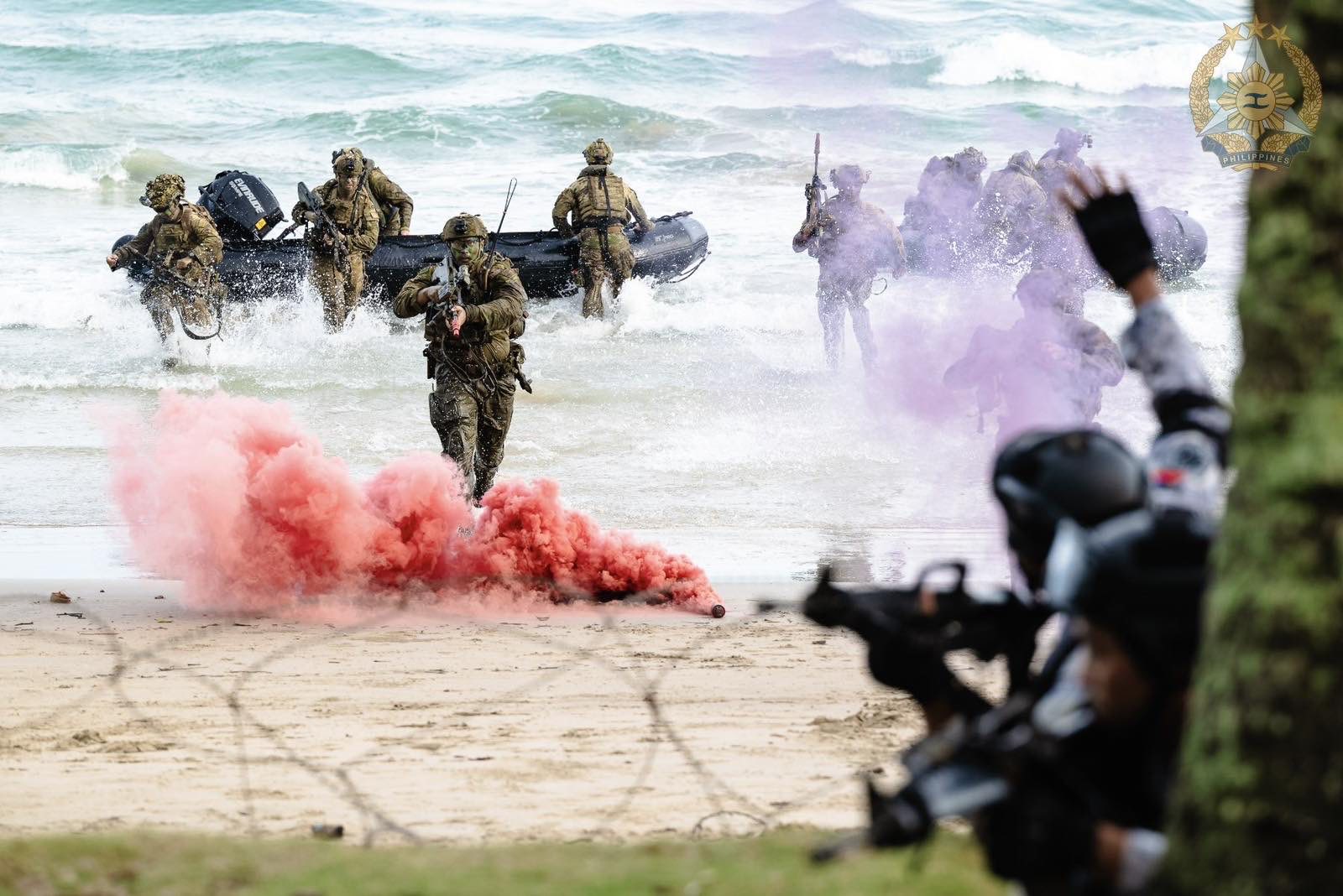
Richard Javad Heydarian, Professorial Chairholder in Geopolitics, Polytechnic University of the Philippines
Sep 19, 2025
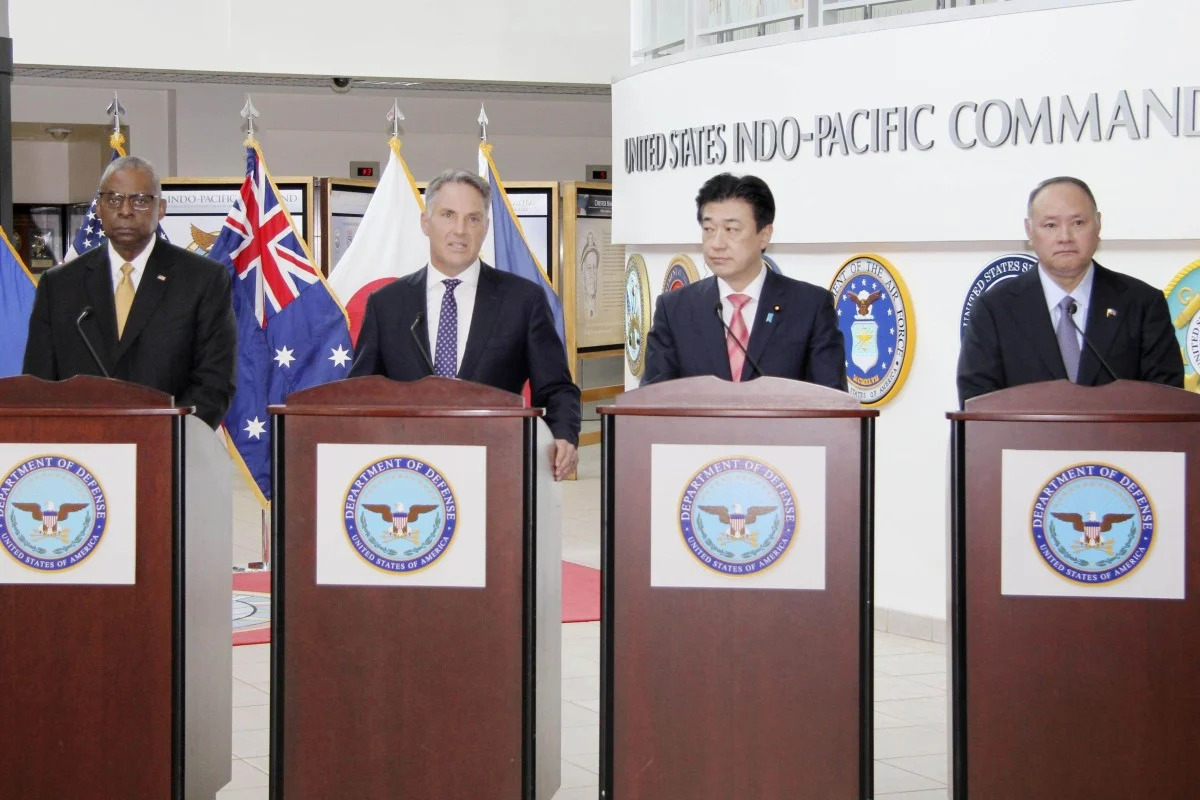
The Philippines is significantly upgrading defense ties with Australia and other Western partners amid growing tensions with China in the South China Sea, underscored by large joint exercises and plans for expanded troop access. Yet despite China’s overwhelming military advantage, both Manila and Beijing share responsibility to de-escalate tensions and pursue diplomatic solutions, especially as the Philippines prepares to chair ASEAN next year.
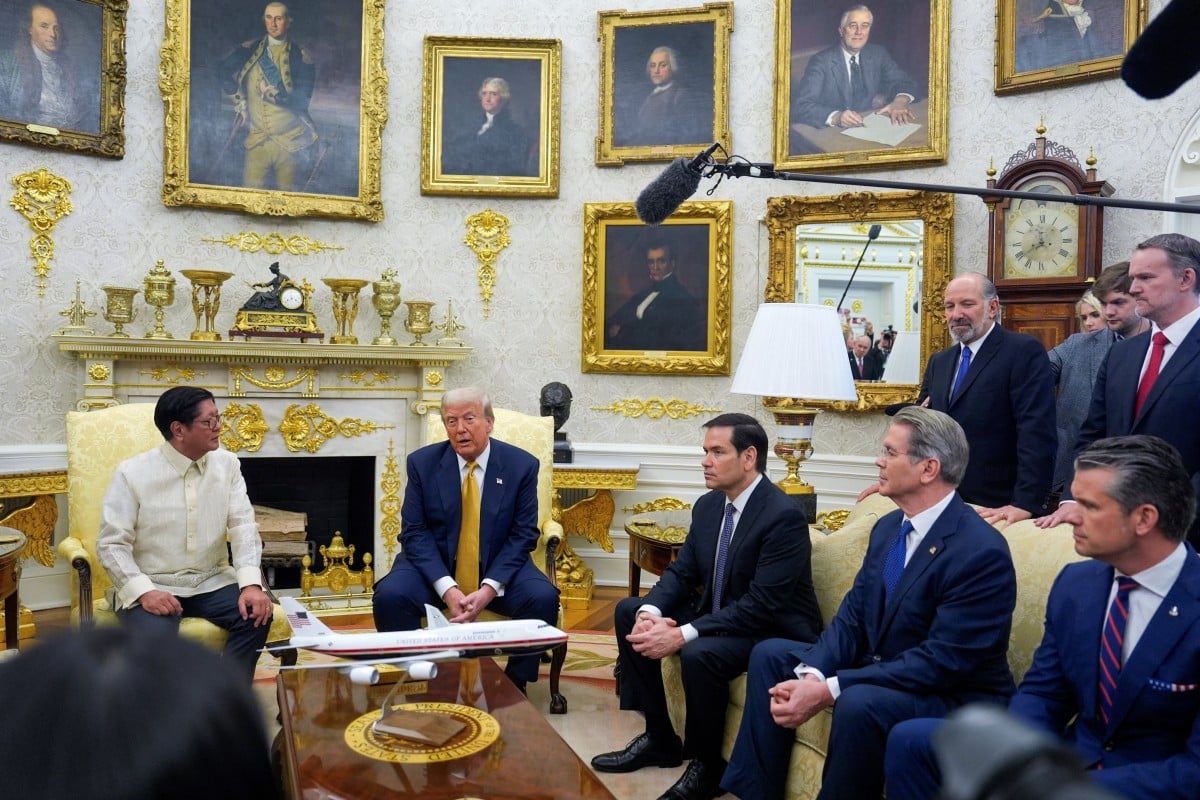
Eduardo Araral, Professor of Public Policy, National University of Singapore’s Lee Kuan Yew School of Public Policy
Jul 29, 2025
In his meetings with US President Donald Trump in Washington this week, Philippine President Ferdinand Marcos, Jr., is navigating a challenging new reality: a place under America’s security umbrella no longer comes with a discount at the customs window. When it comes to trade, Trump throws allies and adversaries into the same basket. But Marcos thinks he can negotiate an agreement that preserves and even strengthens the US-Philippines trade relationship.
Du Lan, Deputy Director at Asia-Pacific Institute, China Institute of International Studies
Jul 18, 2025
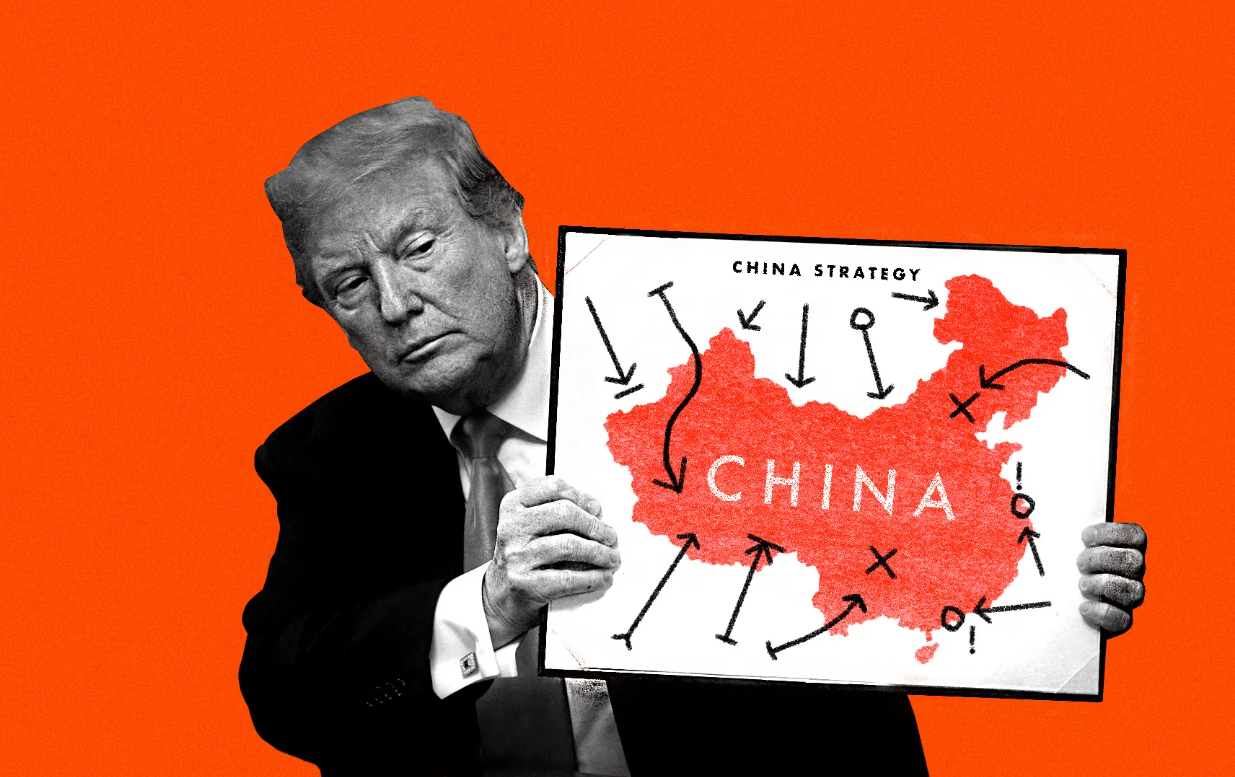
Donald Trump prefers to treat the waters as a bargaining chip, so the United States may reduce high-profile provocations — such as close-in reconnaissance — and instead increase its “gray” tactics and low-intensity military exercises.
Sujit Kumar Datta, Professor, Department of International Relations, University of Chittagong, Bangladesh
Jul 09, 2025
Strategic adjustments, characterized by economic decoupling, high-tech restrictions and military posturing in the Indo-Pacific region, will transform the bilateral relationship and the shape of global security itself.
Back to Top

- China-US Focus builds trust and understanding between the U.S. and China through open dialogue among thought leaders.