
In this interview, Fudan University’s Professor Wu Xinbo warns that U.S.-China relations ...
The U.S. has effectively banned Chinese electric vehicles from its market but has yet to o...

Independent Scholar
Court rulings could weaken the U.S. administration’s tough stance in trade talks and give...

Deputy Director of Institute of American and European Studies, CCIEE
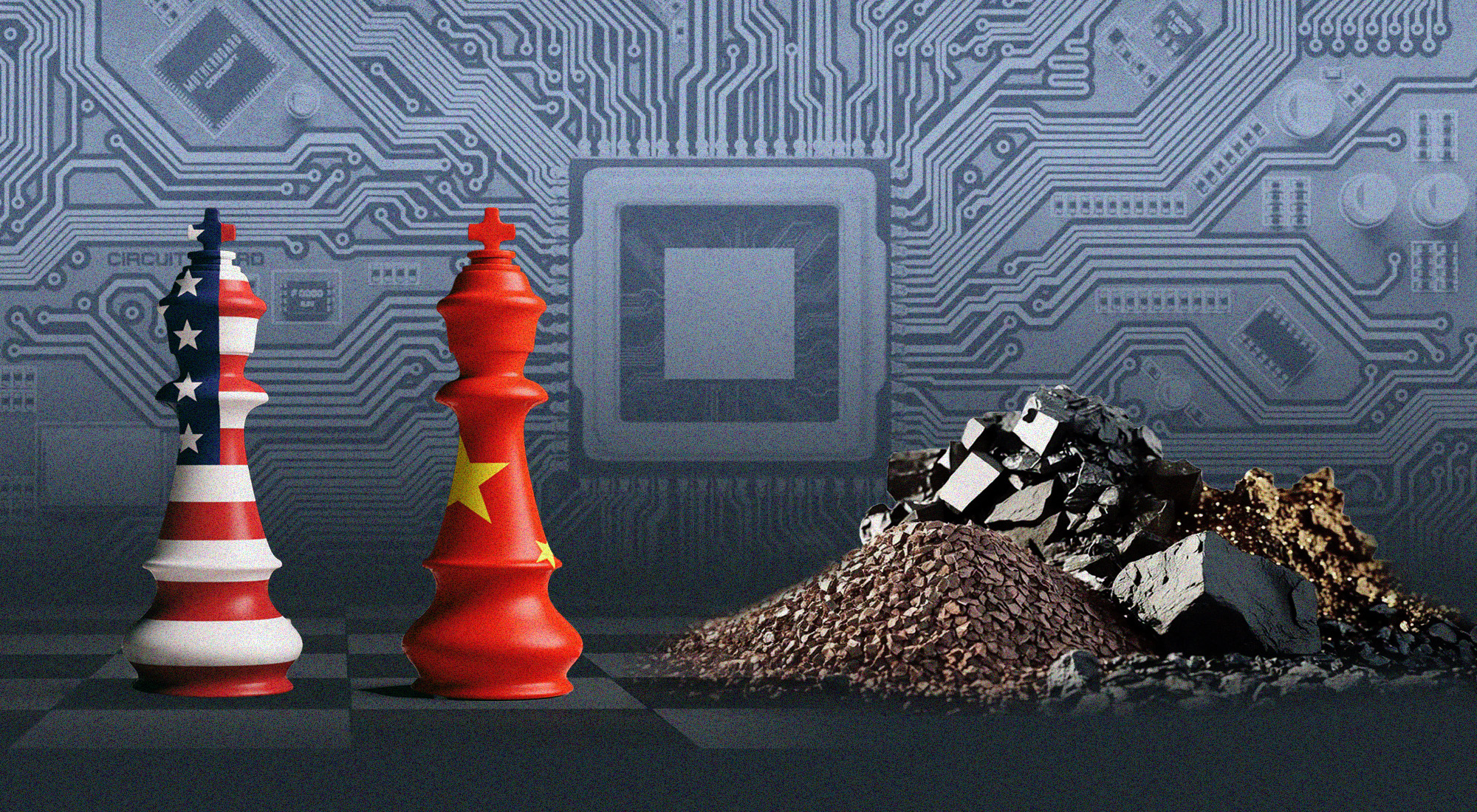
The United States is moving aggressively to solidify its technological dominance. This has...
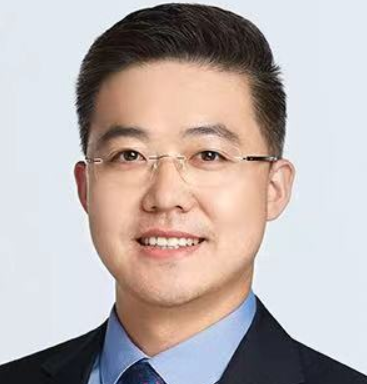
Associate Researcher, Tsinghua University’s Institute of International Relations
The U.S. national security community is publicizing its anxieties about China’s military ...

Senior Fellow, Hudson Institute
America sees itself as a global leader. So one might hope that it would take the lead in r...
Guest Professor at Sichuan University, Former Chief Specialist at PLA Academy of Military Science
America’s tariff agenda has taken global trade hostage to begin this year. While the stro...

Professor of Political Economy, Chaminade University
2025 has brought swift changes across the Indo-Pacific, and the Philippines’ growing invo...

Professorial Chairholder in Geopolitics, Polytechnic University of the Philippines


Director of President's Office, China Institutes of Contemporary International Relations
Deputy Director of Institute of American and European Studies, CCIEE
Associate Researcher, Tsinghua University’s Institute of International Relations

Professor and Deputy Director, Institute for International Relation Studies, Shanghai Academy of Social Sciences

Analyst and nonresident scholar, UC San Diego 21st Century China Center
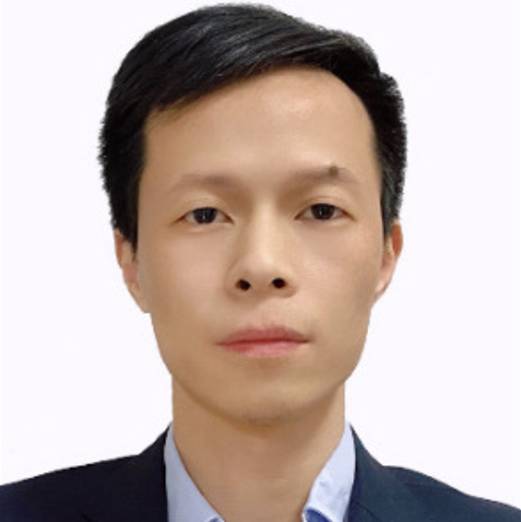
Assistant Researcher at Institute of American Studies, Chinese Academy of Social Sciences
Jun 12
Given the fact that most disruptions in the bilateral relationship originate in Washington, it is essential that the Trump administration apply the consensus reached during the call to its future actions.
Assistant Researcher at Institute of American Studies, Chinese Academy of Social Sciences
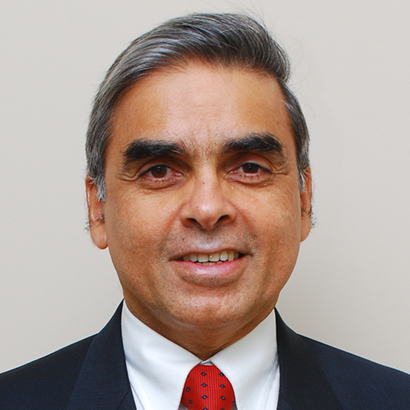
Dean of the Lee Kuan Yew School of Public Policy, National University of Singapore
Jun 06
U.S. President Donald Trump’s tariffs – especially the ultra-high “reciprocal tariffs” that he says will be reintroduced on July 8 for any country that has not struck a trade deal with his administration – have sent countries...
Dean of the Lee Kuan Yew School of Public Policy, National University of Singapore

Researcher and Postdoctoral Fellow, Centre on Contemporary China and the World, The University of Hong Kong
Jun 19
AI governance is a shared global challenge, and China and the U.S., as major AI powers, face new risks and challenges with Trump's return to the White House, making cooperation neither wholly pessimistic nor optimistic. A transac...
Researcher and Postdoctoral Fellow, Centre on Contemporary China and the World, The University of Hong Kong
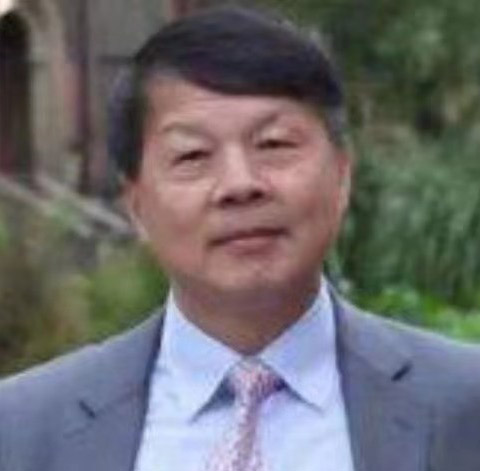
Former Deputy Permanent Representative of China’s Mission to the UN Office in Geneva
Jun 18
Imperialist, exploitative and egocentric — these words describe U.S. policy on the Global South. The policy is deeply ingrained in Trump MAGA agenda, but it’s a loser in the long run.
Former Deputy Permanent Representative of China’s Mission to the UN Office in Geneva

Professorial Chairholder in Geopolitics, Polytechnic University of the Philippines
Jun 05
2025 has brought swift changes across the Indo-Pacific, and the Philippines’ growing involvement with Trump’s policies and the Taiwan question could prove to be one of the most pivotal factors in the future of the region.
Professorial Chairholder in Geopolitics, Polytechnic University of the Philippines
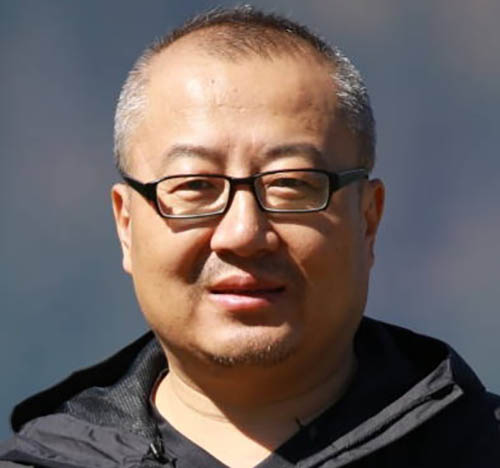
Deputy Secretary-general, Center for Shanghai Cooperation Organization Studies, Chinese Association of Social Sciences
Jun 18
Many in the West think Sino-Russian ties are the key to a resolution of the conflict. But this is a significant strategic misjudgment. Any durable peace in Ukraine must be found through negotiations between the parties directly in...
Deputy Secretary-general, Center for Shanghai Cooperation Organization Studies, Chinese Association of Social Sciences


Associate Research Fellow, Belt and Road Academy of Beijing Language and Culture University
Jun 02
The European establishment has ramped up its efforts to counter far-right forces, a move that will profoundly shape transatlantic relations in the Trump 2.0 era.
Associate Research Fellow, Belt and Road Academy of Beijing Language and Culture University

Senior Fellow, Gordon & Leon Institute
May 08
Arbitrary policies introduced by the U.S. president have accelerated a shift of the international order and introduced new dynamics to relations between major powers. Most countries are reluctant to follow Trump’s lead because th...
Senior Fellow, Gordon & Leon Institute

Director of President's Office, China Institutes of Contemporary International Relations
Deputy Director of Institute of American and European Studies, CCIEE
Associate Researcher, Tsinghua University’s Institute of International Relations
Professor and Deputy Director, Institute for International Relation Studies, Shanghai Academy of Social Sciences
Analyst and nonresident scholar, UC San Diego 21st Century China Center