
Zhao Minghao, Professor, Institute of International Studies at Fudan University, and China Forum Expert
Sep 22, 2026
The challenges posed by the development of artificial intelligence are no longer hypothetical. They are already a reality. Viewing AI solely through the lens of competition could cause China and the United States to miss opportunities to coordinate and address shared risks.
Christopher A. McNally, Professor of Political Economy, Chaminade University
Aug 14, 2026
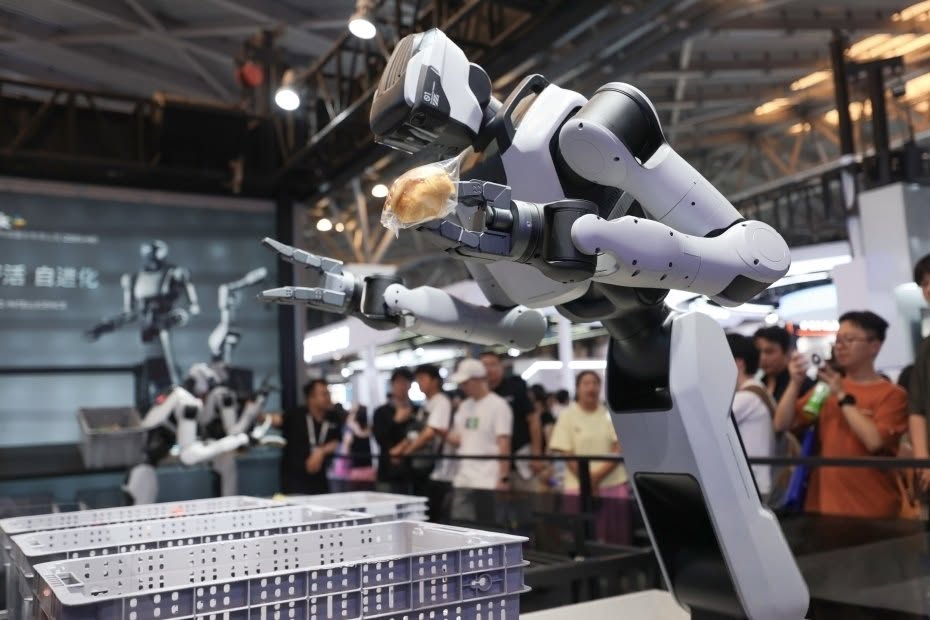
The age of robots is here, and the race to dominate the field is clearly led by America and China. Each country’s distinct advantages provide critical insights into the future of industry.
Fan Gaoyue, Guest Professor at Sichuan University, Former Chief Specialist at PLA Academy of Military Science
Aug 10, 2026
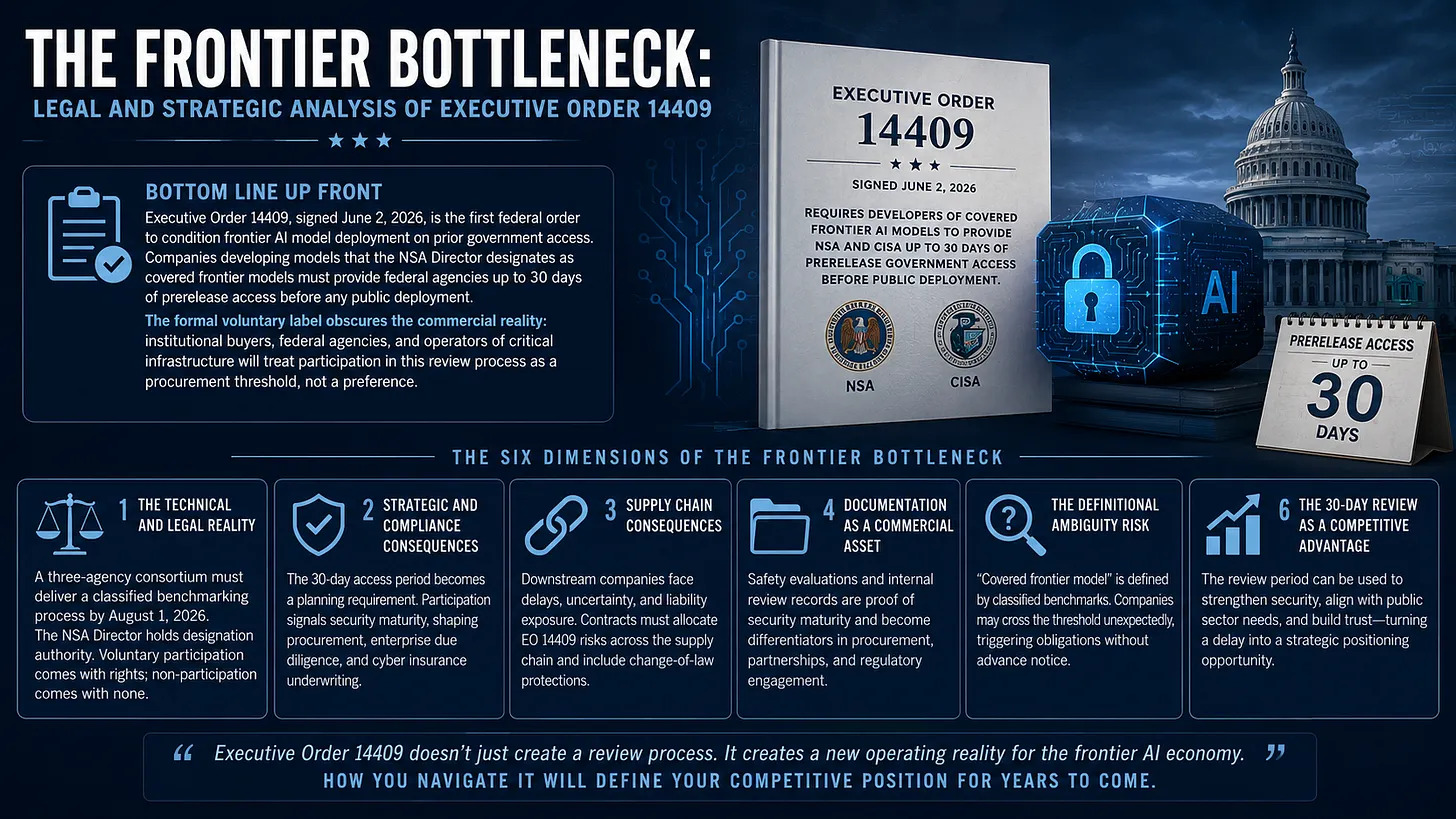
America’s Gold Eagle framework is fragmenting global technology, accelerating the securitization of AI and pushing the world closer to a new kind of technological cold war—one that threatens to make AI a source of permanent global conflict rather than a shared tool for collective progress.
Wang Dong, Professor and Executive Director of Institute for Global Cooperation and Understanding, Peking University
Zhang Xueyu, Research Assistant, Institute for Global Cooperation and Understanding at Peking University
Aug 07, 2026
Competitiveness in artificial intelligence is no longer defined solely by breakthroughs in individual technologies. Instead, it increasingly stems from a self-reinforcing system in which technological innovation, industrial deployment and governance reinforce one another, creating durable systemic capabilities.
Sun Chenghao, Fellow, Center for International Security and Strategy of Tsinghua University; Munich Young Leader 2025
Aug 07, 2026
Britain may not become a third AI superpower alongside China and the United States, but it is well positioned to serve as an important bridge across different governance frameworks.
Li Yan,, Director of Institute of Sci-Tech and Cyber Security Studies, China Institutes of Contemporary International Relations
Jul 27, 2026
Competition in artificial intelligence is a contest across the entire industrial value chain. Only by advancing open innovation, ensuring security and trust, promoting inclusive development and strengthening global governance can AI contribute to shared global prosperity.

Jade Wong, Senior Fellow, Gordon & Leon Institute
Jul 24, 2026
The recent G7 and NATO summits suggest that Europe is seeking not only to retain the initiative in shaping regional security but also to play a more active role in building an improved international order. In doing so, it has absorbed elements of Donald Trump’s transactional diplomacy.

Yang Wang, Vice-President and Pro-Vice-Chancellor (Institutional Advancement), HKU
Brian Wong, Assistant Professor in Philosophy and Fellow at Centre on Contemporary China and the World, HKU and Rhodes Scholar
Jul 17, 2026
Artificial intelligence is becoming a new arms race, and to avoid repeating the mistakes of the past perhaps a drastic unification of competing models could prevent catastrophe.
Xiao Bin, Deputy Secretary-general, Center for Shanghai Cooperation Organization Studies, Chinese Association of Social Sciences
Jul 17, 2026
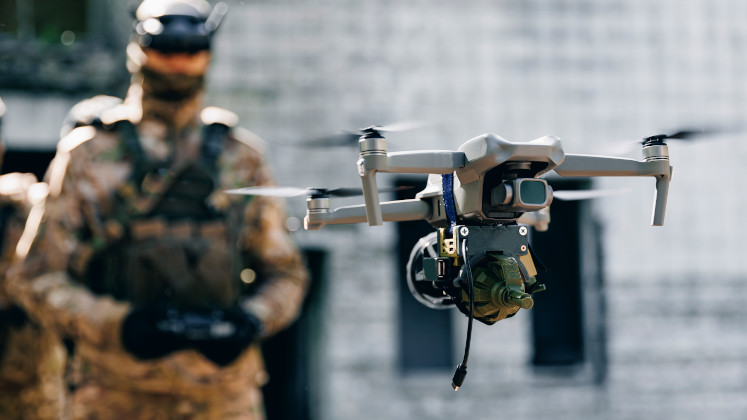
The focus of the Russia-Ukraine war is shifting from front-line engagements to deep-strike operations, while the central arena of competition is increasingly defined by each side’s capacity to sustain the war effort. In this evolving landscape, drones have emerged as a pivotal force.
Warwick Powell, Adjunct Professor at Queensland University of Technology
Jul 10, 2026
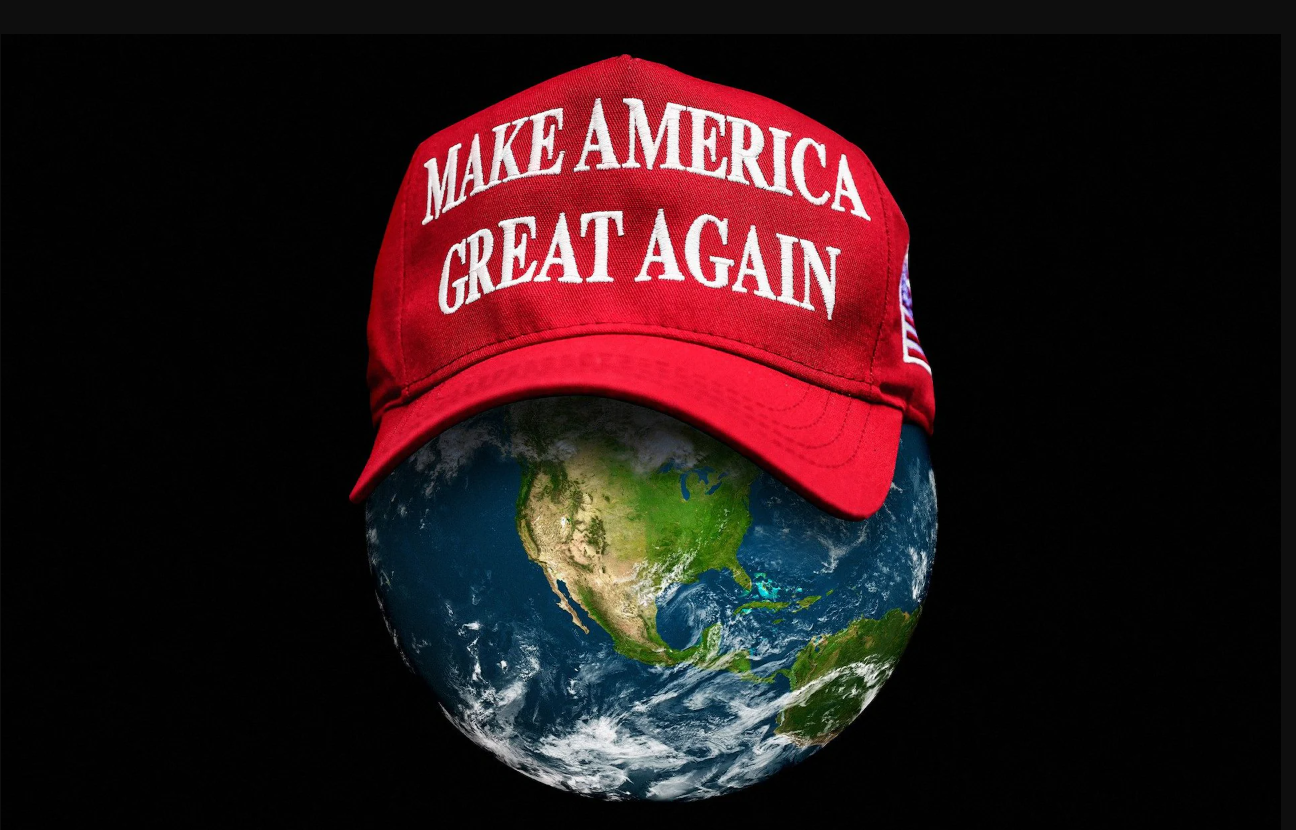
The Gap Between Ambition and CapabilityThe United States remains committed to global primacy. That’s been a longstanding ambition that cuts across party l
Back to Top

- China-US Focus builds trust and understanding between the U.S. and China through open dialogue among thought leaders.