
Zhao Minghao, Professor, Institute of International Studies at Fudan University, and China Forum Expert
Oct 16, 2026
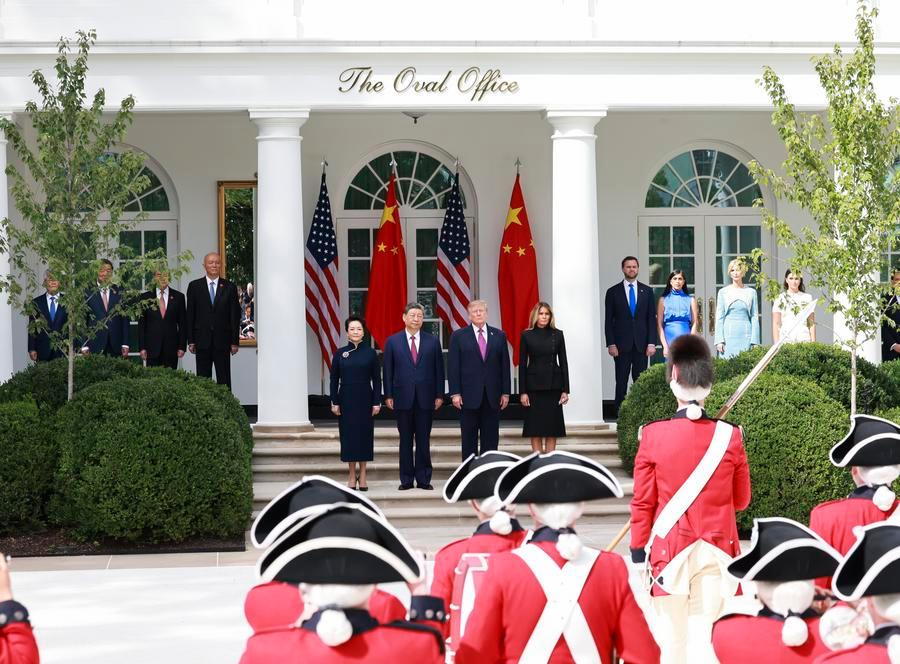
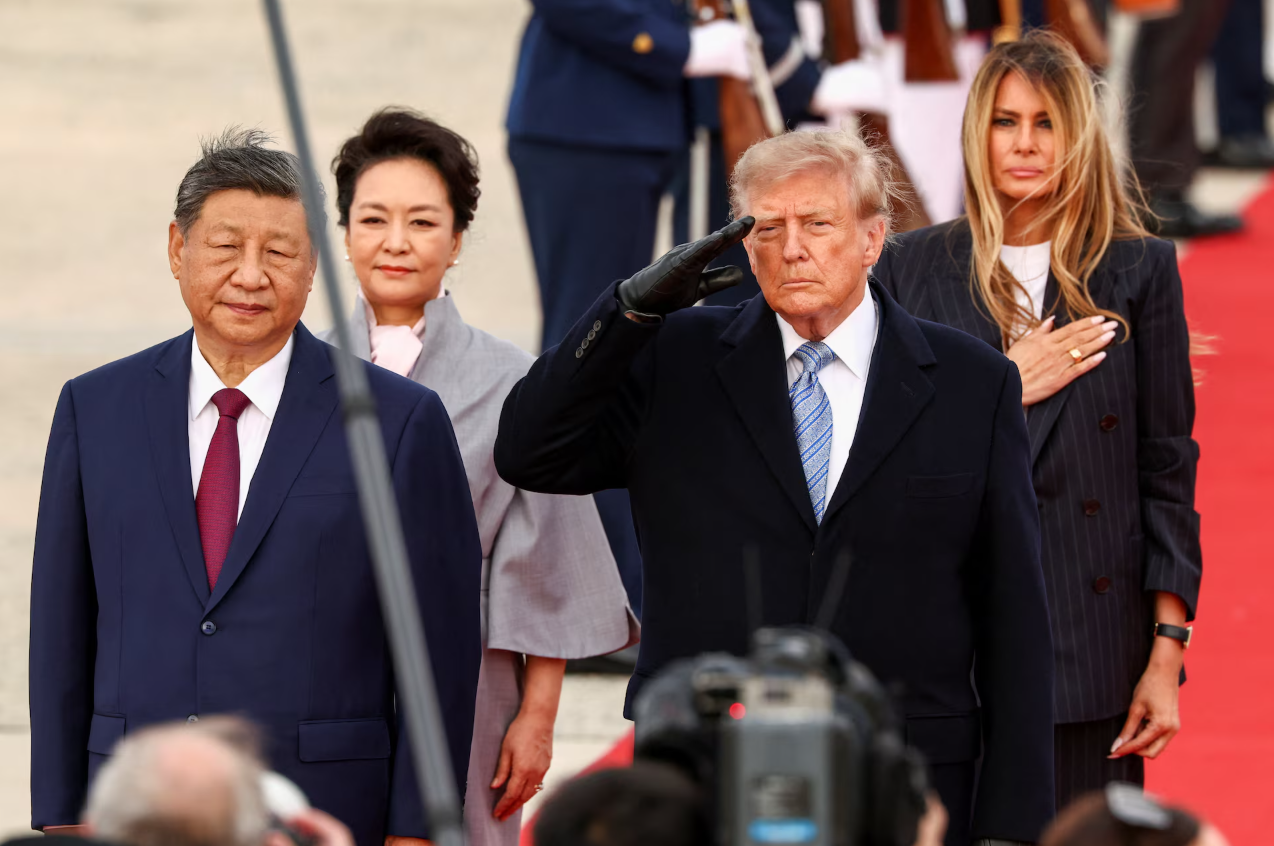
At the recent summit between US President Donald Trump and Chinese President Xi Jinping, China’s primary objective was to prevent tensions from escalating further. From that perspective, it was largely successful.

Warwick Powell, Adjunct Professor at Queensland University of Technology
Oct 13, 2026
The recent Xi-Trump summit produced a modest but telling outcome on artificial intelligence. An agreement was arrived at to establish a bilateral communication channel for AI-related incidents, with further dialogue scheduled.
Sujit Kumar Datta, Professor, Department of International Relations, University of Chittagong, Bangladesh
Sep 30, 2026
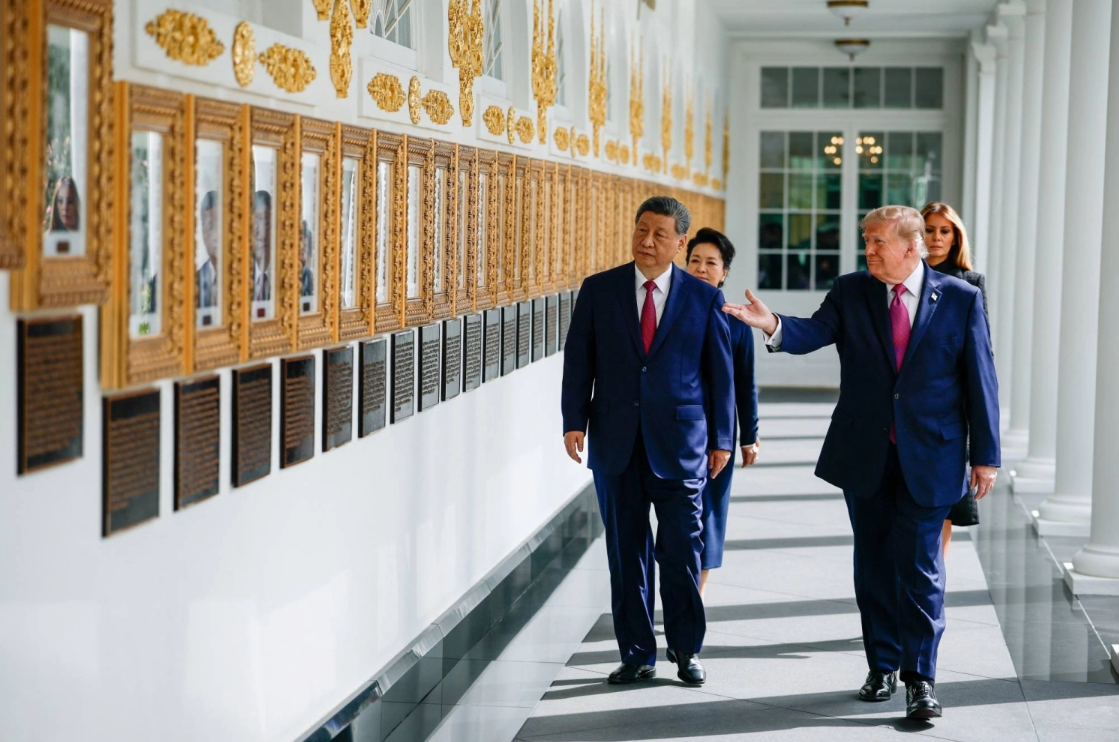
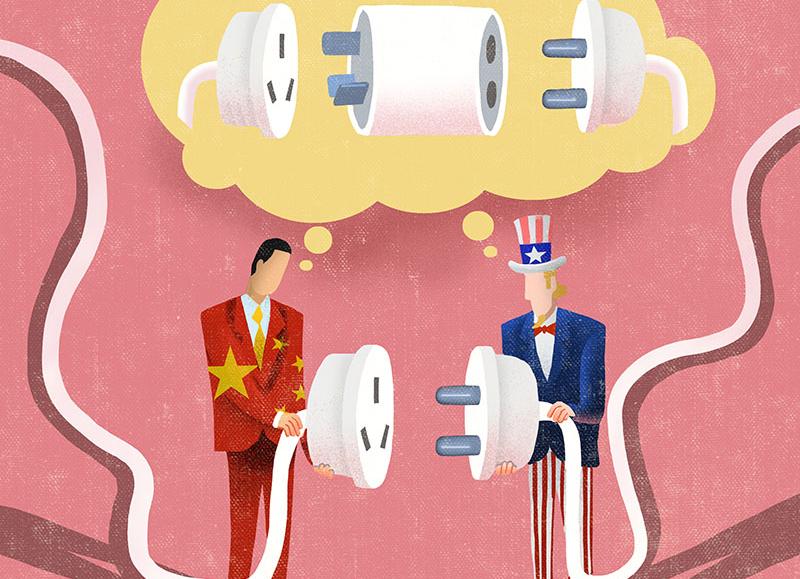
The summit showed that differences can be bridged on competitive issues such as AI governance, trade stability, climate change, public health and transnational crime. That that bridge can model ways of working together that can help solve other problems.
Sun Chenghao, Fellow, Center for International Security and Strategy of Tsinghua University; Munich Young Leader 2025
Sep 30, 2026
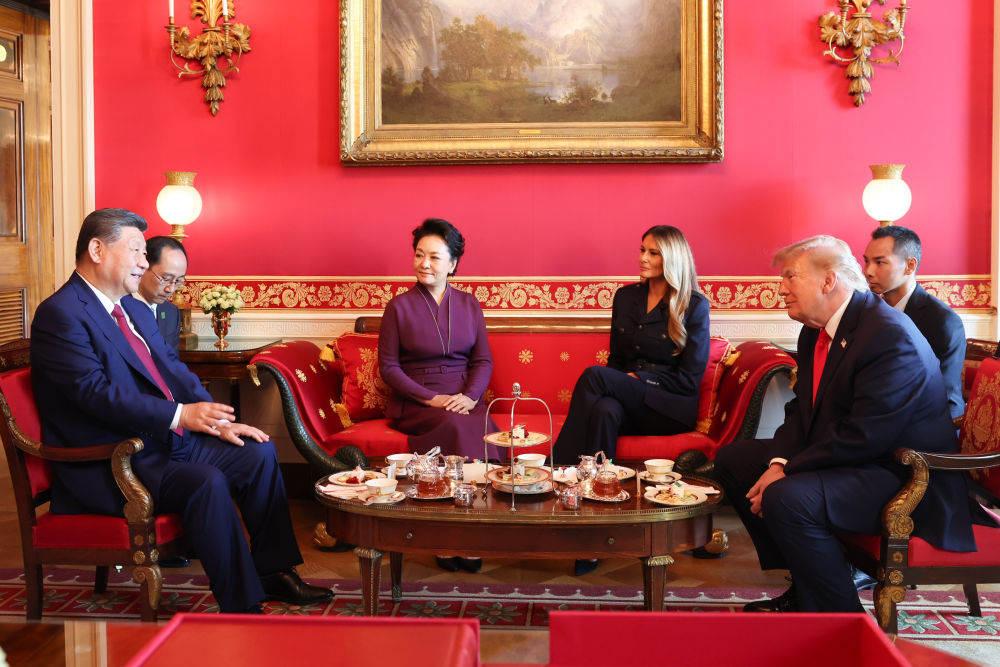
At the Washington summit it was more than obvious that China-U.S. cooperation is essential and must continue despite any potholes in the road. Neither country, nor the world, can afford to have the wheels come off.
David Shambaugh, Gaston Sigur Professor of Asian Studies, Political Science, and International Relations; Director of China Policy Program, George Washington University
Sep 28, 2026
The May and September reciprocal state visits by U.S. President Donald Trump and China’s President Xi Jinping have seemingly succeeded in cementing warm personal ties between the two leaders while stabilizing an unstable U.S.-China relationship. Historians may look back on these twin summits as perhaps a turning point following a decade of tumult and steadily intensifying competition between the two powers. While the two summits have succeeded in warming the atmosphere, there remains much substantive and institutional work to do.
S. Alex Yang, Professor of Management Science and Operations, London Business School
Angela Huyue Zhang, Professor of Law, University of Southern California
Sep 24, 2026
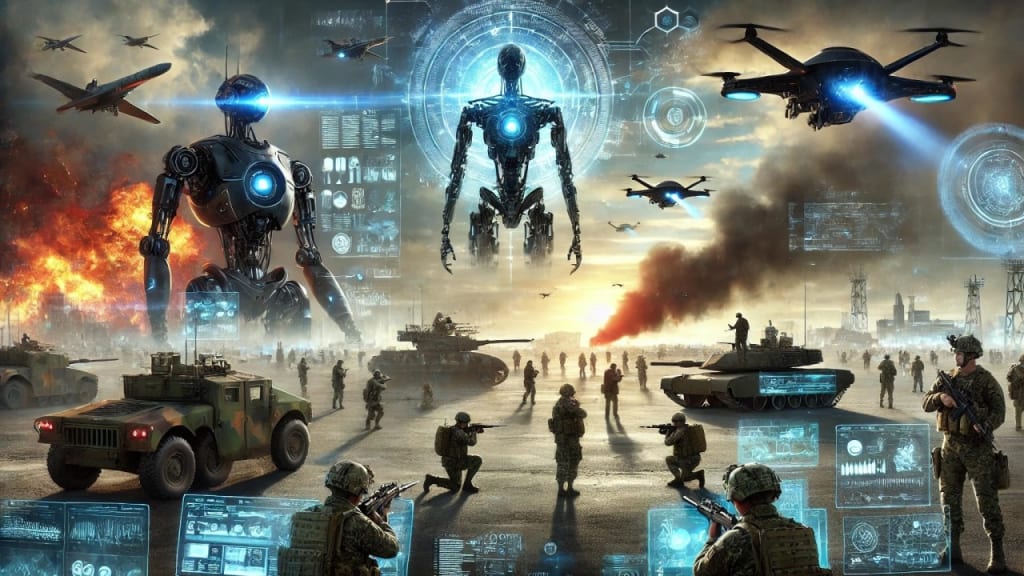
When President Donald Trump and Chinese President Xi Jinping meet in Washington this week, AI governance is expected to be at the top of the agenda. The United States and China have been racing to develop increasingly powerful AI systems, and neither has shown much appetite for slowing down. But not even the winner of the AI race will be exempt from the profound risks the technology poses.
Zhao Minghao, Professor, Institute of International Studies at Fudan University, and China Forum Expert
Sep 22, 2026
The challenges posed by the development of artificial intelligence are no longer hypothetical. They are already a reality. Viewing AI solely through the lens of competition could cause China and the United States to miss opportunities to coordinate and address shared risks.
Richard Weitz, Senior Fellow, Hudson Institute
Sep 18, 2026
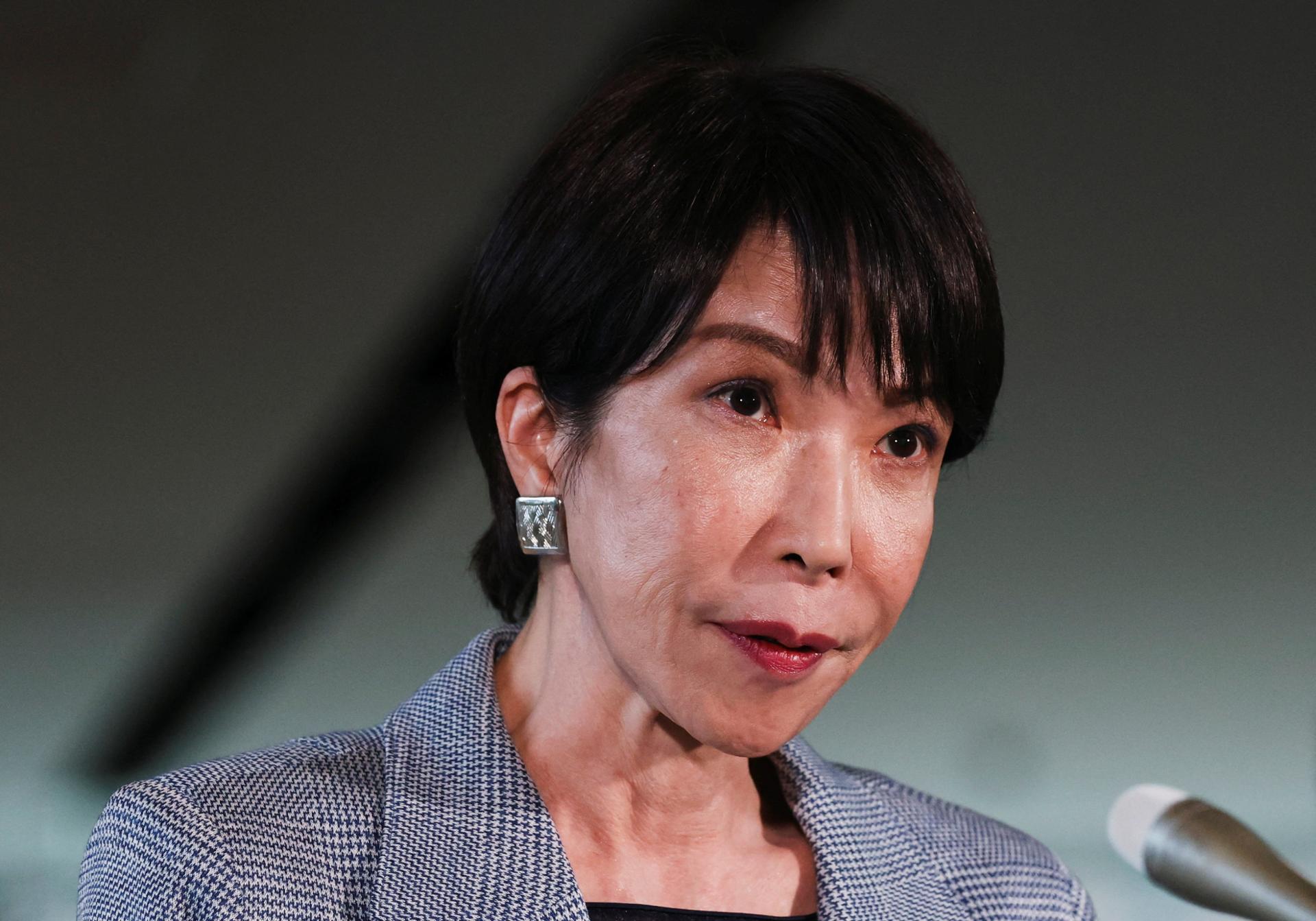
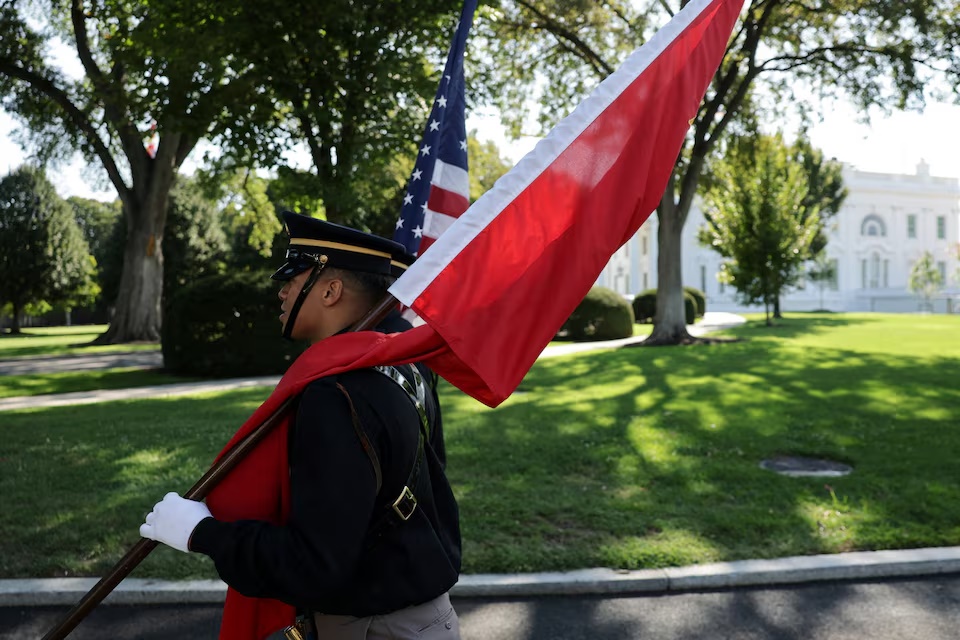
The United States needs to demonstrate solidarity with Japan as it faces concurrent challenges from China, Russia, and North Korea.
Brian Wong, Assistant Professor in Philosophy and Fellow at Centre on Contemporary China and the World, HKU and Rhodes Scholar
Sep 18, 2026
The upcoming Xi-Trump summit could yield progress on trade, AI and other areas, but deeper tensions will remain. Its significance may ultimately lie in three areas: stabilization, substance and symbolism.
Fu Suixin, Assistant Researcher at Institute of American Studies, Chinese Academy of Social Sciences
Sep 18, 2026
The relationship is likely to remain characterized by the dynamics of cooperation and competition—with friction and coordination coexisting for the foreseeable future. The primary role for heads of state will not be to produce dramatic breakthroughs but rather to build trust.
Back to Top

- China-US Focus builds trust and understanding between the U.S. and China through open dialogue among thought leaders.