
Dear Focus Reader,
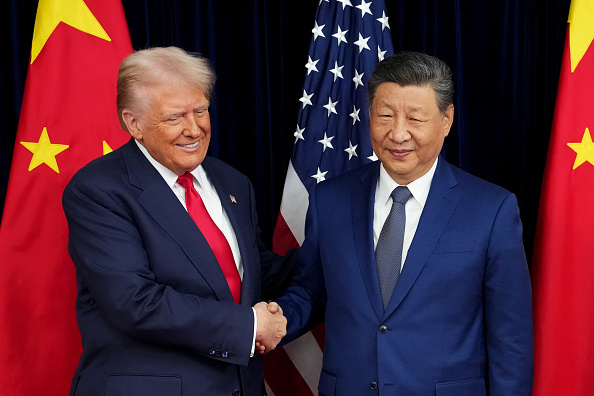
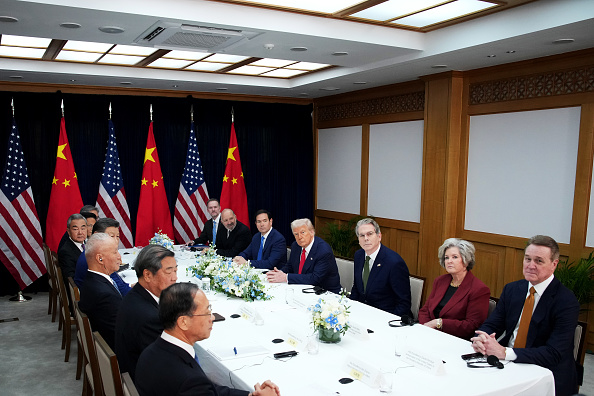
Last week's meeting between Presidents Trump and Xi in Busan illustrated the delicate balance both sides are pursuing: reducing tensions in trade and technology while contending with enduring economic and regional rivalries.
As part of the deal to reduce tensions, the U.S. paused port fees and crane tariffs on China-linked vessels for one year, providing roughly $3.2 billion in relief. The move has coincided with limited Chinese purchases of U.S. farm goods, including wheat, though some retaliatory tariffs, such as the 13% duty on soybeans, remain in place. Both sides have also proposed fresh negotiations on shipbuilding and maritime logistics, signaling a willingness to manage tensions around structural trade issues. And despite the recent tariff truce, Chinese exports fell for the first time in nearly two years as global demand softened.
China also took a major step in its naval modernization, recently commissioning the Fujian, its largest and most advanced domestically built aircraft carrier. The vessel features an electromagnetic catapult system and new carrier-based jets, enhancing China's operational reach across the Pacific and drawing close attention from regional neighbors. Analysts note that the carrier could play a key role in regional contingencies, including Taiwan.
Meanwhile, technology remains a key area of U.S.–China engagement. Beijing has directed state-funded data centers to rely on domestically produced AI chips, while Washington eased certain export restrictions under the Busan deal. Even amid a trade thaw, these developments underscore that technological competition continues to shape the relationship.
Learn more on international relations by catching up on our latest Focus content, including topics on U.S.-China diplomatic relations, global governance, and more.

"China's ambiguity is not a passing phase but a strategic method – one that enables Beijing to expand influence while minimizing risks."
The total investment Japan plans to make in the United States, equivalent to 40 percent of its foreign exchange reserves, underscoring the scale of the U.S.-Japan alliance under Prime Minister Takaichi and President Trump.
Learn more in "New Shifts in China-Japan-U.S. Relations," by Zhang Yun, Professor at the School of International Relations, Nanjing University.
Chef Ken Hom's Quick-Fire Answers | Tasmin Little
Watch VideoIn this episode of The China Current, Culture Contributor Tasmin Little speaks with Chef Ken Hom, who reflects on authenticity, the essence of Chinese cuisine, and the most comforting foods to enjoy.
Question of the Week:
In our Focus Insights section, we featured an article by George Washington University Professor David Shambaugh, where he examines the first in-person meeting between Presidents Trump and Xi in six years.
We want to hear from you!
How could the temporary rollback of tariffs and reciprocal visits agreed for 2026 shape the future of U.S.-China trade, technology, and broader geopolitical relations?
Submit your thoughts to USeditor@chinausfocus.com for a chance to be featured in next week's Focus This Week.
useditor@chinausfocus.com for more info.
Powered by
Prepared by China-US Focus editorial teams in Hong Kong and New York, this weekly newsletter offers you snap shots of latest trends and developments emerging from China and the U.S. every week. It is a community space to exchange thoughts and ideas about the China-U.S. relationship and beyond.
- 2025-10-31 Focus This Week: A "12 out of 10" Meeting
- 2025-10-24 Focus This Week: Staying "On Track"
- 2025-10-17 Focus This Week: Trade Strains, Policy Plans
- 2025-10-10 Focus This Week: Tariff Tensions, Rattled Markets
- 2025-10-03 Focus This Week: Shutdown Diplomacy
- 2025-09-26 Focus This Week: Turning Up the Heat
- 2025-09-19 Focus This Week: TikTok on the Table
- 2025-09-12 Focus This Week: A New Shift?
- 2025-09-05 Focus This Week: Parade of Power
- 2025-08-28 Focus This Week: Global Dialogue in Motion
- 2025-08-22 Focus This Week: Resetting Ties
- 2025-08-15 Focus This Week: Anchorage Ascends?
- 2025-08-08 Focus This Week: A Trump-Putin Summit?
- 2025-08-01 Focus This Week: New Negotiations
- 2025-07-25 Focus This Week: 50 Years of EU-China Diplomatic Ties
- 2025-07-18 Focus This Week: Deeper Ties
- 2025-07-11 Focus This Week: Cautious Contact
- 2025-06-27 Focus This Week: Restored Access
- 2025-06-20 Focus This Week: Escalation and Restraint
- 2025-06-13 Focus This Week: A Trade Reset?
