
Dear Focus Reader,
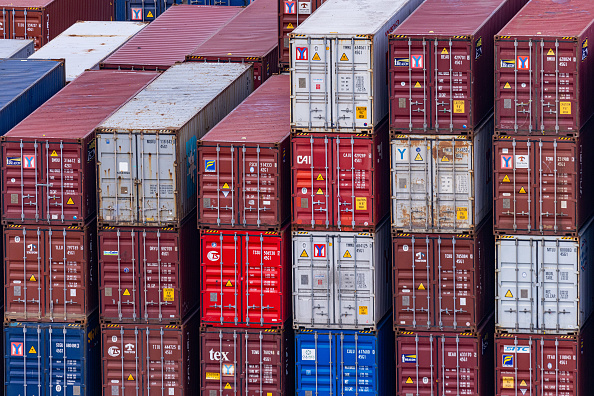
This week, Chinese state-owned trading firms purchased a total of 18 to 23 cargoes of U.S. soybeans, including an additional 10 to 13 cargoes in the latest round of deals, the second-largest batch of the week. The purchases mark the first such deals since the September summit between Presidents Donald Trump and Xi Jinping in Washington. The shipments, scheduled to begin in December, come as China works toward a previously announced target of purchasing 25 million metric tons of U.S. soybeans during the 2026-27 marketing year.
The purchases follow a weeks-long pause in buying and come despite soybeans being excluded from the tariff reductions announced after the summit. U.S. soybeans remain subject to an additional 10% Chinese tariff, which has discouraged private Chinese buyers from returning to the American market in favor of South American suppliers. The purchases precede another expected Trump-Xi meeting in November, with China's progress toward its agricultural purchasing commitments likely to remain under scrutiny.
Meanwhile, China and North Korea officially opened the long-anticipated New Yalu River Bridge, connecting the Chinese city of Dandong with Sinuiju in North Korea. Completed in 2014, the four-lane bridge had remained unused for 12 years as North Korea delayed construction of its connecting roads and customs facilities. Chinese Premier Li Qiang and North Korean Premier Pak Thae-song addressed the opening ceremony by video, with Li saying the crossing would "strongly promote" bilateral trade and economic cooperation.
The opening follows a June summit between Xi Jinping and North Korean leader Kim Jong-un and could expand cross-border commerce, although UN sanctions continue to restrict trade with North Korea and raise questions about how increased commercial traffic will be monitored.
Learn more on international relations by exploring our latest Focus content, including topics on artificial intelligence, global trade, and more.

You're Still Digging? | Jack Mullinkosson
Watch VideoCommunity Connections
Question of the Week:
In our Focus Insights section, Christopher A. McNally examines how advances in AI and the rise of open-weight models are reshaping the U.S.-China technology rivalry.
We want to hear from you!
How can the U.S. and China manage AI competition while addressing the risks of increasingly capable technology?
Submit your thoughts to USeditor@chinausfocus.com for a chance to be featured in next week's Focus This Week.
useditor@chinausfocus.com for more info.
Powered by
Prepared by China-US Focus editorial teams in Hong Kong and New York, this weekly newsletter offers you snap shots of latest trends and developments emerging from China and the U.S. every week. It is a community space to exchange thoughts and ideas about the China-U.S. relationship and beyond.
- 2026-10-09 Focus This Week: The Tradeoffs Ahead
- 2026-10-02 Focus This Week: Taking the Next Steps
- 2026-09-25 Focus This Week: What Comes Next?
- 2026-09-21 Focus This Week: Ahead of the Summit
- 2026-09-11 Focus This Week: Remembering Tung Chee Hwa
- 2026-09-04 Focus This Week: New Alignments
- 2026-08-28 Focus This Week: Pressure Points
- 2026-08-21 Focus This Week: Shifting Grounds
- 2026-08-07 Focus This Week: Trade Holds Firm
- 2026-07-31 Focus This Week: Keeping Channels Open
- 2026-07-17 Focus This Week: Rising Friction
- 2026-07-10 Focus This Week: Strategic Signals
- 2026-06-26 Focus This Week: Bridging Dialogues
- 2026-06-18 Focus This Week: What's the Deal?
- 2026-06-12 Focus This Week: Strait Pressure
- 2026-05-29 Focus This Week: Ties and Tensions
- 2026-05-22 Focus This Week: The Aftermath
