An Gang, Adjunct Fellow, Center for International Security and Strategy, Tsinghua University
Apr 26, 2024
A victory by Donald Trump is an ugly prospect that most of the world shudders to contemplate. We’re not betting he’ll win in 2024 but are simply acknowledging that it’s possible and that instability is likely to follow. China cannot afford to wait until the last minute before taking action.
Gu Bin, China Forum expert at Tsinghua University, Associate Professor of Law at Beijing Foreign Studies University
Apr 25, 2024
The United States doesn’t hesitate to pressure countries and international organizations to side with it and to isolate Russia. However, it has been unable to persuade China to follow suit. Here’s why.
Han Liqun, Researcher, China Institutes of Contemporary International Relations
Apr 25, 2024
Washington’s strategic misunderstanding of China is a crucial reason, if not the primary one, behind the troubles in China-U.S. relations. Social changes and other factors have long affected Washington’s perceptions of China, and many of these arise from chronic issues in U.S. politics. Currently, at least five factors are at play.
Li Yan, Deputy Director of Institute of American Studies, China Institutes of Contemporary International Relations
Apr 25, 2024
The U.S. view of competition with China seems to boil down to different notions of what makes a good system of governance. In truth, however, the competition turns on fundamental national interests. By emphasizing ideology, the United States masks its pursuit of immediate interests and long-term dominance.
Warwick Powell, Adjunct Professor at Queensland University of Technology, Senior Fellow at Beijing Taihe Institute
Apr 25, 2024
The United States has intensified its efforts to assert or reclaim American Primacy in Asia. Assert if one holds the view that it still holds military preponderance; reclaim if one believes that it doesn’t. Through a series of so-called mini-lateral arrangements, the US has in recent years sought to enlist its Asia Pacific client states, former colonies and subimperial allies to anchor a 21st Century bulwark on the western edge of America’s Lake. The Quad, AUKUS and now the trilateral involving Japan and the Philippines form part of a lattice-like network, in all practical intents and purposes, aimed squarely at the containment of China.
Liu Chang, Assistant Research Fellow, Department for American Studies, CIIS
Apr 23, 2024
America is holding ASEAN countries back from a central role in its Indo-Pacific Strategy, but their self-confidence is growing. It’s not lost on anyone that Southeast Asia’s strategic position has not changed in the minds of U.S. decision-makers. Meanwhile, China offers welcome alternatives.
Yuan Sha, Associate Research Fellow, Department for American Studies, China Institute of International Studies
Apr 23, 2024
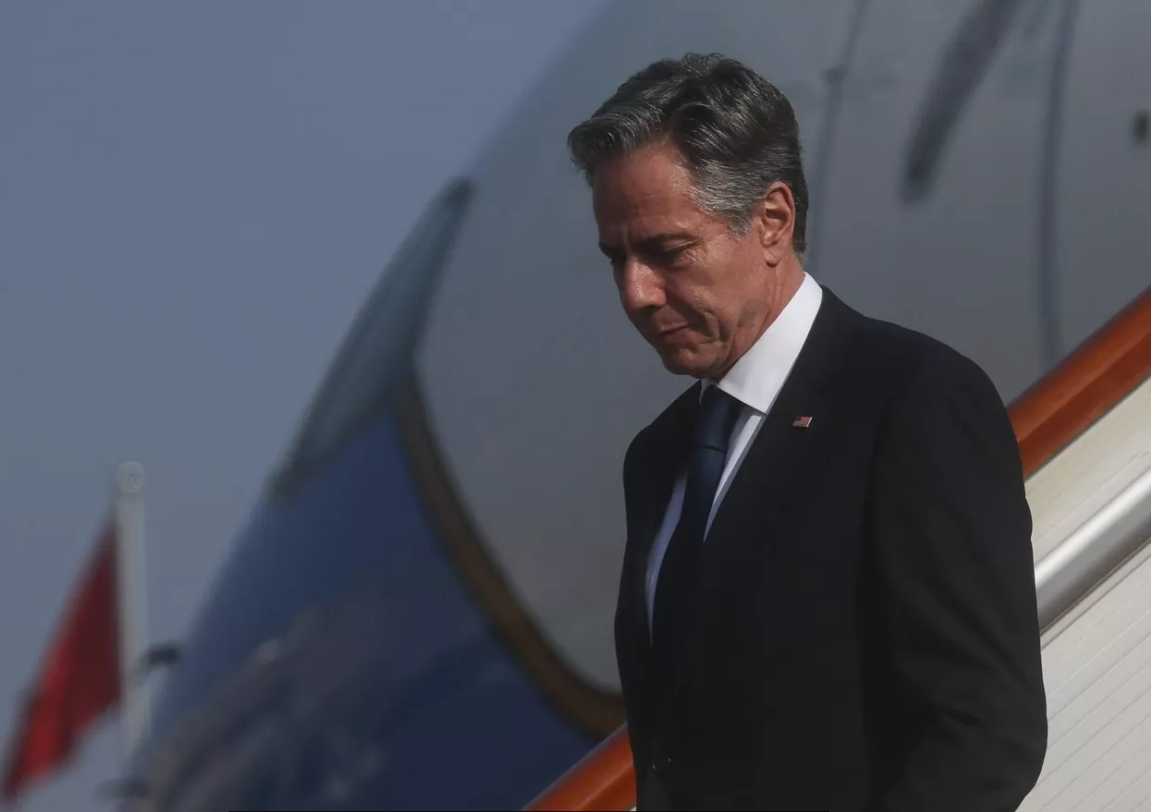
A floor needs to be established for bilateral interactions so that breakdowns can be avoided. In the post-Kissinger era, new interlocutors between Beijing and Washington are also needed — people who understand both countries and who can present creative ideas through safe channels.
Philip Cunningham, Independent Scholar
Apr 19, 2024
In early April, Presidents Joe Biden and Xi Jinping engaged in a phone call. While both sides have had differing takes on the same conversation, it’s undeniably beneficial for both leaders to engage in dialogue, particularly amidst tensions and significant areas of disagreement.
Brian Wong, Assistant Professor in Philosophy, HKU and Rhodes Scholar
Apr 19, 2024
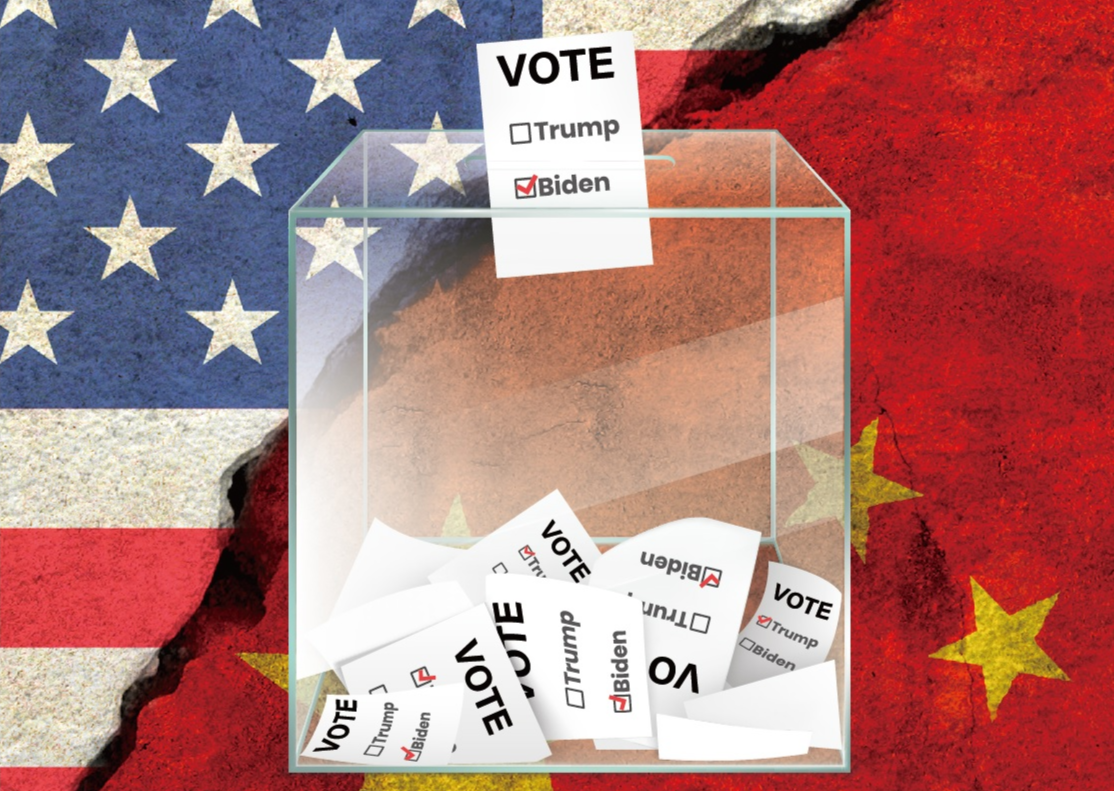
ASEAN’s future seems bright, and both the U.S. and China want to court the region’s nations into partnerships. Neither side holds a clear advantage, though that may change after the U.S. election this year.
Zhao Minghao, Professor, Institute of International Studies, Fudan University, and China Forum Expert.
Apr 19, 2024
As if things were not complicated enough before, the political campaign season in the U.S. is upon us, with all its expected anti-China rhetoric. The recent visit to China of U.S. Treasury Secretary Janet Yellen applied some needed salve. She made measurable progress through frank discussions.