Eric Harwit, Professor, University of Hawaii Asian Studies Program
Apr 19, 2024
As electric vehicle production ramps up in the 21st Century, a global assessment of the crucial battery production needed to sustain the industry’s growth reveals how the U.S. and China have brought their differences into this arena.
Doug Bandow, Senior Fellow, Cato Institute
Apr 19, 2024
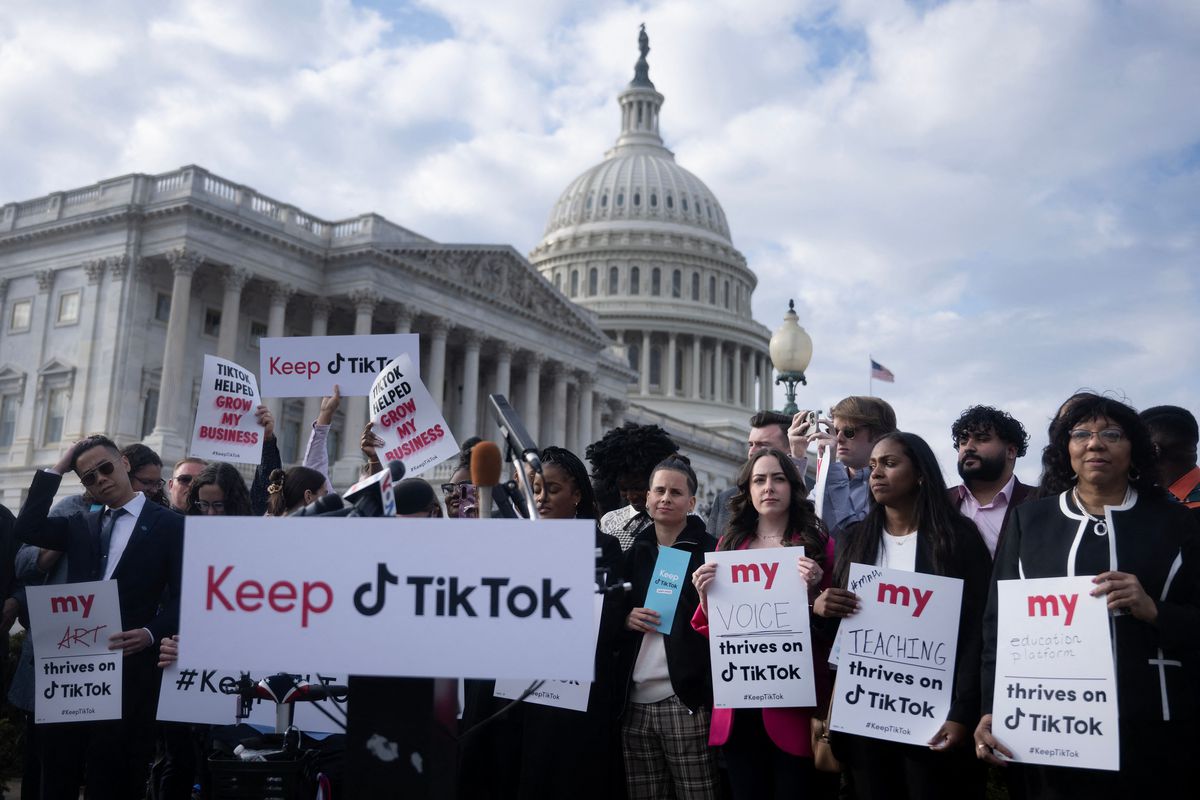
The proposed legislation to ban TikTok in the United States reflects unfounded fears of Chinese influence and undermines principles of free speech and digital competition. While concerns over data privacy and manipulation exist, banning TikTok is an overreach that could harm American businesses and international reputation without addressing more pressing issues.
He Weiwen, Senior Fellow, Center for China and Globalization, CCG
Apr 18, 2024
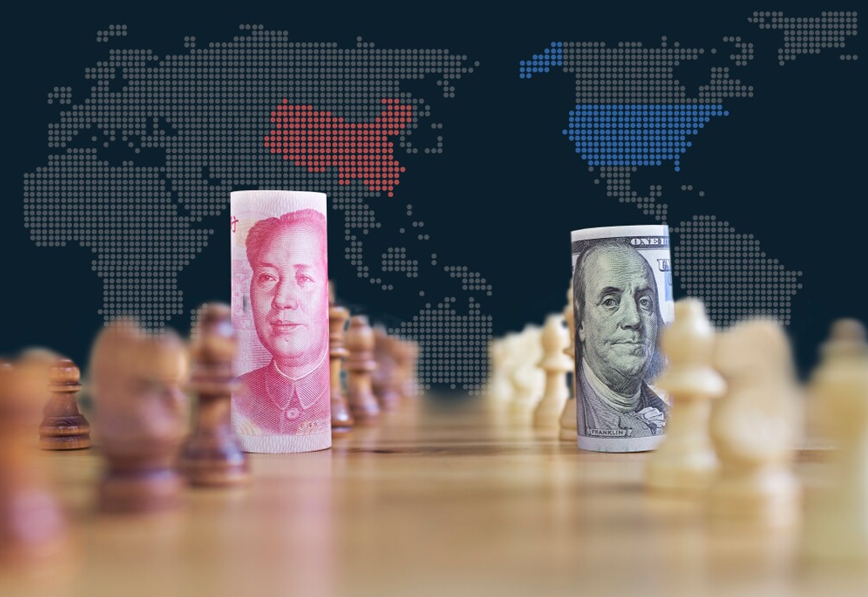
The short answer is yes, but they must be willing navigate their differences in constructive ways. A good playing field on which to start is new-energy vehicles. Joint efforts by major Chinese and American EV players could accelerate the industry in America and fuel exports to the rest of the world.
Xu Hongcai, Deputy Director, Economic Policy Commission
Apr 09, 2024
The Government Work Report has defined China’s policy goals and priorities for 2024. High-quality economic and social development beckons.
Vasilis Trigkas, Visiting Assistant Professor, Schwarzman College, Tsinghua University
Apr 05, 2024
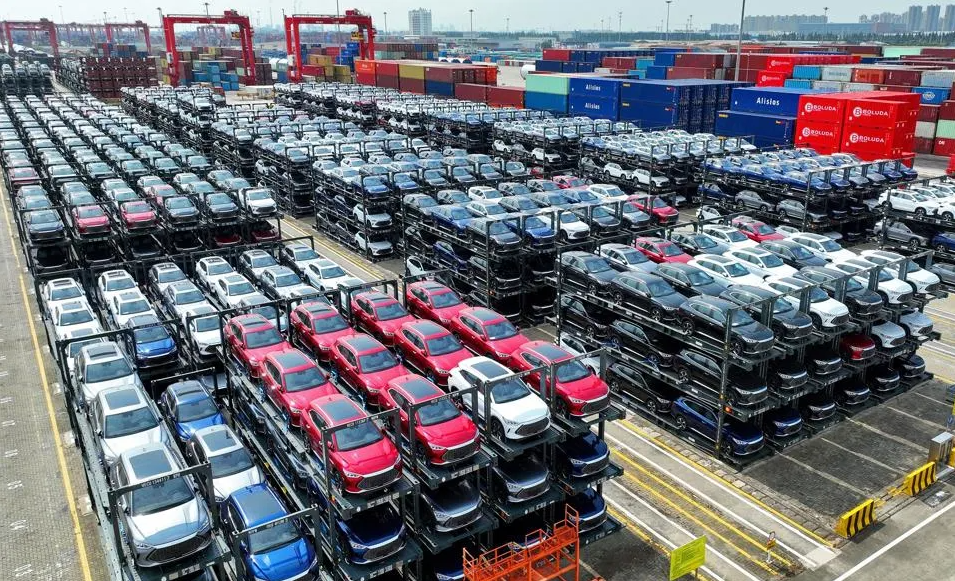
China's focus on electric vehicles (EVs) over internal combustion engine cars - the "Great Leapfrogging Forward” - has significantly reshaped the global industrial landscape to China's benefit. Recognizing and accurately assessing China's capabilities instead of propagating unfounded narratives about its imminent decline constitutes the foundational first step in competing effectively with China.
Lawrence Lau, Ralph and Claire Landau Professor of Economics, CUHK
Mar 29, 2024
IntroductionFor 2023, the Chinese Government’s target growth rate was 5%. The actual growth rate achieved was 5.2%. This must be considered a success, g
Zhang Yansheng, Chief Researcher, China Center for International Economic Exchanges
Mar 25, 2024
Contrary to recent forecasts by various international organizations, the author believes that China’s economy in 2024 will buck the trend and trace a new curve. Growth will reach upward toward 5 percent and beyond in 2025 as the country shakes off the lingering impact of COVID-19 and returns to an appropriate range.

He Weiwen, Senior Fellow, Center for China and Globalization, CCG
Mar 25, 2024
The only way to ensure more robust and sustainable growth is creating new patterns and new productive forces. Following the San Francisco Vision, the governments and business communities of both China and the United States should lose no time getting on board.
Myron Brilliant, Senior Counselor, Dentons Global Advisors-ASG
Mar 11, 2024
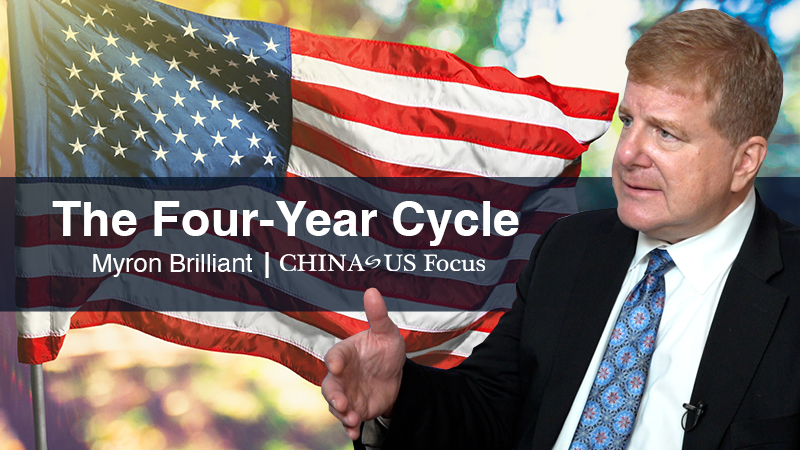
In this interview with China-US Focus, Myron Brilliant, senior counselor at Dentons Global Advisors-ASG, discusses ways to enhance economic stability and increa
Ma Xue, Associate Fellow, Institute of American Studies, China Institutes of Contemporary International Relations
Mar 08, 2024
While trying to protect domestic industries through government intervention, technological blockades and financial subsidies, Washington has lashed out at China’s “non-market policies,” which it claims are bad for domestic employment. Such rhetoric doesn’t help America’s international reputation.