Zhang Tuosheng, Principal Researcher at Grandview Institution, and Academic Committee Member of Center for International Security and Strategy at Tsinghua University
Apr 10, 2025
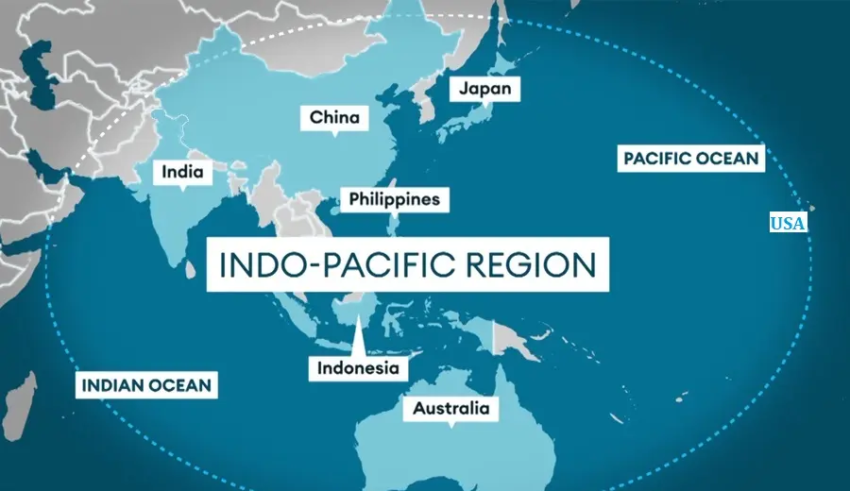
Here are some suggestions for promoting peace, stability and development in the Asia Pacific region. For starters, to avoid bloc politics and confrontation or even a new cold war in the Asia Pacific, China, the U.S., Russia, Japan and India should actively develop new dialogues and exchanges and build on existing ones.
Sun Chenghao, Fellow, Center for International Security and Strategy of Tsinghua University; Munich Young Leader 2025
May 30, 2023
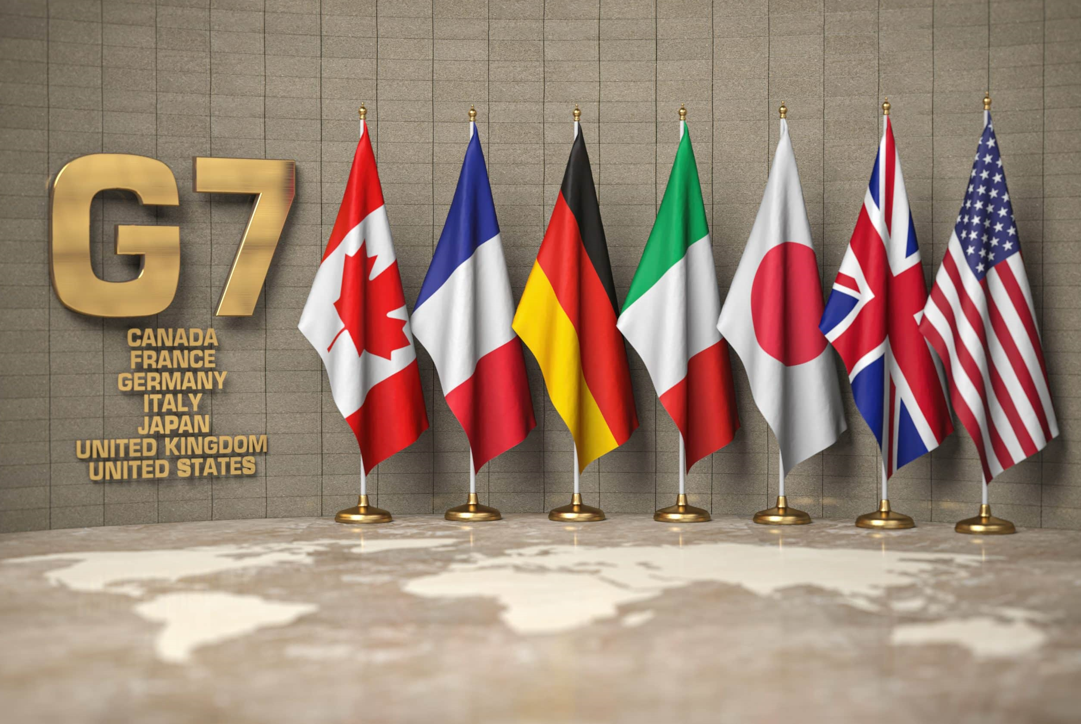
The summit did not alter the overall direction of the United States or its core group of allies. U.S.-led competition with China only entered a new phase. America’s objectives have not changed, although it now sees the need to make adjustments.
Chen Jimin, Guest Researcher, Center for Peace and Development Studies, China Association for International Friendly Contact
Feb 07, 2023
The shift has been limited so far, so China need not overreact. It should closely monitor where NATO is heading, however. The best way to deal with it is to run its own affairs well and buttress its ability to rise above external shocks and challenges.
Sajjad Ashraf, Former Adjunct Professor, National University of Singapore
Nov 09, 2022
The rapid decline in understanding between China and the U.S. has sparked concerns over the peaceful transition from one dominant power to the other.
Richard Javad Heydarian, Professorial Chairholder in Geopolitics, Polytechnic University of the Philippines
Oct 24, 2018
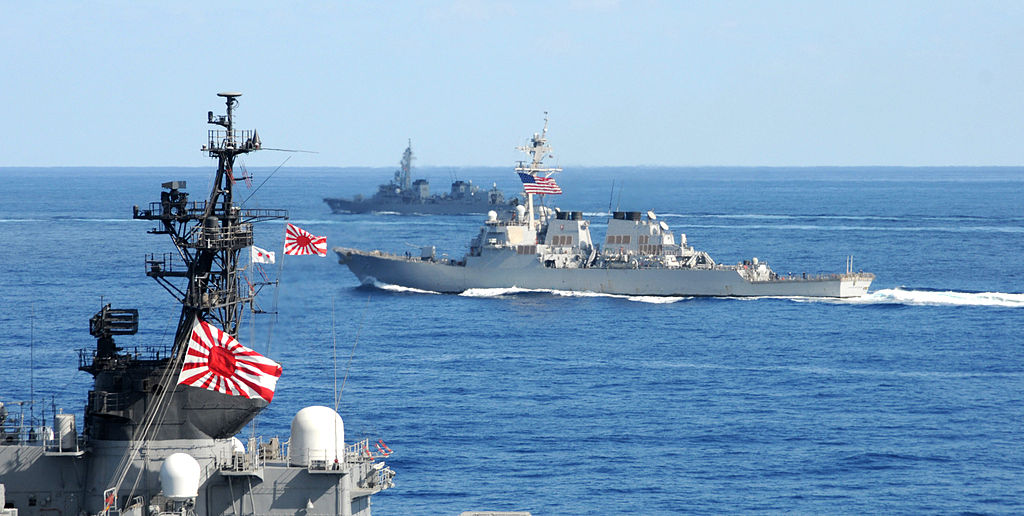
Amid American retrenchment and Chinese expansion in Asia, the middle powers of the region are moving to reshape the region in their own image.
Jake Sotiriadis, Air Force intelligence officer
Sep 04, 2018
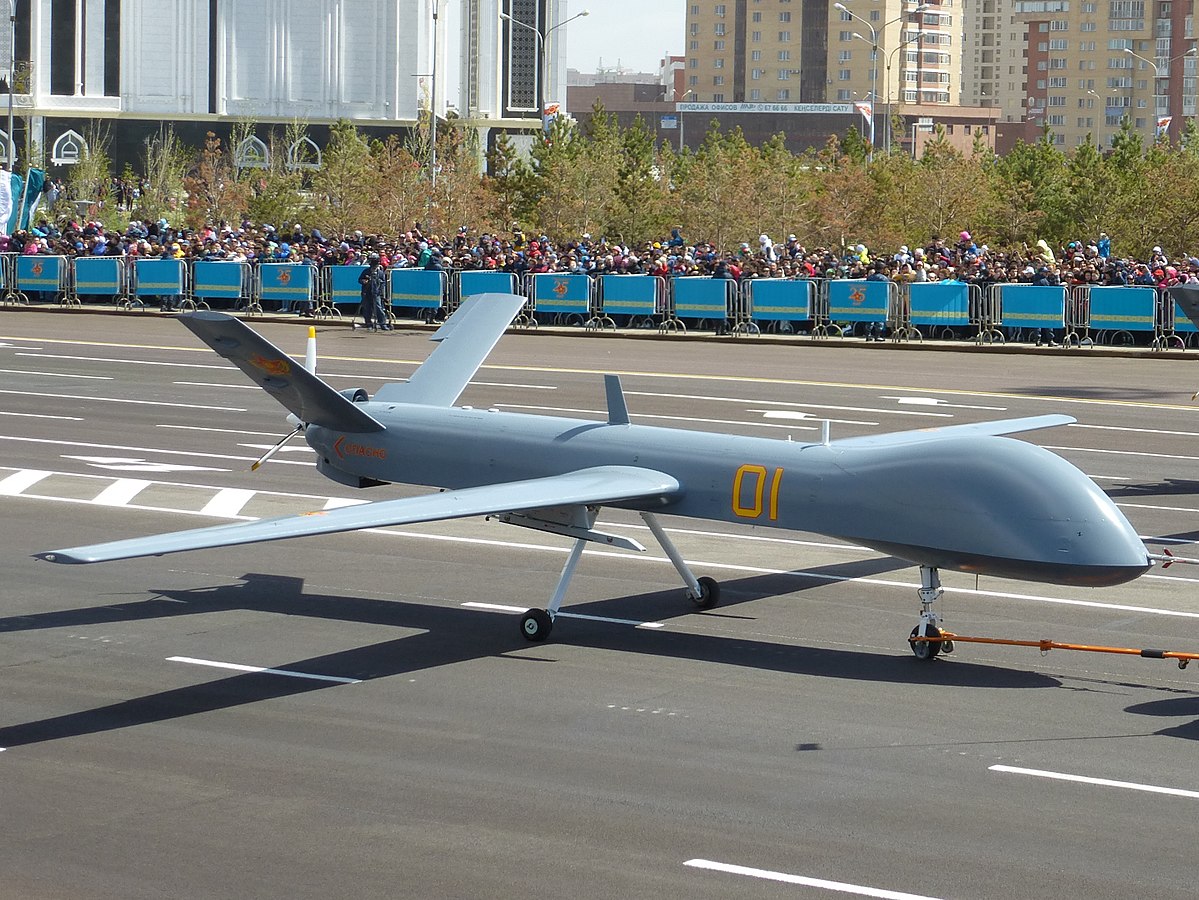
China is rapidly emerging as a major exporter of UAV (unmanned aerial vehicle) technology and is developing command, control, communications, and intelligence networks in order to employ these systems in a broader offensive capacity. The future weaponization of these systems and their subsequent employment in disputed areas such as the Diaoyu/Senkaku Islands carries significant implications.
Jake Sotiriadis, Air Force intelligence officer
Sep 04, 2018
China is rapidly emerging as a major exporter of UAV (unmanned aerial vehicle) technology and is developing command, control, communications, and intelligence networks in order to employ these systems in a broader offensive capacity. The future weaponization of these systems and their subsequent employment in disputed areas such as the Diaoyu/Senkaku Islands carries significant implications.
Jun 08, 2018
Move to stop accidental conflicts by air or sea is latest sign of warming relations.
Giulio Pugliese, King’s College London, War Studies
Mar 29, 2018
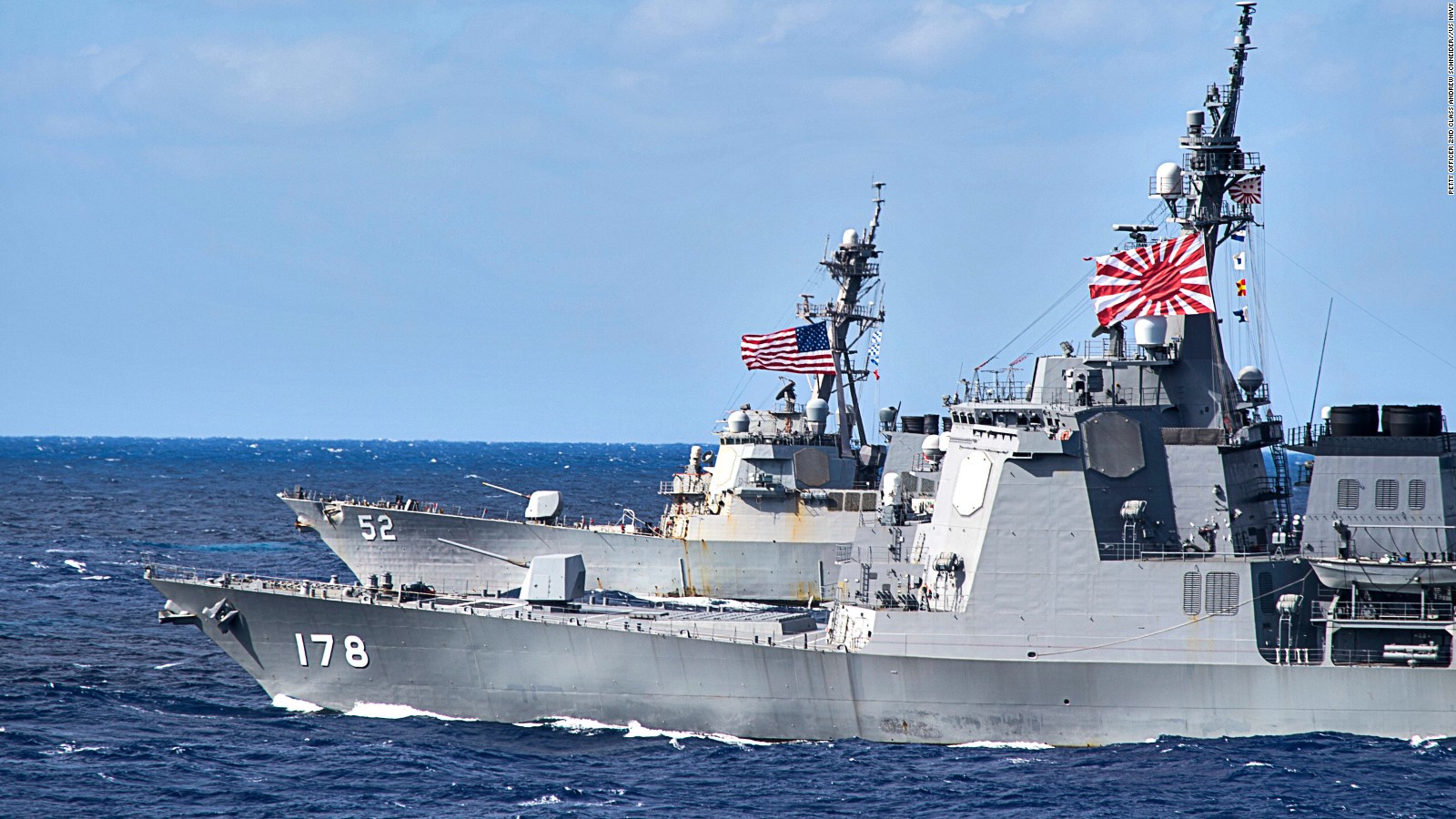
The “Free and Open Indo-Pacific” strategy is aimed at deterring Chinese coercion by deepening alliances and strategic partnerships. To this end, Japan has enhanced military cooperation with partners such as the United States and India to balance against Beijing’s more assertive foreign and security policy under Xi Jinping.
Jan 15, 2018
Japan’s defense minister criticized China on Monday for sailing an advanced stealthy nuclear submarine close to disputed islands claimed by Japan and China, saying the action had stoked tension.
Back to Top

- China-US Focus builds trust and understanding between the U.S. and China through open dialogue among thought leaders.