
Nancy Qian
Professor of Economics at Northwestern University, Founding Director of China Econ Lab
Oct 16, 2026
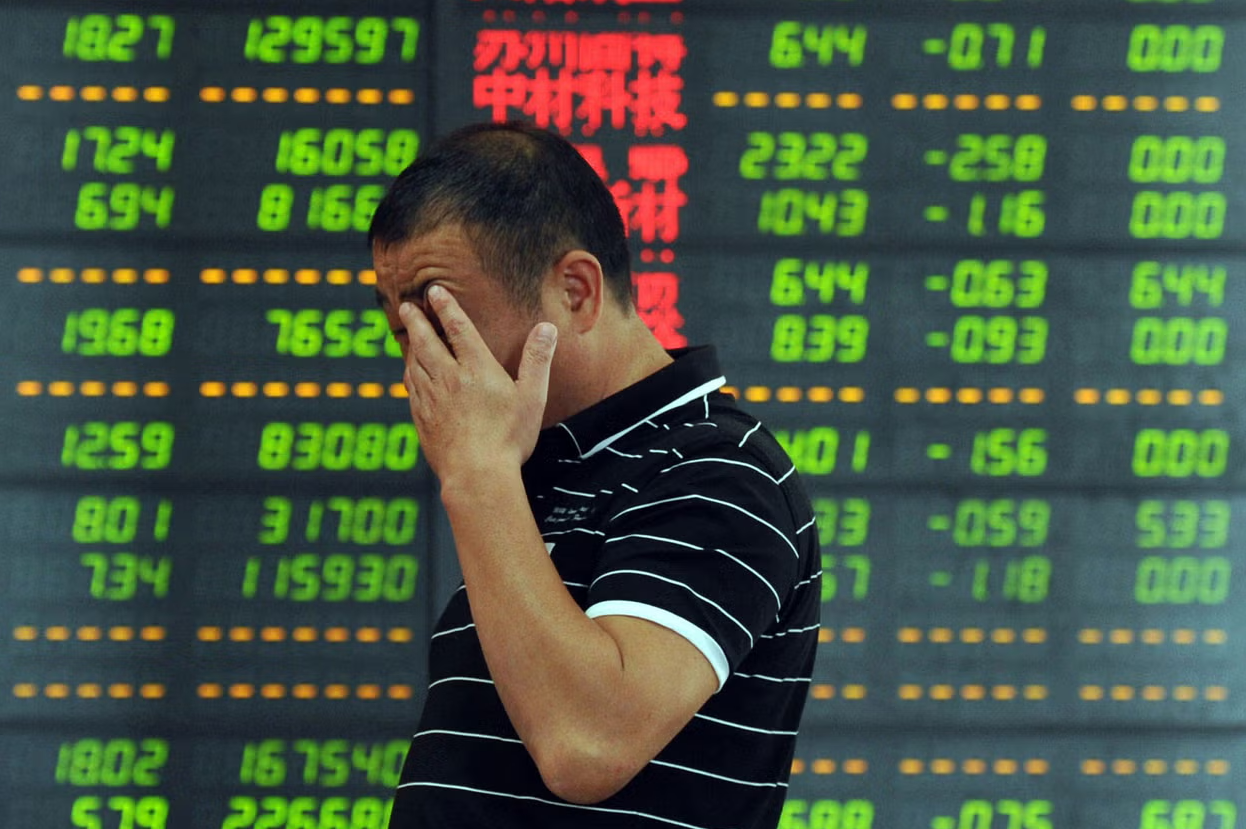
For most of the past four decades, China’s direction of travel was clear: everything was moving forward. The country’s per capita GDP was barely $300 at the start of the 1990s. But its cities would soon fill with skyscrapers, highways, and subways. Families that once worried about having enough food would buy apartments, cars, and smartphones. Children would go to universities their parents could scarcely have imagined attending. In the space of a generation, China joined the World Trade Organization, hosted the Olympics, built the world’s largest high-speed rail network, and became a central engine of the global economy.
Aug 07, 2026
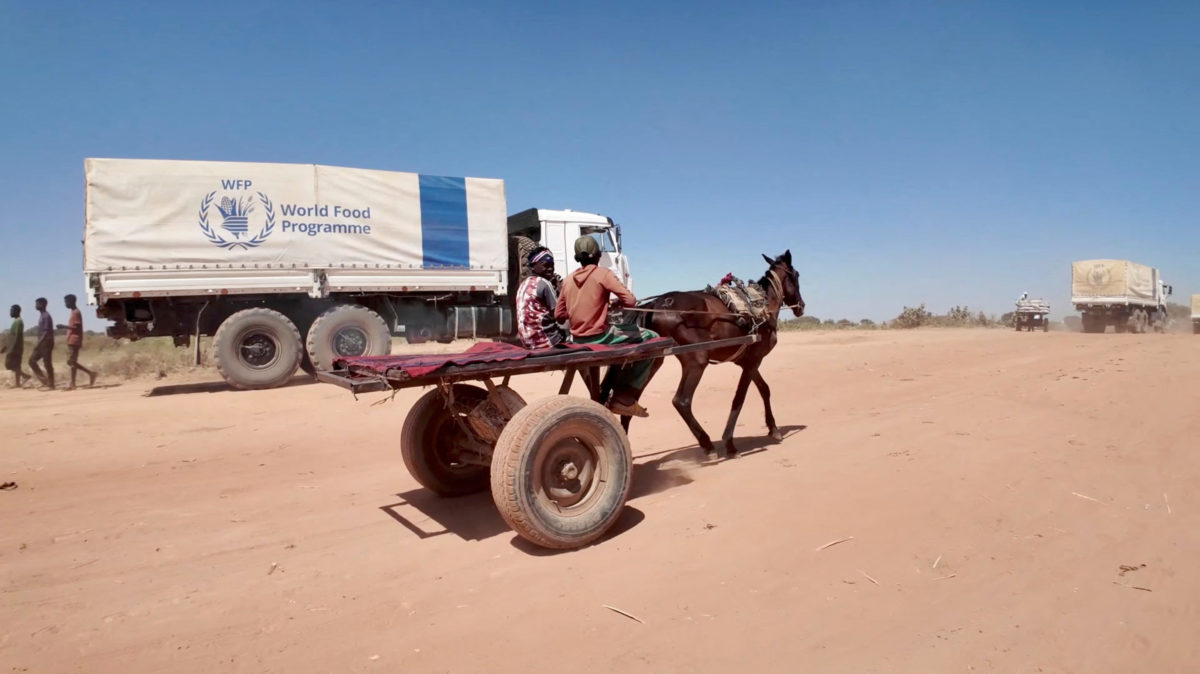
Foreign aid is shrinking, but it is not disappearing. Even after the sharpest annual decline on record, OECD donors still provided $174.3 billion in assistance in 2025. This includes $29 billion from the United States, despite the slashing of 83% of US Agency for International Development (USAID) programs by Donald Trump’s administration. Moreover, wars, epidemics, displacement, and geopolitical competition will ensure that rich countries continue to spend money abroad, whether for humanitarian reasons or in pursuit of their own interests.
Dec 09, 2025
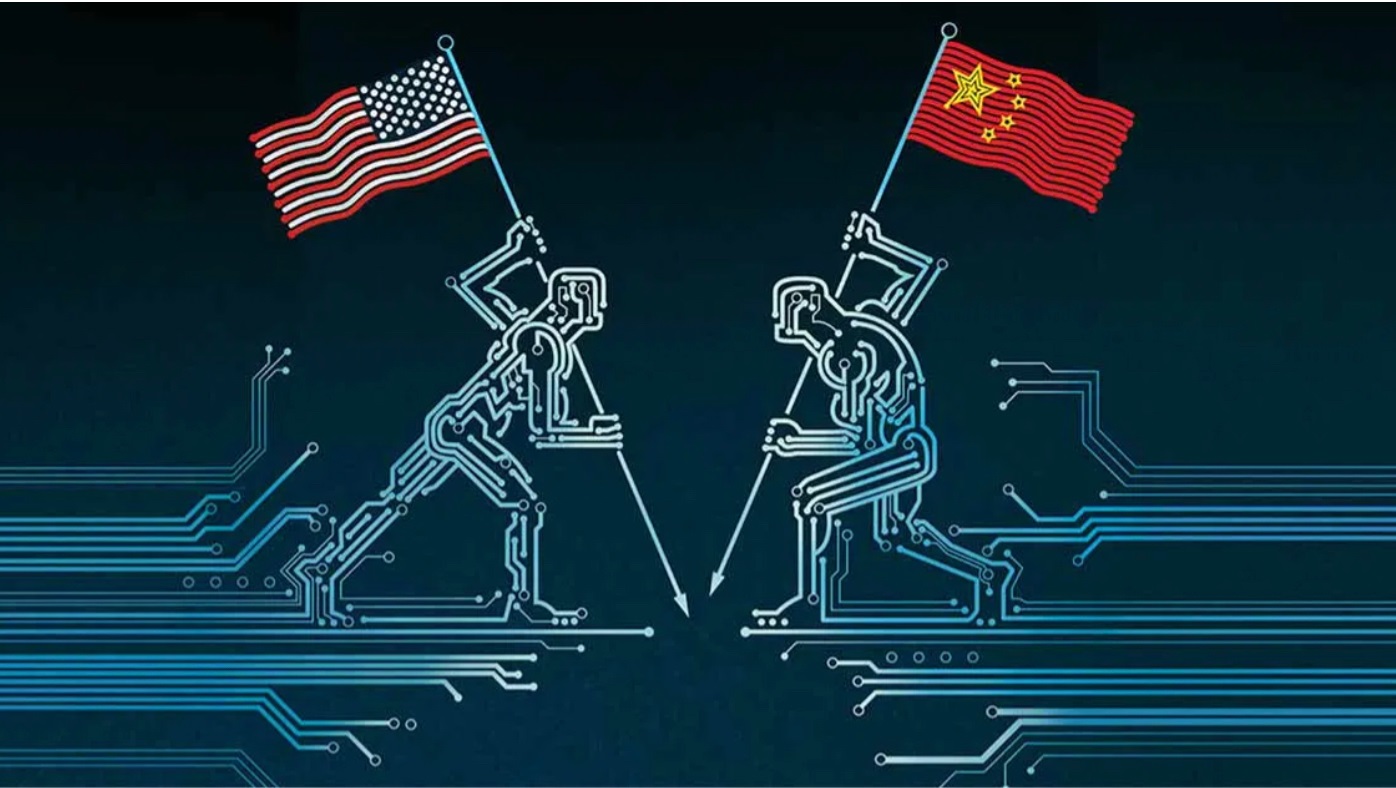
As geopolitical tensions rise, competition for the cutting-edge science and talent that underpins advanced technology has heated up. The United States, China, and other major powers now regard leadership in areas like AI, semiconductors, quantum technologies, and biotechnology as central to military capability, economic security, and ideological influence.
May 17, 2021
Economic reporting about China focuses far too much on total GDP and not enough on per capita GDP, which is the more revealing indicator. And this skewed coverage has important implications, because the two indicators paint significantly different pictures of China’s current economic and political situation. They also focus our attention on different issues.
