Han Liqun, Researcher, China Institutes of Contemporary International Relations
Aug 10, 2026
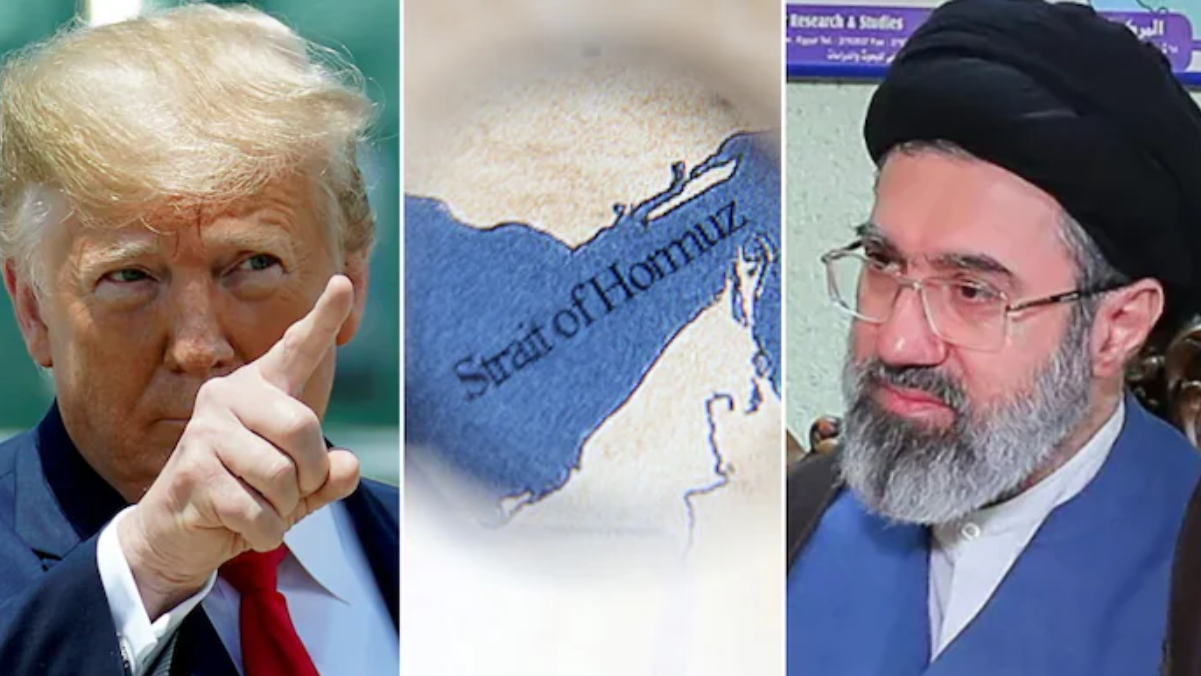
Given the overwhelming superiority of the American military, Washington could create the appearance of bringing Iran under control. Regardless how the conflict ultimately unfolds, however, the United States is unlikely ever to return to an era in which the Iran issue was manageable at a limited and predictable cost.
Warwick Powell, Adjunct Professor at Queensland University of Technology
Jul 10, 2026
The Gap Between Ambition and CapabilityThe United States remains committed to global primacy. That’s been a longstanding ambition that cuts across party l
Shang-Jin Wei, Professor, Finance and Economics at Columbia University
Jul 08, 2026
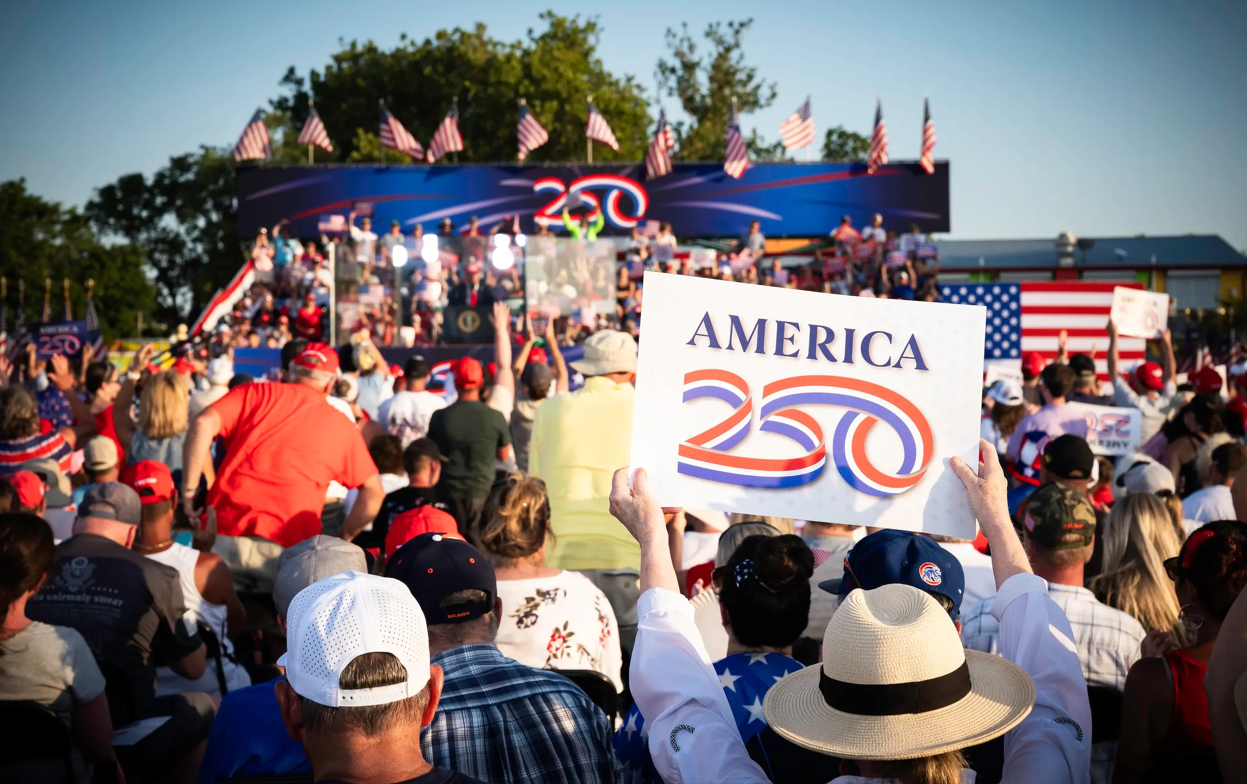
As the United States marks 250 years since the signing of the Declaration of Independence this summer, there is no better time to reckon with one of the great myths of American economic life: that the country’s prosperity was built on laissez-faire capitalism. From its very founding, the US has had a hybrid model in which the state directs, subsidizes, and occasionally bails out private enterprise in the service of national priorities. While the prevailing narrative has often extolled free markets, policymaking itself has been more pragmatic.
Dan Steinbock, Founder, Difference Group
Feb 13, 2026
In a recent speech, Canada’s Prime Minister Mark Carney declared the end of the rules-based order. Yet, U.S. unilateralism began accelerating in the 1980s, and much of the West complied so long as it remained beneficial. Today, that alignment no longer holds.
Han Liqun, Researcher, China Institutes of Contemporary International Relations
Jan 23, 2026
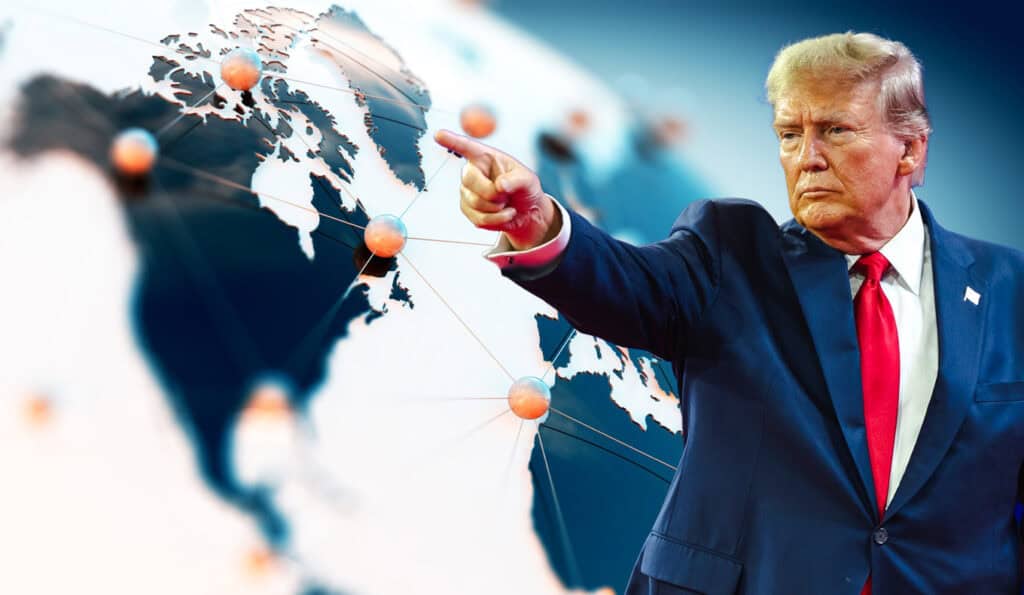
Over the past year, territorial expansion, military intervention, economic coercion, resource plundering and withdrawal from international agreements have become hallmarks of Donald Trump's imperialism. He is expected to continue to pursue more in the days to come.
Zhang Monan, Deputy Director of Institute of American and European Studies, CCIEE
Jan 16, 2026
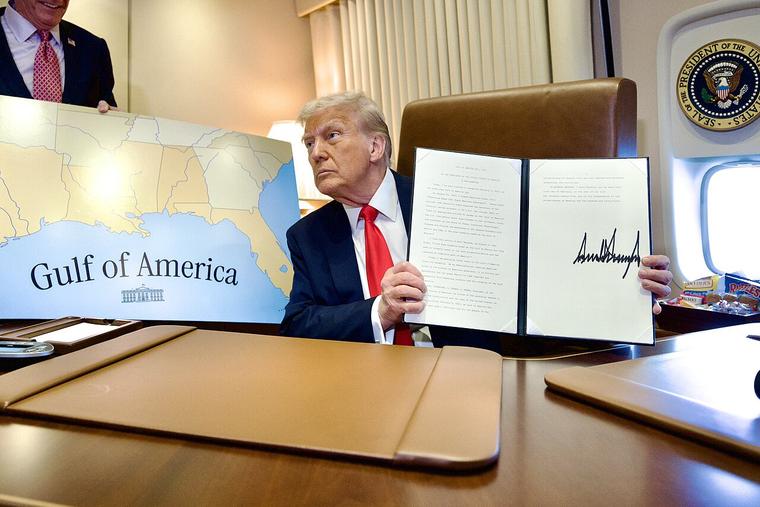
Unable to maintain its position of leadership, the United States is severely hindering the progress of other nations. It’s a self-isolating form of hegemony that poses real geopolitical dangers. By openly acknowledging and pursuing exclusive spheres of influence, America is effectively signaling a return to the law of the jungle.
Nancy Qian, Professor of Economics at Northwestern University, Founding Director of China Econ Lab
Dec 09, 2025
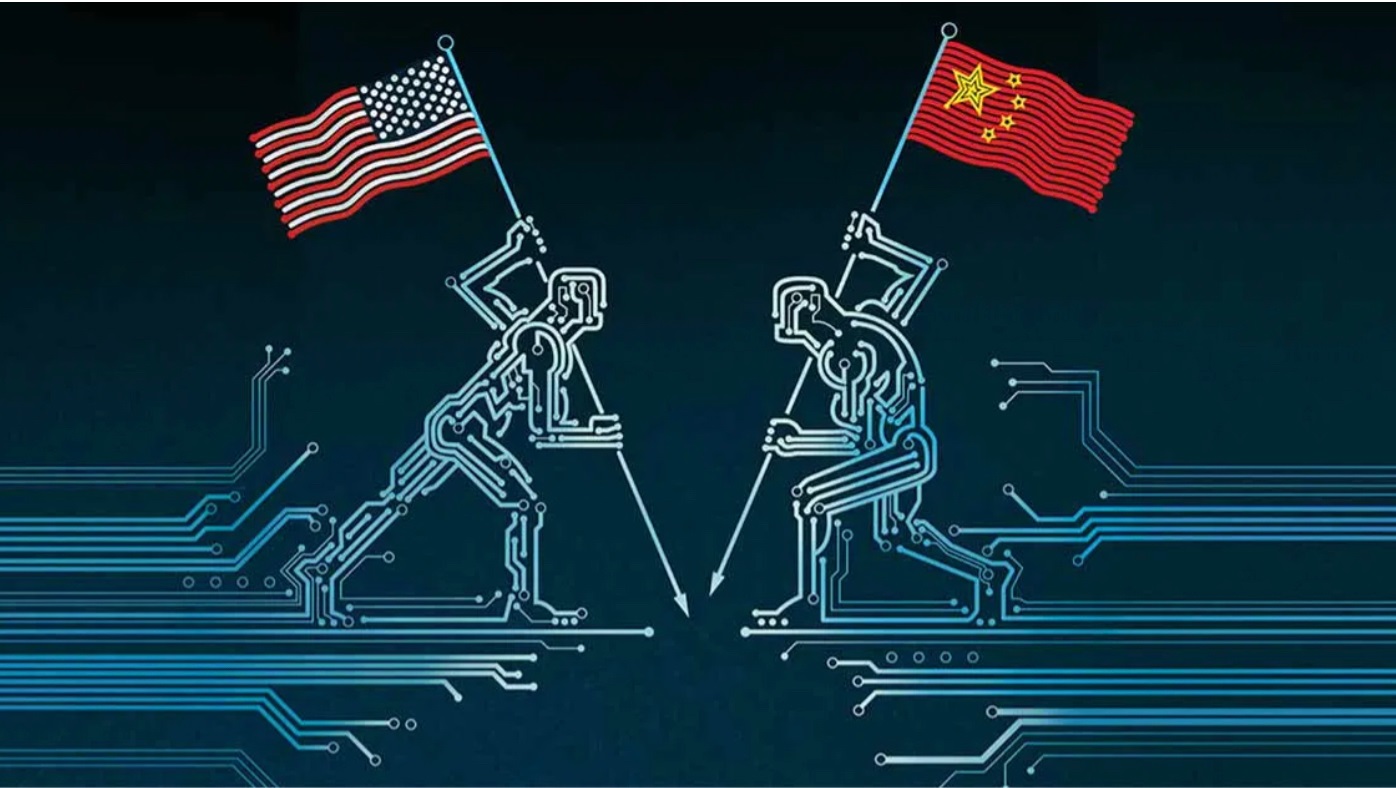
As geopolitical tensions rise, competition for the cutting-edge science and talent that underpins advanced technology has heated up. The United States, China, and other major powers now regard leadership in areas like AI, semiconductors, quantum technologies, and biotechnology as central to military capability, economic security, and ideological influence.
Wang Youming, Senior Research Fellow of BRICS Economic Think Tank, Tsinghua University
Sep 29, 2025
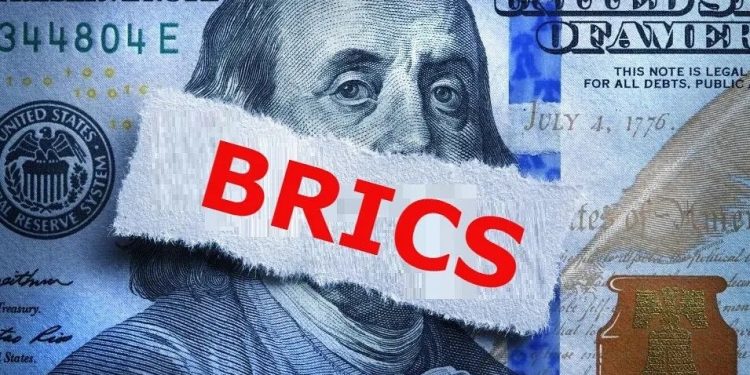
Given the profound changes in the international order and governance system, the diversification of international finance is an inevitable trend. Demand for an alternative global currency is becoming increasingly urgent.
Warwick Powell, Adjunct Professor at Queensland University of Technology
Sep 26, 2025
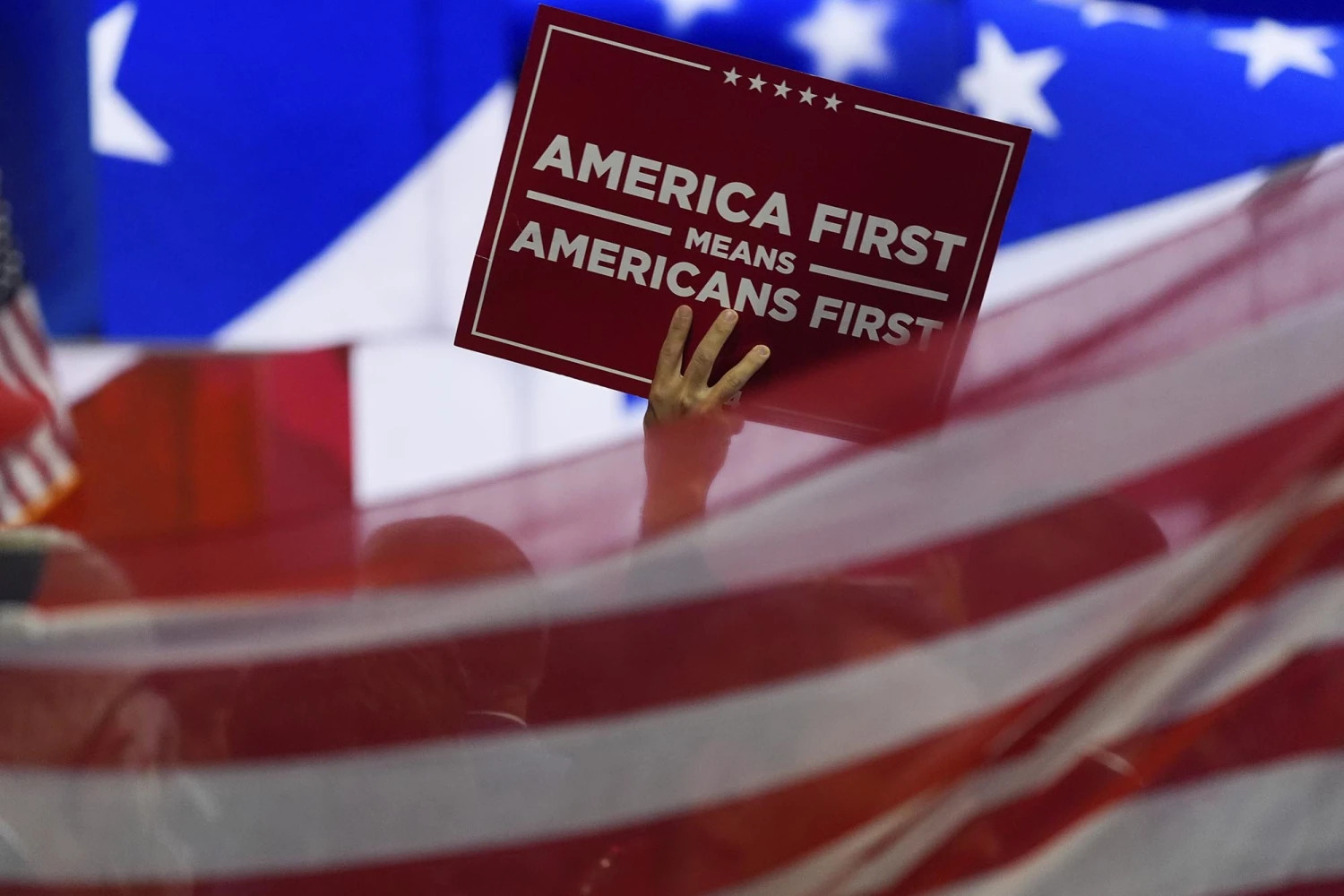
The United States remains committed to global primacy. That’s been a longstanding ambition that cuts across party lines inside the Beltway. Its security doctrines, diplomatic rhetoric and military posture continue to project the image of an indispensable nation whose umbrella guarantees the survival of allies from Europe to Asia. Yet beneath this facade, a widening gap has emerged between Washington’s strategic ambitions and its material capabilities.
Jin Liangxiang, Senior Research Fellow, Shanghai Institute of Int'l Studies
Sep 19, 2021
America’s wounds are wholly self-inflicted, and it has only itself to blame. Many betrayals have been committed over the last two decades, including some against its own allies, undermining their trust.
Back to Top

- China-US Focus builds trust and understanding between the U.S. and China through open dialogue among thought leaders.