Yang Wang, Vice-President and Pro-Vice-Chancellor (Institutional Advancement), HKU
Brian Wong, Assistant Professor in Philosophy and Fellow at Centre on Contemporary China and the World, HKU and Rhodes Scholar
Jul 17, 2026
Artificial intelligence is becoming a new arms race, and to avoid repeating the mistakes of the past perhaps a drastic unification of competing models could prevent catastrophe.
Brian Wong, Assistant Professor in Philosophy and Fellow at Centre on Contemporary China and the World, HKU and Rhodes Scholar
Jun 05, 2026
Despite intensifying U.S.-China competition in AI, both countries share a strong interest in cooperating on AI safety, as advanced and potentially misaligned AI systems could pose existential risks to humanity. Joint risk assessment, coordination against malicious AI actors, and expanded academic collaboration could help reduce these threats and improve global AI governance.

Li Yan, Director of President's Office, China Institutes of Contemporary International Relations
Jun 04, 2026
The startling breakthrough moment in artificial intelligence and the commensurate concentration of power into the hands of a few tech giants may lead to an intensification of geopolitical competition. China is positioned to play a major constructive role for the well-being of humanity.
Xiao Qian, Deputy Director, Center for International Security and Strategy at Tsinghua University
May 11, 2026
As discussions grow around the upcoming visit by U.S. President Donald Trump, much attention has focused on tariffs, trade, and semiconductors. Many expect that artificial intelligence will also feature prominently on the agenda.
Sun Chenghao, Fellow, Center for International Security and Strategy of Tsinghua University; Munich Young Leader 2025
May 11, 2026
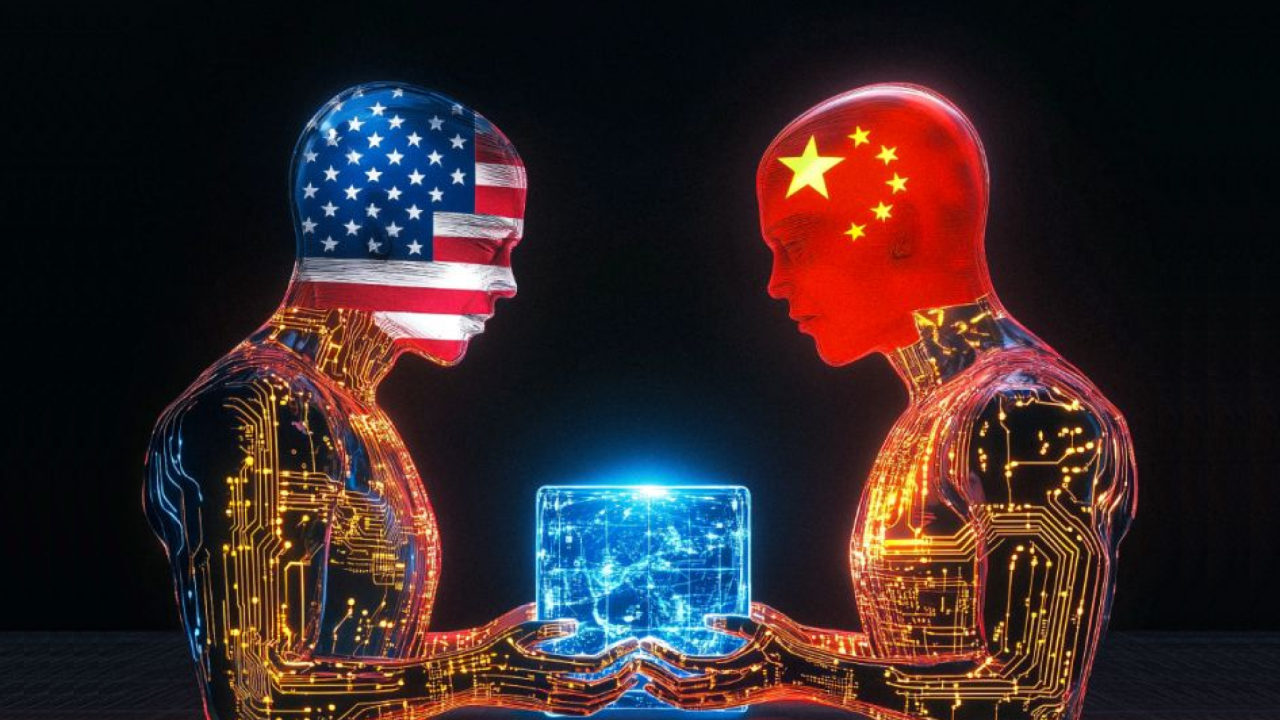
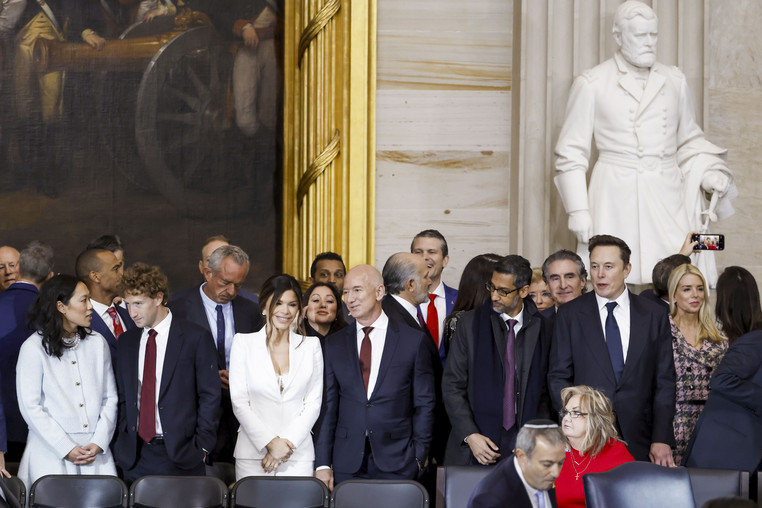
Looking back over the past period, even as technological competition between China and the U.S. has intensified, the two sides have also made some constructive progress in cooperation on artificial intelligence (AI).
Zhang Monan, Deputy Director of Institute of American and European Studies, CCIEE
Apr 27, 2026
After the 2024 presidential election in the United States, a rising political right wing in Silicon Valley formed a “tech-political complex” with the Trump administration. Centered on tech acceleration and tech nationalism, it is pushing for military-civil integration, technological blockades against China and deregulation of the technology sector.
Christopher A. McNally, Professor of Political Economy, Chaminade University
Mar 27, 2026
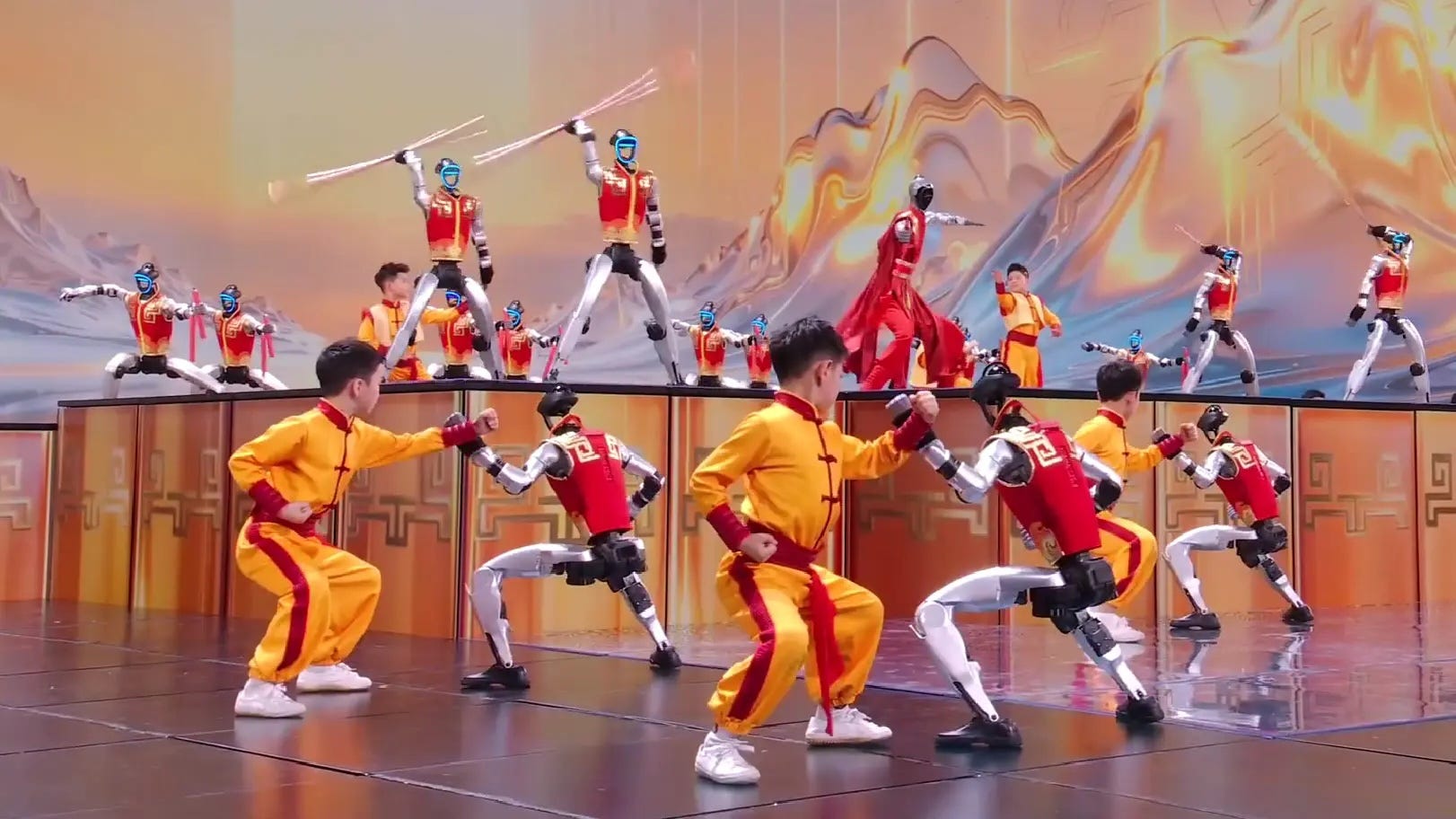
Advances in AI and robotics, highlighted by rapid progress in China, are driving a “Robot Revolution” that will reshape work, production, and global power. Countries that lead in developing humanoid robots are poised to gain major economic and strategic advantages.
Li Yan,, Director of Institute of Sci-Tech and Cyber Security Studies, China Institutes of Contemporary International Relations
Dec 10, 2025
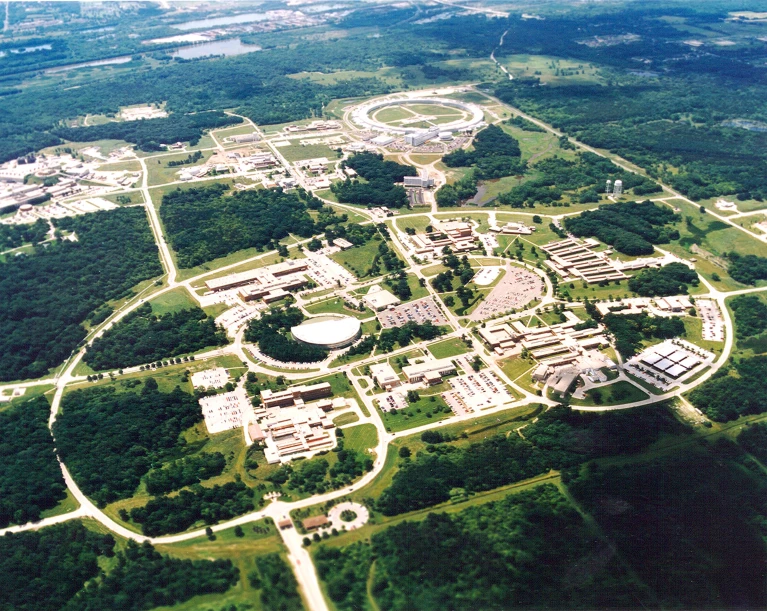
The success of the Manhattan Project was the result of specific historical conditions. Its model of concentrating resources to achieve a single technological breakthrough doesn’t fit the characteristics and competitive landscape of the AI era.
Nancy Qian, Professor of Economics at Northwestern University, Founding Director of China Econ Lab
Dec 09, 2025
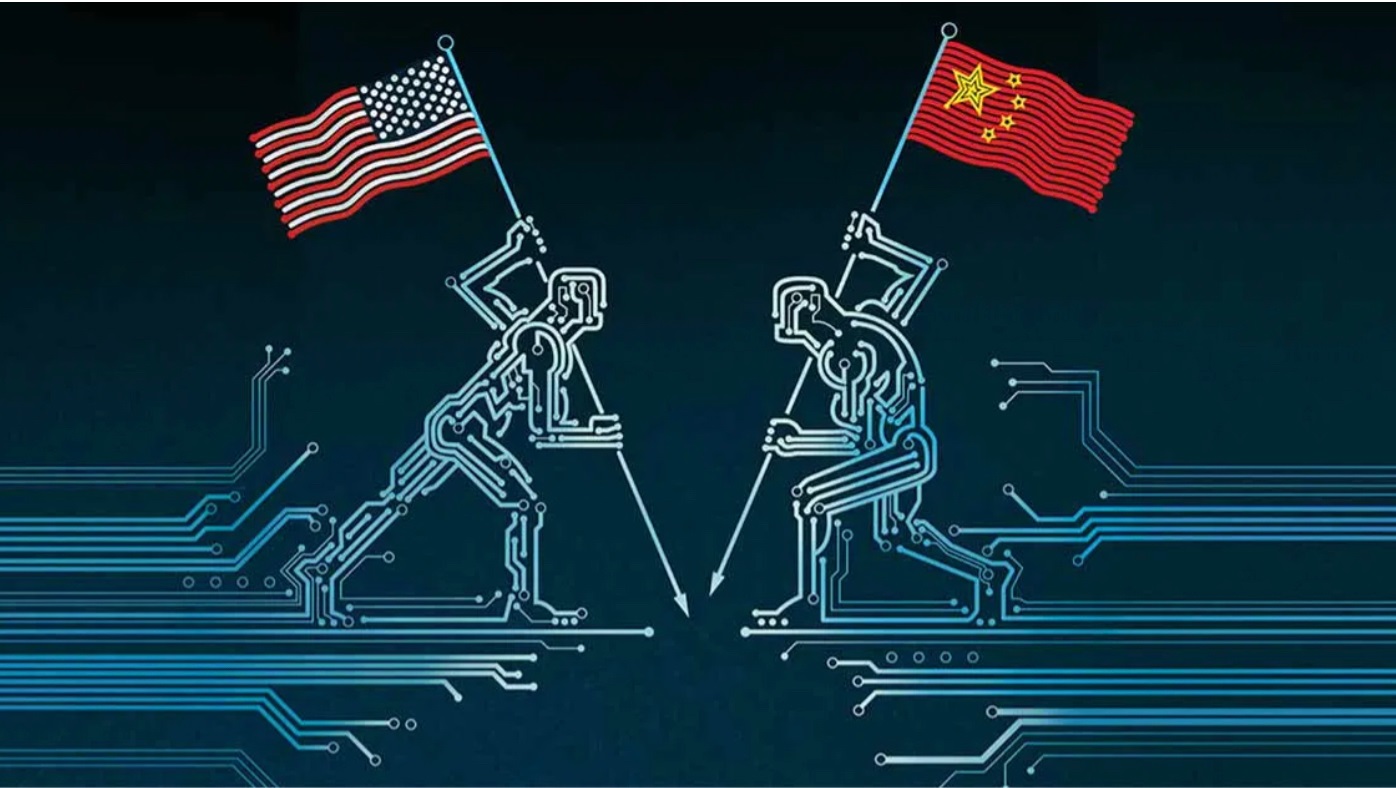
As geopolitical tensions rise, competition for the cutting-edge science and talent that underpins advanced technology has heated up. The United States, China, and other major powers now regard leadership in areas like AI, semiconductors, quantum technologies, and biotechnology as central to military capability, economic security, and ideological influence.
Ghulam Ali, PhD, Monash University, Australia
Oct 28, 2025
Advanced technologies, especially artificial intelligence (AI), semiconductors, and quantum computing, have emerged at the heart of most nations’ national strategic planning. China also developed national plans for technological breakthroughs. However, unlike most other countries, China’s current plans are heavily influenced by unprecedented US export curbs on acquiring technology. These steep and targeted export curbs are intended to prevent China from acquiring high technologies to maintain the US monopoly. They started during the first term of US President Donald Trump (2017-2021), continued during the Biden administration, and intensified since Trump’s second term.
Back to Top

- China-US Focus builds trust and understanding between the U.S. and China through open dialogue among thought leaders.