David Shambaugh, Gaston Sigur Professor of Asian Studies, Political Science, and International Relations; Director of China Policy Program, George Washington University
Sep 28, 2026
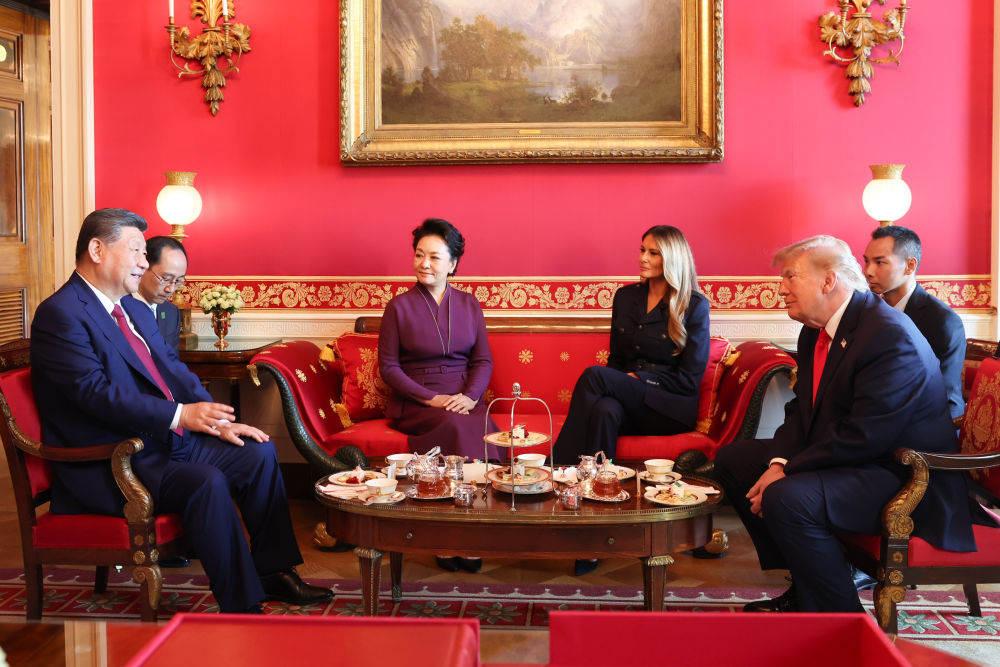
The May and September reciprocal state visits by U.S. President Donald Trump and China’s President Xi Jinping have seemingly succeeded in cementing warm personal ties between the two leaders while stabilizing an unstable U.S.-China relationship. Historians may look back on these twin summits as perhaps a turning point following a decade of tumult and steadily intensifying competition between the two powers. While the two summits have succeeded in warming the atmosphere, there remains much substantive and institutional work to do.
David Shambaugh, Gaston Sigur Professor of Asian Studies, Political Science, and International Relations; Director of China Policy Program, George Washington University
Sep 18, 2026
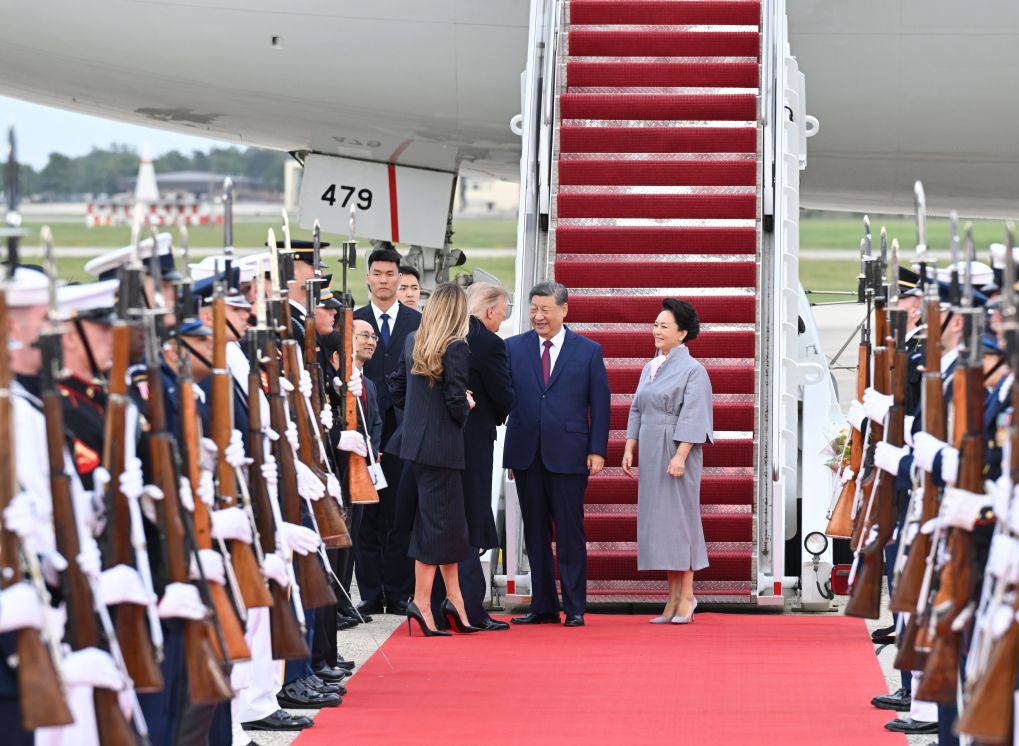
The upcoming Trump-Xi summit may yield few concrete breakthroughs, with much about both the substance and presentation of the meeting still uncertain. Maintaining the relative stability achieved at their last meeting in Beijing may be the central outcome as the two sides navigate continuing differences over trade, rare earths, artificial intelligence and other issues.
Fu Suixin, Assistant Researcher at Institute of American Studies, Chinese Academy of Social Sciences
Sep 18, 2026
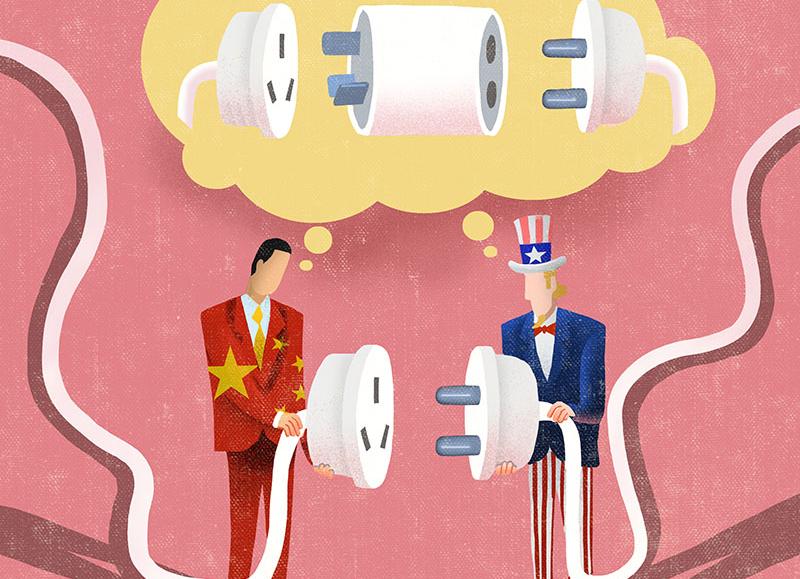
The relationship is likely to remain characterized by the dynamics of cooperation and competition—with friction and coordination coexisting for the foreseeable future. The primary role for heads of state will not be to produce dramatic breakthroughs but rather to build trust.
Li Zheng, Assistant Research Processor, China Institutes of Contemporary International Relations
Sep 07, 2026
The two countries need to establish their Zeus’s Law, preventing strategic rivalry from escalating without limit and avoiding the idea that undermining the other side’s sense of security can somehow serve as a source of one’s own security.
Ma Xue, Associate Fellow, Institute of American Studies, China Institutes of Contemporary International Relations
Jul 24, 2026
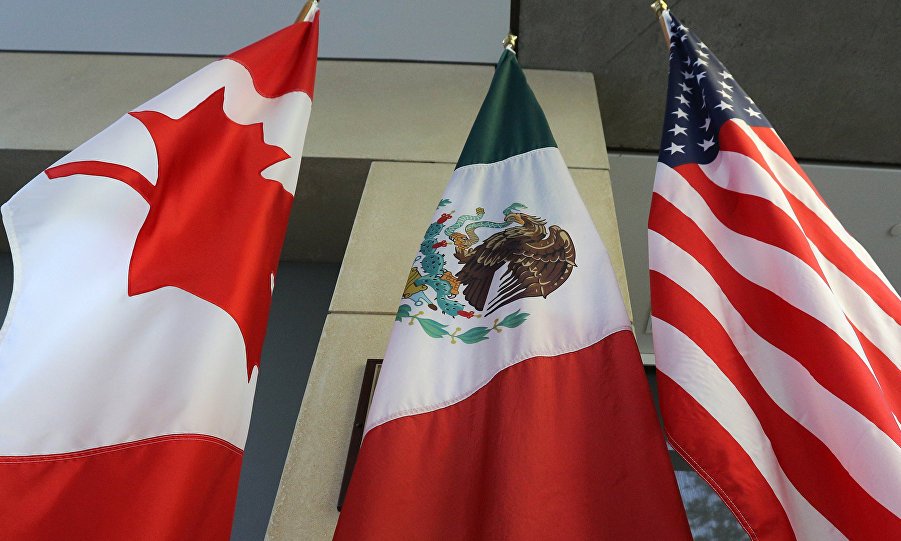
The current USMCA review is expected to introduce new China-related restrictive provisions across four key areas: labor enforcement, rules of origin, economic security coordination and external tariff alignment. Taken together, these measures would substantially narrow market access for Chinese capital, goods and technology in North America.
Zhang Tuosheng, Principal Researcher at Grandview Institution, and Academic Committee Member of Center for International Security and Strategy at Tsinghua University
Jun 26, 2026
China-U.S. relations face both opportunities and challenges. At least within this year, and particularly given the three forthcoming meetings between the two heads of state, the opportunities outweigh the challenges as relations continue to move forward.
Sun Chenghao, Fellow, Center for International Security and Strategy of Tsinghua University; Munich Young Leader 2025
Jun 26, 2026
For China, a prerequisite is characterizing the overall kind of relationship the two sides have before specific issues can be discussed. The United States has often taken the opposite approach, starting with results in specific areas, then expand. Now the two sides seem to be nudging closer.
Ma Xue, Associate Fellow, Institute of American Studies, China Institutes of Contemporary International Relations
Jun 18, 2026
Although small-scale rivalry and periodic tactical bargaining are likely to persist, a new equilibrium characterized by institutionalized cooperation—and occasional issue-specific divergence—may gradually emerge as the new normal in China-U.S. economic and trade relations.
Jia Qingguo, Director and Professor, Institute for Global Cooperation and Understanding, Peking University
Jun 03, 2026
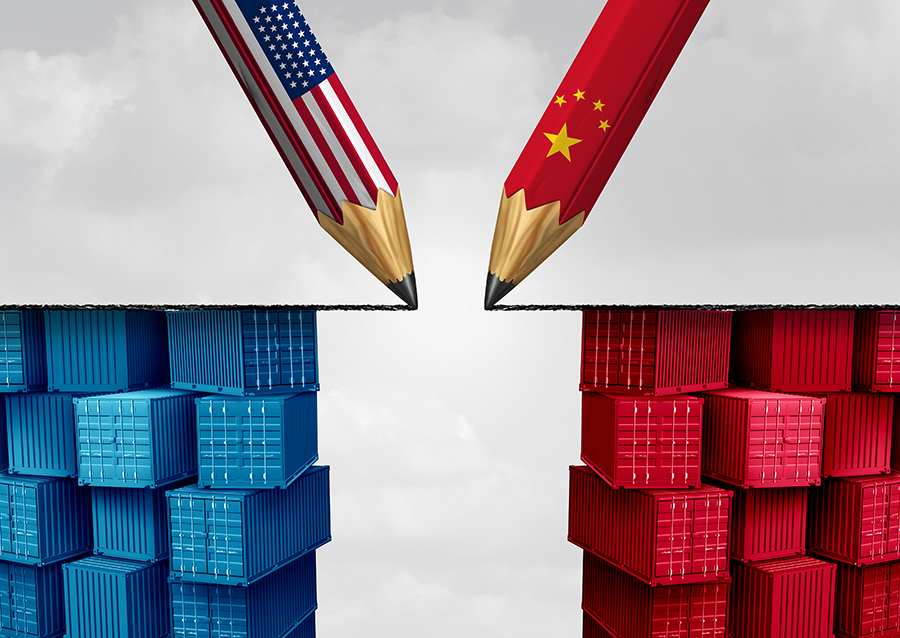
The meeting of two presidents created a certain degree of stability and opened up possibilities for cooperation, but China-U.S. relations remain fundamentally fragile. Nudging the relationship in a constructive direction will require that both countries continue in good faith.
He Weiwen, Senior Fellow, Center for China and Globalization, CCG
May 27, 2026
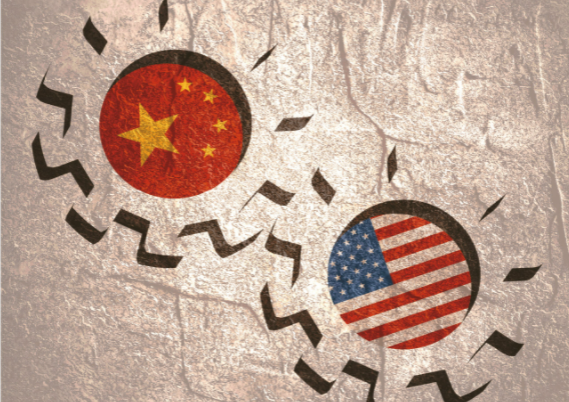
Trump’s trip to China signals the start of a new trade relationship, anchored in good economic fundamentals that are solid, stable and sustainable. Both countries stand to benefit, as does the rest of the world in terms of peace and prosperity.
Back to Top

- China-US Focus builds trust and understanding between the U.S. and China through open dialogue among thought leaders.