
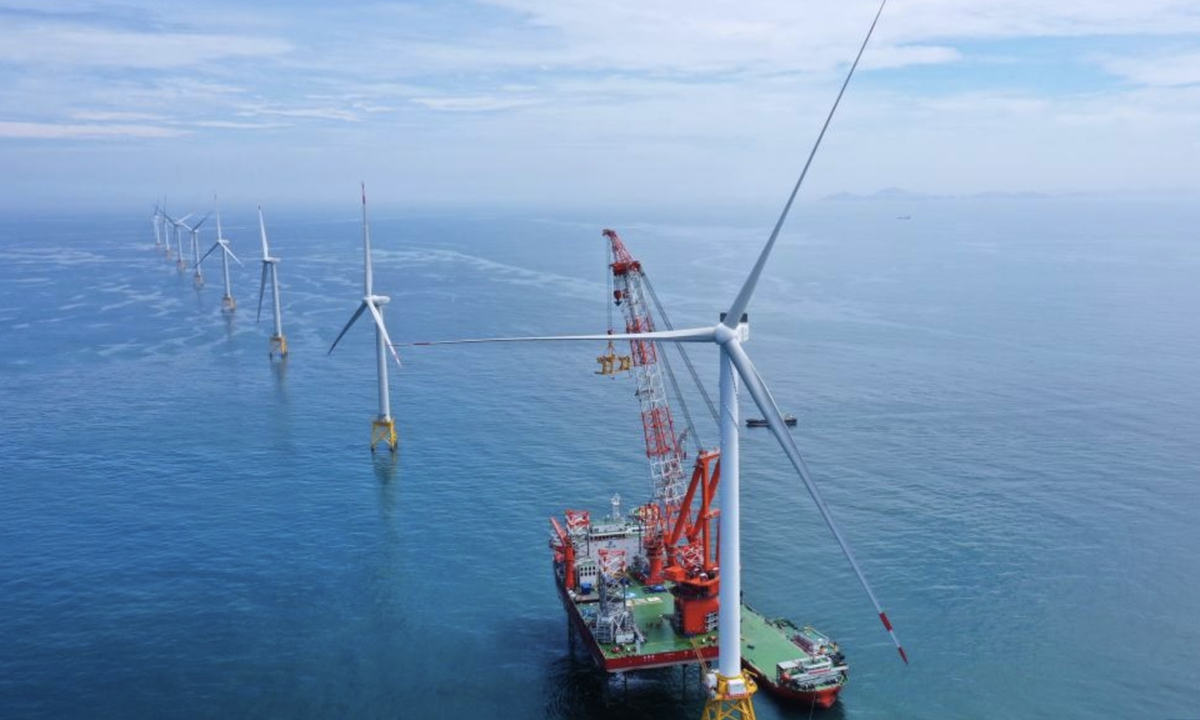
Ming Yang Smart Energy is a global wind turbine manufacturer and clean-energy solutions provider. It operates advanced typhoon-resistant and record-breaking floating wind projects in the South China Sea.
Competition for access to resources has been a major driver of conflict in the South China Sea. The discovery of offshore oil in the 1970s triggered a scramble for land features to bolster claims to territory and sovereign rights over underwater fossil fuels. Dwindling fishing stocks in coastal areas pushed fishers into distant waters, entangling them in jurisdictional disputes. However, the rise of renewable energy and modern aquaculture may reduce the role of resources as a trigger for tensions in the semi-enclosed sea. The increasing share of hydro, wind, and solar power in the national energy mixes of coastal states, along with their ambitious energy transition targets, may diminish foreign investors' appetite for capital-intensive deep-water hydrocarbon exploration and development projects, especially in maritime spaces with significant political and security risks. Aquaculture is also displacing wild catch as the main contributor to total fisheries production in most coastal countries. The integration of aquaculture and offshore green energy is in its early stages and presents opportunities for practical cooperation among coastal states.
Growing shift to new energy and aquaculture

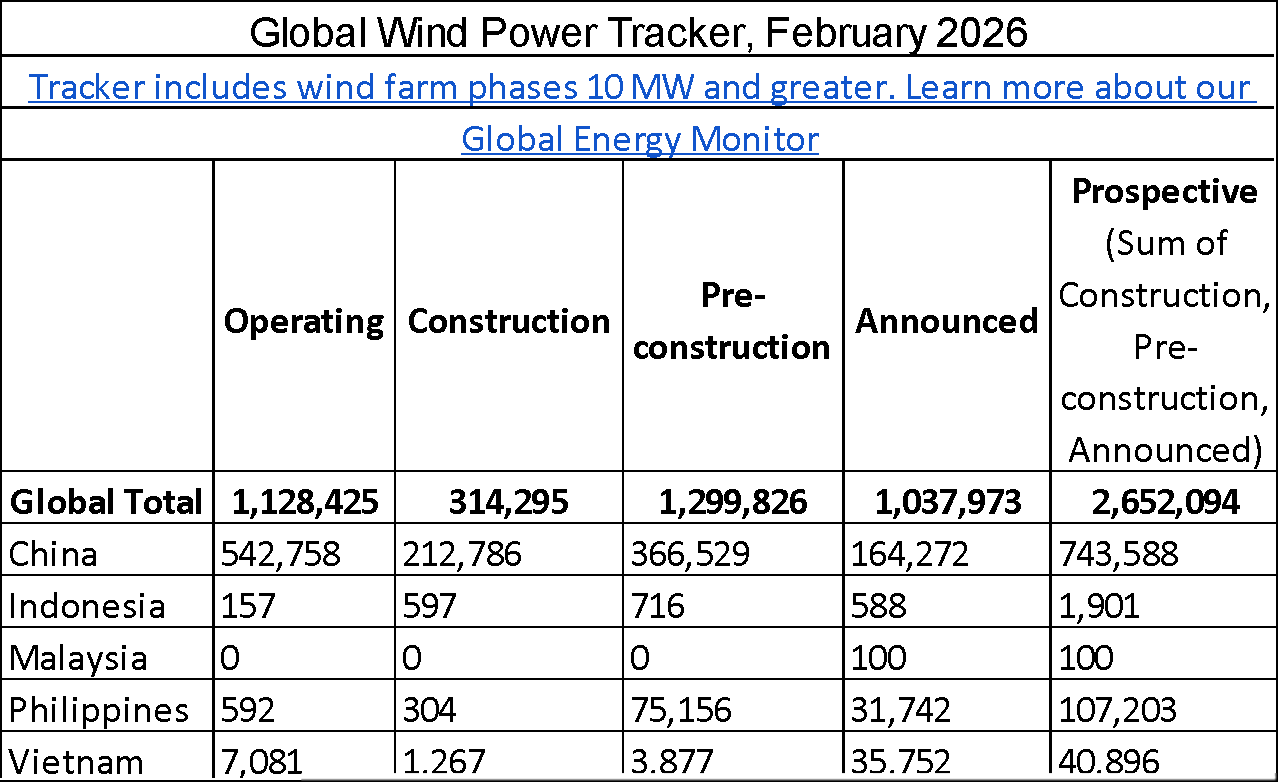

Long-term trends in both energy and fisheries point in the same direction. Oil has gradually declined as a share of the global energy mix, while the Philippines has substantially reduced its reliance on petroleum as its energy supply has diversified. Although geopolitical instability in West Asia has provided a short-term boost to fossil fuels, exposure to external supply disruptions is reinforcing the case for renewable energy. A similar structural shift is underway in fisheries: aquaculture has overtaken wild capture as the main source of global fisheries production, a transition that is especially pronounced in China. Meanwhile, capture fisheries in the Philippines have declined since reaching their peak. Together, these trends suggest that renewable energy and aquaculture will play an increasingly important role in the region’s food and energy security, and that the two sectors are well positioned to converge in the South China Sea.

Renewable energy can enhance coastal states’ resilience to external shocks. Meanwhile, fish farming can alleviate the pressure from declining wild catch due to overfishing, pollution, or climatic factors. Marrying these two is already underway, with pilot projects integrating sea farming and offshore clean energy generation already established in China’s coastal provinces, from Shandong to Hainan. Co-location of marine ranches and offshore energy farms is in its nascent stages but shows good prospects, though not without challenges. Offshore wind and floating solar farms can power large-scale mariculture operations. In turn, offshore energy platforms also served as artificial reefs, creating sanctuaries for marine life. Open spaces between wind turbines or below photovoltaic panels can be optimized for fish farming. Harnessing this synergy allows coastal states to pursue their twin goals of food and energy security.
Chinese pilot projects: capital and technology diffusion to Southeast Asia
Investment and technology diffusion from China can help neighboring ASEAN countries upgrade and scale up their aquaculture and renewables. Half of the world’s operating offshore wind energy capacity, about 60% of global floating solar farm capacity, and over 60% of global aquaculture volume comes from China. Leveraging its infrastructure heft, engineering expertise, and automation, the country is pushing the frontiers of technology and industry to feed its people and power its economy. China and Europe are leading in multipurpose or co-located offshore energy and fisheries farms, with model projects in the North Sea and in the seas near China. Companies like China General Nuclear Power Corporation (CGN), China Energy Group (CHN Energy), and Mingyang are among the pioneers in the emerging “wind+fishery” dual industry.
Mingyu-1, located 100 kilometers off the coast of Yangjiang in Guangdong province, is a first-of-its-kind mixed offshore wind and aquaculture farm that opened in 2023. It can generate 45 million kilowatt-hours of electricity yearly and raise 150,000 high-value fish with an annual harvest of 75 tons using an intelligent system. As it is exposed to the elements, it was built to withstand extreme weather and can endure Category 17 super typhoons. Such strength is crucial given that the South China Sea experiences an average of 12 storms per year. Another breakthrough is the world’s first floating wind power-fishery-integrated platform at Nanri Island in Putian, Fujian province. It commenced operation in 2024 and can rear 50,000 deep-sea fish. Fuxi No. 1, billed as the world’s largest typhoon-resistant wind power-fishery installation, also opened in 2024. Situated off Shanwei, Guangdong, it can produce 900 tons of fish. The success of these demonstration projects bodes well for the blue economy of many coastal states, including China’s neighbors in Southeast Asia.
Chinese capital and technology have helped ASEAN countries ramp up their new energy capacity. The region’s largest and first cross-border wind farm, Laos’ Monsoon Wind Power Project, which sends power to central Vietnam via a 500-kilovolt transmission line, was built by PowerChina. The region’s biggest solar farm, Northern Laos’ 1-gigawatt solar project, which is linked to the China-Laos interconnection line, was developed by CGN. Beijing has also extended aquaculture assistance to its ASEAN neighbors, like the Philippines. In 2017, China donated 100,000 red grouper fingerlings to Filipino fish farmers in Davao and Palawan. Another batch of 100,000 leopard coral grouper fries from Wenchang, Hainan, was also given in 2018. The donations were based on a 2016 Memorandum of Understanding on fisheries industry development and capacity building, signed by the two neighbors. These set the stage for further cooperation in integrated offshore renewable energy and aquaculture farms.
China is mastering marine spatial planning, allocating ocean space and resources to balance economic and environmental interests. Continuous developments in this innovative area can mitigate adverse ecological impacts, sustain fisheries yields, ensure navigation safety, and protect the integrity of offshore infrastructure. China’s accumulated experience and best practices can reduce the learning curve for ASEAN countries eager to maximize their marine resources.
Compared to the more politically contentious joint development of oil and gas in the South China Sea, cooperation in combined offshore new energy and aquaculture is more feasible and easier to execute. From the design and construction of the model to the physical installation of Mingyu-1, it only took two years. Fuxi No. 1 was built and launched in a year. Funding and building wind/solar+fishery platforms can become Beijing’s new climate aid and development assistance to Global South countries. It can also provide the basis for joint ventures between Chinese and ASEAN firms in the fisheries and offshore green energy sectors. Technical, scientific, and industry collaboration among marine scientists, policymakers, and enterprises can turn the semi-enclosed sea into an arena for partnership to advance food and energy security. This is an area of practical cooperation worth pursuing.
