Li Cheng, Professor of Political Science and Director of the Centre on Contemporary China and the World, HKU
Du Lang, Research Assistant of the Centre on Contemporary China and the World, HKU
Sep 03, 2026
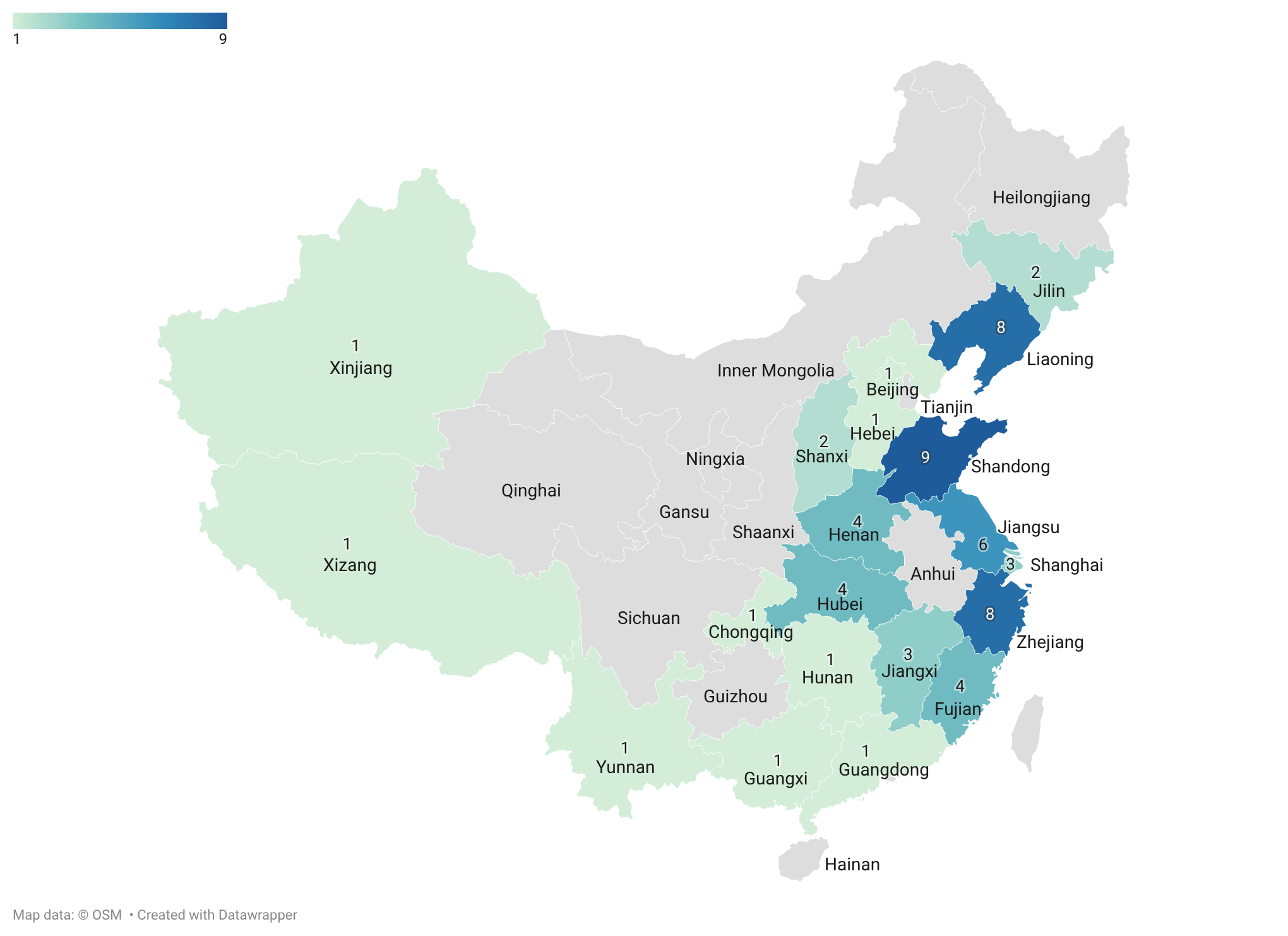
“All politics,” as the familiar English saying goes, “is local.” For Chinese political elites, however, locality carries two distinct meanings: the jurisdiction in which political authority is exercised, and the geographic origins of the political elites who exercise it. In contemporary China, the frequent gap between where officials are from and where they serve has long drawn public and scholarly interest. Two main questions are commonly raised: How often do officials’ places of origin overlap with the jurisdictions in which they serve? And how is regional origin distributed across the national leadership?
Li Cheng, Professor of Political Science and Director of the Centre on Contemporary China and the World, HKU
Du Lang, Research Assistant of the Centre on Contemporary China and the World, HKU
Aug 20, 2026
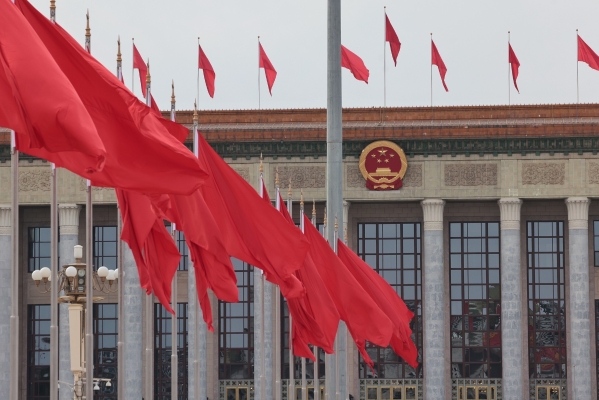
Observers of Chinese elite politics routinely prioritize Beijing as the primary focus of analysis, searching for clues about leadership changes in the limited information coming from the center. Yet critical insights worthy of attention are not exclusively concentrated in Zhongnanhai. A substantial share of early indicators often initially emerges within the leaderships of China’s 31 provincial-level administrations.
Back to Top

- China-US Focus builds trust and understanding between the U.S. and China through open dialogue among thought leaders.