Li Cheng, Professor of Political Science and Director of the Centre on Contemporary China and the World, HKU
Du Lang, Research Assistant of the Centre on Contemporary China and the World, HKU
Sep 03, 2026
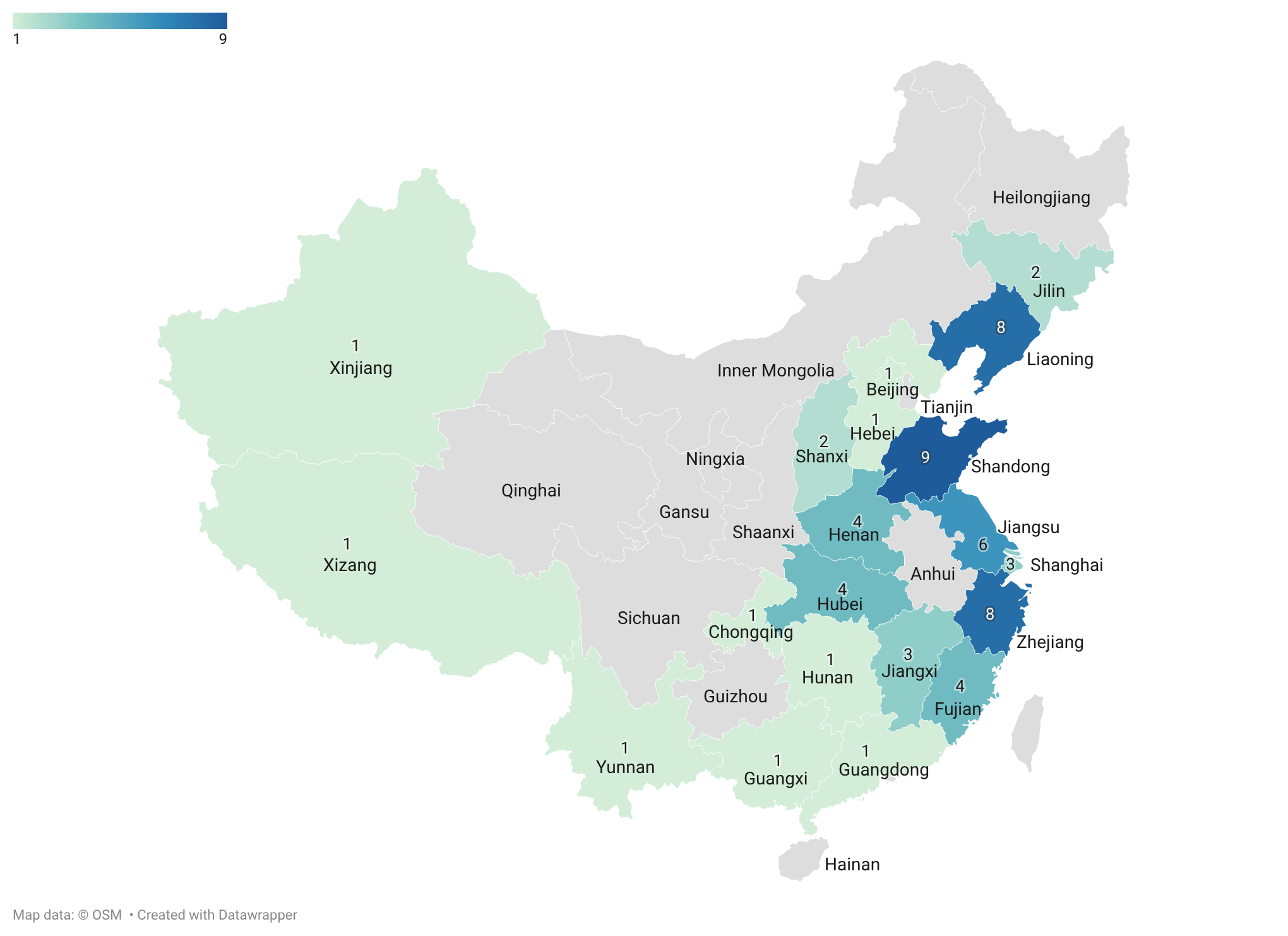
“All politics,” as the familiar English saying goes, “is local.” For Chinese political elites, however, locality carries two distinct meanings: the jurisdiction in which political authority is exercised, and the geographic origins of the political elites who exercise it. In contemporary China, the frequent gap between where officials are from and where they serve has long drawn public and scholarly interest. Two main questions are commonly raised: How often do officials’ places of origin overlap with the jurisdictions in which they serve? And how is regional origin distributed across the national leadership?
Li Cheng, Professor of Political Science and Director of the Centre on Contemporary China and the World, HKU
Du Lang, Research Assistant of the Centre on Contemporary China and the World, HKU
Aug 20, 2026
Observers of Chinese elite politics routinely prioritize Beijing as the primary focus of analysis, searching for clues about leadership changes in the limited information coming from the center. Yet critical insights worthy of attention are not exclusively concentrated in Zhongnanhai. A substantial share of early indicators often initially emerges within the leaderships of China’s 31 provincial-level administrations.
He Weiwen, Senior Fellow, Center for China and Globalization, CCG
Oct 27, 2022
Modernization is the only way forward for China, which is offering enormous opportunities, not threats, to the world. There is every reason to seek areas of mutual benefit with the United States and the road map to the future, if followed, will be good for China and good for America.
Li Cheng, Professor of Political Science and Director of the Centre on Contemporary China and the World, HKU
Jul 18, 2022
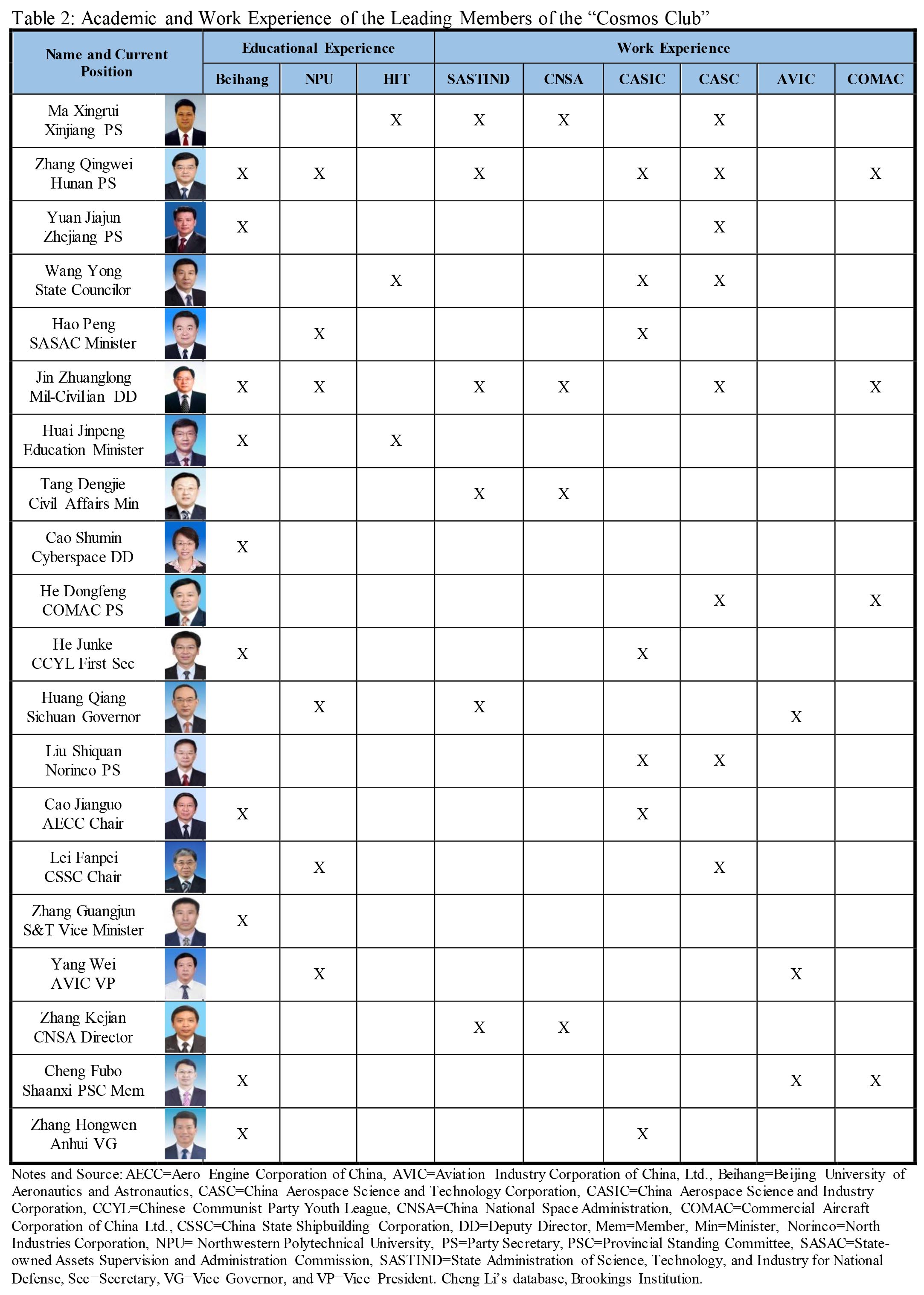
Potential CCP leaders coming from China’s aerospace sector should add a pragmatic perspective to Beijing’s decision-making cadre, but their extensive engagement in technological issues and the military-industrial complex throughout their careers may come at the expense of their focus on other challenges, both at home and aboard.
Li Cheng, Professor of Political Science and Director of the Centre on Contemporary China and the World, HKU
Jun 14, 2022
Preference towards hometown representatives is nothing new in Chinese politics. A deep dive into the history of power distribution among candidates who share local origins can give us a look at what’s to come in the next Party Congress.
Li Cheng, Professor of Political Science and Director of the Centre on Contemporary China and the World, HKU
Jun 11, 2022
Racial and ethnic tensions loom larger in the world today than the power or policies to reconcile them. China has a long way to go in that regard. Given the absence or scarcity of public discourse on these challenges domestically and strong criticism from abroad –– especially from the United States and European countries –– of the treatment of Uygurs in Xinjiang, Beijing has been on the defensive as it faces ongoing international scrutiny and sanctions.
Li Cheng, Professor of Political Science and Director of the Centre on Contemporary China and the World, HKU
May 10, 2022
After diving into the age brackets of China’s CCP leadership, a deeper look at their previous roles and professional experience reveals a shift toward business executives gaining higher positions within the Party’s hierarchy.
Li Cheng, Professor of Political Science and Director of the Centre on Contemporary China and the World, HKU
Apr 10, 2022
A deeper examination of the age cohorts of each generation of Chinese leaders gives insight into the trends that have developed within the CCP’s promotion structure and political trajectory.
Li Cheng, Professor of Political Science and Director of the Centre on Contemporary China and the World, HKU
Apr 07, 2022
China’s leaders have been sorted into generational brackets by decade of birth. This article examines the formative experiences and policy orientations of the post-1960s generation, which will dominate the Chinese leadership after the 20th Party Congress.
Li Cheng, Professor of Political Science and Director of the Centre on Contemporary China and the World, HKU
Mar 27, 2022
China is presently taking measures to reorganize its 31 province-level Party committees. As the 20th Party Congress approaches, understanding this reshuffling is crucial to assessing the current and future trajectory of China’s national leadership.
Back to Top

- China-US Focus builds trust and understanding between the U.S. and China through open dialogue among thought leaders.