
Dear Focus Reader,
This week, Canadian Prime Minister Mark Carney capped a landmark visit to Beijing by announcing what Ottawa called a historic pivot in Canada–China ties: a preliminary trade deal that cuts deeply into a years-long stalemate and slashes tariffs on Chinese electric vehicles in exchange for lower Chinese duties on key Canadian farm exports.
Under the agreement struck with Chinese President Xi Jinping and his leadership team, Canada will allow up to 49,000 Chinese EVs annually at a reduced tariff of 6.1%, down sharply from 100% under previous policy, while Beijing has agreed to bring canola seed tariffs down from roughly 84% to about 15%, along with easing duties on other Canadian agriculture like lobsters and peas. The two sides also agreed in principle to expand cooperation in energy, agri-food, and finance, and to restore visa-free travel for Canadians to China.
The deal marks the first official visit by a Canadian prime minister to China in nearly a decade and reflects Ottawa's growing drive to diversify trade beyond the United States, which is still Canada's largest partner, amid what Carney called "new global realities" and "trade disruption."
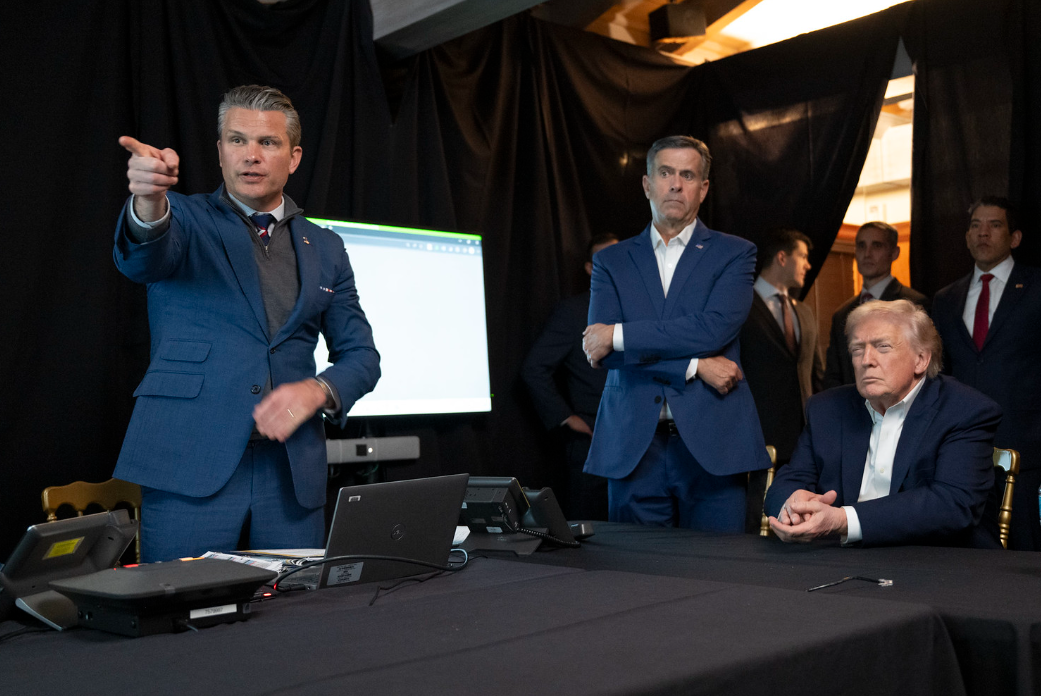
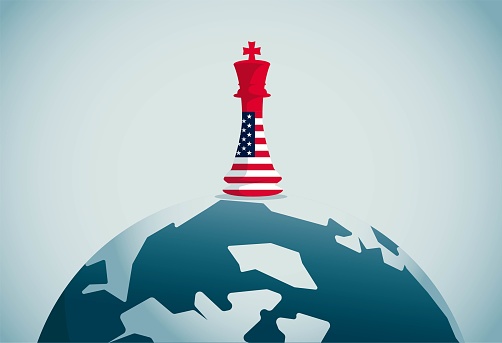
Canada's strategic shift comes at a time of mounting global criticism of U.S. President Donald Trump's handling of international relations. In recent weeks, Trump has renewed controversial rhetoric and actions aimed at asserting American control over strategic territories such as Greenland, framing it as necessary to deter Russian or Chinese influence, despite firm opposition from Denmark and NATO allies. It also follows a controversial U.S. operation in Venezuela.
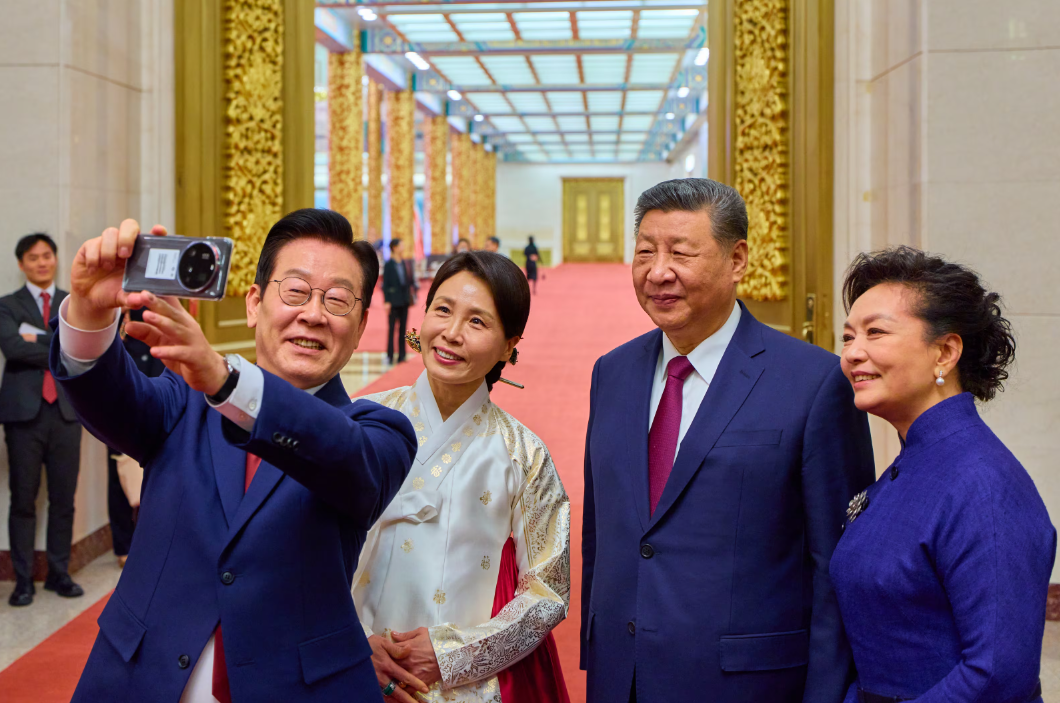
China's top diplomat in the United States delivered a speech rebuking U.S. actions on Thursday, noting that "When China and the United States work together, the world fares well. But if we confront one another, the world would suffer." He also emphasized that Beijing is "sincere about developing China-U.S. relations," but will also safeguard China's own "principles."
Learn more on international relations by exploring our latest Focus content, including articles on global diplomacy, geopolitics, and more.
"Managing AI risks is uncharted territory, so progress will be neither swift nor easy. The U.S. and China need to get started."
The amount of territory Russia gained in Ukraine during 2025
Learn more in "2025 in Review: The Ukraine War and the Global Order," by Xiao Bin, Deputy Secretary-General at the Center for Shanghai Cooperation Organization Studies, Chinese Association of Social Sciences.
How the Global South works between and with the U.S. and China on climate, with Bibek Raj Kandel
Watch VideoIn this China Current interview with Bibek Raj Kandel, a New World AsiaGlobal Fellow from Nepal, we hear more about how countries across Asia and Sub-Saharan Africa are navigating the complexities of the U.S.–China relationship to pursue sustainable development.
Question of the Week:
In our Focus Insights section, we featured an article by Richard Javad Heydarian examining Trump's military actions in Venezuela and his threats towards Greenland, and how middle powers may need to step up to preserve a rules-based international order.
We want to hear from you!
How can middle powers effectively uphold international law and cooperation when major powers pursue unilateral military and strategic goals?
Submit your thoughts to USeditor@chinausfocus.com for a chance to be featured in next week's Focus This Week.
useditor@chinausfocus.com for more info.
Powered by
Prepared by China-US Focus editorial teams in Hong Kong and New York, this weekly newsletter offers you snap shots of latest trends and developments emerging from China and the U.S. every week. It is a community space to exchange thoughts and ideas about the China-U.S. relationship and beyond.
- 2026-01-09 Focus This Week: Sovereignty at Stake
- 2025-12-19 Focus This Week: Between the Lines
- 2025-12-12 Focus This Week: Strategic Realignments
- 2025-12-05 Focus This Week: Cooperation on Track
- 2025-11-21 Focus This Week: Dialogue Forward
- 2025-11-15 Focus This Week: Seeking Peace
- 2025-11-07 Focus This Week: Beyond Busan
- 2025-10-31 Focus This Week: A "12 out of 10" Meeting
- 2025-10-24 Focus This Week: Staying "On Track"
- 2025-10-17 Focus This Week: Trade Strains, Policy Plans
- 2025-10-10 Focus This Week: Tariff Tensions, Rattled Markets
- 2025-10-03 Focus This Week: Shutdown Diplomacy
- 2025-09-26 Focus This Week: Turning Up the Heat
- 2025-09-19 Focus This Week: TikTok on the Table
- 2025-09-12 Focus This Week: A New Shift?
- 2025-09-05 Focus This Week: Parade of Power
- 2025-08-28 Focus This Week: Global Dialogue in Motion
- 2025-08-22 Focus This Week: Resetting Ties
