
Dear Focus Reader,
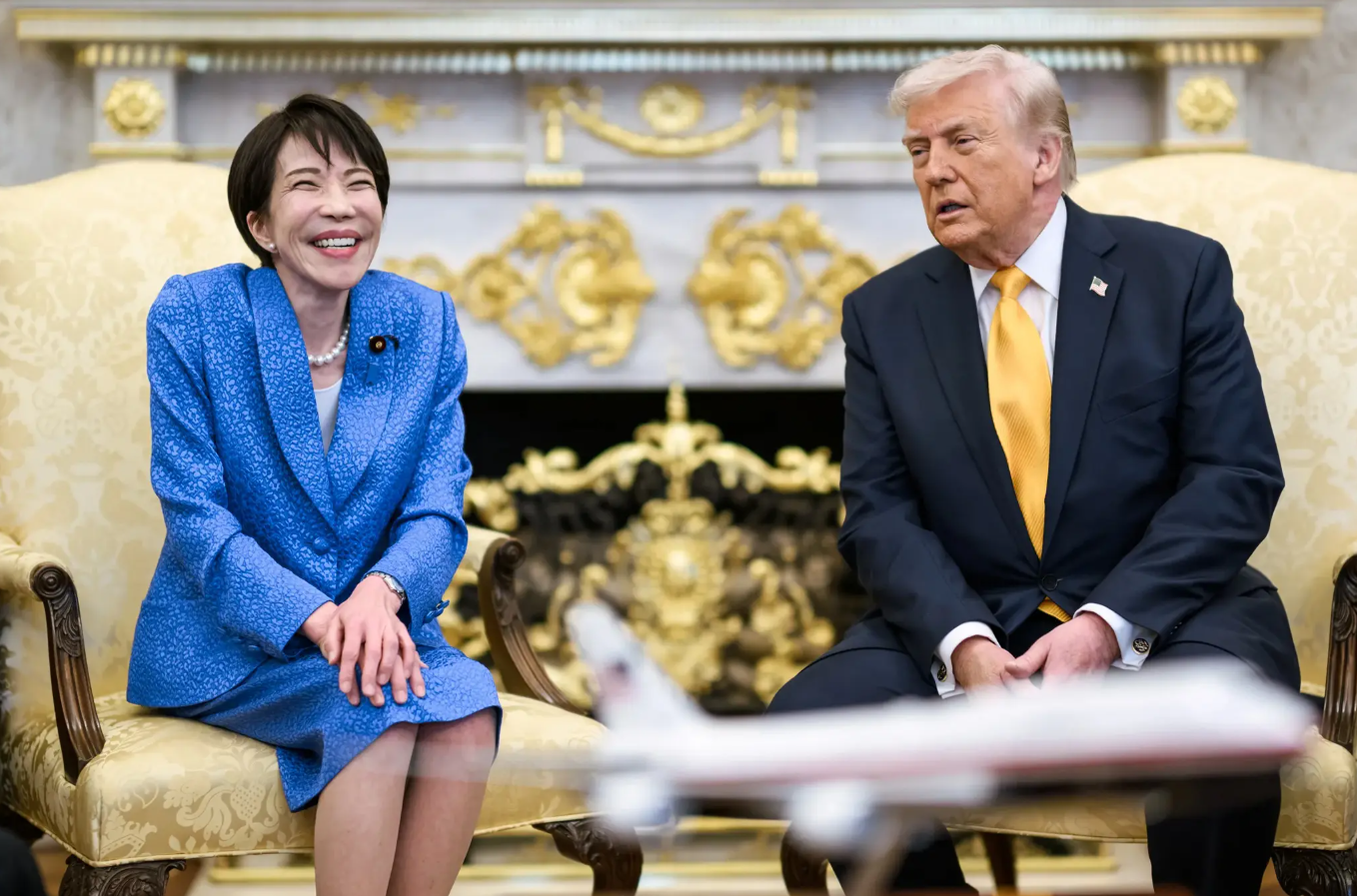
This week, the United States and Iran agreed to a conditional two-week ceasefire following more than a month of escalating strikes between U.S., Israeli, and Iranian forces. Under the agreement, both sides have committed to halting attacks while allowing limited shipping traffic to resume through the Strait of Hormuz, a critical global energy route, with coordination overseen by Iranian military authorities. The truce was announced shortly after President Donald Trump declared that the United States had "met and exceeded all military objectives," and indicated that Washington would use the pause to explore broader talks, including potential discussions on sanctions relief and tariff measures.
China has played a cautious but increasingly visible role in urging de-escalation, using its channels with Tehran to encourage acceptance of a temporary truce. While Pakistan and other regional actors led the mediation effort, China aimed to help create diplomatic space for the ceasefire talks to move forward. U.S. officials have noted that senior-level contacts with China formed part of the wider diplomatic backdrop to the discussions, underscoring Beijing's involvement in parallel diplomatic exchanges even as it stops short of acting as a formal guarantor.
This calibrated approach reflects Beijing's interest in maintaining stability in energy flows through the Gulf, limiting disruption to global trade, and preserving diplomatic flexibility ahead of expected high-level talks between President Trump and President Xi Jinping in May. Questions remain over the durability and scope of the ceasefire, particularly as tensions persist in adjacent theaters such as Lebanon. While the agreement has created a temporary pause in hostilities, its long-term stability will depend on whether parallel conflicts and competing regional objectives can be contained.
Learn more on international relations by exploring our latest Focus content, including U.S.-China economics, the conflict in the Middle East, and more.
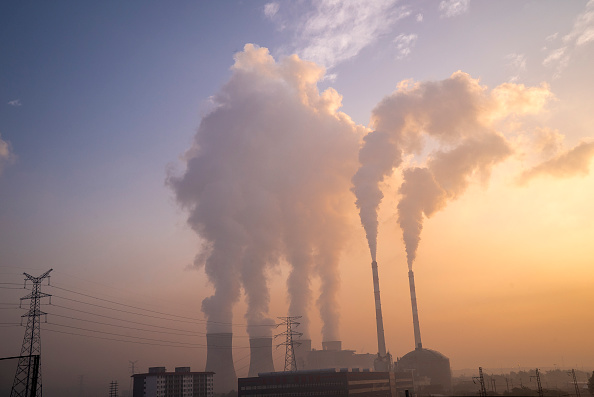
The approximate share of China's GDP driven by high-end manufacturing, highlighting the sector's still-limited role in powering overall economic growth.
Learn more in "Can China Grow From Within?" by Keyu Jin, Professor of Economics at the Hong Kong University of Science and Technology.
The Kingdom of Bicycles and the Rise of Shared Rides | Jennifer Holstein
Watch VideoIn this episode of The China Current, content collaborator Jennifer Holstein shares how China has gone from the "Kingdom of Bicycles" to today's shared bike boom, with streets once again buzzing on two wheels.
Question of the Week:
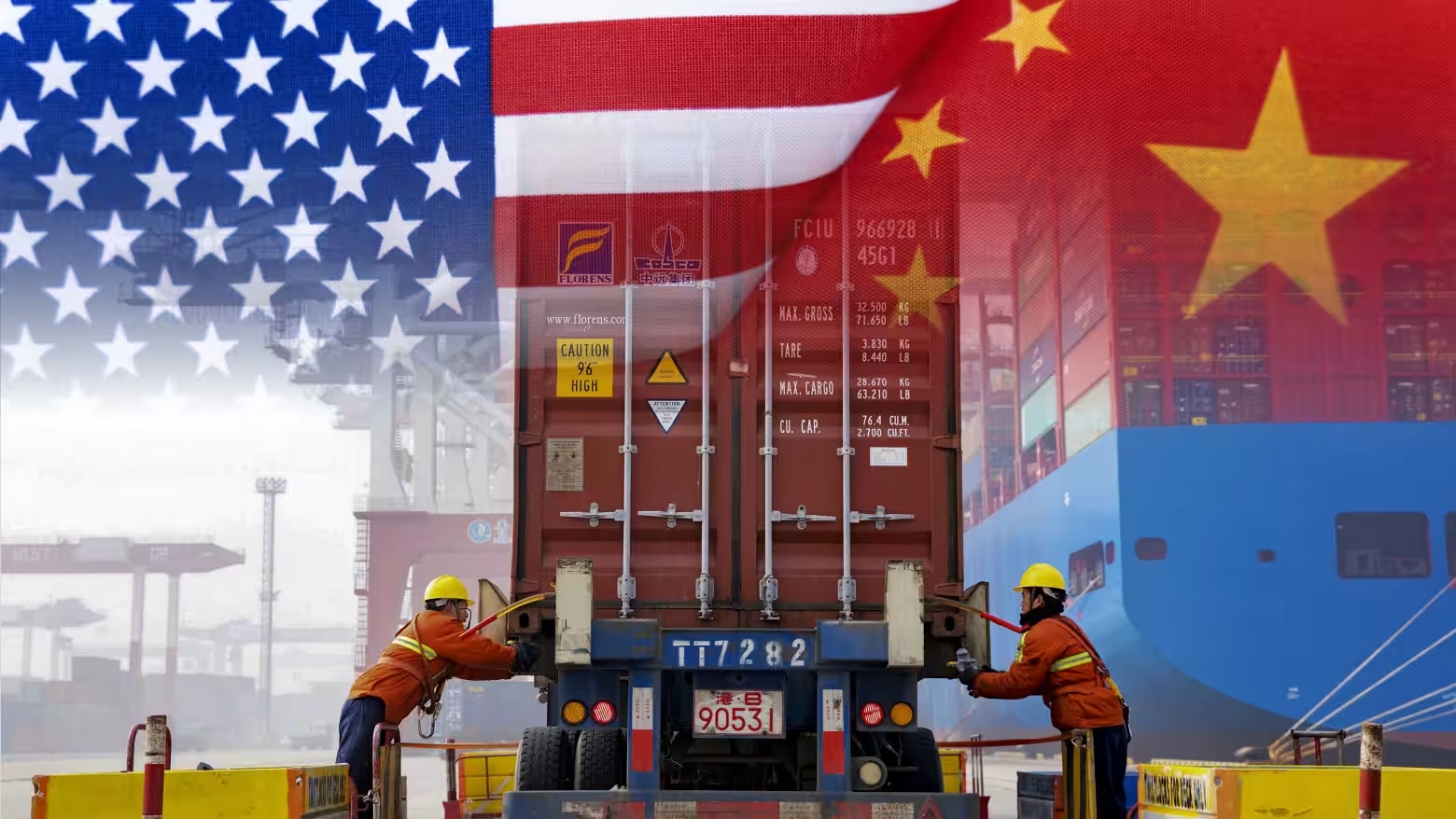
In our Focus Insights section, we shared an article by Robin Hu of the Milken Institute discussing why U.S.-China "decoupling" is not occurring and how global trade and investment patterns are adapting to policy changes.
We want to hear from you!
How do you see trade and investment flows evolving in response to ongoing economic and policy shifts between major economies?
Submit your thoughts to USeditor@chinausfocus.com for a chance to be featured in next week's Focus This Week.
useditor@chinausfocus.com for more info.
Powered by
Prepared by China-US Focus editorial teams in Hong Kong and New York, this weekly newsletter offers you snap shots of latest trends and developments emerging from China and the U.S. every week. It is a community space to exchange thoughts and ideas about the China-U.S. relationship and beyond.
- 2026-03-27 Focus This Week: Beijing Bound
- 2026-03-13 Focus This Week: Targeting Stability
- 2026-03-06 Focus This Week: Tehran Tensions
- 2026-02-27 Focus This Week: Tariff Turnaround
- 2026-02-13 Focus This Week: A Critical Period
- 2026-02-06 Focus This Week: The Telephone Hour
- 2026-01-30 Focus This Week: Balancing Acts
- 2026-01-23 Focus This Week: Delicate Equilibrium
- 2026-01-16 Focus This Week: Trade Winds
- 2026-01-09 Focus This Week: Sovereignty at Stake
- 2025-12-19 Focus This Week: Between the Lines
- 2025-12-12 Focus This Week: Strategic Realignments
- 2025-12-05 Focus This Week: Cooperation on Track
- 2025-11-21 Focus This Week: Dialogue Forward
- 2025-11-15 Focus This Week: Seeking Peace
