
Dear Focus reader,
Last week, the U.S. Supreme Court ruled 6-3 that the White House cannot use the International Emergency Economic Powers Act (IEEPA) to impose tariffs — stripping the legal basis for several of President Trump's recent China-related duties, including a 10% tariff on most Chinese imports imposed under that statute, just weeks before his planned March 31-April 2 visit to Beijing to meet Xi Jinping.
The case concerned two sets of measures the administration had justified as national-emergency actions under IEEPA: so-called "drug trafficking" tariffs, including a 10% duty on most Chinese imports, and "reciprocal" tariffs imposing a duty on all imports from all trading partners of at least 10%, with higher rates for dozens of countries. The Court did not weigh in on the policy merits of those measures; it ruled strictly on statutory authority, concluding that Congress had not delegated tariff-imposing power to the president under IEEPA.
Beijing responded cautiously. A spokesperson for the Chinese Embassy in Washington said tariff and trade wars serve neither country's interests and urged both sides to work together to provide "greater certainty and stability" for bilateral economic ties and the global economy. They also noted that the ruling "would seem to strengthen China's hand" ahead of the leaders' meeting, though Chinese officials have stopped short of declaring a negotiating victory.
President Trump has said he will look to "other laws" to pursue tariff action if necessary, signaling that trade pressure remains on the table even as the legal pathway shifts. For now, however, the ruling narrows the administration's emergency tariff authority ahead of a summit both sides have framed as an effort to stabilize the relationship.
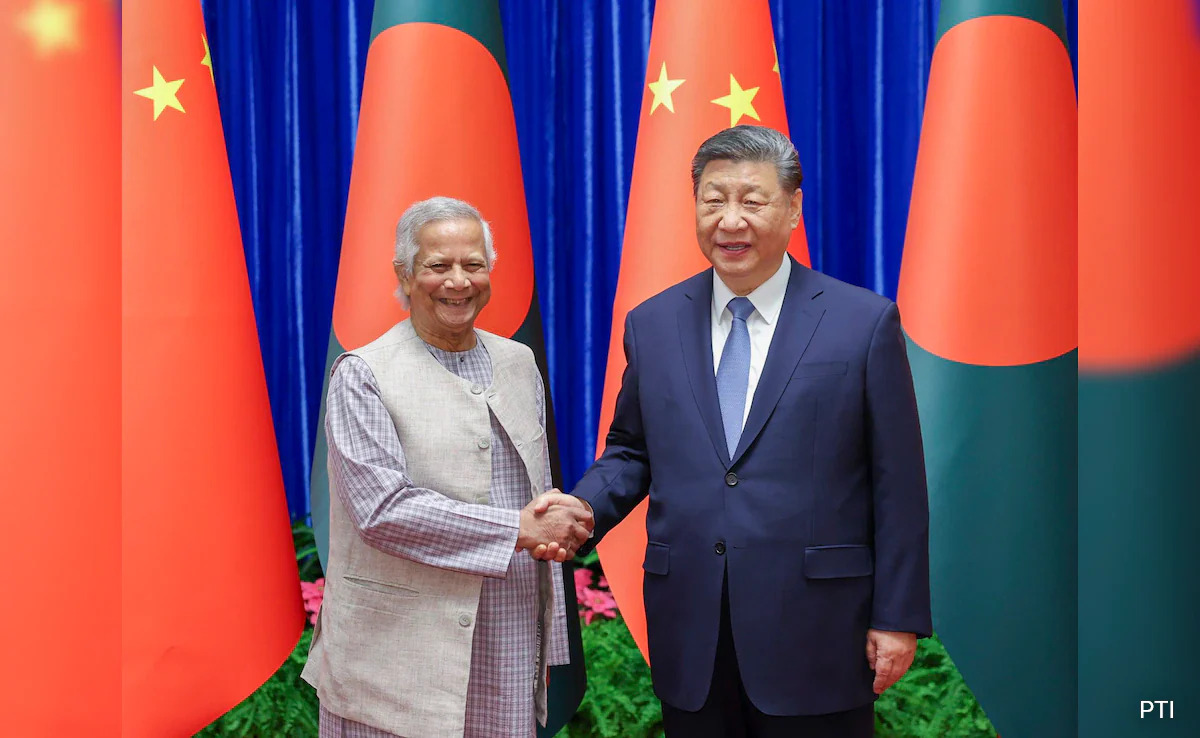
Learn more on international relations by exploring our latest Focus content, including topics China-U.S. disconnect, China-Bangladesh relations, and more.
"Indeed, perhaps the real key to bamboo diplomacy lies with the ability to dance with both the dragon and the eagle alike. In this tradition, Vietnam is certainly the definitive maestro."
The total inbound and outbound crossings processed by China's immigration authorities in 2025.
Learn more in "China's Visa‑Free Opening: Welcoming the World, Shaping the Narrative" by Ghulam Ali.
What's so special about this year - the year of the horse?
Watch VideoQuestion of the Week:
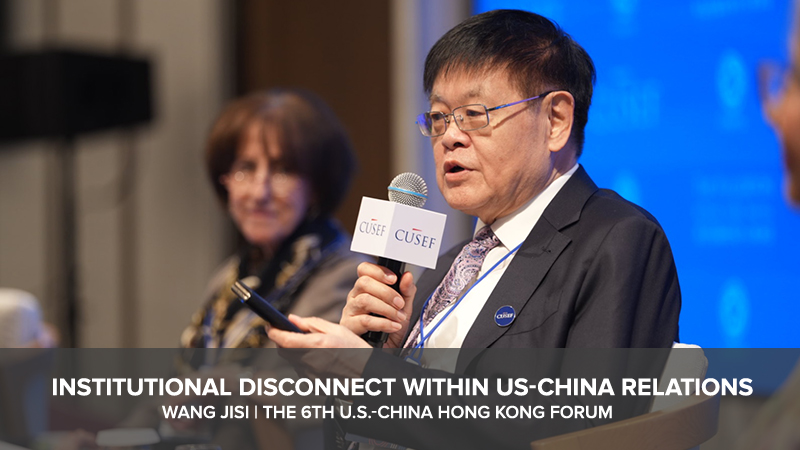
In our Focus Insights section, we featured an interview with Professor Wang Jisi, who highlights that while U.S. and Chinese leaders maintain amicable personal ties, government-to-government and societal engagement remain weak, with declining expertise and enthusiasm about China among U.S. officials.
What steps can the United States and China take to revitalize mutual interest and rebuild expertise in each other's countries?
Submit your thoughts to USeditor@chinausfocus.com for a chance to be featured in next week's Focus This Week.
useditor@chinausfocus.com for more info.
Powered by
Prepared by China-US Focus editorial teams in Hong Kong and New York, this weekly newsletter offers you snap shots of latest trends and developments emerging from China and the U.S. every week. It is a community space to exchange thoughts and ideas about the China-U.S. relationship and beyond.
- 2026-02-13 Focus This Week: A Critical Period
- 2026-02-06 Focus This Week: The Telephone Hour
- 2026-01-30 Focus This Week: Balancing Acts
- 2026-01-23 Focus This Week: Delicate Equilibrium
- 2026-01-16 Focus This Week: Trade Winds
- 2026-01-09 Focus This Week: Sovereignty at Stake
- 2025-12-19 Focus This Week: Between the Lines
- 2025-12-12 Focus This Week: Strategic Realignments
- 2025-12-05 Focus This Week: Cooperation on Track
- 2025-11-21 Focus This Week: Dialogue Forward
- 2025-11-15 Focus This Week: Seeking Peace
- 2025-11-07 Focus This Week: Beyond Busan
- 2025-10-31 Focus This Week: A "12 out of 10" Meeting
- 2025-10-24 Focus This Week: Staying "On Track"
- 2025-10-17 Focus This Week: Trade Strains, Policy Plans
- 2025-10-10 Focus This Week: Tariff Tensions, Rattled Markets
- 2025-10-03 Focus This Week: Shutdown Diplomacy
