
Dear Focus Reader,
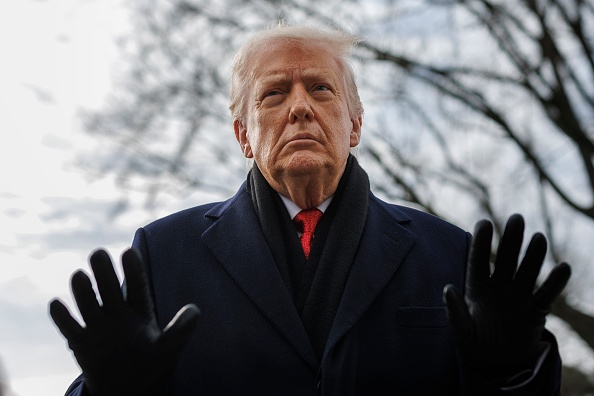
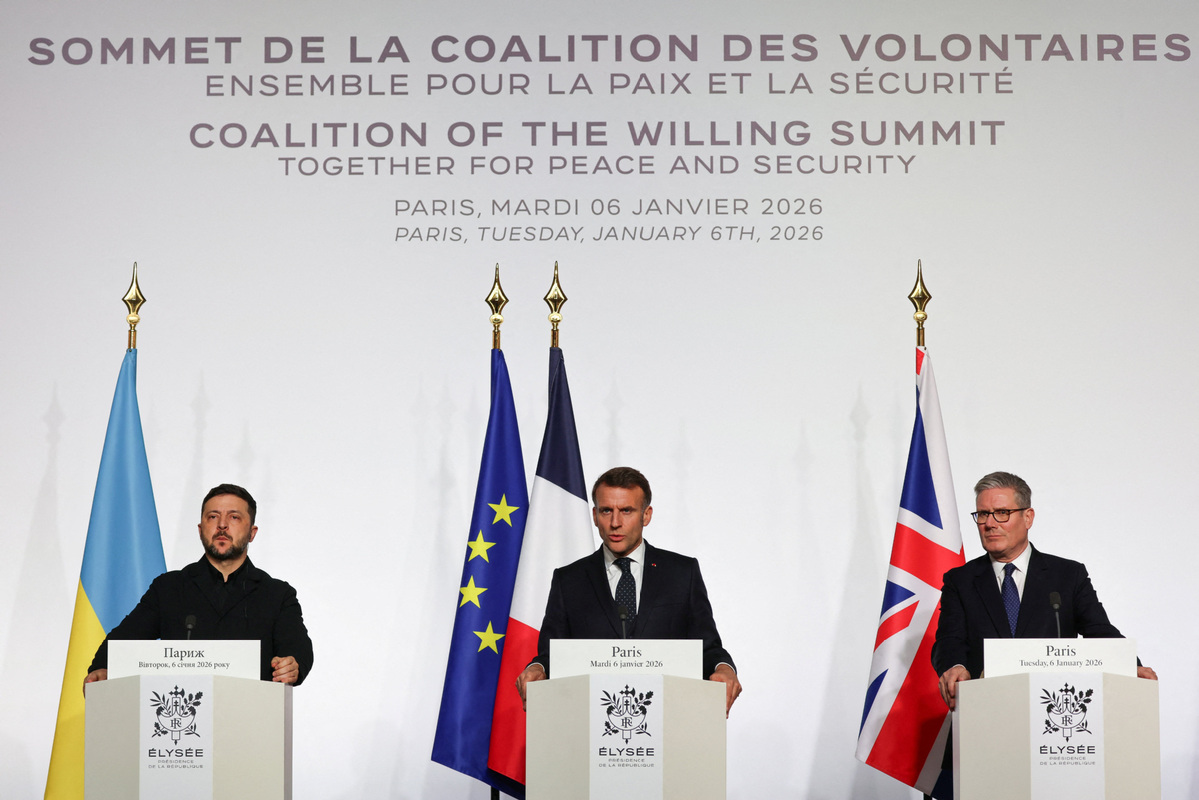
Britain's effort to reset ties with China made global headlines this week as Prime Minister Keir Starmer wrapped up a landmark visit to Beijing—moves Beijing has cast as evidence of a broader international recalibration toward China, even as Washington watched warily. U.S. President Donald Trump reportedly warned that it would be "very dangerous" for the U.K. to deepen business ties with China, comments Starmer later downplayed, noting Trump was "talking more about Canada" and emphasizing that London had coordinated the visit with U.S. officials in advance.
During meetings with President Xi Jinping, Starmer secured a series of modest but symbolically significant outcomes, including 30-day visa-free travel for British citizens, halved tariffs on Scotch whisky, and the lifting of Beijing's sanctions on several serving British members of Parliament and peers. Supporters framed these steps as pragmatic efforts to rebuild dialogue after years of tension, while critics cautioned that the visit achieved little on deeper security disputes or human rights concerns
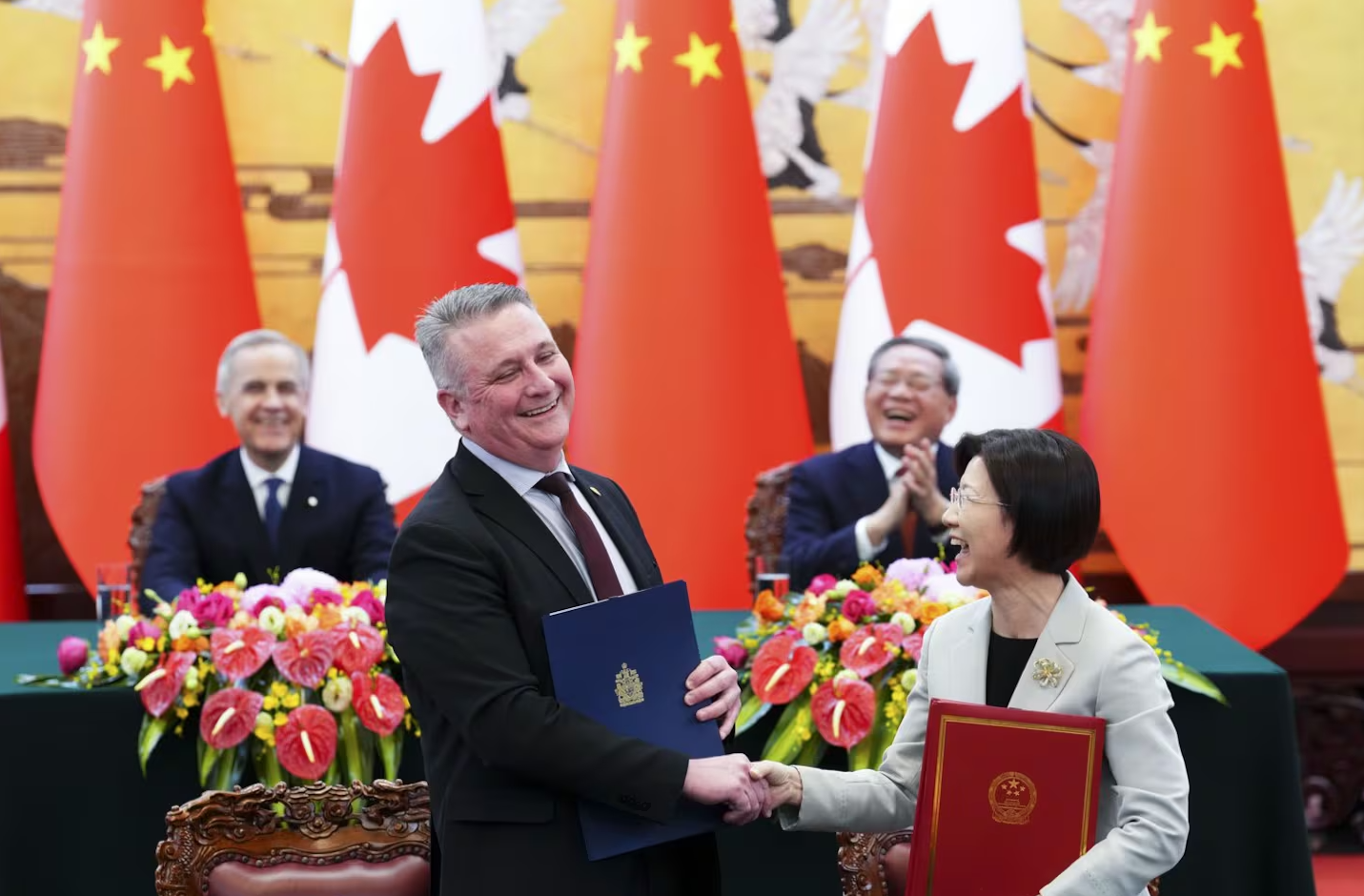
Meanwhile, Canada also moved cautiously to expand ties with China while avoiding direct confrontation with Washington. Prime Minister Mark Carney announced targeted tariff reductions on electric vehicles and canola, but emphasized that Canada has no intention of pursuing a full free trade agreement. The measures come amid explicit U.S. warnings: Trump threatened that Canada would face a "100 % tariff against all…goods and products coming into the U.S." if it pursued a broader deal with Beijing. The dynamic illustrates increasing shifts in how middle powers balance pursuing economic opportunities in China with strategic and economic pressures imposed by the United States.
Learn more on international relations by exploring our latest Focus content, including articles on diplomatic relations, foreign policy, and more.
The estimated annual savings for American households from Trump's proposed 10% cap on credit card interest rates.
Learn more in "Trump's 'Affordability' Poses Long-Term Uncertainties," by Ma Xue.
Why I Talk About China | Fung Bros
Watch VideoIn this episode of China Current, Andrew Fung of the Fung Bros reflects on why he speaks so often about China—and how being an American-born Chinese has shaped that perspective.
Question of the Week:
In our Focus Insights section, we featured an article by Muhammad Azam analyzing Canadian Prime Minister Mark Carney's visit to China, highlighting how the trip reflects growing Western engagement with the East and signals a broader shift in global political and economic focus.
We want to hear from you!
How can Western countries navigate strategic engagement with China while balancing relations with the United States?
Submit your thoughts to USeditor@chinausfocus.com for a chance to be featured in next week's Focus This Week.
useditor@chinausfocus.com for more info.
Powered by
Prepared by China-US Focus editorial teams in Hong Kong and New York, this weekly newsletter offers you snap shots of latest trends and developments emerging from China and the U.S. every week. It is a community space to exchange thoughts and ideas about the China-U.S. relationship and beyond.
- 2026-01-23 Focus This Week: Delicate Equilibrium
- 2026-01-16 Focus This Week: Trade Winds
- 2026-01-09 Focus This Week: Sovereignty at Stake
- 2025-12-19 Focus This Week: Between the Lines
- 2025-12-12 Focus This Week: Strategic Realignments
- 2025-12-05 Focus This Week: Cooperation on Track
- 2025-11-21 Focus This Week: Dialogue Forward
- 2025-11-15 Focus This Week: Seeking Peace
- 2025-11-07 Focus This Week: Beyond Busan
- 2025-10-31 Focus This Week: A "12 out of 10" Meeting
- 2025-10-24 Focus This Week: Staying "On Track"
- 2025-10-17 Focus This Week: Trade Strains, Policy Plans
- 2025-10-10 Focus This Week: Tariff Tensions, Rattled Markets
- 2025-10-03 Focus This Week: Shutdown Diplomacy
- 2025-09-26 Focus This Week: Turning Up the Heat
- 2025-09-19 Focus This Week: TikTok on the Table
- 2025-09-12 Focus This Week: A New Shift?
- 2025-09-05 Focus This Week: Parade of Power
