
Dear Focus reader,
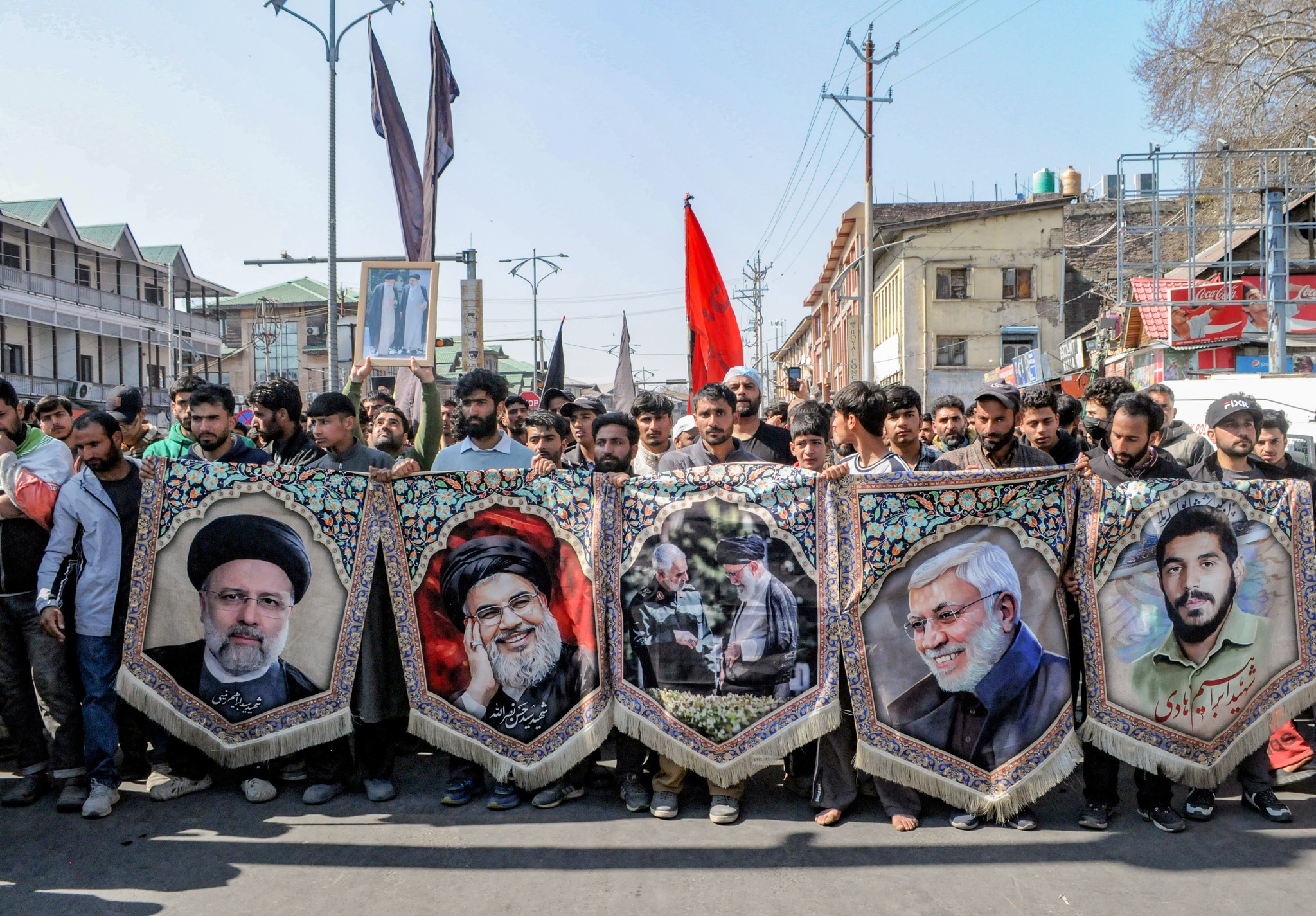
Last week, the United States and Israel launched coordinated strikes on Iran, targeting Tehran and multiple military sites across the country. Iranian Supreme Leader Ayatollah Ali Khamenei was killed, along with dozens of senior officials, leaving a power vacuum in the country. The Trump Administration framed the operation as defensive, aimed at neutralizing potential threats from Iran and preventing the development of nuclear weapons. Iran retaliated with missile strikes against U.S. and Israeli positions in the region, while Iranian-backed groups, including Hezbollah, engaged in attacks on Israel and neighboring territories.
The strikes have disrupted ongoing nuclear negotiations and raised concerns over regional stability, global energy supplies, and the security of sensitive nuclear materials. Gulf states and other international actors have called for restraint, emphasizing the risk of further escalation. Domestically, U.S. public opinion remains divided, with many Americans questioning whether Congress should authorize continued military operations.
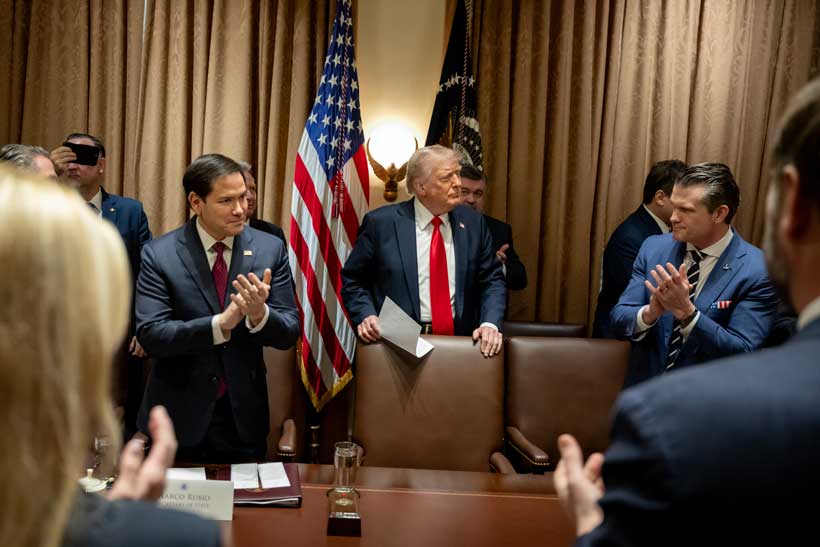
The military operations in Iran and Venezuela are also shaping U.S.‑China relations ahead of President Trump's upcoming summit with Xi Jinping. Chinese officials have stated that they "firmly oppose and strongly condemn" the U.S.‑Israeli strikes, and urged an immediate halt to military operations, a return to dialogue and negotiation, and efforts to prevent further escalation and regional spillover, while U.S. officials argue that these actions demonstrate decisive engagement that could influence China's posture in trade and strategic negotiations.
Global energy prices have risen significantly in response to these operations, raising concerns in international markets. This comes as reports emerged this week that U.S. Treasury Secretary Scott Bessent is considering asking his Chinese counterpart, Vice Premier He Lifeng, to reduce China's oil purchases from Russia and Iran and instead buy more from America. The two officials are expected to meet in Paris later this month to firm up a framework for the heads of state meeting in April.
Meanwhile, Trump is hosting top Latin American leaders at a summit in Washington, aiming to reinforce regional alliances and counter China's influence in the hemisphere, even as U.S. operations in Iran and the earlier Venezuela raid put diplomatic pressure on his partners.
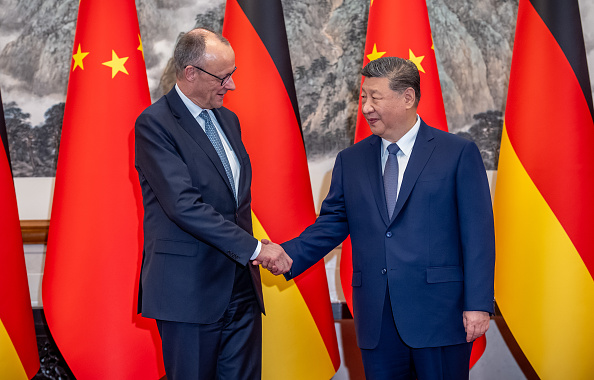
Learn more on international relations by exploring our latest Focus content, including topics on global security, Sino-European relations, geopolitics, and more.
The number of parliamentary seats won by Myanmar's military-backed Union Solidarity and Development Party in the 2026 elections.
Learn more in "Wherefore China‑Myanmar Relations in 2026?" by Brian Wong.
CNY Travel | Kyle Obermann
Watch VideoIn this episode of China Current, contributor Kyle Obermann explores the incredible scale of Chinese New Year travel — over a billion people taking more than nine billion trips.
Question of the Week:
In our Focus Insights section, we featured an article by Stephen Holmes, analyzing how recent U.S.-Israeli strikes on Iran could create a power vacuum, leaving nuclear material and expertise dispersed and difficult to secure.
How should global powers balance military action with long-term stability in fragile states?
Submit your thoughts to USeditor@chinausfocus.com for a chance to be featured in next week's Focus This Week.
useditor@chinausfocus.com for more info.
Powered by
Prepared by China-US Focus editorial teams in Hong Kong and New York, this weekly newsletter offers you snap shots of latest trends and developments emerging from China and the U.S. every week. It is a community space to exchange thoughts and ideas about the China-U.S. relationship and beyond.
- 2026-02-27 Focus This Week: Tariff Turnaround
- 2026-02-13 Focus This Week: A Critical Period
- 2026-02-06 Focus This Week: The Telephone Hour
- 2026-01-30 Focus This Week: Balancing Acts
- 2026-01-23 Focus This Week: Delicate Equilibrium
- 2026-01-16 Focus This Week: Trade Winds
- 2026-01-09 Focus This Week: Sovereignty at Stake
- 2025-12-19 Focus This Week: Between the Lines
- 2025-12-12 Focus This Week: Strategic Realignments
- 2025-12-05 Focus This Week: Cooperation on Track
- 2025-11-21 Focus This Week: Dialogue Forward
- 2025-11-15 Focus This Week: Seeking Peace
- 2025-11-07 Focus This Week: Beyond Busan
- 2025-10-31 Focus This Week: A "12 out of 10" Meeting
- 2025-10-24 Focus This Week: Staying "On Track"
- 2025-10-17 Focus This Week: Trade Strains, Policy Plans
- 2025-10-10 Focus This Week: Tariff Tensions, Rattled Markets
