Li Bin, Professor, Tsinghua University
Mar 06, 2017
The decision to deploy a Theater High Altitude Area Defense (THAAD) system in the Republic of Korea (ROK) by the ROK and the United States caused strong diplomatic reactions from China. Further negative interactions between the ROK and China may develop if the two countries cannot find a solution.
Sampson Oppedisano, Executive Assistant to the Dean, The Milano School of International Affairs, Management and Urban Policy
Mar 03, 2017
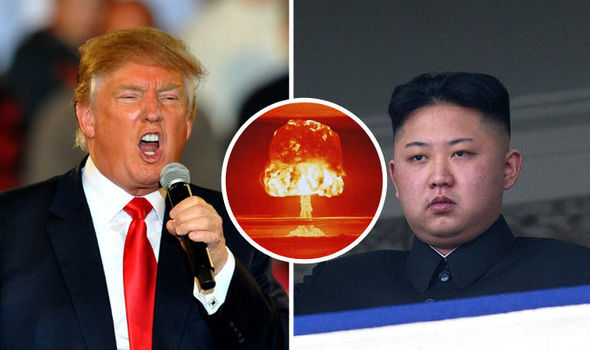
Since his days on the campaign trail, Trump has been a huge critic of China. However, he will need to come to terms with the fact that criticizing and alienating China, especially over the threat that North Korea poses, is not wise. North Korea will serve as a test of not just Trump’s ability to make a deal but also his ability to employ diplomacy with a rival to address a common and growing threat.
Fan Gaoyue, Guest Professor at Sichuan University, Former Chief Specialist at PLA Academy of Military Science
Feb 27, 2017
Participants in the Six Party Talks can take four paths to progress: Make denuclearization of the Peninsula their collective top priority; make a military strike an option as talks resume; initiate peace treaty talks concurrently; and take confidence-building steps to make negotiations more inviting.
Yang Xiyu, Senior Fellow, China Institute of Int'l Studies
Jan 17, 2017
Chaos on the Korean Peninsula would have a direct and far-reaching impact on the security environment of China. China push for the principle of “no war, no chaos and no nuclear weapons” on the Peninsula will become even stronger amid uncertainties posed by the election of Donald Trump and the planned tests by the DPRK.
Yin Chengde, Research Fellow, China Foundation for International Studies
Oct 19, 2016
The confrontation regarding plans for the THAAD system might lead to unbearable consequences if the situation gets worse. The only reasonable course for Washington and Seoul is to abandon the deployment.
Darcie Draudt, non-resident James A. Kelly Korean Studies fellow, Pacific Forum CSIS
Sep 02, 2016
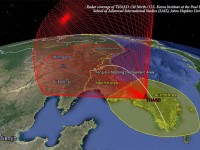
In early July, South Korea decided to allow the United States to deploy the Terminal High-Altitude Area Defense (THAAD) system. At the heart of this issue is the difference in how China and the United States view the role of South Korea and decisions related to the security and stability of the peninsula.
Yang Xiyu, Senior Fellow, China Institute of Int'l Studies
Aug 18, 2016
No matter how the wrangling over THAAD evolves, it will ignite strategic gaming as well as new and high military technology competition among major powers. Pentagon planners may be rejoicing over the ROK decision to embrace the American project, but the US will have no control over the reaction to the deployment.
Fan Gaoyue, Guest Professor at Sichuan University, Former Chief Specialist at PLA Academy of Military Science
Aug 09, 2016
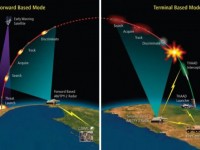
Seoul should fully understand the consequences of THAAD in the ROK, reverse the deployment decision and cooperate with countries concerned in an effort to force the DPRK to abandon its nuclear project and mitigate the tense situation in the Korean Peninsula. THAAD will only produce two winners: the U.S. and the DPRK.
Back to Top

- China-US Focus builds trust and understanding between the U.S. and China through open dialogue among thought leaders.