Zhang Yun, Professor, School of International Relations, Nanjing University
Sep 04, 2026
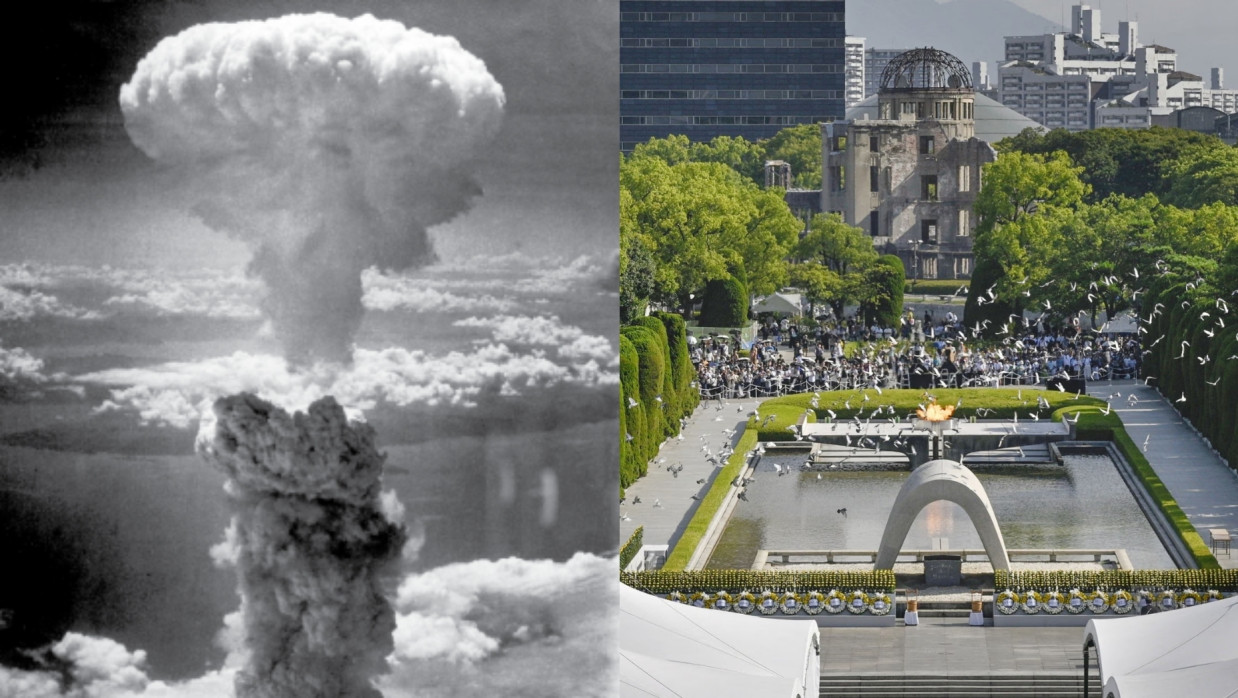
Revising Japan’s three non-nuclear principles would require far more than a simple adjustment to national security policy. It would concern Japan’s ultimate choice of national identity and could profoundly shape the future direction of the security architecture in Northeast Asia.
Antony Dabila, Research Fellow at CEVIPOF at Sciences Po
Apr 10, 2026
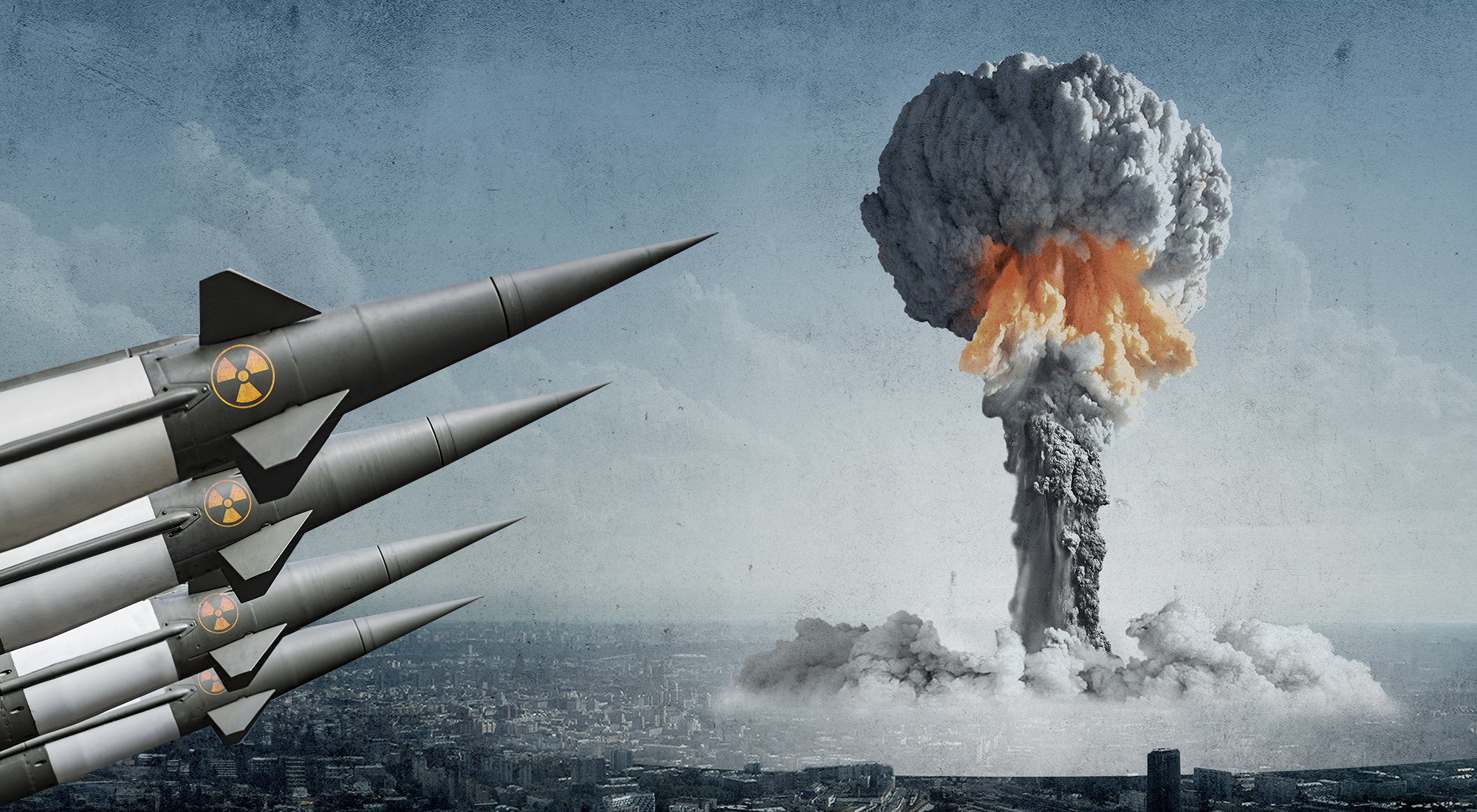
Nuclear weapons made wars of conquest between great powers unthinkable. After 1945, nuclear powers could still confront one another, but only indirectly, through proxy conflicts and peripheral crises. However bloody, these conflicts were not expected to approach the violence of the 20th century’s two world wars.
Richard Weitz, Senior Fellow, Hudson Institute
Apr 10, 2026
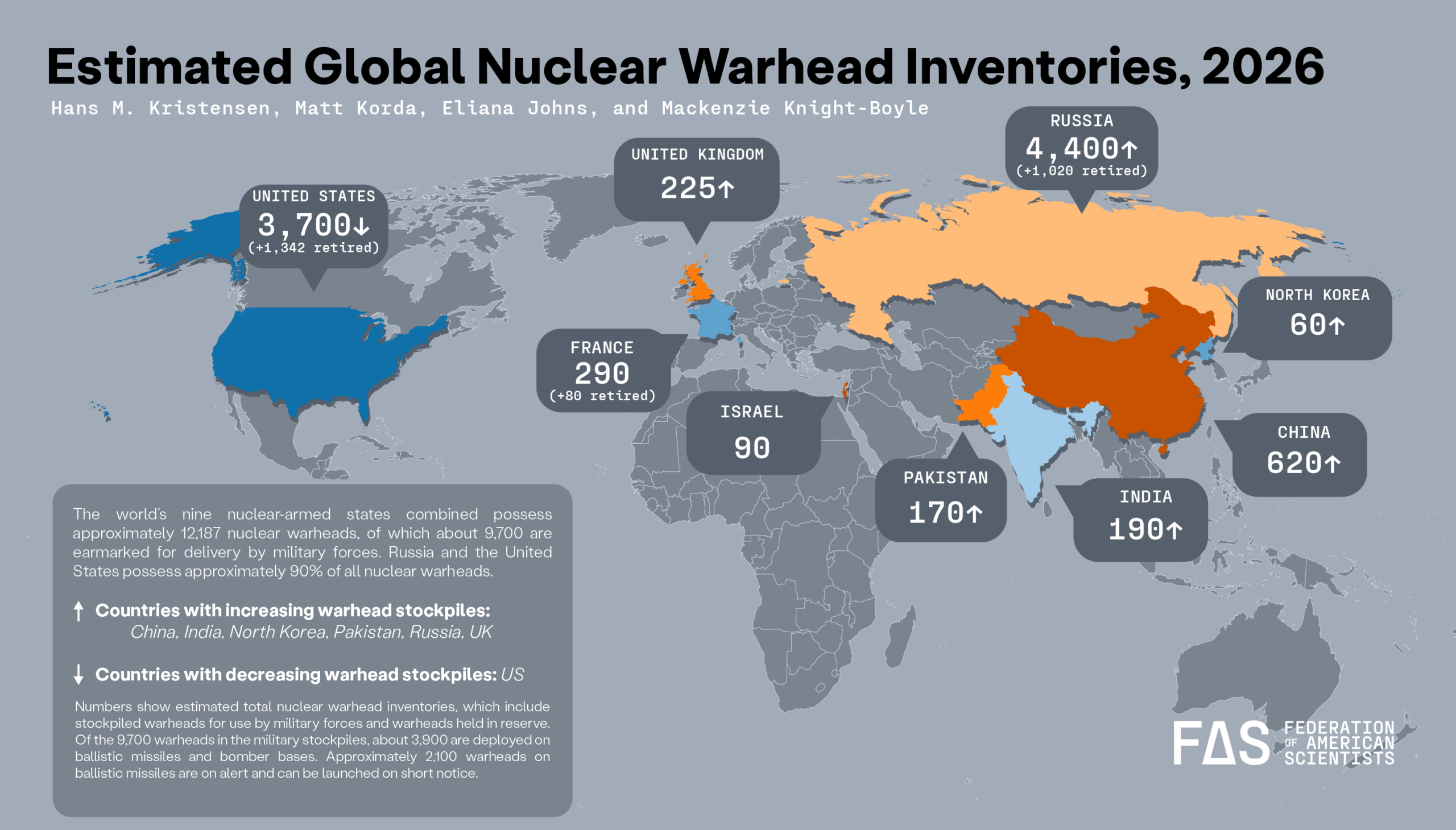
Presidents Xi and Trump should address the issue of nuclear weapons testing along with nuclear arms control to enhance strategic stability between China and the United States.
Dan Steinbock, Founder, Difference Group
Apr 04, 2026
After one month of hostilities and no exit plans, the lethal costs of the U.S.-Israel joint war against Iran are global. How will the crisis reverberate against the backdrop of elevated U.S.-China relations?
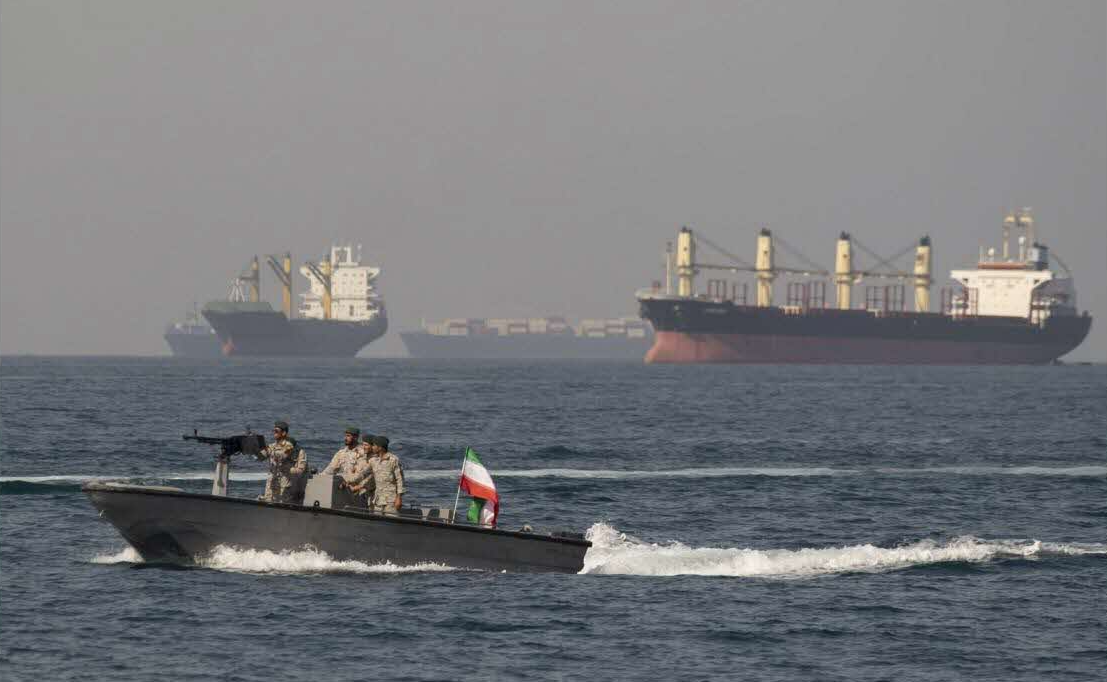
Jin Liangxiang, Senior Research Fellow, Shanghai Institute of Int'l Studies
Mar 29, 2026
The pretext for Trump’s aggression against Iran, in partnership with Israel, is flimsy. As the saying goes, even a gentle rabbit may bite when cornered. The current war is, in some respects, an extreme manifestation of hegemony. And the whole world is paying the price.
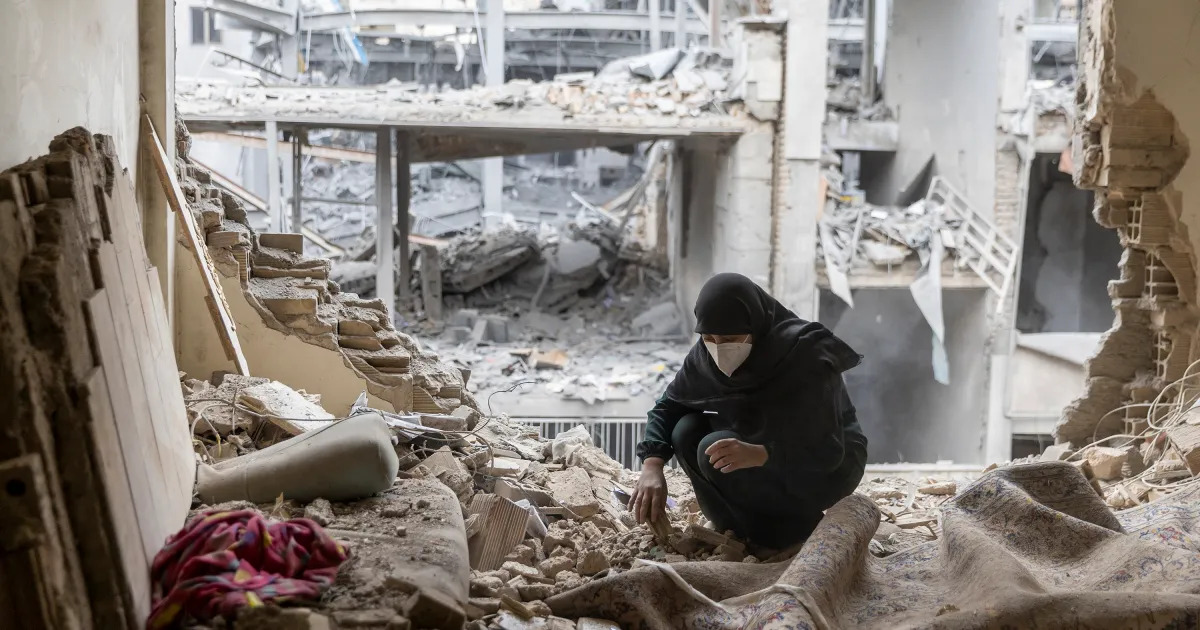
Lucio Blanco Pitlo III, Member of Board of Directors, Philippine Association for Chinese Studies
Mar 27, 2026
The U.S.-Israel war with Iran is exposing widening reluctance among American allies to support the conflict, signaling potential erosion in U.S. global influence. At the same time, moves to bypass the U.S. dollar in oil trade, amid growing Chinese involvement, could challenge the petrodollar and reshape the global energy order.
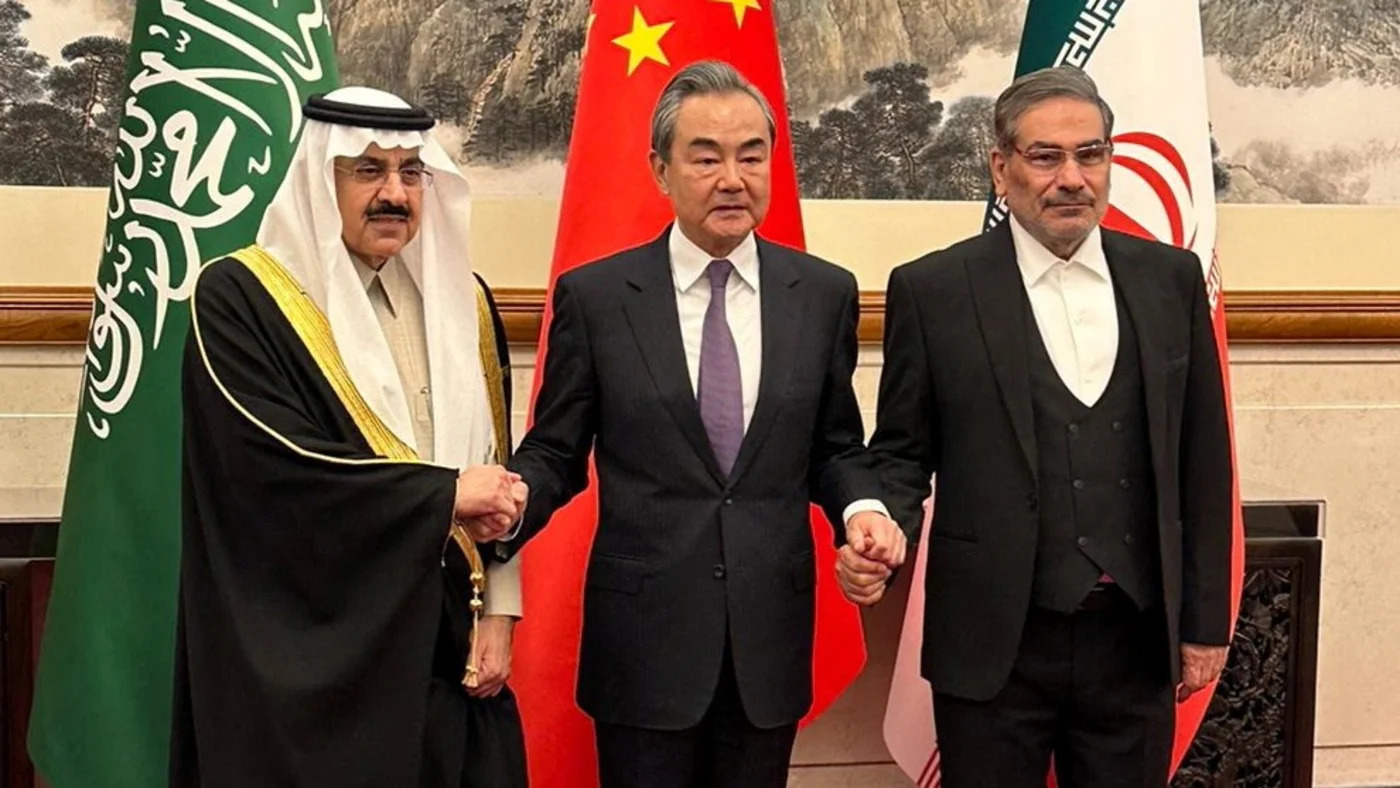
Brian Wong, Assistant Professor in Philosophy and Fellow at Centre on Contemporary China and the World, HKU and Rhodes Scholar
Mar 27, 2026
The U.S.-Israel strikes on Iran have heightened regional instability while exposing China’s complex strategic dilemma, as Beijing seeks to safeguard critical energy imports and investments without becoming directly involved. Balancing ties with Iran, Gulf states, and the West, China is pursuing a cautious, deliberately ambiguous approach to protect its broader geopolitical and economic interests.
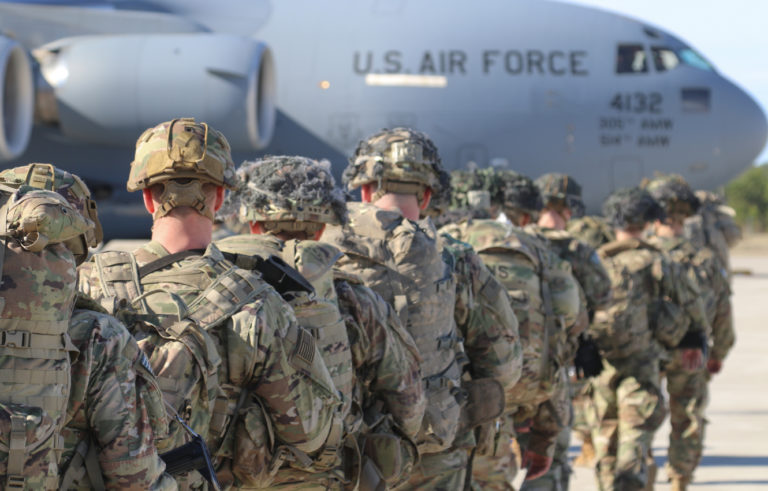
Warwick Powell, Adjunct Professor at Queensland University of Technology
Mar 20, 2026
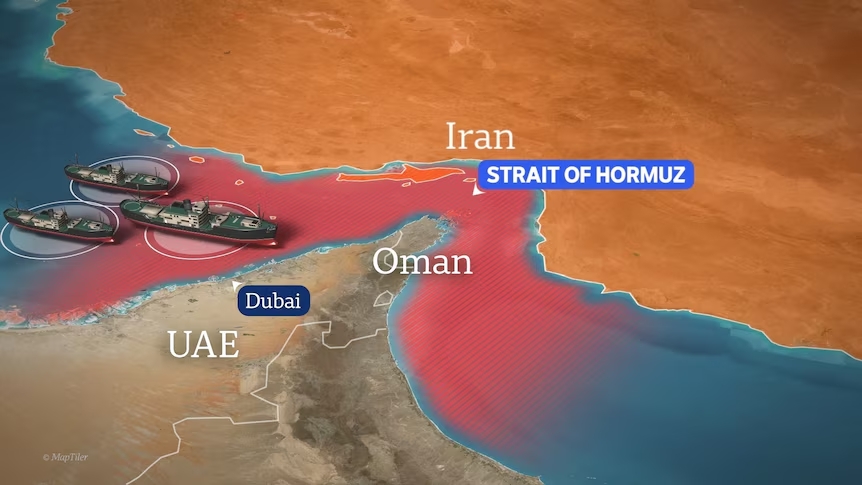
Two weeks into the U.S.-Israeli military campaign against Iran - launched on 28 February 2026 with the explicit aim of decapitating leadership, and ostensible objectives of degrading nuclear and missile capabilities, so as to trigger regime collapse - the conflict has instead evolved into a grinding quagmire. What Washington anticipated as a swift application of air superiority leading to internal disintegration has produced the opposite: a politically consolidated Iranian state, depleted U.S. and allied air-defence stocks, Iranian control over the Strait of Hormuz, and a cascading energy shock rippling across global markets.
Zhu Zhaoyi, Executive Director of the Institute of Middle East Studies, Peking University HSBC Business School.
Mar 19, 2026
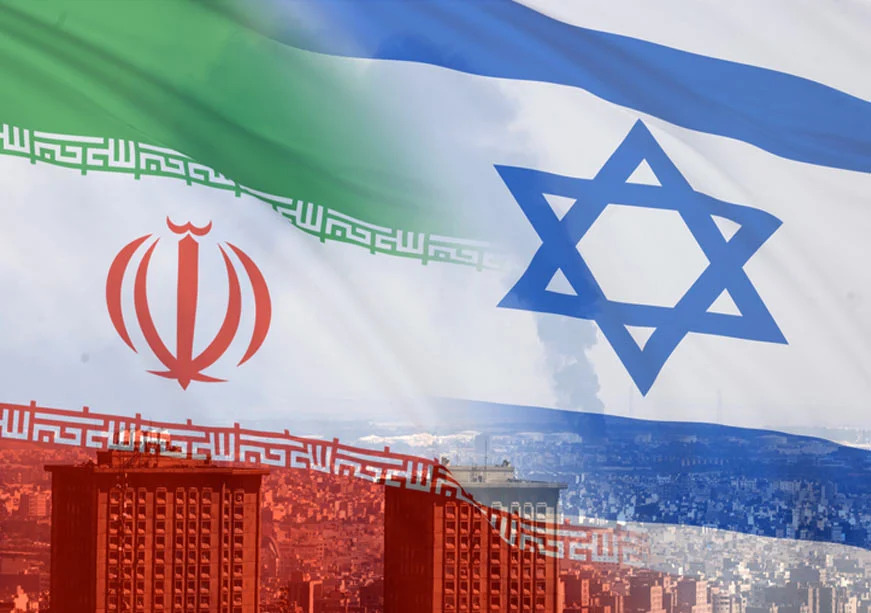
Each has three core national objectives that are internally contradictory. Any two can be pursued simultaneously, but never all three. Until these triangles are broken, there will be no lasting peace in the Middle East—only the same fire burning in different forms.
Dan Steinbock, Founder, Difference Group
Mar 13, 2026
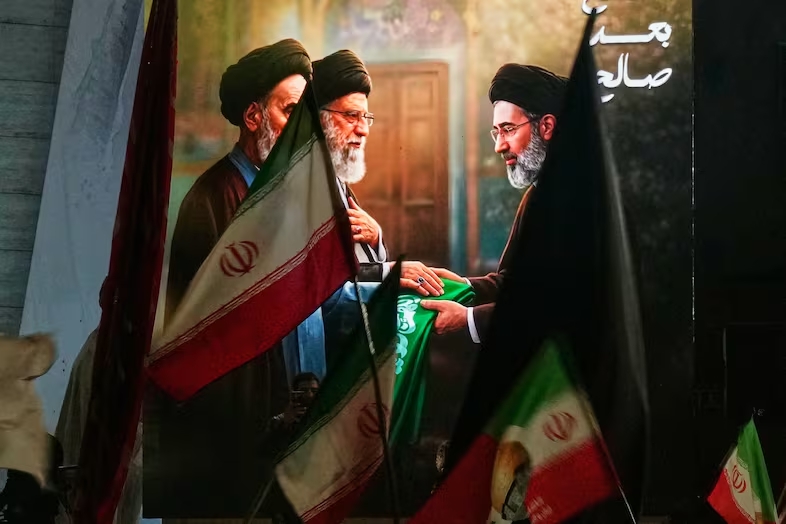
The chaotic conditions created by the U.S./Israeli war against Iran are now in an escalatory phase. The reverberations will be severe worldwide.
Back to Top

- China-US Focus builds trust and understanding between the U.S. and China through open dialogue among thought leaders.