
When a small state assumes the protection of a bigger ally under any circumstance, conflicts erupt. Will the U.S. and China learn from history?
Throughout history, small allies and clients have entangled their great power patrons in needless geopolitical crises and sometimes even bloody wars. The tragic events leading to World War I in 1914 are a classic example. Similar dangers exist today in the international system.
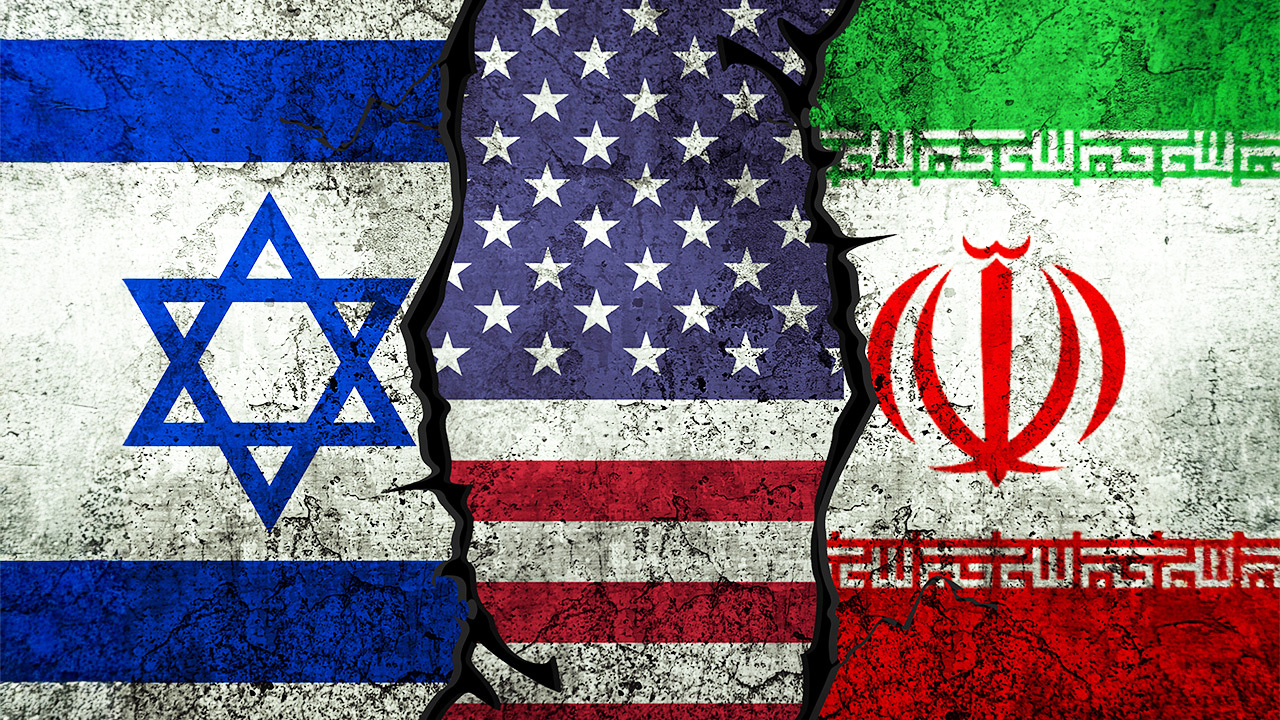
Washington’s most daring “loose cannon” ally is Israel. Tel Aviv has pursued its aggressive agenda against multiple Islamic targets. Most recently, crushing opponents in Gaza, Lebanon, and Iran has become Israel’s top priority, and the negative effects on regional and global stability have been devastating. Israeli attacks on Iran’s air defenses in the spring of 2025 helped pressure the Trump administration to launch B-2 bomber assaults on Tehran’s nuclear installations. More recently, Tel Aviv’s actions, including missile strikes against Iran and assassinating Iranian leaders triggered a wider U.S.-led war against Iran.
The People’s Republic of China (PRC) also has suffered headaches in dealing with a small, volatile ally, the Democratic People’s Republic of Korea (DPRK), that repeatedly pursues its own policy agenda. There is a long history of very close relations between Beijing and Pyongyang. Mao Zedong even stated during the Korean War that the bilateral relationship was “as close as lips and teeth.” Numerous officials from both countries have repeated that phrase throughout the years since then. (A variation describes the alliance as close as “teeth and gums,” with the same implication).
Nevertheless, Beijing’s concerns about the behavior of its small, radical client have been building--especially since Pyongyang began pursuing a nuclear weapons program in the 1990s and started conducting underground nuclear tests in the early 2000s. PRC civilian and military officials justifiably worry that North Korea’s actions contribute to political and military tensions in Northeast Asia and could even trigger a catastrophic war.
Beijing attempted to reassure its Korean ally that China would continue to firmly protect the DPRK’s security. The PRC’s underlying message was that a North Korean nuclear weapons program, therefore, was both unnecessary and destabilizing. Despite Beijing’s advice, the DPRK withdrew from the Nuclear Nonproliferation Treaty in 2003 and then conducted a series of underground nuclear tests over the next 14 years. Pyongyang’s pursuit of a larger, more sophisticated capability with respect to medium-and long-range ballistic missiles also agitated Chinese leaders. Nevertheless, North Korea has managed to build a modest nuclear arsenal that Western analysts now estimate at approximately 50 warheads.
President Xi Jinping’s government also seems uneasy about some of the DPRK’s other freelance geostrategic initiatives. For example, Pyongyang has assisted Russia to wage its war in Ukraine. Indeed, North Korean troops are now direct participants in that horrid conflict. Pyongyang’s involvement complicates Beijing’s multifaceted efforts to facilitate an end to the fighting and gain deserved praise around the world for its role as peacemaker.
Taiwan is fast becoming a disruptive, troublesome small ally for both the United States and Japan. Lai Ching-te (William Lai), who became the head of Taiwan’s executive branch in May 2024, is an even more outspoken advocate of getting explicit international recognition of the island’s sovereignty than was his predecessor Tsai Ing-wen. Lai’s confrontational course also seems aimed at securing a firm, explicit commitment from both the United States and Japan to defend Taiwan militarily.
Lyle Goldstein, Director of the Asia Program at the Defense Priorities think tank, voices deep concern about Lai’s goals and temperament. “Instead of taking a low profile and playing down any claims to Taiwan’s independent status like his more cautious DPP predecessor,” Goldstein contends, “Lai has lurched toward formal independence with a succession of speeches making the case for Taiwanese nationhood.” Indeed, Lai devoted nearly all of his initial national address to making the case for Taiwan’s right to sovereignty. As one prominent Taiwanese columnist noted: “Never before has a Taiwanese president devoted an entire speech to laying out clearly, point-by-point and unequivocally how Taiwan is unquestionably a sovereign nation.”
Japanese Prime Minister Sanae Takaichi and U.S. President Donald Trump have adopted noticeably contrasting responses to Taipei’s brash assertiveness. From the beginning of her tenure as Japan’s prime minister, Takaichi expressed strong support for Lai and a very hardline policy toward the PRC regarding the Taiwan issue. Indeed, she has made it clear that her country is committed to preserving Taiwan’s security even if that stance risks creating a dangerous confrontation between Japan and China. During a parliamentary debate in late 2025, she even crossed a longstanding red line that Beijing had drawn about Japan’s security relationship with Taipei. Asked repeatedly about a hypothetical Taiwan security contingency, Takaichi abandoned Tokyo’s usual diplomatic evasions and declared that a military crisis over the island would constitute a “survival-threatening situation” for Japan, thereby potentially triggering collective self-defense and direct Japanese military involvement.
However, it soon became apparent that even the Trump administration was wary about offering such broad military support to Taipei—especially with a hardline figure like Lai in charge of the Taiwanese government. To the surprise of most knowledgeable observers, Washington even fulfilled controversial plans to withdraw intermediate-range missiles from Okinawa that the United States had deployed just a short time earlier.
The U.S. president himself has given repeated signals that he wants to preserve decent relations with Beijing, especially on delicate security issues. After his first summit meeting with PRC President Xi Jinping in November, Trump contended that he had received a pledge from Xi that the PRC would not take any military action to change Taiwan’s political status during Trump’s forthcoming term. Trump made that comment even though neither the U.S. nor PRC official summaries of the summit’s proceedings mention such a promise.
His comment reflects how much he hopes to keep a crisis over Taiwan from erupting. Such a desire for restraint would make sense, especially given Washington’s existing troubles regarding Iran and other international hotspots. Following his May 2026 summit meeting with Xi, Trump issued an explicit warning to the Taiwan government not to stir up trouble by pushing the envelope regarding formal independence.
Even before that episode, outspoken anti-China hawks in the United States openly fretted that Trump was not sufficiently committed to a U.S. defense of Taiwan. John Bolton, who served as a U.S. Ambassador to the United Nations under President George W. Bush and was Trump’s National Security Advisor during his first term, has been especially vocal about that worry. In a September 24, 2025, op-ed in the Hill, Bolton made his concerns quite explicit. Pointing to a delay in the administration’s latest arms sale to Taipei, he asserted that “Taiwan has long feared Trump might trade away its interests in pursuing mega-trade arrangements with the Chinese communists. There is already ample evidence, beyond arms-supply issues, that he is going out of his way to placate Beijing.” Bolton added that Trump might be “abandoning Taiwan to China’s tender mercies.”
Trump’s instincts are sound about not letting Washington’s small Taiwanese ally drag the United States into a war with the PRC. Takaichi and other Japanese leaders should emulate that caution when interacting with Lai and other officials. Beijing’s leaders need to show a similar willingness to restrain its small, and sometimes irresponsible, North Korean ally.
Finally, Trump must not confine his principles of wise restraint solely to Taiwan. He needs to apply the same standards to Washington’s assortment of small allies and clients elsewhere in the world. An even better move would be to greatly reduce the number of such allies that the United States is obligated to defend.
The Trump administration’s posture toward Washington’s bloated roster of security dependents is inconsistent. While admonishing Taiwan to exercise greater caution, U.S. policymakers have allowed Ukraine and especially Israel to take utterly reckless military actions that endanger America’s safety and overall international peace. Ukraine’s drone attack on Russia’s strategic bomber fleet in June 2025 and Israel’s repeated attacks on Iran are prime examples of allied actions that the Trump administration should repudiate.
There are some signs of Washington’s disenchantment with the extremist Israeli regime. The White House expressed annoyance at Tel Aviv’s criticism of the June 26, 2026, peace deal with Iran. Vice President J. D. Vance also reminded Israelis that Donald Trump was one of the few world leaders who still consistently supported their country. However, such admonishments will have little impact if Washington continues to fund Tel Aviv’s military adventures. U.S. leaders need to end such indulgence toward a small, irresponsible ally, lest that ally create a disaster for its American patron.
