
Whether in extraction, refining, pricing, consumption or trade, the Trump administration faces constraints in its efforts to bring oil prices down. Ultimately, the only way to achieve a sustained reduction is through diplomacy to end the Iran war and restore normal commerce.
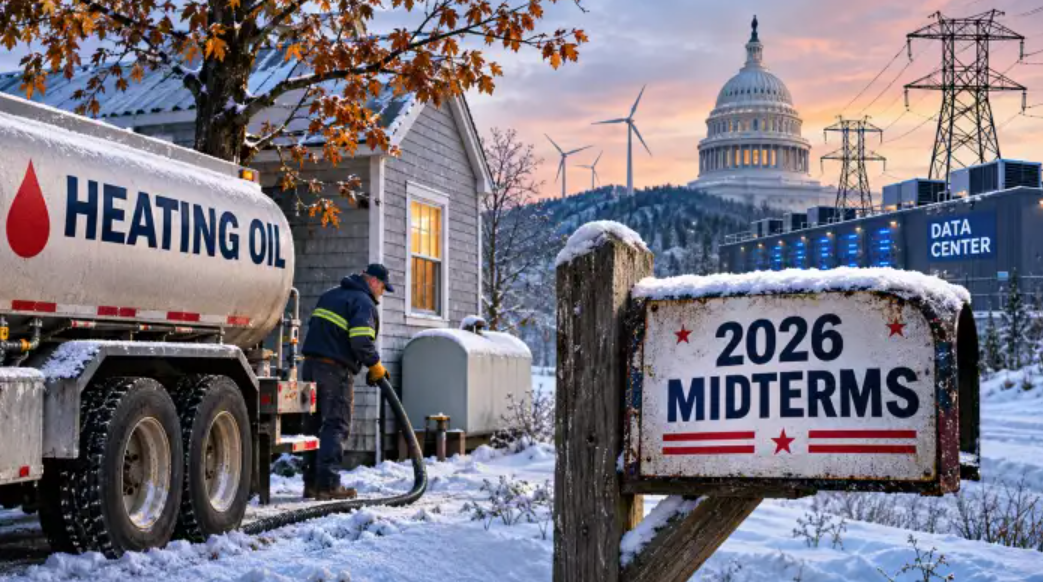
Since the United States attacked Iran in late February, gasoline and diesel prices in the U.S. remained stubbornly high and became a major issue in the midterm elections. The price at the pump put considerable pressure on the Republican Party. Donald Trump and his administration responded with a number of countermeasures, but with little success.
The U.S. is the world’s largest oil producer and, alongside China, one of the world’s largest refining nations. Yet its gasoline prices are not only significantly higher than those in many major oil-producing countries but also exceed those in many oil-consuming countries. Since the start of the war with Iran, the increase in U.S. gasoline prices has even outpaced prices in some EU countries. These developments cannot be explained by rising international oil prices alone. A more complex set of factors lies behind them.
First, conventional wisdom suggests that a sharp rise in oil prices should stimulate production and lead to higher output, yet they have not translated into a significant increase in production. Since March, U.S. domestic oil production has not increased substantially. In its October forecast, the U.S. Energy Information Administration estimated that U.S. oil production would average approximately 13.87 million barrels per day in 2026, up by about 200,000 barrels per day from 2025, or roughly 1.5 percent. This is entirely out of proportion with the more than 60 percent increase in international oil prices this year.
In the week ending Oct. 23, model-based estimates of U.S. domestic oil production reached a record high of 13.99 million barrels per day, largely as a result of the resumption of production in the Gulf of Mexico following hurricane-related disruptions.
U.S. oil production data over the past few years indicate that the current production trend is simply a continuation of the pattern established last year. Although Trump has pressured oil companies to increase domestic production, major oil companies remain highly cautious about investing in capacity expansion.
When it comes to increasing production capacity, oil investors have their own logic and are not driven entirely by prices or government policies. The 2020 negative oil price episode left deep scars on them, prompting the industry to impose even stricter capital discipline. Companies are therefore unwilling to embark on major investment programs to expand production simply because oil prices have risen.
The current U.S.-Iran conflict is fraught with uncertainty: A single social media post might send oil prices tumbling by $20 a barrel. Many oil companies believe that instead of using the windfall from higher oil prices to expand production, they would be better off using it to pay down debt and distribute dividends. Even when companies decide to step up drilling, it takes approximately nine to 12 months for new production to come on stream. Meanwhile, they must also contend with rising costs of steel, equipment and labor.
Moreover, the shale oil boom that began around 2010 is now losing momentum, and U.S. domestic oil production is approaching its peak. According to estimates by the EIA, production of 14 million to 14.3 million barrels per day may represent the peak level the United States can reach over the coming period, after which output may gradually decline. This, too, places a ceiling on further production growth.
Second, export bans and price caps do not necessarily bring oil prices down. Some have argued that given the high levels of domestic crude oil and refined petroleum production, banning exports would lower prices in the domestic market. In September this year, the White House said it was considering a ban on diesel exports, prompting an immediate backlash from the energy industry. The proposed ban was ultimately shelved.
The United States produces approximately 9.8 million barrels of gasoline a day, against domestic consumption of about 9 million barrels. Daily production of distillates, including diesel, stands at around 5.3 million barrels, while domestic consumption is approximately 3.7 million barrels. The remaining 1.6 million barrels would have to be absorbed through storage or exports.
Oil refining is inherently a structurally integrated process: Gasoline, distillates, kerosene, propane and other products are produced in fixed proportions. If diesel inventories at refineries were to overflow because of an export ban, refineries would have to cut overall output. This would tighten gasoline supplies and could, paradoxically, drive prices up again.
In reality, domestic prices for refined petroleum products in the United States are not determined solely by domestic supply and demand; they are linked to supply conditions in the international market. What the global market is facing today is not merely a “crude oil crisis” but a rare “refined products crisis.” The conflict in the Gulf has disrupted roughly 10 percent of global refining capacity. Combined with substantial capacity losses caused by Ukrainian attacks on Russian refineries, this has resulted in a severe shortage of refined petroleum products on the international market.
If American refiners were to set prices based on domestic consumption patterns, or if the government were to impose price caps on refined products, much of the fuel released onto the market could be bought up by traders and resold on international markets, potentially leaving the United States with a domestic shortage. Since the outbreak of the U.S.-Iran war, U.S. refineries have been running at full capacity. From May to September, refinery utilization rates reached their highest summer levels since 1998. Even so, this has not been enough to make up for the shortfall in global refining capacity, let alone bring down domestic prices.
Third, increased production will do little to close the supply gap in the short term. Under mounting pressure, the Trump administration has taken a number of steps beyond releasing oil from the Strategic Petroleum Reserve that are aimed at boosting crude oil production and the supply of refined petroleum products.
The U.S. Environmental Protection Agency recently announced plans to substantially roll back the stringent emissions standards imposed on oil and gas producers in 2024. The proposed changes would allow oil wells to dispose of excess natural gas through flaring and relax emissions testing requirements for hazardous pollutants at well sites. If implemented successfully, the measures would enable tens of thousands of marginal, aging wells across the United States—many of them using traditional pumpjack technology—to remain in production without having to pay for emissions testing. According to official estimates, the move will reduce compliance costs by $45 billion and release an additional 210 million barrels of crude oil into the global market.
The problem, however, is that the public comment period on the proposal runs until Dec. 16, and formal rulemaking may not be completed until next year. Until then, oil companies must continue to operate under the existing environmental standards, while older wells with low profit margins will still have to be shut in.
In early October, Trump also claimed to have reached an agreement with Russian President Vladimir Putin under which the United States would purchase diesel from Russia in several shipments. The first would amount to 300,000 metric tons, followed by a possible second shipment of 500,000 tons, with Russia potentially supplying a further 1 million tons thereafter.
According to estimates by Kpler, the current global diesel supply shortfall stands at approximately 134,000 tonnes per day. The initial shipment pledged by Russia would therefore cover only two days of the global shortfall and amount to less than one day's U.S. consumption. There have also been reports that the diesel may not come from increased Russian production but instead be diverted to the United States from supplies originally destined for other buyers. If so, the arrangement would not add to global supply in practice. Industry experts therefore generally believe that the move is unlikely to bring oil prices down significantly, and that its diplomatic and political significance outweighs its practical impact.
At present, the industry outlook on oil prices remains pessimistic. The prevailing view is that even if the conflict comes to an end, demand to replenish depleted inventories will continue to support higher oil prices for some time.
Overall, whether in extraction, refining, pricing, consumption or trade, the Trump administration faces constraints on multiple fronts in its efforts to bring oil prices down. For Trump, high prices are increasingly becoming a predicament from which there is no easy short-term escape. The only way to bring prices down in a lasting manner is through diplomatic efforts to end the Iran conflict and restore normal production and trade. Until that happens, ordinary American consumers will have to keep waiting, and paying.
