He Wenping, Senior Research Fellow, Charhar Institute and West Asia and Africa Studies Institute of the China Academy of Social Sciences
Aug 28, 2026
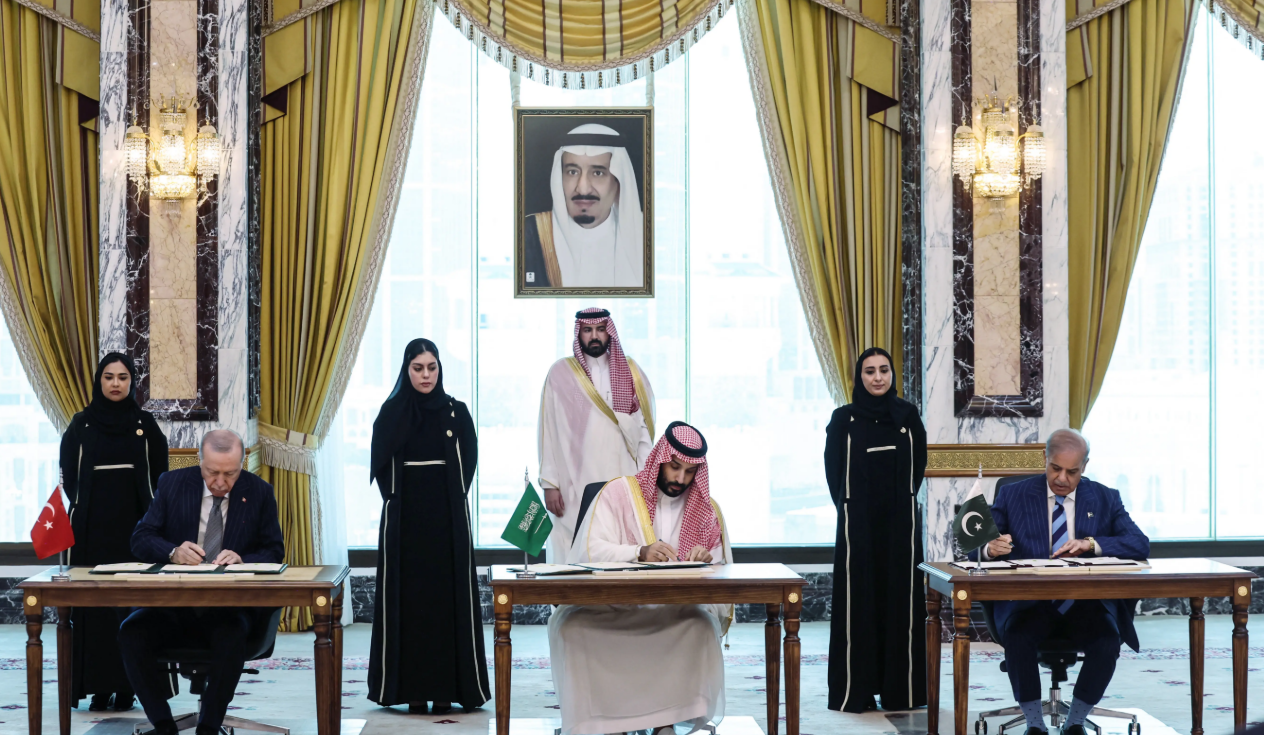
The American-Israeli war against Iran failed to produce the Middle East security order the two parties had hoped for but instead has spurred the emergence of a new security architecture in the Gulf to work around regional distrust of U.S. guarantees.
Zhu Zhaoyi, Executive Director of the Institute of Middle East Studies, Peking University HSBC Business School.
Aug 05, 2026
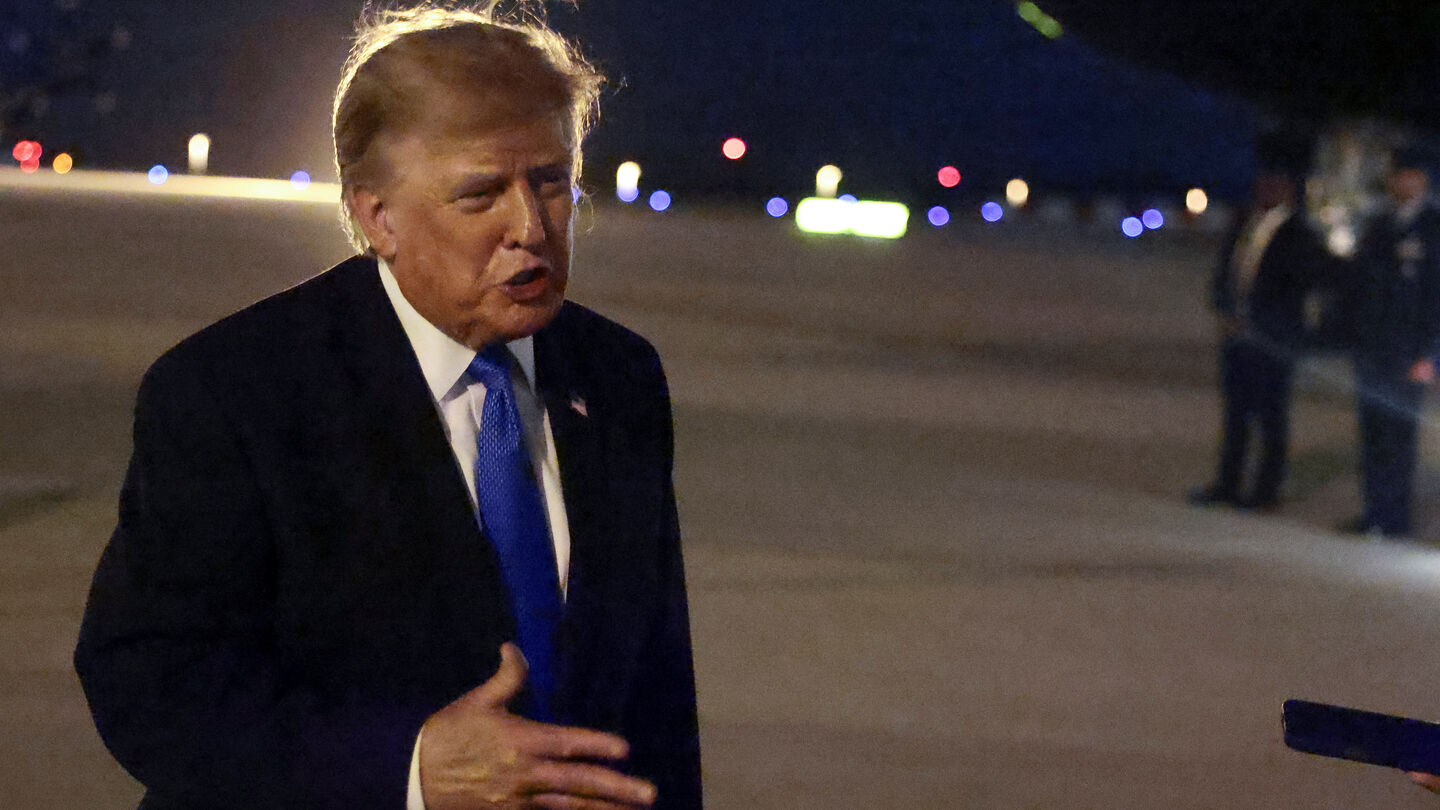
What the U.S. president needs is not another, more intense round of airstrikes but a cease-fire formula that every side can sell at home.
Kathryn Neville, Founder of Spark Energy Intelligence
Jul 24, 2026
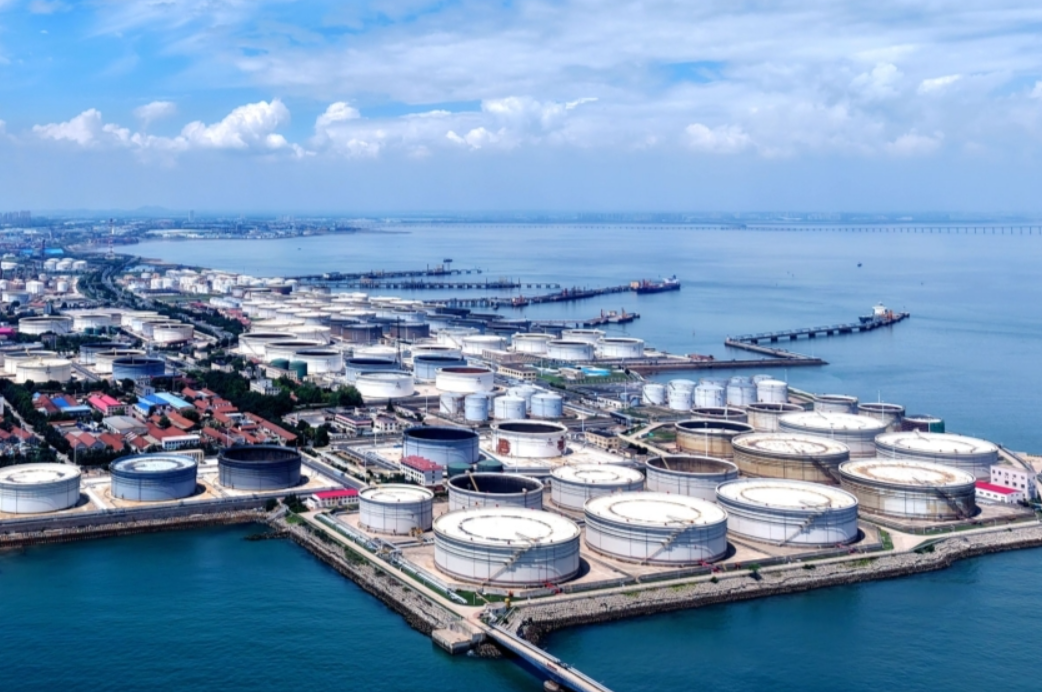
The 2026 oil crisis revealed a transformed China: no longer just the world's largest oil importer and refiner, but a state actor deploying stockpiles, export controls, and strategic opacity to shape global energy markets on its own terms.
Dan Steinbock, Founder, Difference Group
May 15, 2026
The U.S./Iran-linked energy crisis has shifted from a commodity shock to structural geopolitics, with Asia at the epicenter due to its dependence on imported oil and LNG. Global reverberations can no longer be avoided.
Han Liqun, Researcher, China Institutes of Contemporary International Relations
May 08, 2026
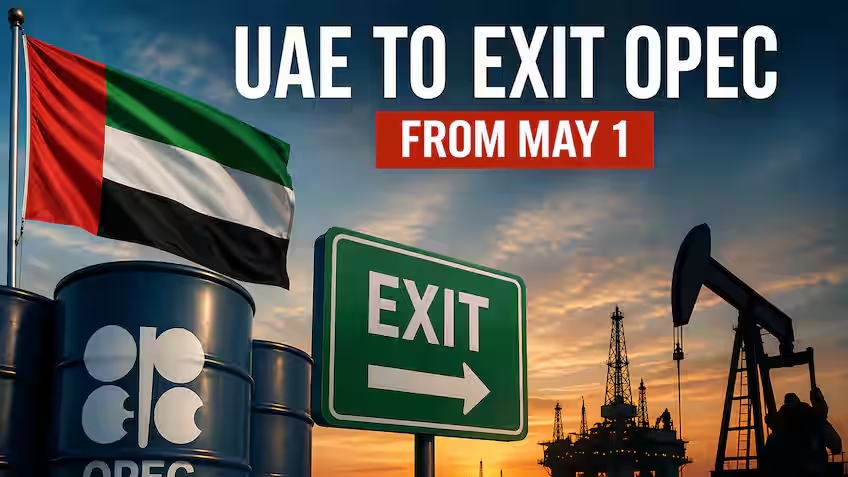
The announcement by the United Arab Emirates that it would withdraw from OPEC has drawn intense international attention. Should conditions in the Strait of Hormuz improve, the UAE would be well positioned to rapidly expand its share of the global oil market.
Christopher A. McNally, Professor of Political Economy, Chaminade University
May 08, 2026
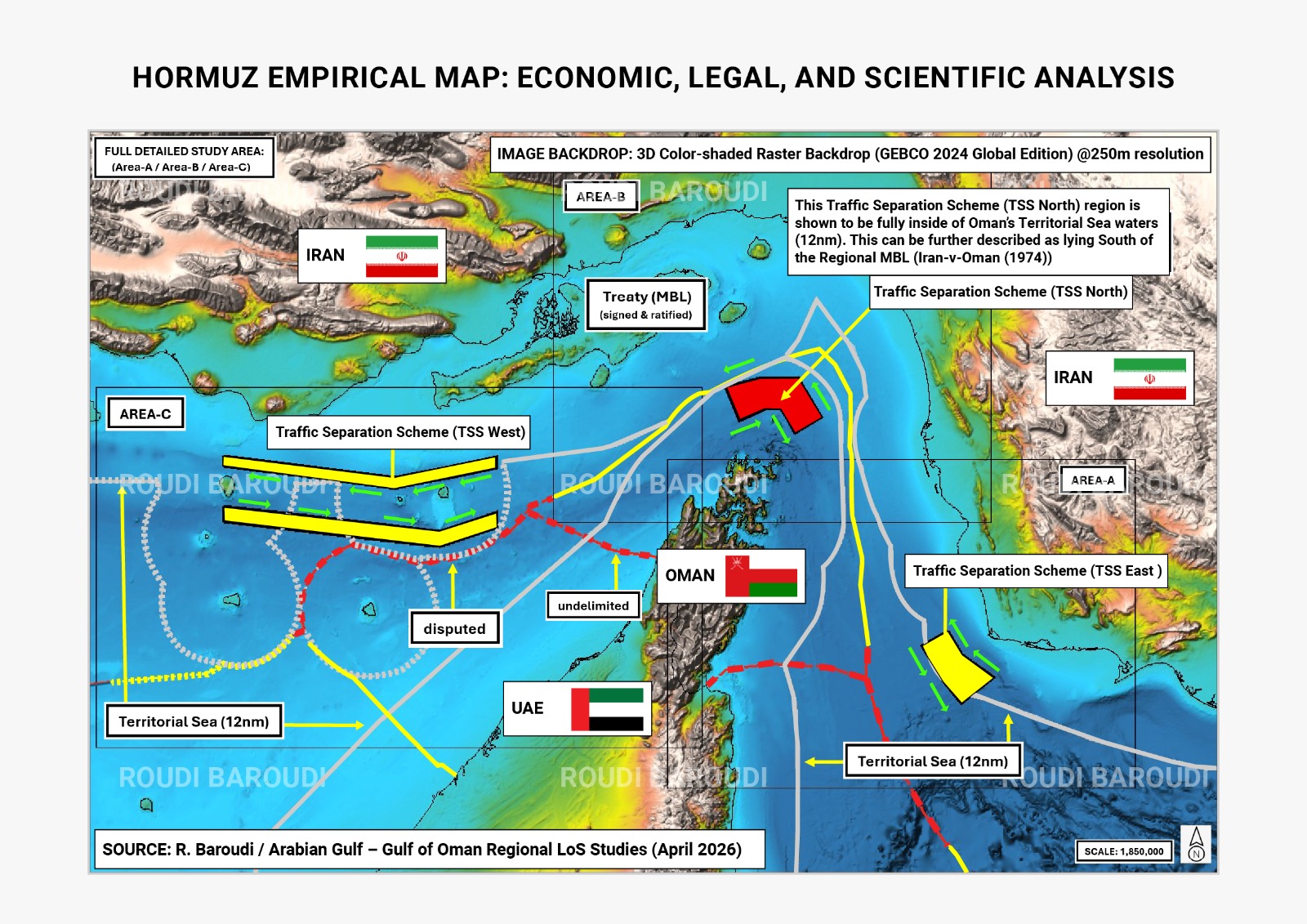
The Strait of Hormuz crisis is driving a new era of geoeconomics shaped by national security, trade disruption, and coercive power. The resulting energy shock is accelerating the global shift toward green energy and increasing China’s influence in the emerging economic order.
Philip Cunningham, Independent Scholar
May 04, 2026
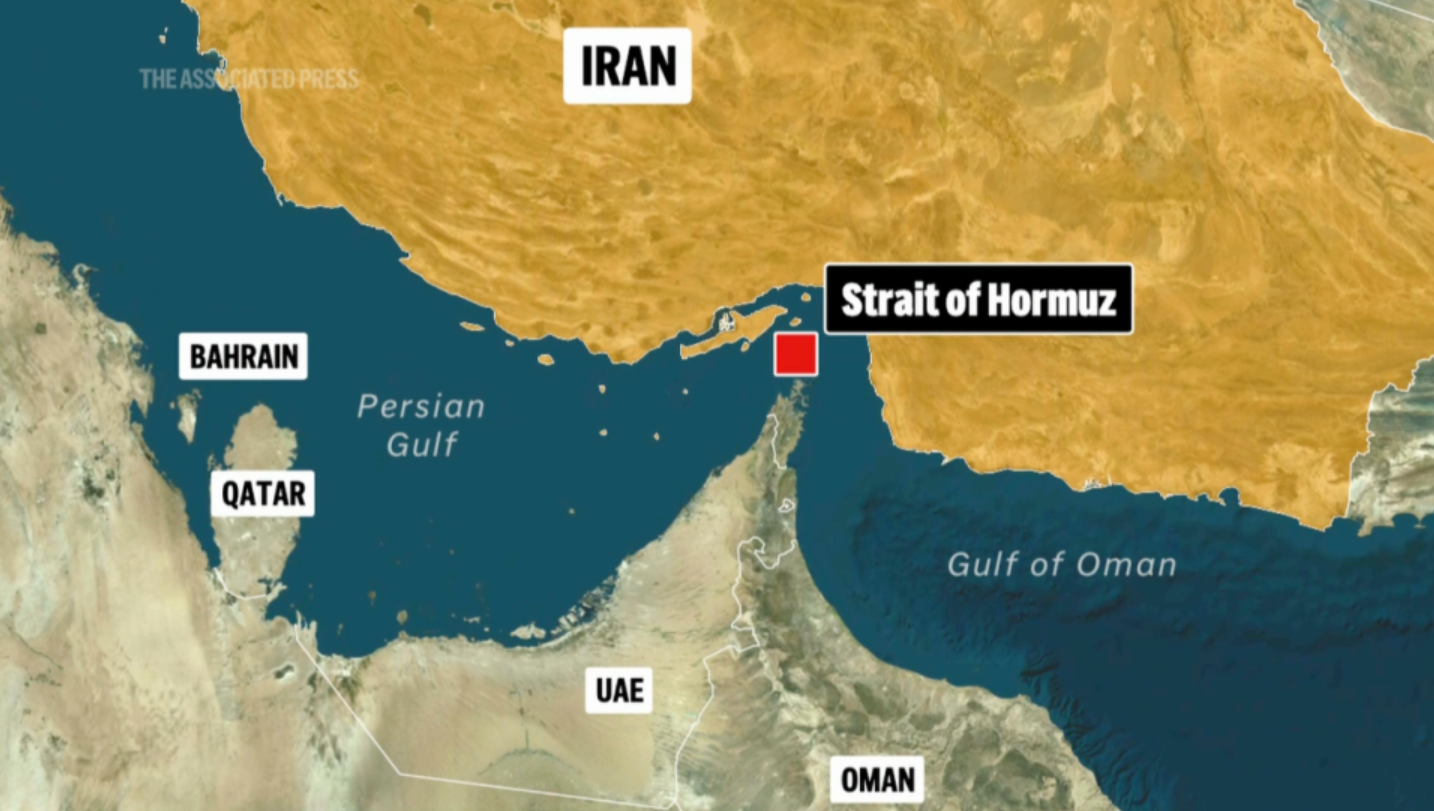
The Trump administration’s war against Iran is portrayed as a reckless and ill-timed failure that caused massive humanitarian damage, destabilized the region, and disrupted global trade while failing to achieve regime change. China is depicted as a cautious but increasingly credible actor calling for stability and open trade, highlighting shifting global dynamics as the conflict leaves a volatile crisis marked by a fragile ceasefire, blocked oil flows through the Strait of Hormuz, and a high risk of renewed conflict.
Wang Youming, Senior Research Fellow of BRICS Economic Think Tank, Tsinghua University
Apr 27, 2026
Donald Trump’s fixation on Cuba is driven by a combination of strategic and political considerations: a “Western Hemisphere first” approach, tactics to advance the Trump Doctrine and the practical aim of replicating the Venezuelan model to bolster the U.S. president’s midterm election prospects.
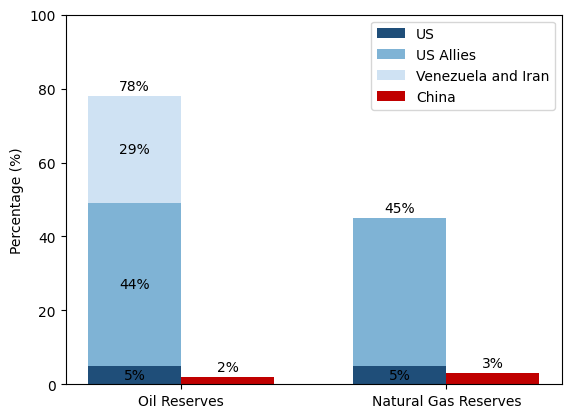
Zhao Xiuye, Pre-doctoral Research Fellow, Centre on Contemporary China and the World
Apr 24, 2026
For countries dependent on imported oil, America’s war with Iran and its disruptions on global oil supplies have made China’s renewable energy strategy more attractive. While the Trump administration is doubling down on global oil dominance, China has an opportunity to strengthen its position as the renewable powerhouse while managing concerns of over dependence on Chinese renewable technologies and supply chains.
Pedro Abramovay, Vice President of Programs at the Open Society Foundations, Former Brazilian Secretary of Justice
Apr 20, 2026
Even as Israeli bombs rained down on Lebanon, most of the world breathed a cautious sigh of relief when news broke that Pakistan had mediated a ceasefire between the United States and Iran, with the goal of reopening the Strait of Hormuz.
Back to Top

- China-US Focus builds trust and understanding between the U.S. and China through open dialogue among thought leaders.