
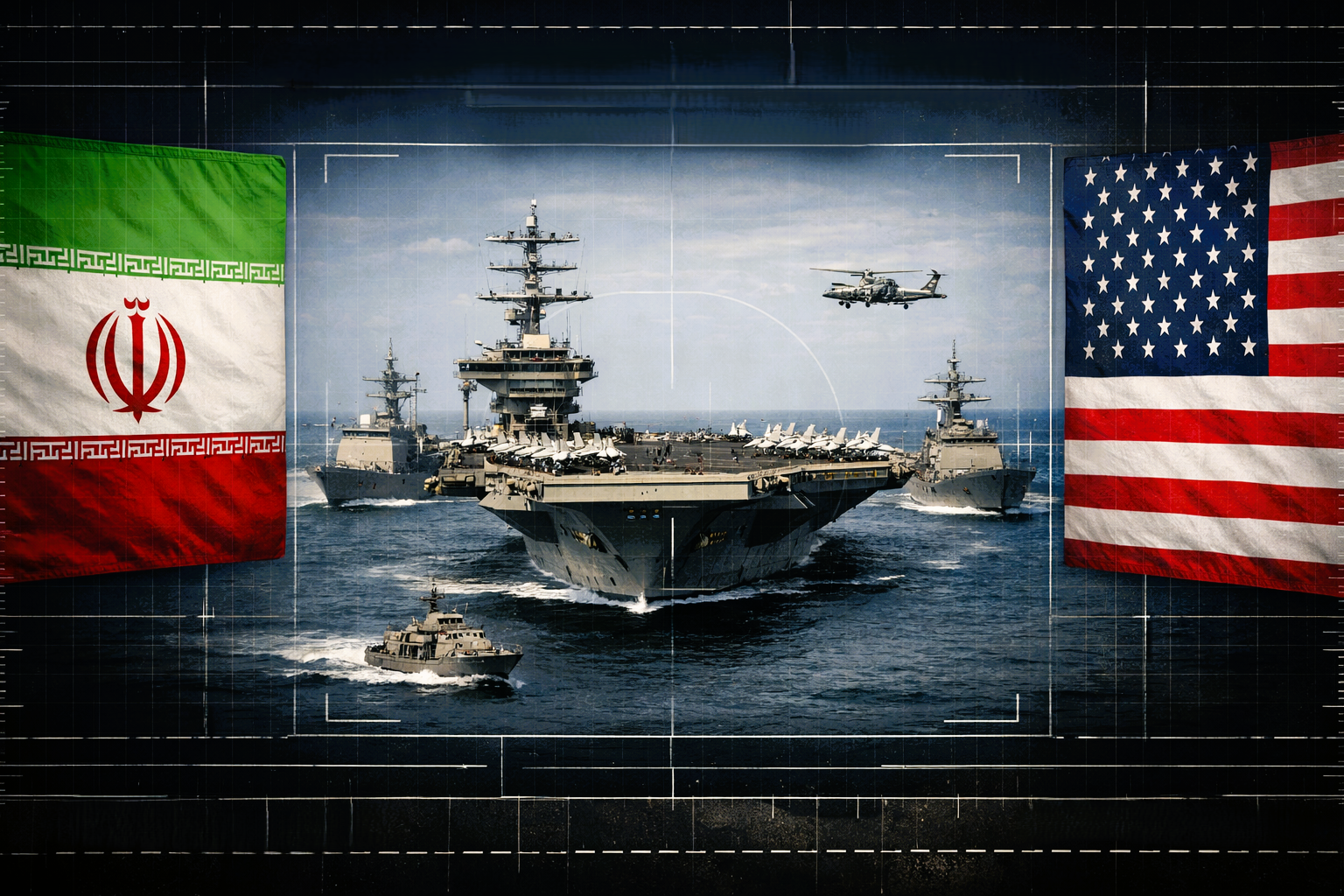
The “Epic Fury” military strikes launched by the Trump administration against Iran have dragged the United States into a strategic dilemma rarely seen since World War II: Bogged down in a war of attrition by a regional power wielding asymmetric tactics, it can neither prevail nor fully withdraw. Its military cards are nearly played out, European allies have drawn clear lines, Middle Eastern partners simmer with resentment and the space for diplomatic maneuver has shrunk dramatically.
Washington now has little choice but to look for an external way out. Yet the helpers it can count on are few. In the current great-power landscape, China is arguably the only actor with the capacity to mediate between the United States and Iran and exert substantive influence. Iran, too, urgently needs China’s backing to secure the most favorable terms in its negotiations with Washington. Overnight, the concept of China as mediator has been thrust into the global spotlight, with all sides guessing how Beijing might act.
However, outside perceptions of China’s role in halting hostilities and promoting peace remain persistently polarized, even romanticized. The mainstream Western narrative chides Beijing for not applying enough pressure to force Iranian concessions, as if severing some tie would make Tehran capitulate overnight. Meanwhile, voices sympathetic to Iran accuse China of lacking strategic wisdom, of failing to grasp the geopolitical stakes—where “if the lips are gone, the teeth will be cold”—and of not coming openly to Iran’s aid.
These two seemingly opposing views share a common and fatal logical error: They grossly oversimplify international affairs, indulging the fantasy that once a great power steps in, it can reshape the chessboard like a god. The United States has already paid a catastrophic price for this naive illusion with “Epic Fury.” Trump believed that overwhelming force could deliver a swift and decisive victory, entirely disregarding Iran’s size and resilience. The gamble did not produce a quick win but instead plunged him into the abyss of strategic overreach, trapped in an impossible bind.
The Iranian Revolutionary Guard retorted that Iran, not America, would decide when the war ends, while Pentagon officials privately worry about depleting stockpiles of precision-guided munitions. For a superpower accustomed to being in full control, this predicament is an unprecedented humiliation.
China will never repeat such reckless impulsiveness, nor will it ever accept the “savior” label that outsiders try to pin on it. Its role in the tempestuous Middle East boils down to one phrase: not adding to the chaos. This is neither passive inaction nor indifferent detachment; it is deliberate strategic prudence underpinned by a profound sense of responsibility.
The complexity of Middle East affairs far exceeds the grasp of any single external power. From Iraq to Syria, history has repeatedly proved an iron law through blood and fire—that foreign military intervention only shatters fragile power balances, unleashing longer and bloodier chains of chaos.
The current situation is already perilous. Iran’s supreme leader has been killed, the flames of war have spread to the Strait of Hormuz—the world’s energy jugular—oil prices are bolting like wild horses and great-power intelligence and proxy games are surging beneath the surface. At such a highly sensitive tipping point, any rash intervention by a major power, even with the best of intentions, could trigger unpredictable chain reactions and push the conflict into an abyss of total chaos.
China’s choice to maintain strategic restraint is precisely what creates the most valuable condition for cooling tensions—preventing complex contradictions from becoming utterly unresolvable through crude and heavy-handed external interference.
Behind this restraint lies the consistent application of the cornerstone of China’s foreign policy—forging partnerships rather than alliances. Refusing to take sides is by no means the same as standing idly by. As I wrote earlier when comparing the diametrically opposed impacts of Obama’s “Don’t do stupid stuff” doctrine and Trump’s “Epic Fury” on U.S. diplomatic strategy, Washington was dismantling with its own hands the global order it painstakingly maintained for decades.
The root cause is its persistent failure to find a rational equilibrium between over-expansion and isolationist retreat, painfully oscillating between hegemonic ambitions and the limits of national power. The cost of this vacillation is borne not only by the United States itself but by the entire Middle East and even the wider world.
What China offers is a radically different path and frame of reference—conducting diplomatic coordination strictly grounded in the principles of the UN Charter, refusing to act as anyone’s patron, declining to play the condescending arbiter and never casting itself as the indispensable central player. This demands enormous self-restraint and extraordinary political wisdom, in particular for a great power.
At a moment when all sides eagerly expect China to “do something”—even to dive into the vortex and steer events—China’s ability to withstand internal and external pressures, to maintain strategic clarity and to preserve tactical steadiness is itself the rarest hallmark of great-power character in the current era.
In today’s hyper-connected yet deeply fractured world, China, one of the most influential global powers, bears no obligation to forcibly act as an exhausted firefighter-in-chief. Rather it seeks to serve as a stabilizing force, a genuine anchor of peace amid chaos, not a fueling agent.
Helping to quell the fighting and restore market stability certainly serves China’s economic interests and reflects what a responsible major country ought to do. But this in no way means copying the tired scripts of certain countries that habitually export war or impose coercive mediation. “Not adding to the chaos” means respecting the intrinsic logic of the situation, giving space for the agency of regional countries and never imposing one’s own will on others.
Achieving this is far more difficult than saying it, and far more significant than impulsively tossing out a headline-grabbing peace plan. The world is accustomed to measuring a great power’s weight by what it does but often overlooks the deeper sobriety, self-possession and sense of responsibility embedded in deliberate non-action. In fact, what a nation chooses not to do in a crisis often tests its strategic resolve more than what it chooses to do. Amid a Middle East engulfed by the flames of “Epic Fury,” the restraint China has displayed serves as both a lucid mirror of the disastrous lessons of America’s military gamble and a confident assertion of diplomatic wisdom and strategic culture.
To refrain from adding chaos is not a sign of being powerless or indifferent; it is a genuine recognition that we must respect complexity—the true understanding that in the great-power chess game, sometimes the strongest presence lies precisely in refusing to turn oneself into the protagonist and losing one’s way. This is the kind of composure today’s volatile world should cherish the most.
