Brian Wong, Assistant Professor in Philosophy and Fellow at Centre on Contemporary China and the World, HKU and Rhodes Scholar
Jul 29, 2026
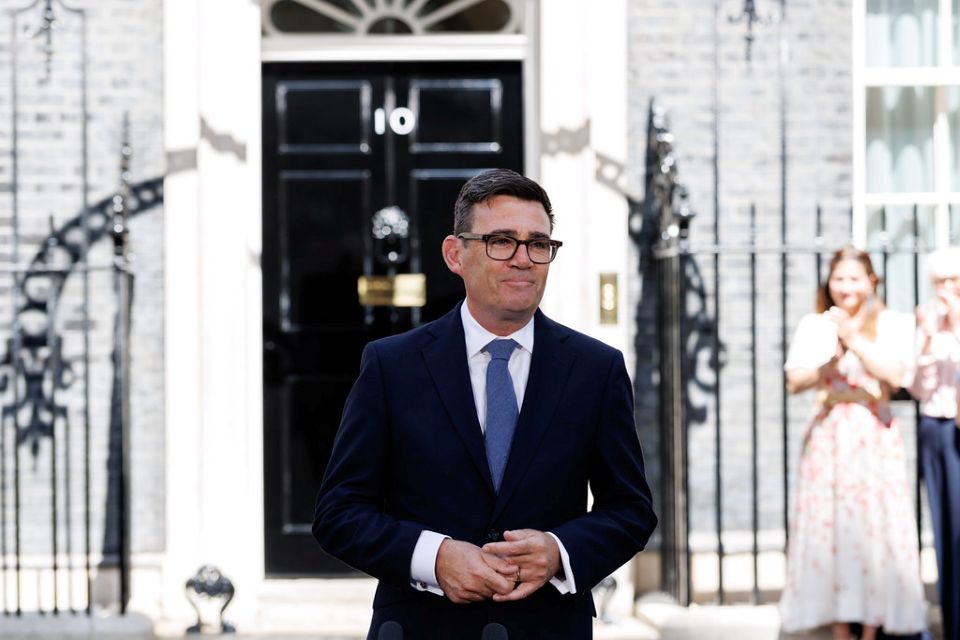
Britain's new prime minister, Andy Burnham, inherits a markedly different relationship with China than the "Golden Era" of a decade ago. To navigate growing U.S.-China rivalry while advancing British interests, the UK should pursue pragmatic engagement with China alongside stronger institutional coordination, economic resilience, and strategic diversification.
Shou Huisheng, Director, Center for Turkey Studies at Beijing Language and Culture University
May 19, 2026
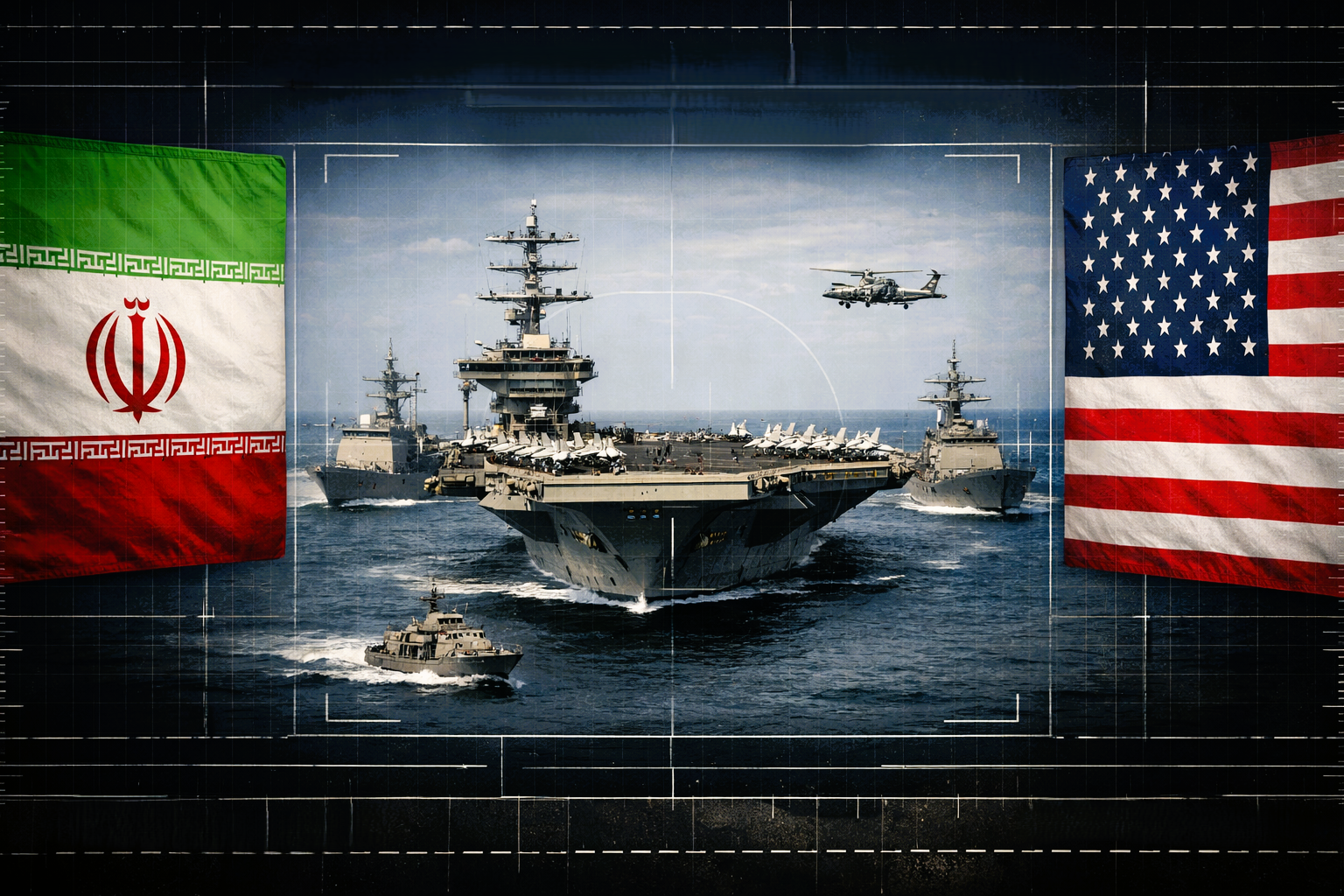
The “Epic Fury” military strikes launched by the Trump administration against Iran have dragged the United States into a strategic dilemma rarely seen since World War II: Bogged down in a war of attrition by a regional power wielding asymmetric tactics, it can neither prevail nor fully withdraw. Its military cards are nearly played out, European allies have drawn clear lines, Middle Eastern partners simmer with resentment and the space for diplomatic maneuver has shrunk dramatically.
Xiao Bin, Deputy Secretary-general, Center for Shanghai Cooperation Organization Studies, Chinese Association of Social Sciences
May 19, 2026
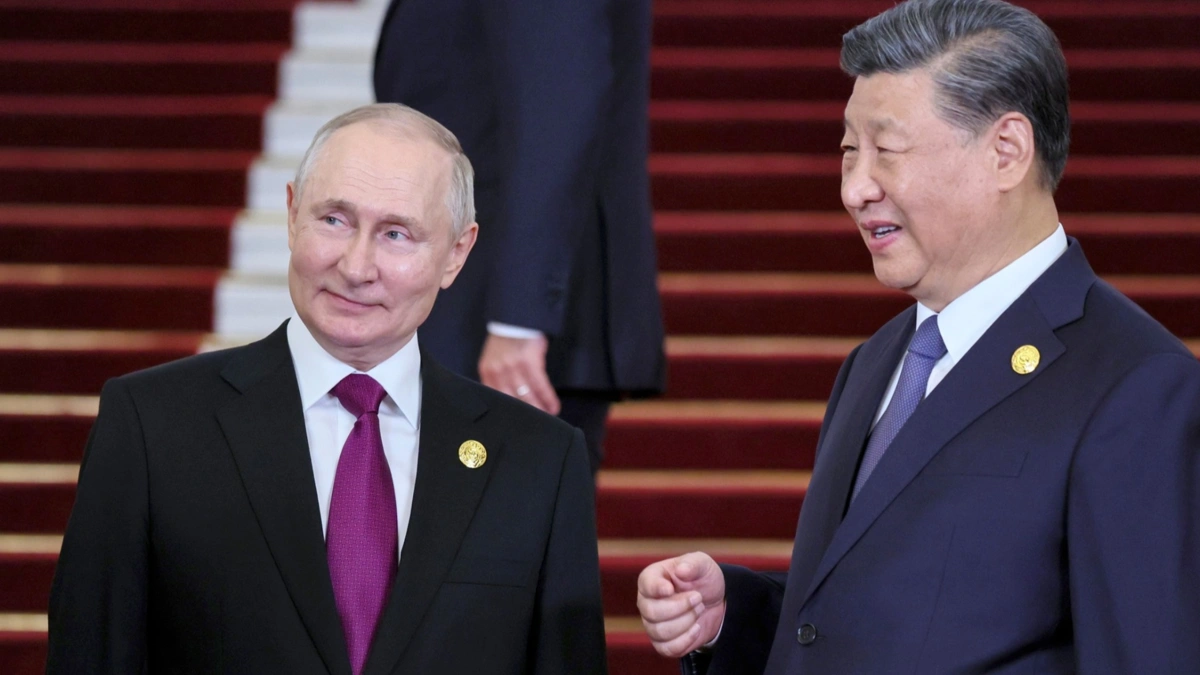
The recent visit by U.S. President Donald Trump and by Russian President Vladimir Putin can be seen as a limited buffer in current major-power dynamics.

Sebastian Contin Trillo-Figueroa, Geopolitics Analyst in EU-Asia Relations and AsiaGlobal Fellow, The University of Hong Kong
Sep 05, 2025
Today’s international order is shaped by “orbital bipolarity,” dominated by the United States and China, with secondary powers navigating their influence; Europe is limited in its role, China acts cautiously, Russia capitalizes on Western hesitation, and Ukraine remains trapped in the conflict.
Brian Wong, Assistant Professor in Philosophy and Fellow at Centre on Contemporary China and the World, HKU and Rhodes Scholar
Aug 27, 2025
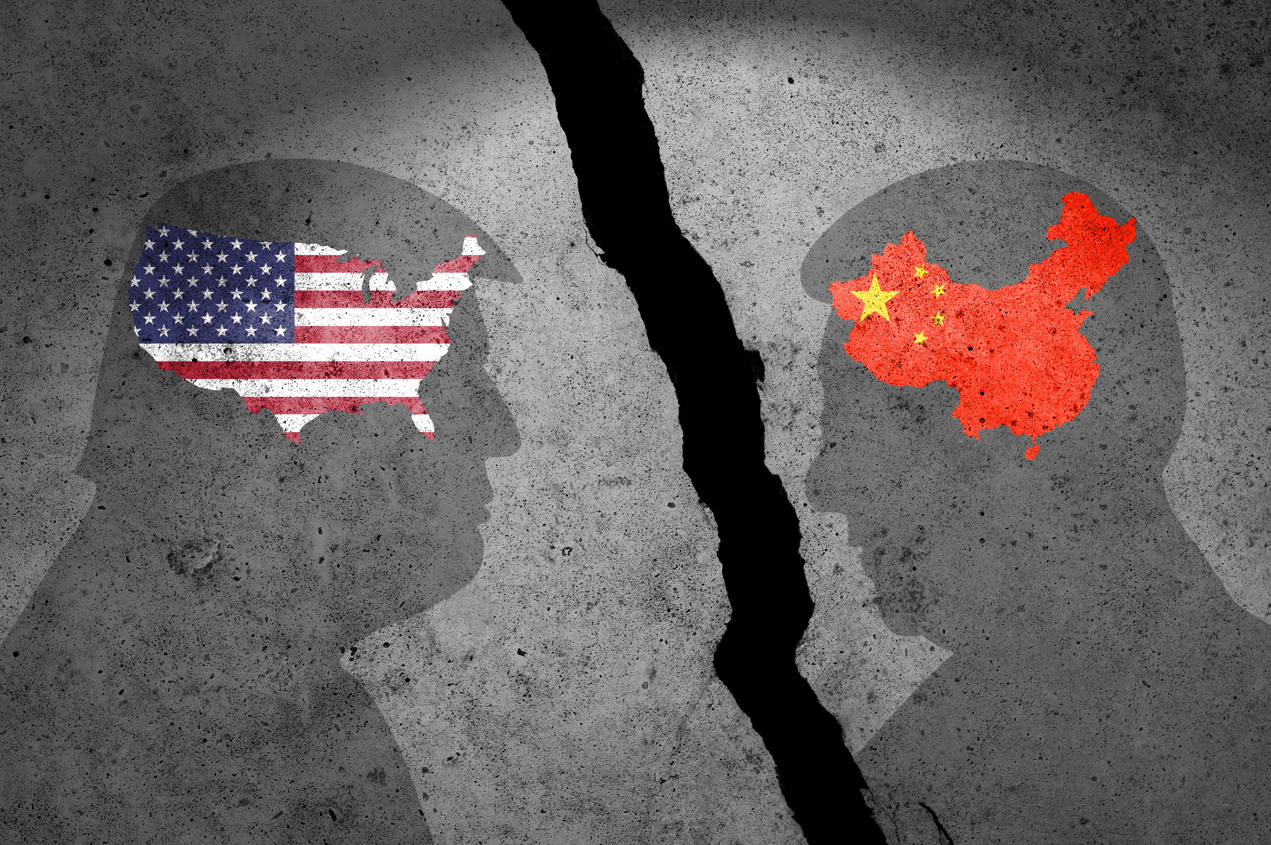
Conventional thinking would assume the Trump administration’s haphazard approach to China will become an articulated stance at some point, but the U.S. president is anything but conventional.
Jade Wong, Senior Fellow, Gordon & Leon Institute
Aug 26, 2025
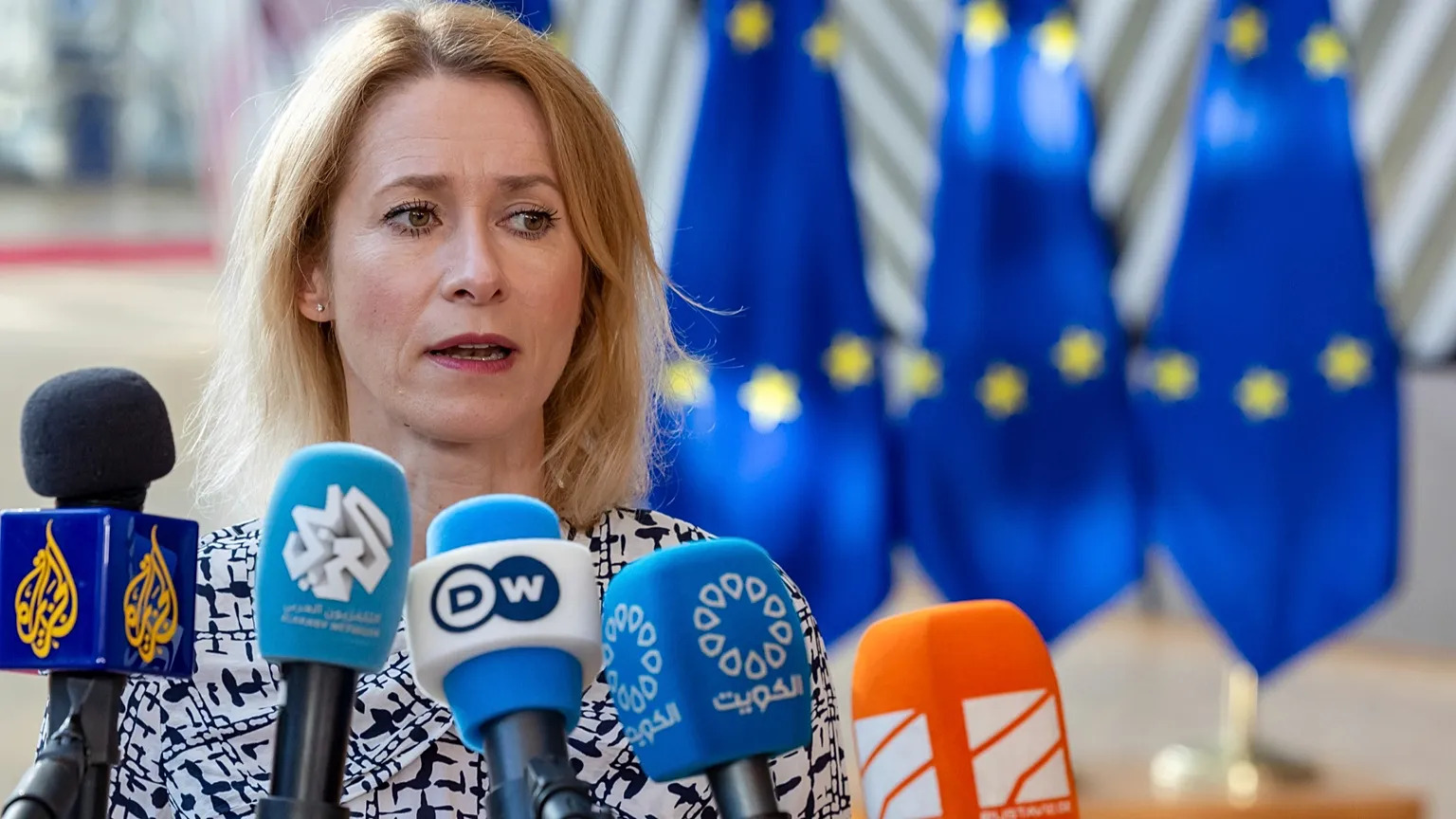
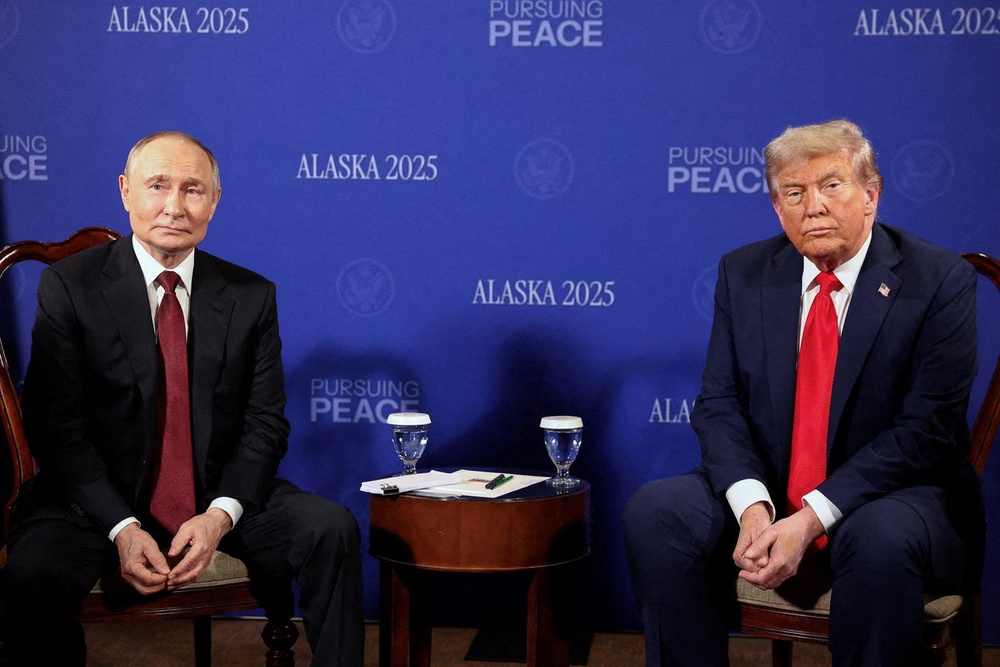
The Alaska Summit signals a revival of major power coordination, with Europe determined not to forsake the peace dividends it has accrued over the decades. Seasoned by centuries of geopolitical maneuvering, European powers are poised to actively shape their own destinies rather than succumb to the will of others.
Sujit Kumar Datta, Professor, Department of International Relations, University of Chittagong, Bangladesh
Aug 26, 2025
The legacy of Donald Trump may endure if only because he triggered a new global order through the law of unintended consequences. He has set in motion a major power shift in which China — aligning with India, Russia and key trade blocs — will become the global captain over the next 10 to 20 years.
Sujit Kumar Datta, Professor, Department of International Relations, University of Chittagong, Bangladesh
Feb 26, 2025
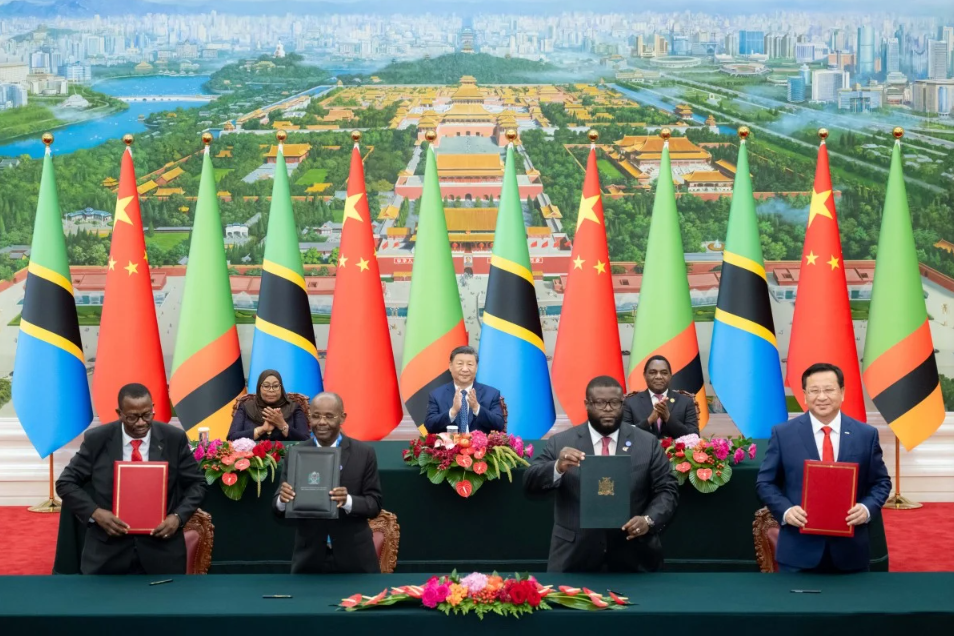
America’s stunning withdrawal from global leadership under President Donald Trump’s isolationist policies has accelerated China’s rise, marking a significant shift in global power dynamics. China’s timing is perfect for the moment as it promotes a vision of global collaboration and shared prosperity.
Sebastian Contin Trillo-Figueroa, Geopolitics Analyst in EU-Asia Relations and AsiaGlobal Fellow, The University of Hong Kong
Mohamed Ibrahim Hafez, Researcher, Political Economy of MENA, Nottingham Trent University
Dec 13, 2024
Africa’s growing affinity for China draws both excitement and concern from observers the world over, while African leaders themselves seem drawn to the material benefits China is offering. What has China really done for Africa’s developing nations thus far?
Vasilis Trigkas, Visiting Assistant Professor, Schwarzman College, Tsinghua University
Aug 30, 2024
There are parallels between the historical lessons of World War I and the current era of hegemonic transition, with China's 10 years old proposal of the "New Type of Great Power Relations" still offering a framework for navigating U.S.-China relations. Ultimately, strategic dialogue and cooperation between great powers is of utmost importance to avert great power conflicts.
Back to Top

- China-US Focus builds trust and understanding between the U.S. and China through open dialogue among thought leaders.