
Yang Wang, Vice-President and Pro-Vice-Chancellor (Institutional Advancement), HKU
Brian Wong, Assistant Professor in Philosophy and Fellow at Centre on Contemporary China and the World, HKU and Rhodes Scholar
Jul 17, 2026
Artificial intelligence is becoming a new arms race, and to avoid repeating the mistakes of the past perhaps a drastic unification of competing models could prevent catastrophe.
Xiao Bin, Deputy Secretary-general, Center for Shanghai Cooperation Organization Studies, Chinese Association of Social Sciences
Jun 03, 2026
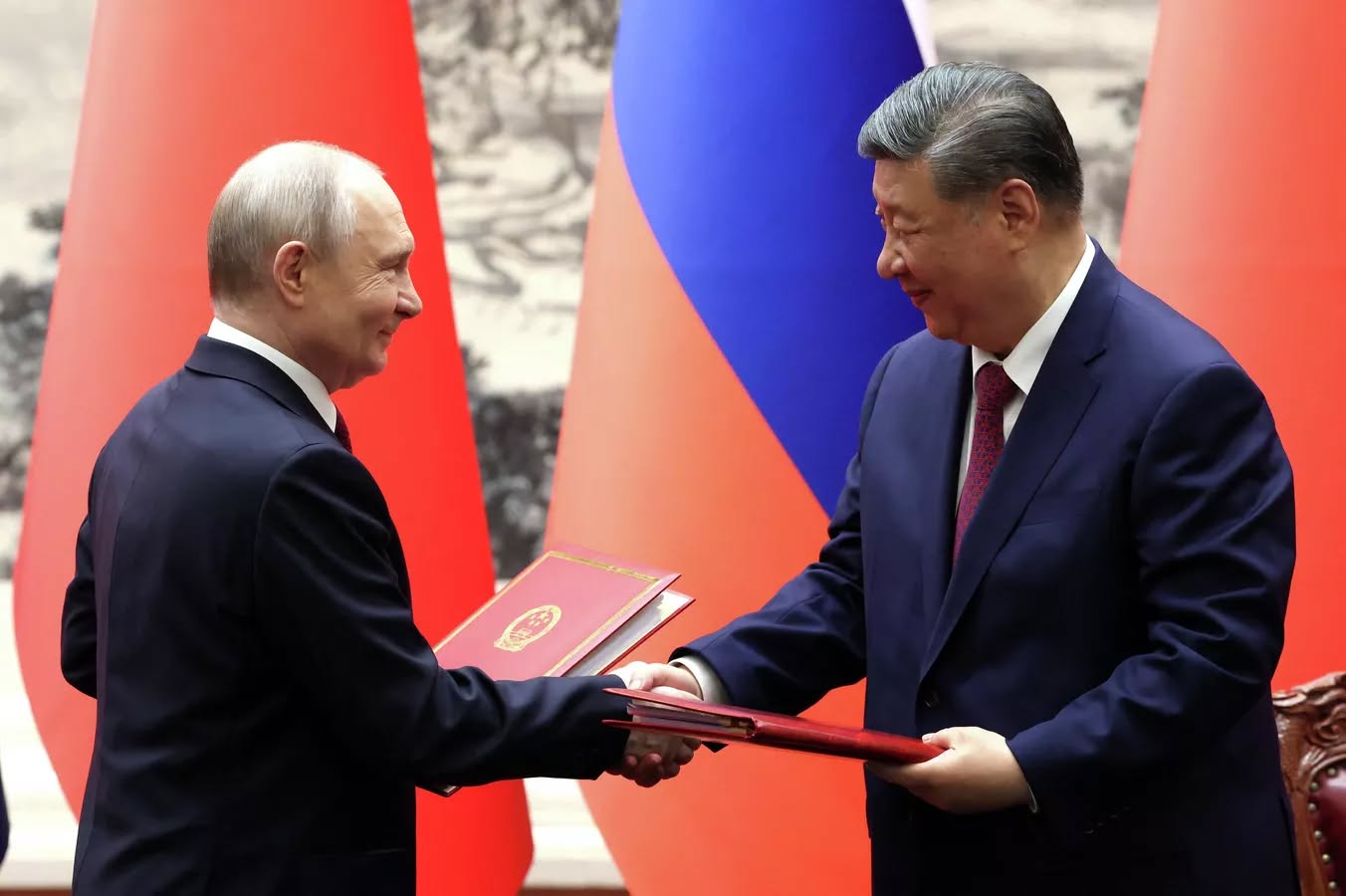
Back-to-back China-Russia coordination is a response to the growing turbulence in the international system. While their strategic collaboration enhances bilateral strategic predictability, it also signifies that major-country competition is becoming more protracted and complex.
Shou Huisheng, Director, Center for Turkey Studies at Beijing Language and Culture University
May 19, 2026
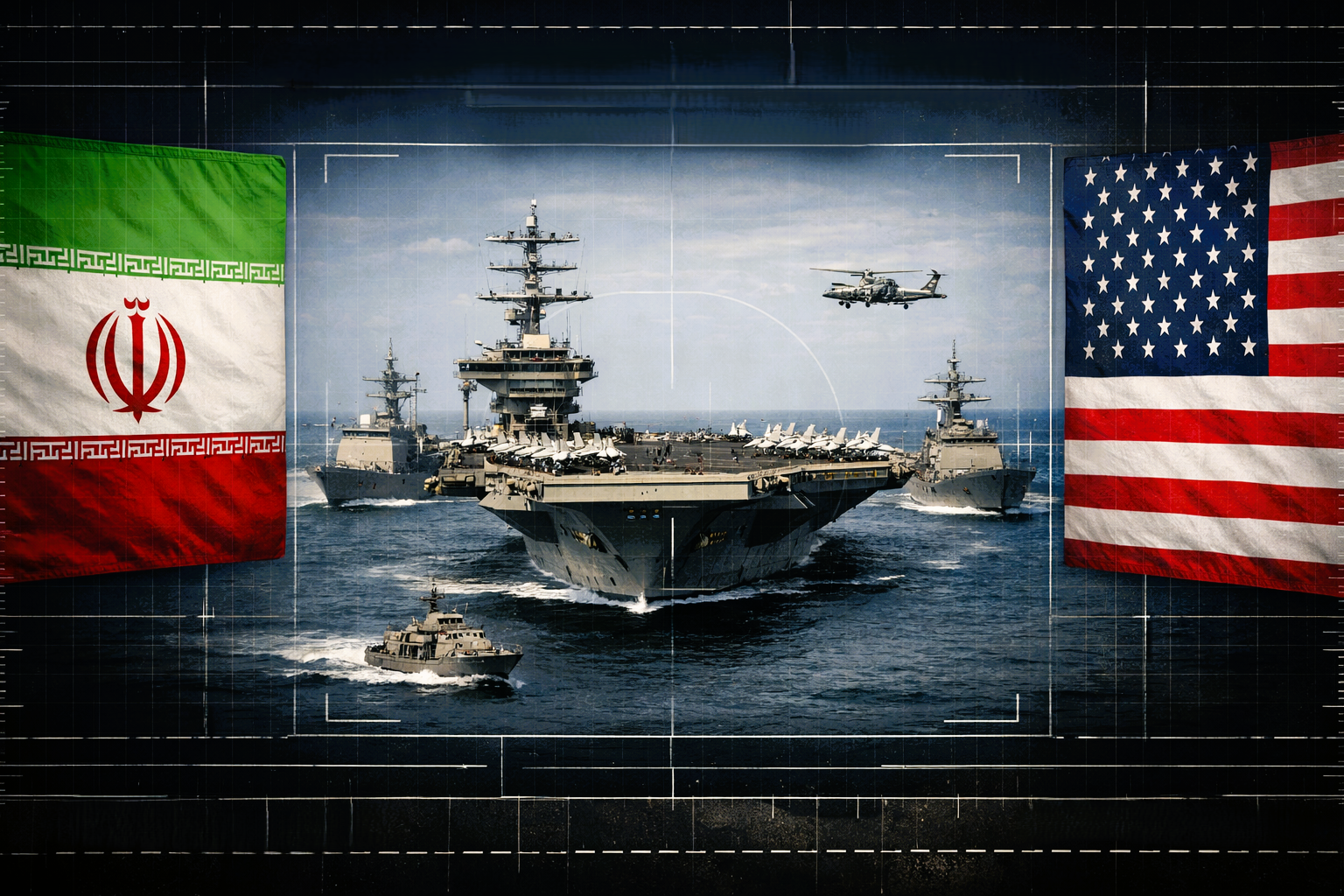
The “Epic Fury” military strikes launched by the Trump administration against Iran have dragged the United States into a strategic dilemma rarely seen since World War II: Bogged down in a war of attrition by a regional power wielding asymmetric tactics, it can neither prevail nor fully withdraw. Its military cards are nearly played out, European allies have drawn clear lines, Middle Eastern partners simmer with resentment and the space for diplomatic maneuver has shrunk dramatically.
Sajjad Ashraf, Former Adjunct Professor, National University of Singapore
May 15, 2026
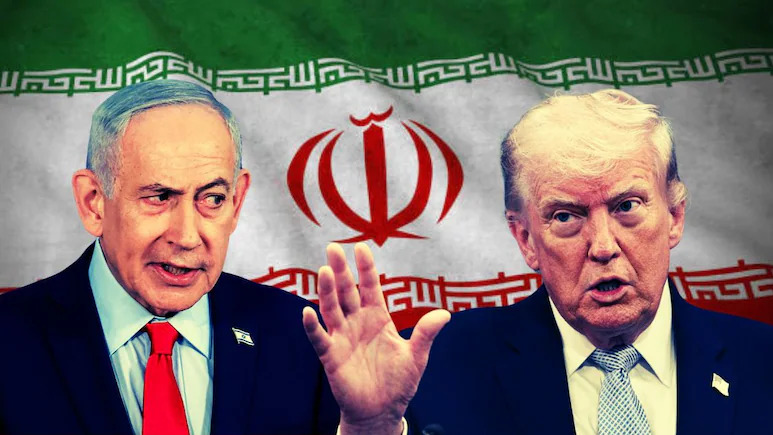
Repeated U.S. military interventions and alignment with Israeli strategic priorities have eroded American credibility in the Middle East and weakened global confidence in U.S. leadership. The United States can restore its strategic influence only through diplomatic consistency, restraint, and a more independent regional policy.
Xiao Bin, Deputy Secretary-general, Center for Shanghai Cooperation Organization Studies, Chinese Association of Social Sciences
May 14, 2026
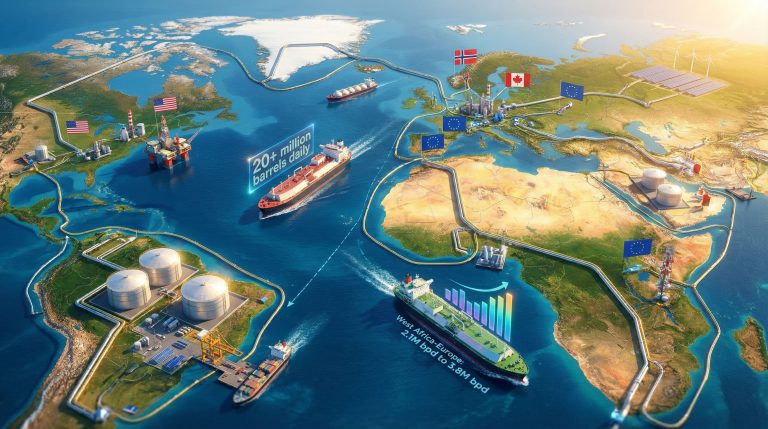
The Iran and Ukraine wars have shifted major-power competition from military confrontation to control over global energy routes, critical infrastructure, and supply chains.
Du Lan, Deputy Director at Asia-Pacific Institute, China Institute of International Studies
Apr 27, 2026
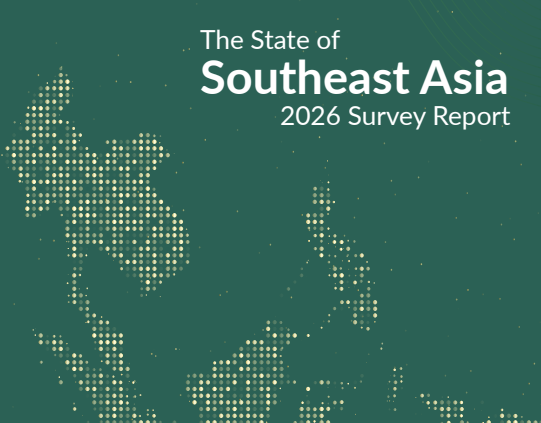
The current U.S. policy toward Southeast Asia is generating a range of negative effects. If the United States fails to adjust its competitive, confrontational and self-serving foreign policy, its influence in the region is likely to face further decline.
Wang Youming, Senior Research Fellow of BRICS Economic Think Tank, Tsinghua University
Apr 27, 2026
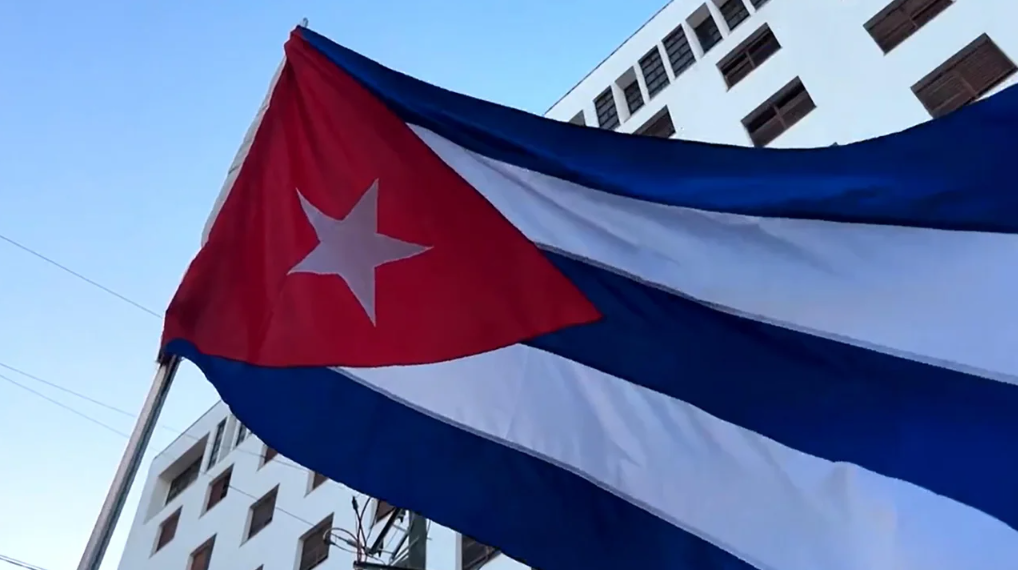
Donald Trump’s fixation on Cuba is driven by a combination of strategic and political considerations: a “Western Hemisphere first” approach, tactics to advance the Trump Doctrine and the practical aim of replicating the Venezuelan model to bolster the U.S. president’s midterm election prospects.
Pedro Abramovay, Vice President of Programs at the Open Society Foundations, Former Brazilian Secretary of Justice
Apr 20, 2026
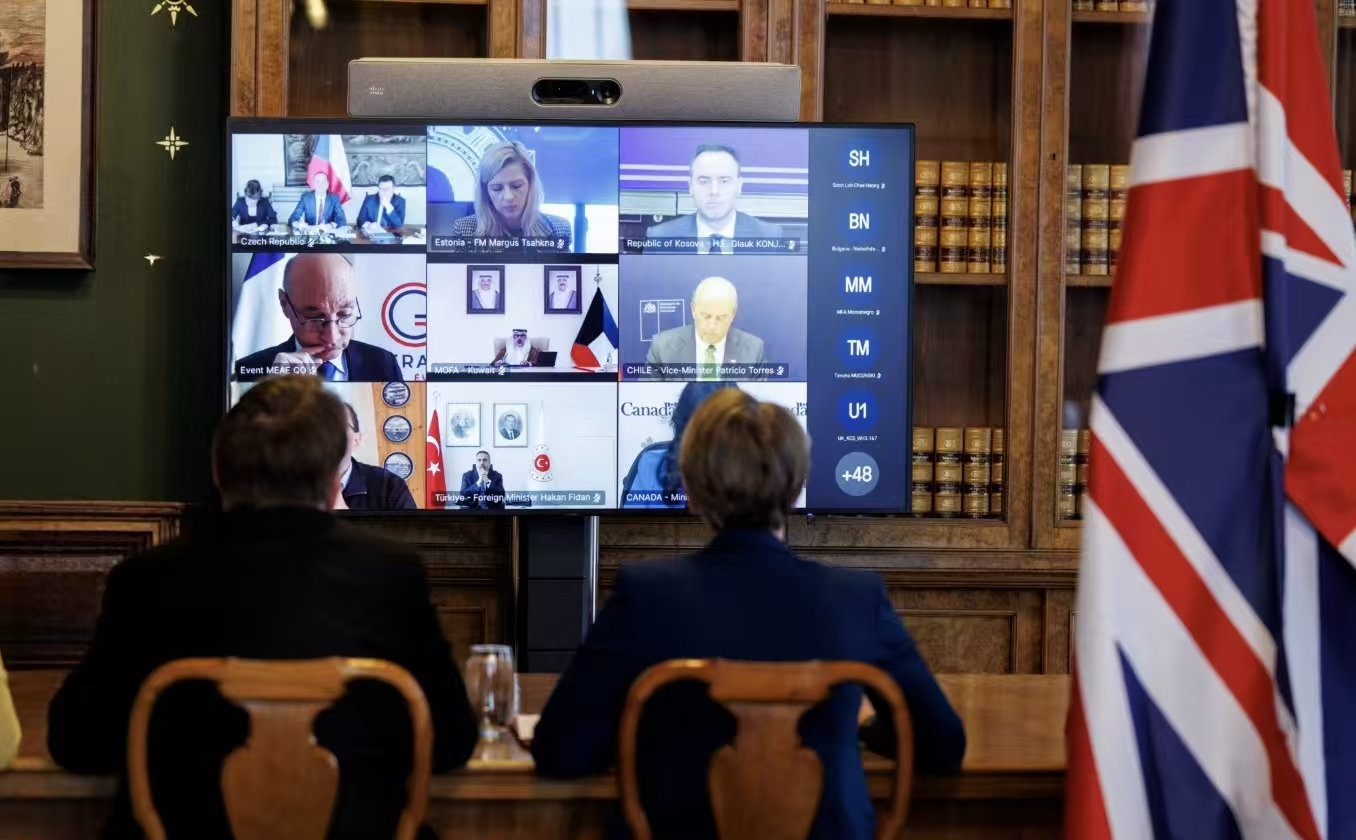
Even as Israeli bombs rained down on Lebanon, most of the world breathed a cautious sigh of relief when news broke that Pakistan had mediated a ceasefire between the United States and Iran, with the goal of reopening the Strait of Hormuz.
Zhang Yun, Professor, School of International Relations, Nanjing University
Apr 10, 2026
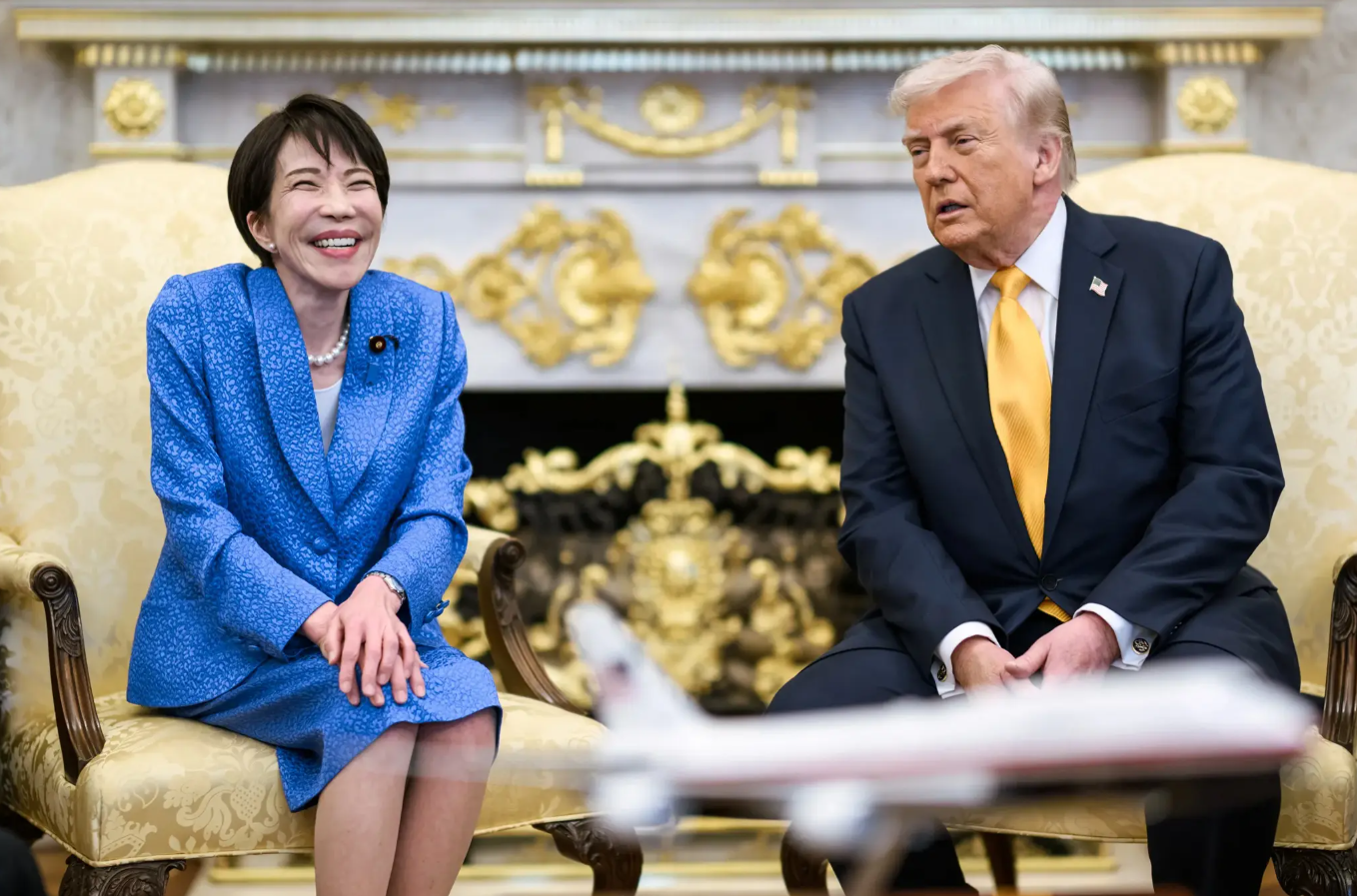
The visit of Japanese Prime Minister Sanae Takaichi to the United States showcased the internal solidarity of the alliance. But an official U.S. report warned Tokyo against escalating tensions with China.
Back to Top

- China-US Focus builds trust and understanding between the U.S. and China through open dialogue among thought leaders.