Zainab Zaheer, Development Consultant
Aug 28, 2018
Newly-appointed Pakistani Prime Minister Imran Khan has two realistic options: to further inflate the country’s Chinese debt, or to look to the International Monetary Fund for a bailout for the 15th time since the 1980s. Both options have serious drawbacks.
Alessandro Rippa, Postdoc research assistant, the Ludwig Maximilian University of Munich
Aug 27, 2018
Pakistan now has a new government. But will this change Pakistan’s relationship with one of its closest allies - China?
Gurmeet Kanwal, Former director of CLAWS
Aug 22, 2018
As Pakistan’s new prime minister takes the reins of power, he will be forced to adapt to his country’s shifting relationships with two world powers: China and the United States.
Adnan Aamir, Journalist and Researcher, Islamabad, Pakistan
Jul 03, 2018
Rather than helping Pakistan’s economy, the China-Pakistan Economic Corridor is creating a debt trap for Pakistan which will result in Pakistan’s continued economic dependence on China.
Sajjad Ashraf, Former Adjunct Professor, National University of Singapore
Mar 02, 2018
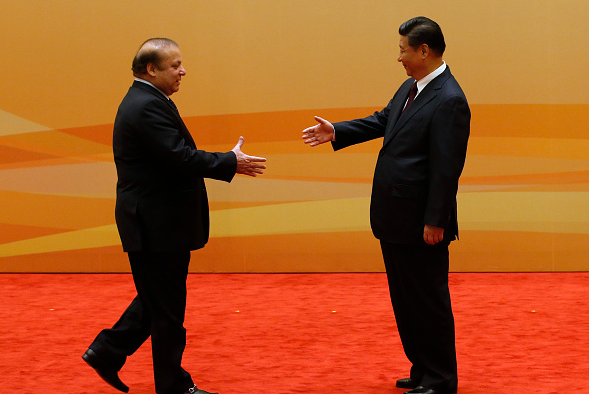
The China-Pakistan Economic Corridor (CPEC), a $62 billion China-funded ‘flagship project’ within China’s Belt and Road Initiative (BRI), is fast heading towards the closure of deals on ‘early harvest’ projects. With five energy projects commissioned and several more on course, these should help lift Pakistan’s economic output.
Sampson Oppedisano, Executive Assistant to the Dean, The Milano School of International Affairs, Management and Urban Policy
Feb 02, 2018
More often than not, the start of the new year is marked with a sense of hope and renewal, a chance to learn from the previous year’s trials and transgressions, a chance of getting things right the next time around. However, if the world has learned anything during the last year that the Trump Administration has been in power, it is that hope, renewal, and learning from past mistakes seem to be far from the top of the administration’s New Year’s resolution list.
Zainab Zaheer, Development Consultant
Jan 30, 2018
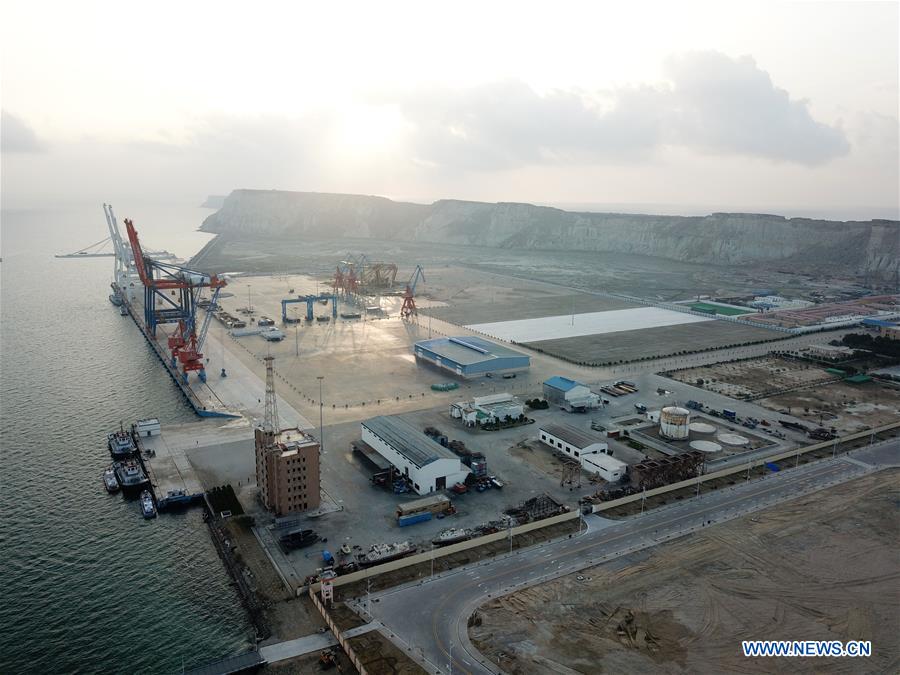
It’s no secret that Pakistan and China have recently strengthened their long-standing relationship. With preparations for the China-Pakistan Economic Corridor well underway, ties between Beijing and Islamabad seem to be stronger than ever. According to a senior economist in Karachi, “As the U.S. looks inward, China is reaching out.”
Zainab Zaheer, Development Consultant
Nov 30, 2017
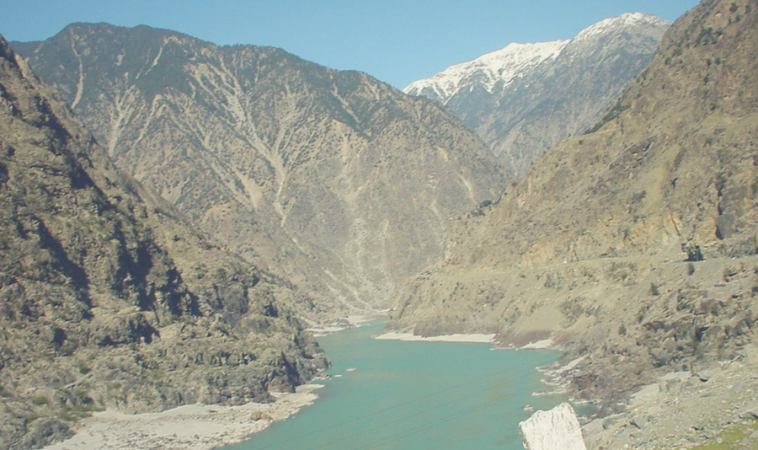
On November 14, 2017, Pakistan dropped its bid to have the Diamer-Bhasha Dam financed under the China-Pakistan Economic Corridor (CPEC) framework. The current Chairman of Pakistan’s Water & Power Development Authority has claimed that the conditions stated by the Chinese for financing Diamer-Bhasha “were not doable and against our interests.” These conditions included the Chinese ownership of the project, including operation and maintenance, and the securitization of the Diamer-Bhasha project by pledging another operational dam.
Sajjad Ashraf, Former Adjunct Professor, National University of Singapore
Sep 14, 2017
The U.S. may be the strongest state militarily, but it needs regional players like China, Iran, Russia and Pakistan to make success of its policy choices on Afghanistan. Operationally it needs to rely on Pakistani ports and road networks to resupply American troops in Afghanistan.
Ma Xiaolin, Professor, School of Arabic Studies, Beijing Foreign Studies University
Jun 27, 2017
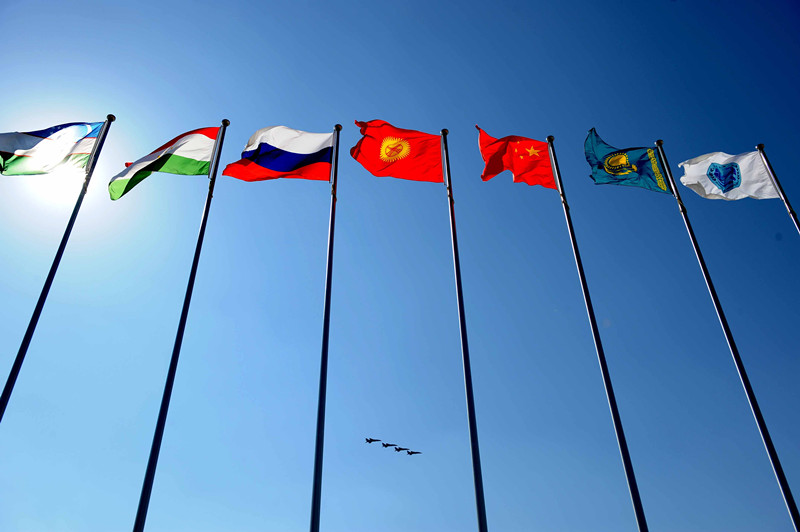
As NATO and the SCO expand simultaneously, the situation will become extremely tricky and complex. Therefore, after finishing membership procedures for India and Pakistan, the SCO should refrain from considering further expansion for a while, as it digests the newly added complexities, and should concentrate on enhancing economic interactions.
Back to Top

- China-US Focus builds trust and understanding between the U.S. and China through open dialogue among thought leaders.