Hazel Smith, Professorial Research Associate, SOAS, University of London
Jun 30, 2017
Why can’t the United States achieve its policy aims in North Korea? The main reason that the United States has failed to achieve its objectives is because it has tied its own hands behind its back - abjuring the use of diplomacy, that most classic of the instruments of state, even when diplomacy could help it to achieve national interest goals.
Olivia Enos, Policy Analyst, Heritage Foundation
Jun 29, 2017
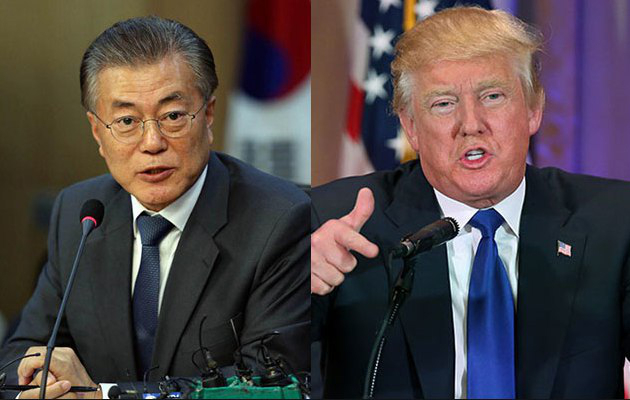
Rather than serving as a pretext for engagement, Warmbier’s return to the U.S. and subsequent death is yet another nail in the coffin for already imperiled U.S.-North Korea relations. Warmbier’s passing merits a strong response from the U.S. government, but will also likely require a coordinated response from other regional actors, including China and South Korea. Two significant events, the Diplomatic and Security Dialogue (D&SD) between the U.S. and China, and the upcoming summit between President Trump and newly elected South Korean President Moon Jae-in may be defining moments for developing a more coordinated regional strategy to address North Korea.
Doug Bandow, Senior Fellow, Cato Institute
Jun 28, 2017
Expecting the People’s Republic of China to destroy its ally while the U.S. was busy elsewhere in the region seeking to contain Chinese military power, and to do so without receiving anything in return, never was realistic. Unspecified trade concessions simply weren’t enough to make a deal. Washington should revive the North’s proposal for a freeze on its activities in return for an end to annual military exercises between the U.S. and South Korea.
Chen Ping, Deputy managing editor, Global Times
Jun 27, 2017
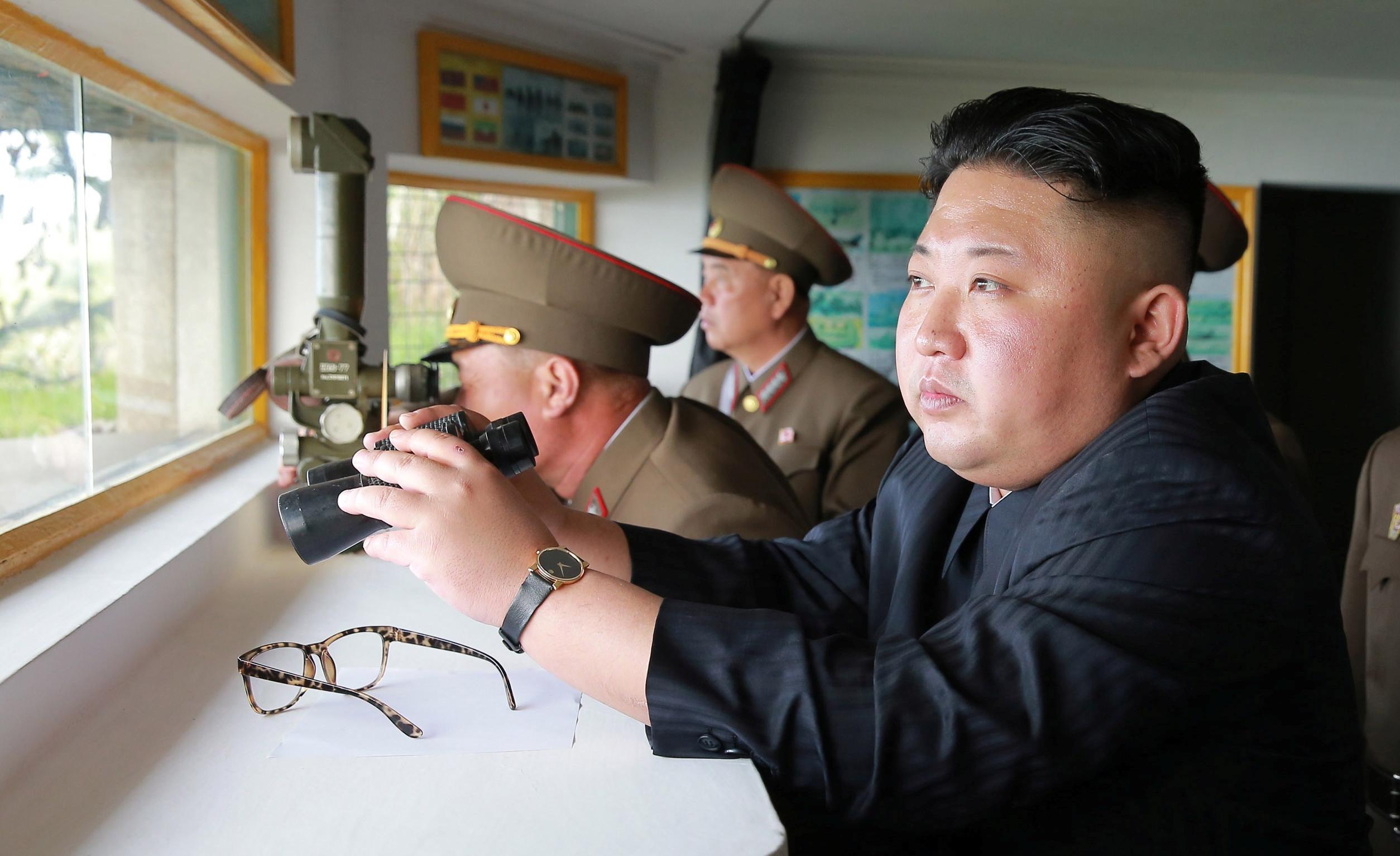
It should be clear to all stakeholders in Northeast Asia that China alone cannot solve the North Korean nuclear issue because it has never been a Beijing-Pyongyang issue. It was created by Pyongyang and Washington in the first place, and now it is the US that holds the key to a final solution.
Jun 26, 2017
During a week when the world has again been reminded of the depravity of the North Korean regime, given its likely role in the death of Otto Warmbier, it is important nonetheless to evaluate any possible opportunity for capping and ultimately dismantling North Korea’s nuclear and long-range missile forces with an open mind.
Kent Harrington, Former senior CIA analyst, National Intelligence Officer for East Asia
Jun 23, 2017
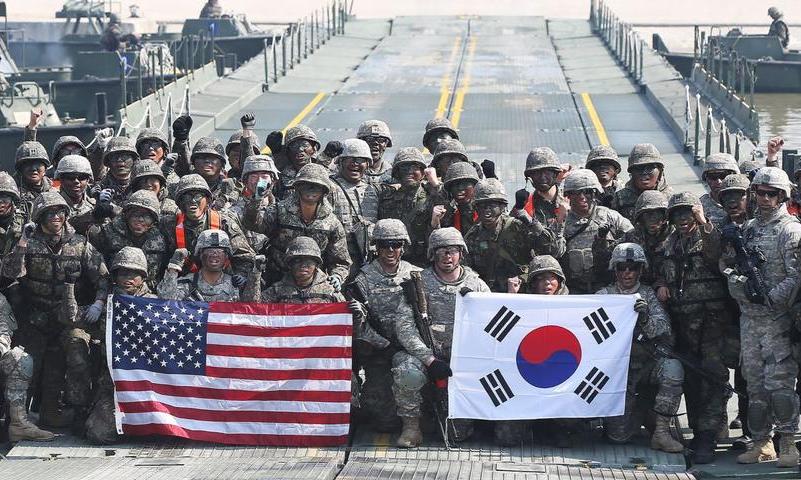
US President Donald Trump’s signature Asia policy – his pledge to stop North Korea’s development of nuclear weapons – should be a clear-cut example of American military resolve. Unfortunately for the region, it has proved to be anything but that.
Wang Longlin, PhD Student, Peking University and Cornell University
Jun 13, 2017
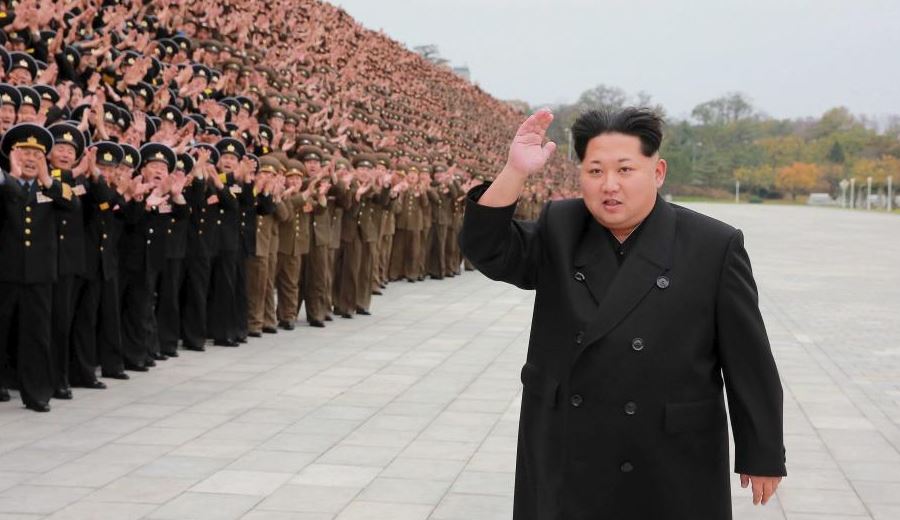
How can China and America address the Korean Peninsula crisis? China needs to convince North Korea to disband its ongoing nuclear program. And both North Korea and the United States must reduce aggression in order to ultimately increase stability.
Howard Stoffer, Associate Professor of National Security, University of New Haven
Jun 09, 2017
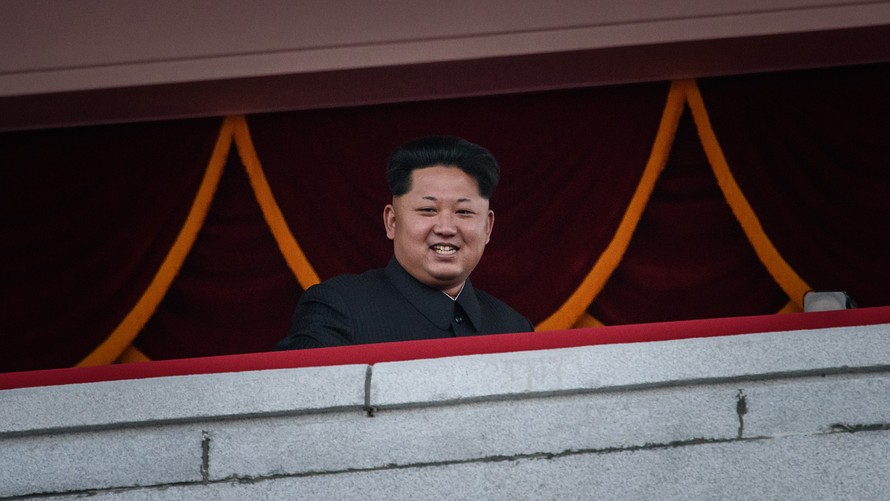
Doing nothing is not an option. Taking limited steps in the Security Council like the June 2nd U.N. resolution, while welcome, still lack substantive action to drastically alter the security situation on the peninsula. The hair trigger for a misstep and disaster grows tighter every day that Kim Jung-un remains unbound and unrestrained.
Richard Weitz, Senior Fellow, Hudson Institute
Jun 07, 2017
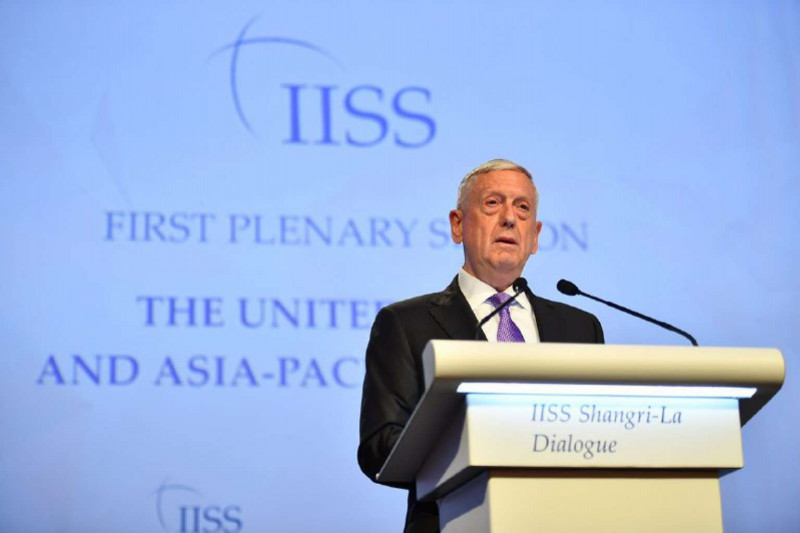
U.S. Secretary of Defense James Mattis’ speech used the Shangri-La Asia Security Dialogue as a platform to criticize some Chinese actions, but also offer options for cooperation regarding Korea. He reassured allies, reaffirmed alliances, and expressed a generally cooperative stance to resolving international challenges.
Peter Moody, Professor Emeritus of Political Science, University of Notre Dame
May 29, 2017
Particularly after the election of the progressive Moon Jae-in as president of South Korea, it is opportune to consider whether American policy toward the North is due for a radical rethinking.
Back to Top

- China-US Focus builds trust and understanding between the U.S. and China through open dialogue among thought leaders.