
The security foundation on which the GCC’s economic model was built has been seriously undermined. Unless these nations can forge a new, credible framework, it will be difficult to sustain the foreign investment and confidence that have fueled their growth.
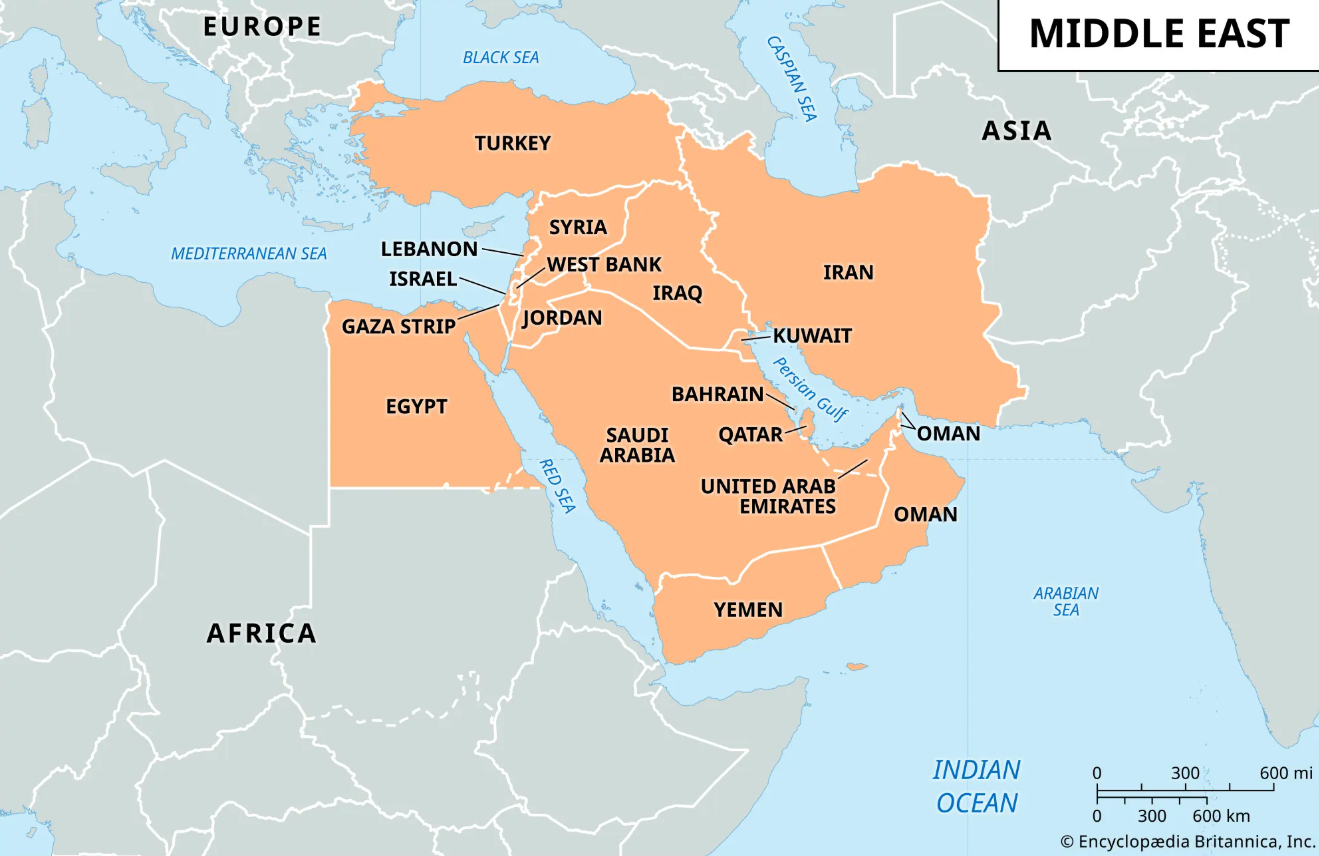
The ongoing crisis in the Middle East—triggered by the joint U.S.-Israel military operation against Iran—shows no signs of abating. Because neither side appears willing to de-escalate, the conflict is likely to persist in the weeks ahead, with potentially far-reaching consequences.
While the immediate humanitarian toll is devastating, the economic fallout, particularly for Gulf Cooperation Council countries but also the wider global economy—could be equally severe. Even if the conflict were to end within the next week or two, the economic damage would already have been substantial.
It is true that the GCC economies appear resilient. Over the past four to five decades, these nations have accumulated substantial wealth. In the last 20 to 30 years, many have pursued economic diversification with notable success. The United Arab Emirates, for example, has built a robust financial sector and a globally competitive services industry. Each GCC state manages extensive sovereign wealth funds with investments spanning the globe. These structural strengths should, in theory, cushion the region against external shocks.
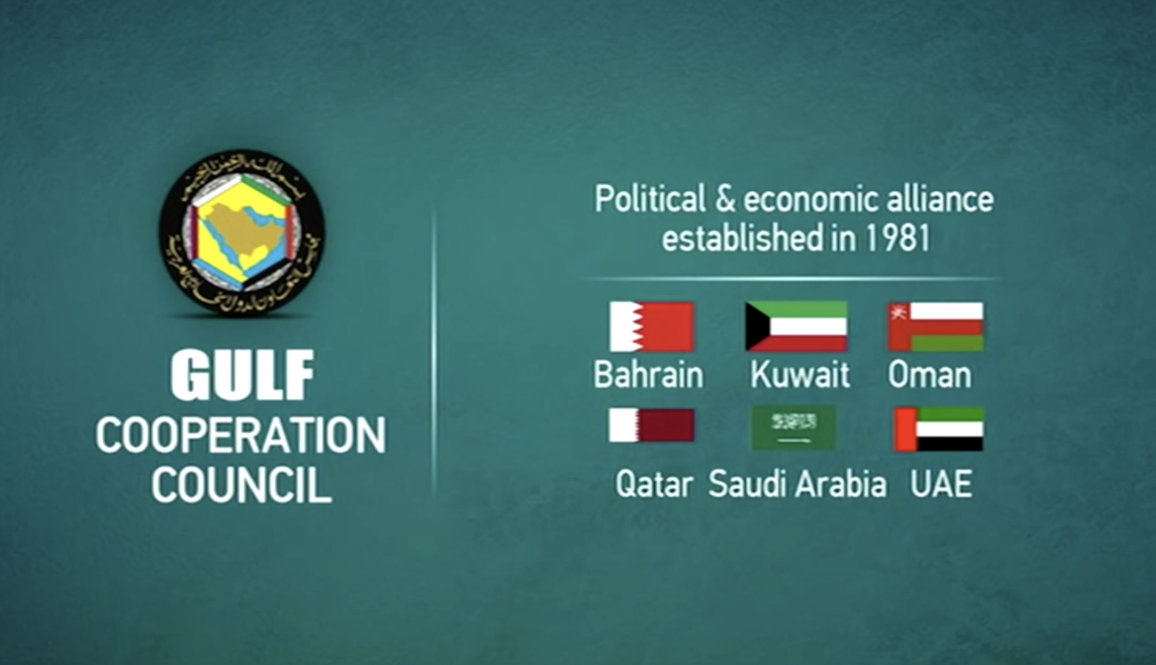
However, the current crisis—arguably one of the most destabilizing in the region’s modern history—poses unprecedented challenges not only to the warring parties but to the GCC states. Military facilities, including U.S. bases in the region, have already come under attack. Civilian infrastructure, such as airports and tourist sites, has also been affected. Critically, shipping routes in the Gulf—the economic lifeline of the GCC—have been partially or fully disrupted. For countries like the UAE and Qatar, which rely heavily on imports for food and other essentials, and for all GCC states that export the vast majority of their oil and gas via these waters, the challenges could be most serious.
As of this writing, the conflict has entered its second week and could stretch into months. Neither Iran nor the U.S. or Israel can afford to be seen as backing down, given their domestic political pressures. Should Tehran exhaust its supply of mid-range missiles, it could shift its focus to shorter-range strikes on GCC targets—assets that are geographically closer and potentially more vulnerable. At the same time, Israel might attack GCC states and blame Iran to provoke a GCC response against it, thereby drawing those countries into the conflict. Either scenario would place the GCC in an increasingly precarious and complex position.
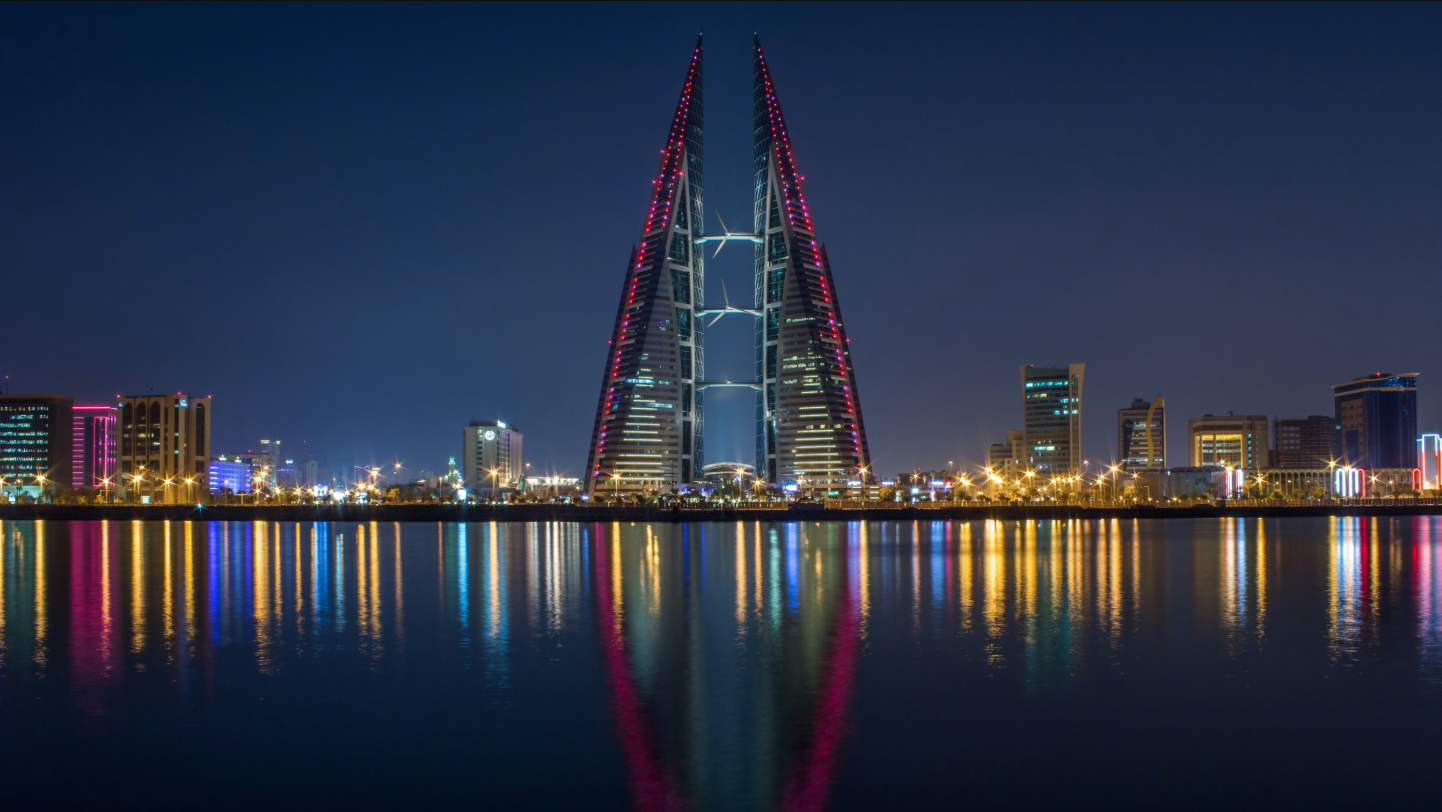
Bahrain, which is hoping to diversify its economy, like other GCC countries.
The economic damage is already becoming visible across several fronts:
First, oil exports from the Gulf have taken a direct hit. With key shipping lanes disrupted, the region’s ability to transport crude has been severely curtailed. Normally, the Gulf sees around 25 million barrels of oil transiting daily, a significant share of which originates from GCC countries. The loss of revenue is immense and comes at a particularly difficult time. Over the past few years, GCC states have faced tighter budgets due to sluggish global oil demand. The current crisis only compounds those fiscal pressures.
Second, the aviation sector in countries including the UAE and Qatar have suffered major setbacks. Both nations have built world-class airlines that are integral to their economic models. For nearly a week, many flights have been suspended. Although some operations have resumed, passenger volume is expected to remain historically low in the coming weeks, and the situation remains fragile.
Third, commercial activity across the region has slowed dramatically. Business deals, conferences, and trade missions have been postponed or canceled, which in turn affects corporate revenues and investor confidence.
Perhaps most concerning is the long-term impact on the region’s investment climate. For decades, the GCC’s prosperity has rested on a security guarantee from the United States. That guarantee was called into question in 2019, when the Trump administration was reluctant to respond to attacks on Saudi oil facilities. The current crisis further erodes confidence in that security umbrella. Not only has the U.S. demonstrated an inability—or unwillingness—to protect its Gulf partners but GCC states now find themselves to be collateral damage in Washington’s confrontation with Iran.
In short, the security foundation on which the GCC’s economic model was built has been seriously undermined. Unless these nations can forge a new, credible security framework, it will be difficult to sustain the foreign investment and confidence that have fueled their growth. Capital is risk-averse, and instability drives it away.
The global economic consequences are also mounting. Oil prices have already risen and are expected to climb further if the conflict continues. Major consuming nations—especially in Asia and Europe— will feel the pinch, not only through higher energy costs but also through the strain on strategic reserves. Industries heavily dependent on oil will face rising input costs, which will ripple through supply chains. Japan, South Korea and European countries are particularly exposed, while the United States may see renewed inflationary pressure.
South Asian economies—including India, Pakistan, and Bangladesh—face a double blow. They will contend with higher oil prices, and they also risk a sharp decline in remittances from their large diaspora communities in the Gulf. India alone has more than 9 million nationals working in GCC countries, contributing significantly to its foreign exchange inflows.
The global technology sector will also feel the impact. Over the past decade, GCC states have invested heavily in high-tech industries and forged partnerships with leading global firms. If the conflict drags on, these collaborations may stall and investment flows could dry up.
More broadly, the Gulf has emerged as one of the world’s three major economic engines, alongside the transatlantic and Asia-Pacific regions. If this engine sputters—whether due to conflict, insecurity or capital flight—the global economy will lose a vital source of dynamism.
The current Middle East crisis is more than a regional tragedy. It has shattered lives, destabilized a critical part of the world and exposed the fragility of the security arrangements that underpinned decades of prosperity. For the GCC, the path forward will require not only economic adaptation but also a fundamental rethinking of what security means—and who can provide it.
