
Initial American success against Iran has settled into protracted unpredictability. Things are not going exactly as planned for the United States, and significant unforeseen costs of war may emerge. Trump’s bluster cannot cover or eliminate the strategic pitfalls inherent in U.S. military operations.
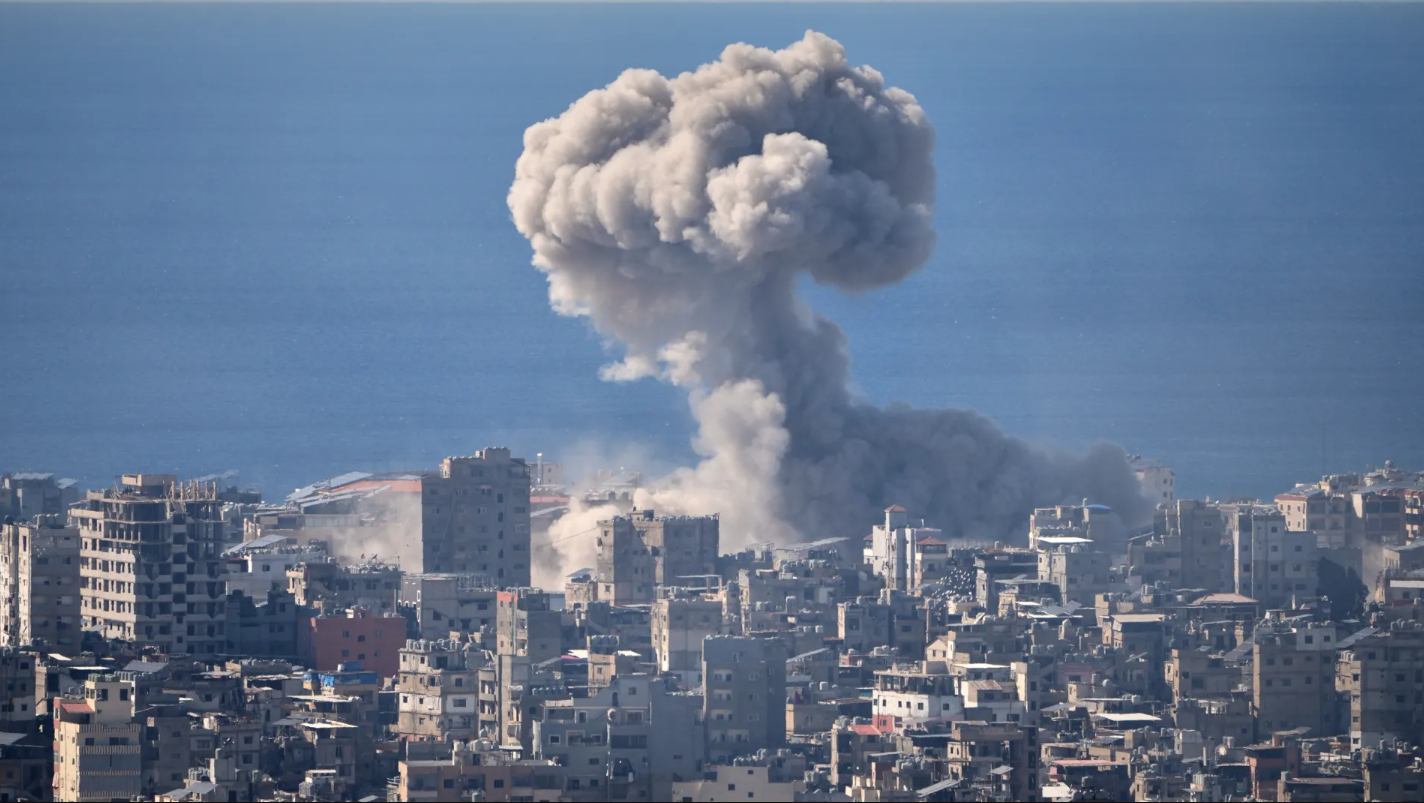
While the United States and Israel achieved some initial success in their military strikes against Iran, the situation in recent days does not appear to be developing as the two countries anticipated. Iran has not only overcome the initial chaos following the killing of several top leaders but is also conducting an effective power transition and military counterattack in a methodical manner. It has become clear that Iran is not another Venezuela.
The tactical successes of the U.S. and Israel in the early stages of the war cannot cover or eliminate the strategic pitfalls inherent in their military operations. In my view, Donald Trump’s military adventure in Iran may backfire and could potentially lead to significant unforeseen costs.
First, the administration’s intention to achieve a quick victory and regime change in Iran has clearly failed. To date, the White House has not provided a clear objective for the war, creating real ambiguity in its planning. Trump declared in June that the U.S. had “once and for all” eliminated Iran’s nuclear capabilities, thus making further bombing of any remaining Iranian nuclear facilities seem unnecessary.
Further, there is no evidence that military options are more effective than negotiations in addressing Iran’s nuclear potential, especially since Iran had already indicated a willingness to make greater concessions on this issue. U.S. military action during negotiations only demonstrates America’s lack of genuine sincerity about peace.
In addition, the war will incite hatred toward the U.S. among a new generation of Iranians and further diminish Iran’s confidence in any future negotiations or reconciliation.
From an Iranian’s perspective, the conflation of its ballistic missile program with its nuclear program by the U.S. not only goes beyond Iran’s international obligations but also resembles an unreasonable demand lacking in negotiating sincerity. With U.S. military bases surrounding it, repeated preemptive strikes by Israel and no improvement in relations, Iran is not likely to voluntarily abandon its only means for survival.
The calls by Trump and Benjamin Netanyahu for an Iranian uprising after the start of the war—aiming to achieve regime change, were equally unrealistic. The assassination of Iran's Supreme Leader Ayatollah Khamenei by U.S. and Israel failed to bring about the expected chaos and subsequent favorable regime change. It only fueled the anger and reinforce the unity of the Iranian people. And it brought a fierce military counterattack.
Trump has changed his tune from initially saying the war would only last a few days. He said in a recent interview that it could last four to five weeks, or even longer. This also suggests that the war’s progress has spilled beyond his initial expectations. While the U.S. and Israel use overwhelming military superiority to deter Iranian counterattacks and achieve their goals of “waiting for change through force” or “waiting for change by pressure,” the Iranians seem more inclined to demonstrate national resilience and resolve for revenge through limited but sustained military actions, aiming at: waiting for change by means of delay”
On one hand, as the high-value targets within Iran gradually decrease, the marginal effect of U.S. airstrikes will become increasingly apparent. On the other, facing an Iran under the leadership of Mojtaba Khamenei—one that consistently refuses to yield and continues to retaliate—the Trump administration will face an increasingly difficult predicament. But there is no turning back now. Regardless how unwilling it may be, the Trump administration must face this unexpected development.
From a domestic political perspective, Trump’s military adventure in Iran is likely to incur unbearable political costs. During the U.S. presidential election in 2024, Trump repeatedly pledged not to wage war abroad and accused the Biden administration of supporting and funding “other people’s wars.” Additionally, Trump is obsessed with winning the Nobel Peace Prize and has long labeled himself a “peace president.” Yet, the foreign wars Trump has launched since returning to office in 2025 have proved to be no less numerous than those of any other U.S. president in history.
In recent days, antiwar protests have been increasingly frequent in the U.S., including by "Make America Great Again" (MAGA) groups, which had previously been strong supporters of Trump.
Worse still, this war is not authorized by Congress or adequately debated domestically. As it drags on and casualties rise, internal divisions and conflicts within the U.S. will further intensify. Although the Senate rejected the resolution to limit the president's war powers by a vote of 47 to 53 on March 4, the divisions in the domestic population regarding the war have not subsided.
Given that this year coincides with midterm elections, even if Trump doesn’t need to worry about his re-election prospects, he cannot remain indifferent. If the Republicans lose control of both houses of Congress, the Trump administration will enter a lame-duck phase prematurely, facing greater obstacles in its future governance. In a word, this unpredictable and unnecessary military adventure could be the final straw for President Trump.
Finally, on the international political level, Trump’s military adventure in Iran is diametrically contrary to his declared (and pursued) Middle East strategy. In December, the administration publicly declared in its National Security Strategy report that, “the days in which the Middle East dominated American foreign policy in both long-term planning and day-to-day execution are thankfully over,” and the region will emerge as “a place of partnership, friendship, and investment—a trend that should be welcomed and encouraged.”
As things turned out after Trump returned to power, he not only failed to withdraw from the Middle East but also continued to support Israel’s military adventures in the Gaza Strip. And it involved itself in Iran with two large-scale military operations against it directly. The Middle East did not become the “place of partnership, friendship, and investment” that Trump touted. Rather, it fell into an unprecedented crisis. Actually, many of America's allies in Europe and Asia also fell into energy crises because of this reckless operation.
Of course, the capricious President Trump could easily declare another unprecedented victory in Iran through his unconventional “winning” philosophy and then gracefully withdraw from Iran. However, America’s strategic credibility in the Gulf region and globally will once again be tested.
At the same time, U.S. allies in the Gulf region have to bear some of the war costs and damage caused by U.S. military operations. They face an Iran with an uncertain postwar future, including a regional order riddled with problems and fraught with crises.
