
The pretext for Trump’s aggression against Iran, in partnership with Israel, is flimsy. As the saying goes, even a gentle rabbit may bite when cornered. The current war is, in some respects, an extreme manifestation of hegemony. And the whole world is paying the price.
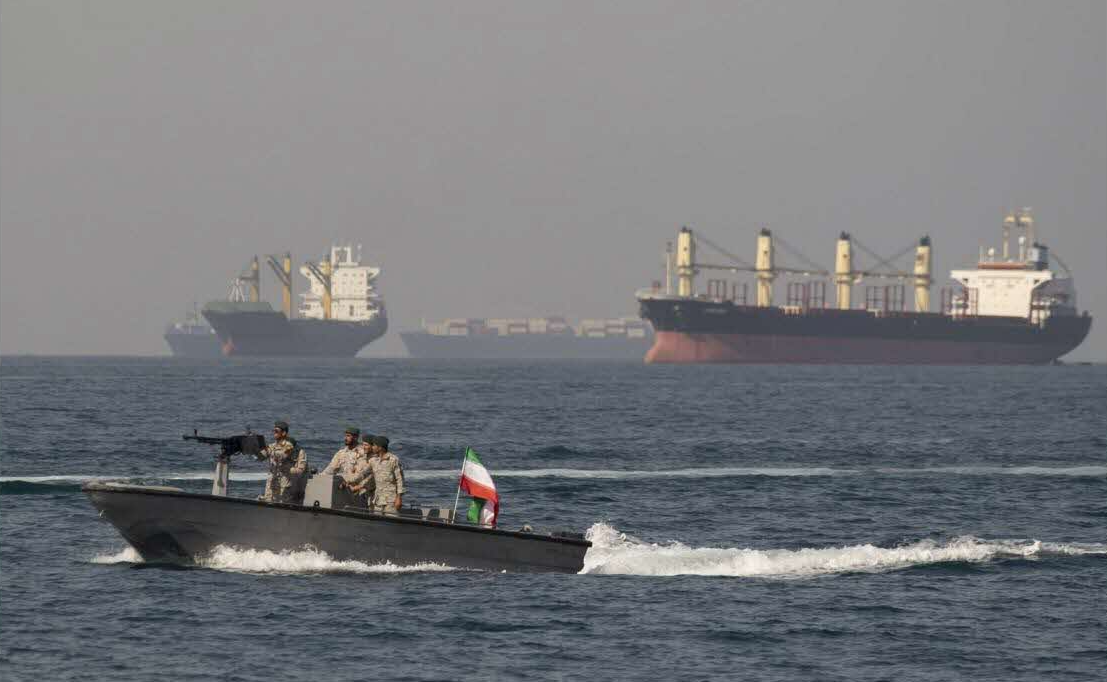
The world is witnessing one of the most turbulent geopolitical crises since the end of World War II, as joint military aggression by the United States and Israel has driven Iran to threaten the closure of the Strait of Hormuz and sparking global anxiety over energy security.
The world is already paying a heavy price for the war. The party that initiated the crisis must take measures to resolve it.
The world will continue to bear the costs of the Hormuz crisis. Gulf Cooperation Council countries have seen a sharp reduction in flight operations, undermining an aviation sector that serves as a key revenue source for the United Arab Emirates and Qatar. Their exhibition industries and commercial activities have been severely disrupted, while exports of oil and natural gas have nearly ground to a halt. If the crisis continues unresolved, their status as major global financial hubs will also face serious erosion.
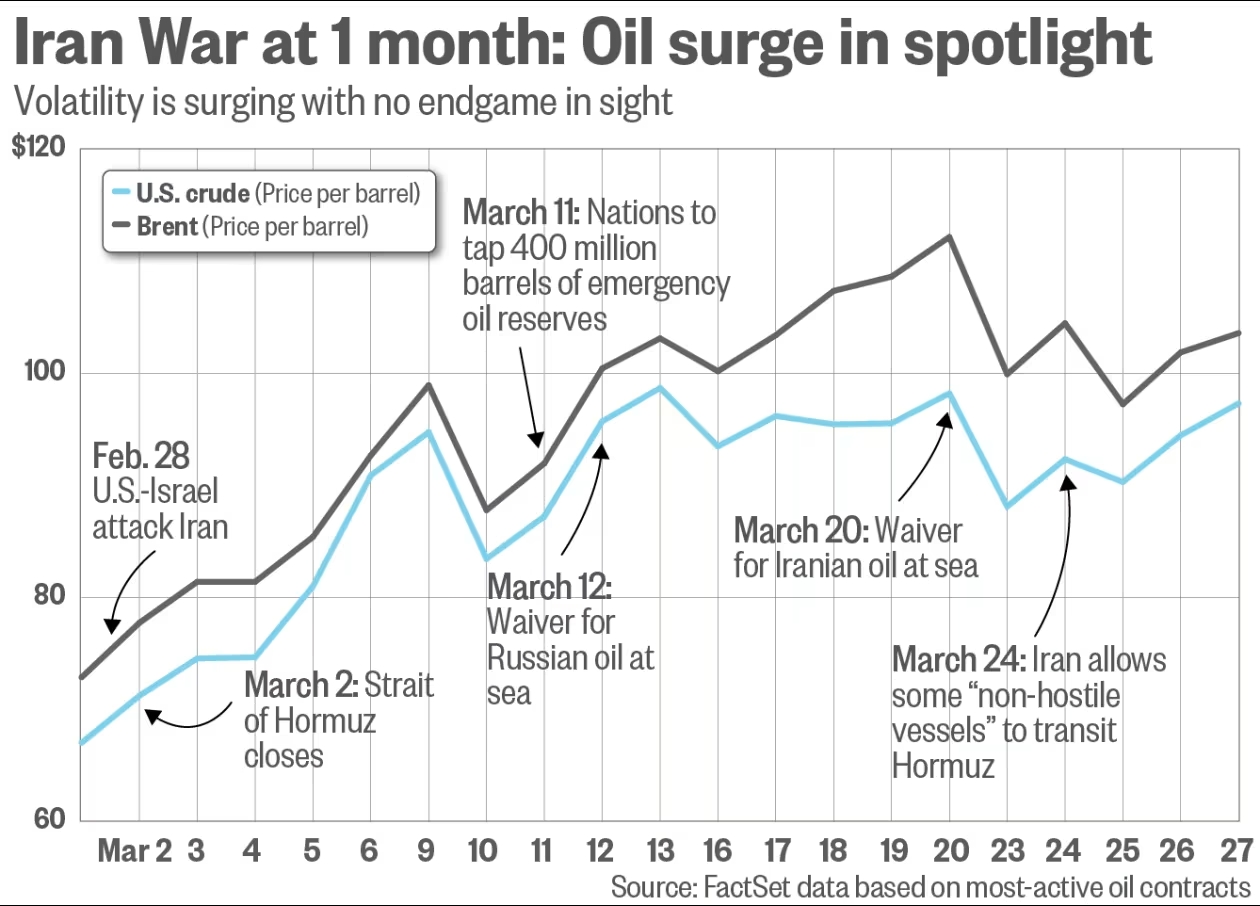
While GCC states are the most immediate victims, no region is immune from the fallout. Nearly all countries are already feeling the strain of rising oil prices. If the crisis persists for two to three months, they will face even more severe energy supply disruptions. Developed economies could slip into a new round of recession, while developing countries—given the fragility of their economic structures—will face even greater challenges. Globalization, already weakened, will suffer further setbacks.
The justifications offered by the United States for the war have always been obscure. Iran’s nuclear program has long been invoked as a pretext—but it bears an uncomfortable resemblance to claims of a chemical weapons program in Saddam Hussein’s Iraq. Former U.S. Secretary of State Colin Powell displayed a vial of “washing powder” before the UN Security Council in the lead-up to America’s 2003 invasion of Iraq. At that time, Powell claimed the powder was evidence that Saddam Hussein was developing chemical weapons. It was later revealed to be laundry detergent.
In July 2015, Iran and the P5+1 countries (the United States, Britain, France, Russia, China and Germany) reached the Joint Comprehensive Plan of Action—commonly known as the Iran nuclear deal—which was widely regarded as the most effective means of ensuring that Iran would not develop nuclear weapons. In at least the last two to three rounds of negotiations, Iran demonstrated its willingness to maintain a fully transparent and constrained nuclear program in exchange for the lifting of U.S. sanctions.
The military aggression appears to be driven by a convergence of Donald Trump’s military opportunism and adventurism with Benjamin Netanyahu’s expansionist ambitions. As Netanyahu advances his vision of a “Greater Israel,” he cannot tolerate any regional power capable of threatening that vision—and Iran is precisely such a country. In Netanyahu’s view, Iran should resemble present-day Syria, Iraq or Lebanon: fractured and unstable, with Israeli F-35s able to enter and exit its airspace at will.
Military opportunism can be understood as the pursuit of military action without incurring significant military costs. Without having to pay such costs, Trump successfully bombed Iranian nuclear facilities during Operation Midnight Hammer in June last year, and orchestrated the abduction of the Venezuelan president, Nicolas Maduro, in January. These operations appear to have encouraged Trump to pursue such actions even further.
Military adventurism, by contrast, involves taking military action without adequately assessing potential political, economic and military risks and costs. Recent developments suggest that Trump gave little consideration to the risks of his military actions against Iran.
During Netanyahu’s visit to the White House in February, he may have convinced Trump that assassinating Iran’s supreme leader through coordinated military action would cause Iran to collapse, thereby achieving all objectives—and allowing Trump to claim victory as a great hero. Yet Iran’s response and the subsequent evolution of the war contradict that assumption.
As an old Chinese saying goes, the one who ties the knot must be the one to untie it. This is the second time Iran has been subjected to joint U.S.-Israeli airstrikes conducted under the guise of negotiations. Iranians have legitimate grounds to fear a third attack. The aggression initiated by Israel and the United States has already resulted in tens of thousands of casualties and the destruction of government and civilian buildings and other infrastructure. Iranians are also justified in asking who will compensate them for these losses.
Although Iran’s demands—namely, guaranteed peace and compensation—are legitimate, they are unlikely to be realized, as no mechanism exists to compel hegemonic powers to abide by them.
If the United States genuinely wishes to untie the knot, it must offer Iranians a basis for hope—a goal that should not be overly difficult to achieve. For years, the United States has imposed sanctions on Iran’s financial and oil sectors. This may be the right moment for the United States to lift them. Given the complexity of U.S. sanctions on Iran, an initial phase could include symbolic but concrete measures to build Iranian confidence that sanctions will indeed be removed—such as committing to lift the remaining sanctions and seriously preparing for negotiations.
Without such steps, it will not be likely that Iran will agree to any form of cease-fire. Iran, with nothing to lose and in desperation, could unleash unimaginable strength as the world has been seeing in the last month.
In short, the pretext for Trump’s aggression against Iran is flimsy. As the saying goes, even a gentle rabbit may bite when cornered. The current war on Iran is, in some respects, an extreme manifestation of hegemony. The whole world is paying the price for the closure of the Strait of Hormuz, and the United States could be among those that will pay the heaviest price. If the U.S. is not honestly changing its policy, this could really be the moment that the U.S. could finally lose its hegemony.
