He Wenping, Senior Research Fellow, Charhar Institute and West Asia and Africa Studies Institute of the China Academy of Social Sciences
Aug 28, 2026
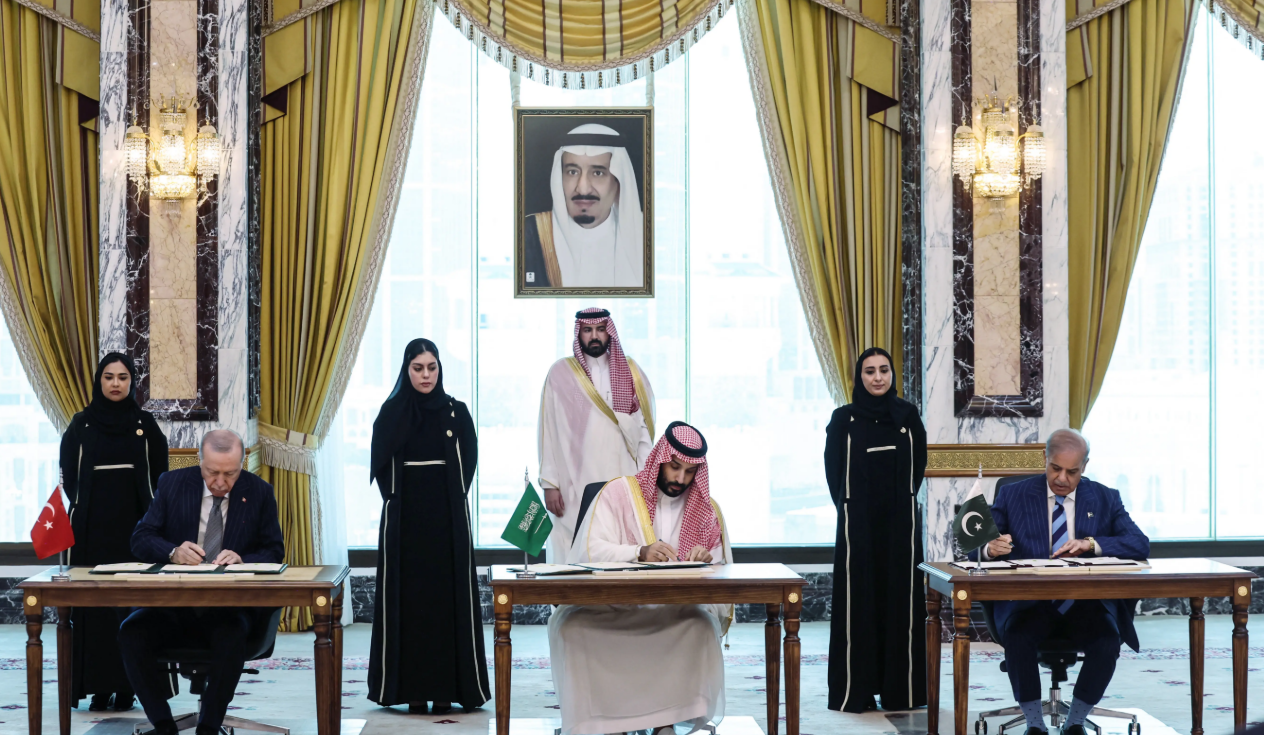
The American-Israeli war against Iran failed to produce the Middle East security order the two parties had hoped for but instead has spurred the emergence of a new security architecture in the Gulf to work around regional distrust of U.S. guarantees.
Niu Xinchun, Professor, China-Arab Research Institute, Ningxia University
Aug 05, 2026
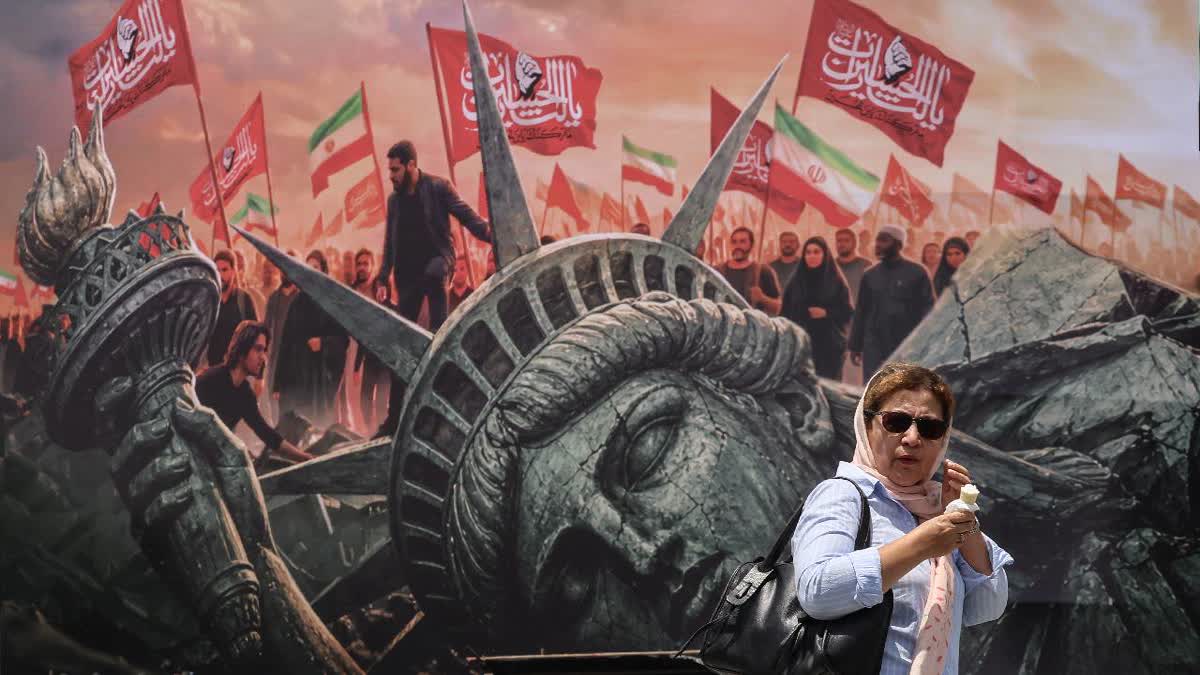
The conflict and its surrounding issues are characterized by a series of interconnected paradoxes, none of which comes with a simple, direct or rapid solution. The United States and Iran appear destined for a prolonged strategic contest.
Zhu Zhaoyi, Executive Director of the Institute of Middle East Studies, Peking University HSBC Business School.
Aug 05, 2026
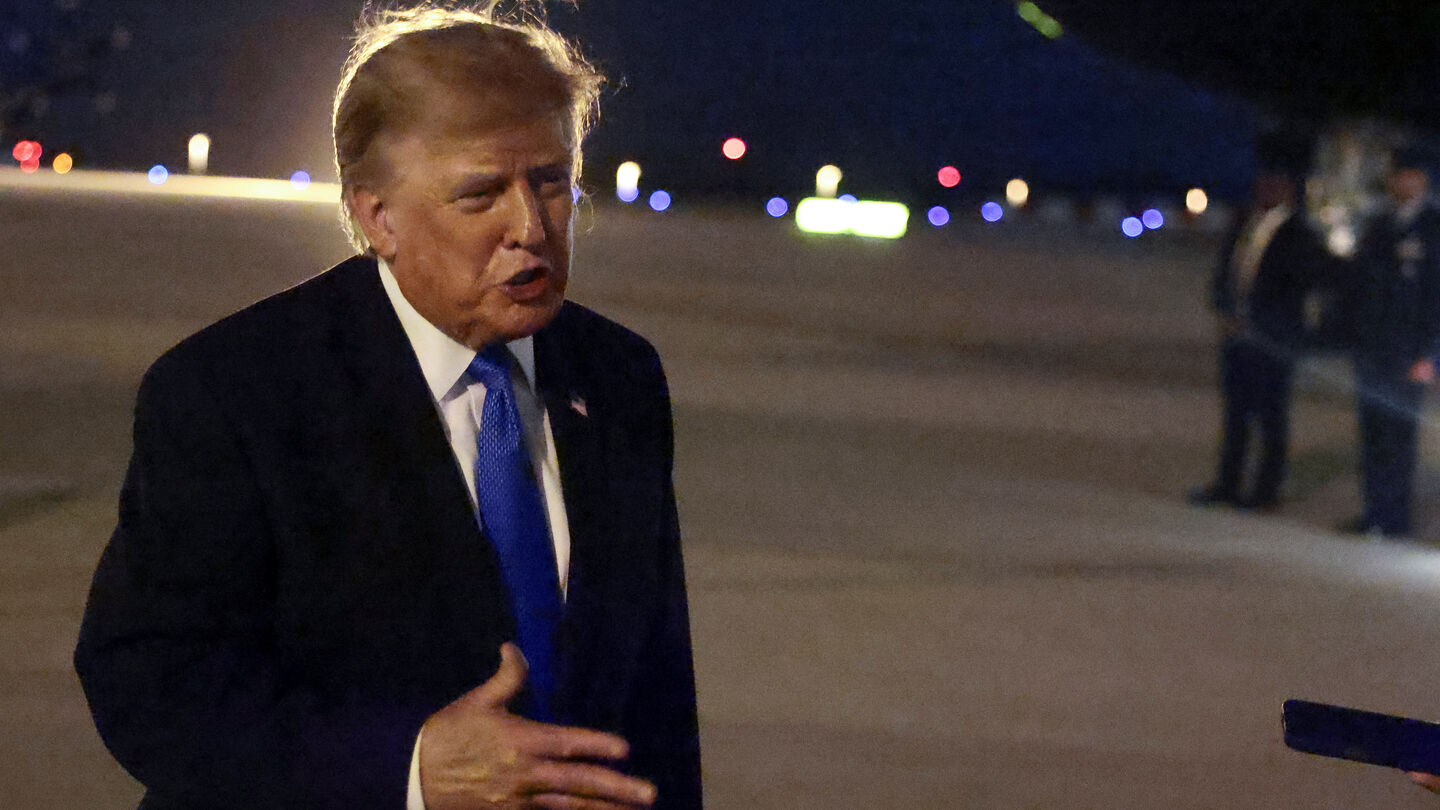
What the U.S. president needs is not another, more intense round of airstrikes but a cease-fire formula that every side can sell at home.
Fu Zhuorui, Economic Affairs Officer at the United Nations Economic and Social Commission for Western Asia
Jul 08, 2026
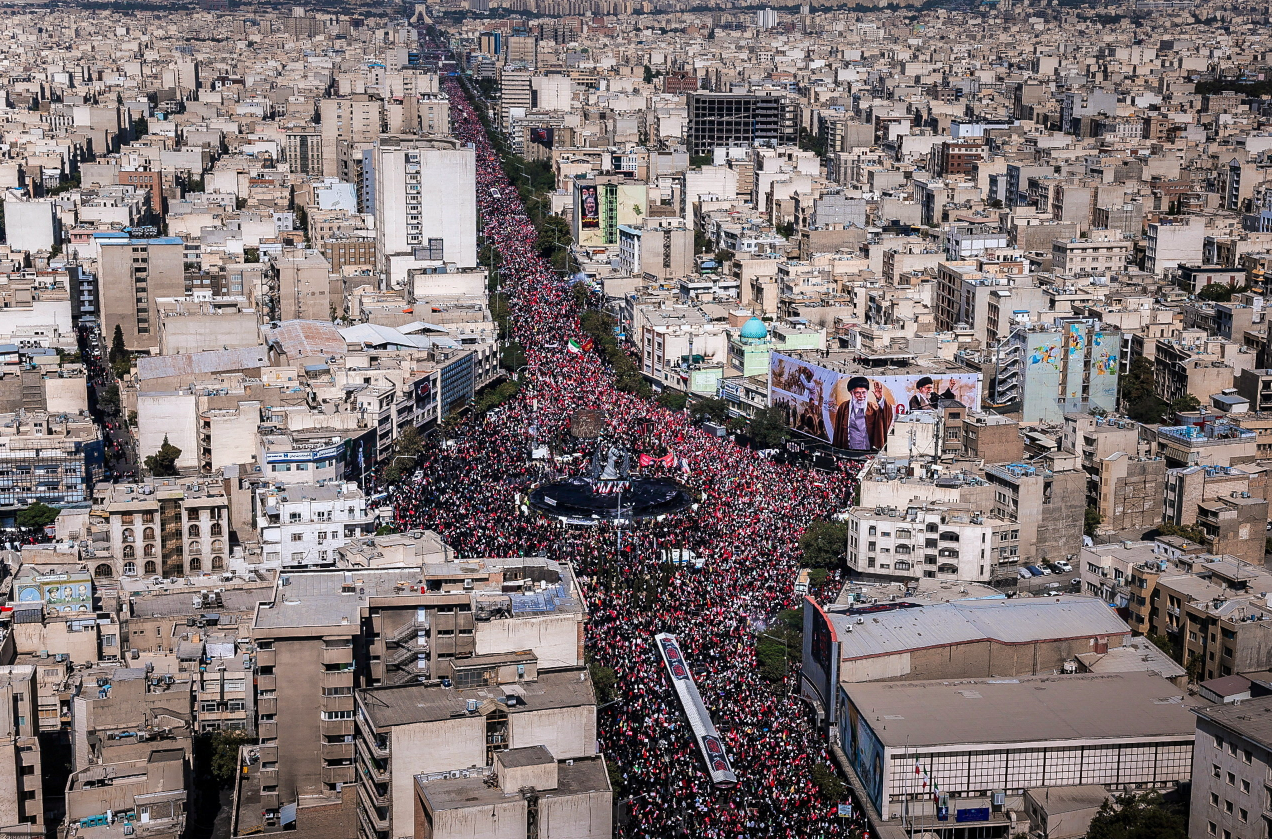
Great powers have long made policy toward an imagined Iran—one that none of them had the patience to truly understand. Now, the great powers must rely on deep understanding, mutual respect and presence. But presence is precisely what Washington and Beijing lack.
Zhu Zhaoyi, Executive Director of the Institute of Middle East Studies, Peking University HSBC Business School.
Jul 06, 2026
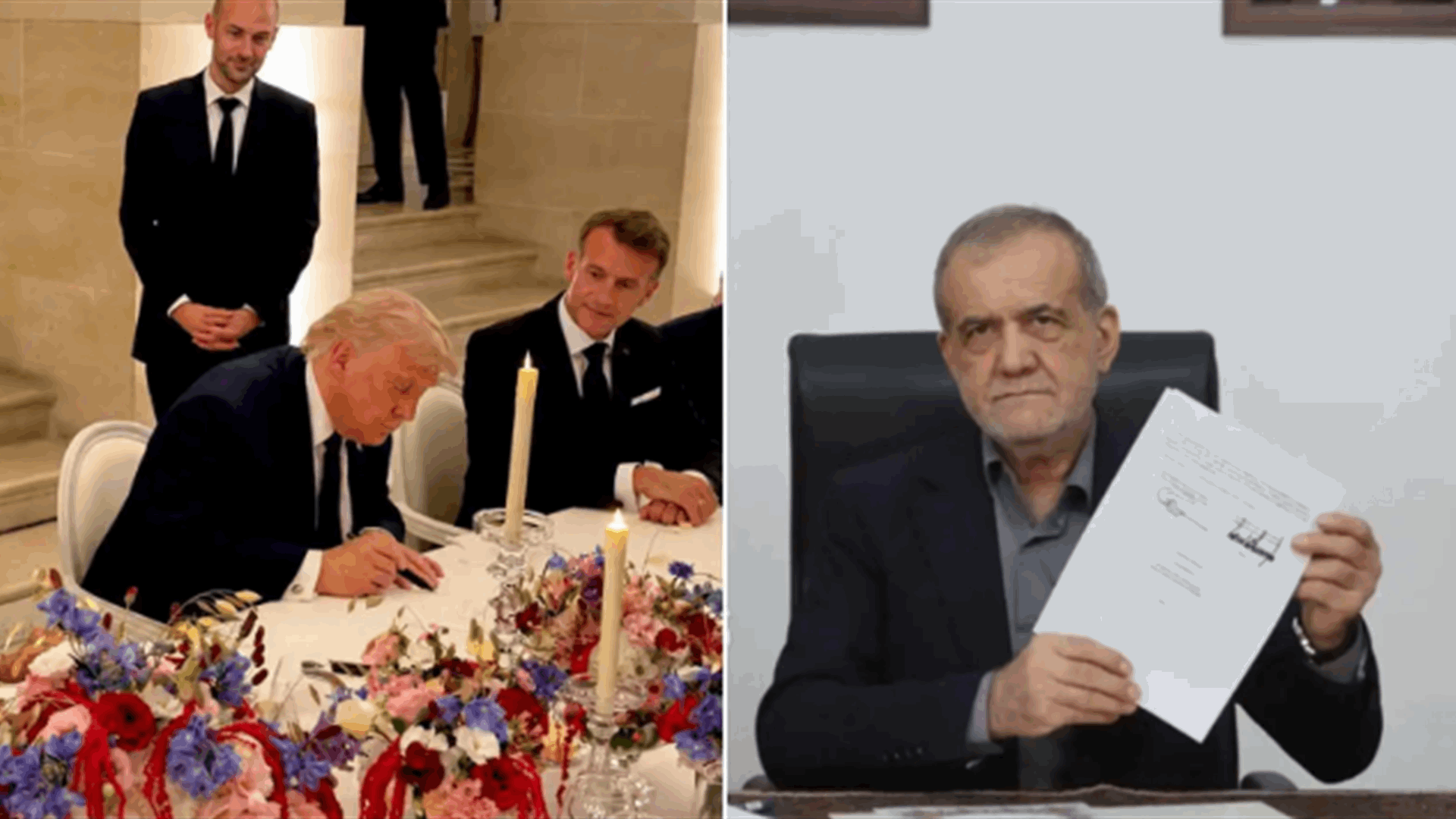
The U.S.-Iran memorandum of understanding is only a political commitment and carries no legally binding force. What truly matters is whether the two sides can conclude a formal peace agreement within the 60-day negotiating period. Three formidable hurdles stand in the way.
Zhu Zhaoyi, Executive Director of the Institute of Middle East Studies, Peking University HSBC Business School.
May 19, 2026
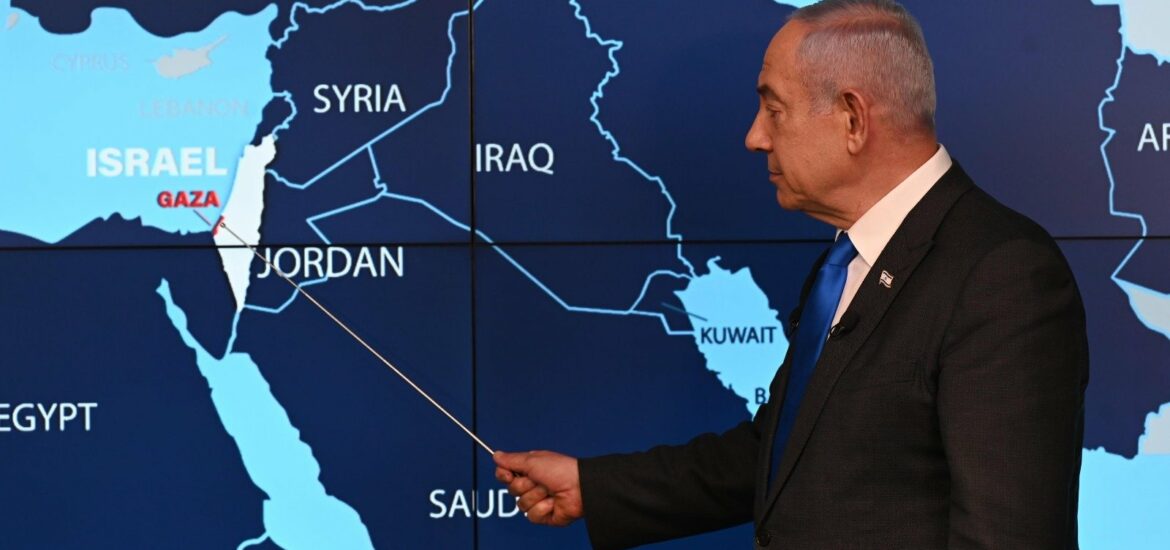
Israel is using its wealth—accumulated through technology—to prop up a new vision of territory. But there’s a price to pay. Ultimately, land obsession is harder to remove than politicians expect. It resides not on maps, but in the deepest fissures of national memory.
Shou Huisheng, Director, Center for Turkey Studies at Beijing Language and Culture University
May 08, 2026
Iraq once again stands at a dangerous crossroads. Trapped in a fragmented power‑sharing system and caught between security dependence on the United States and economic subordination to Iran, the finding a path to national reconstruction.
Zahid Anwar, Pro-Vice-President at the University of Peshawar, Pakistan
Apr 20, 2026
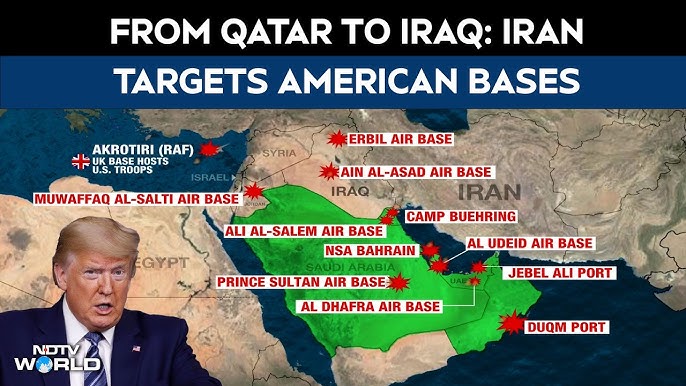
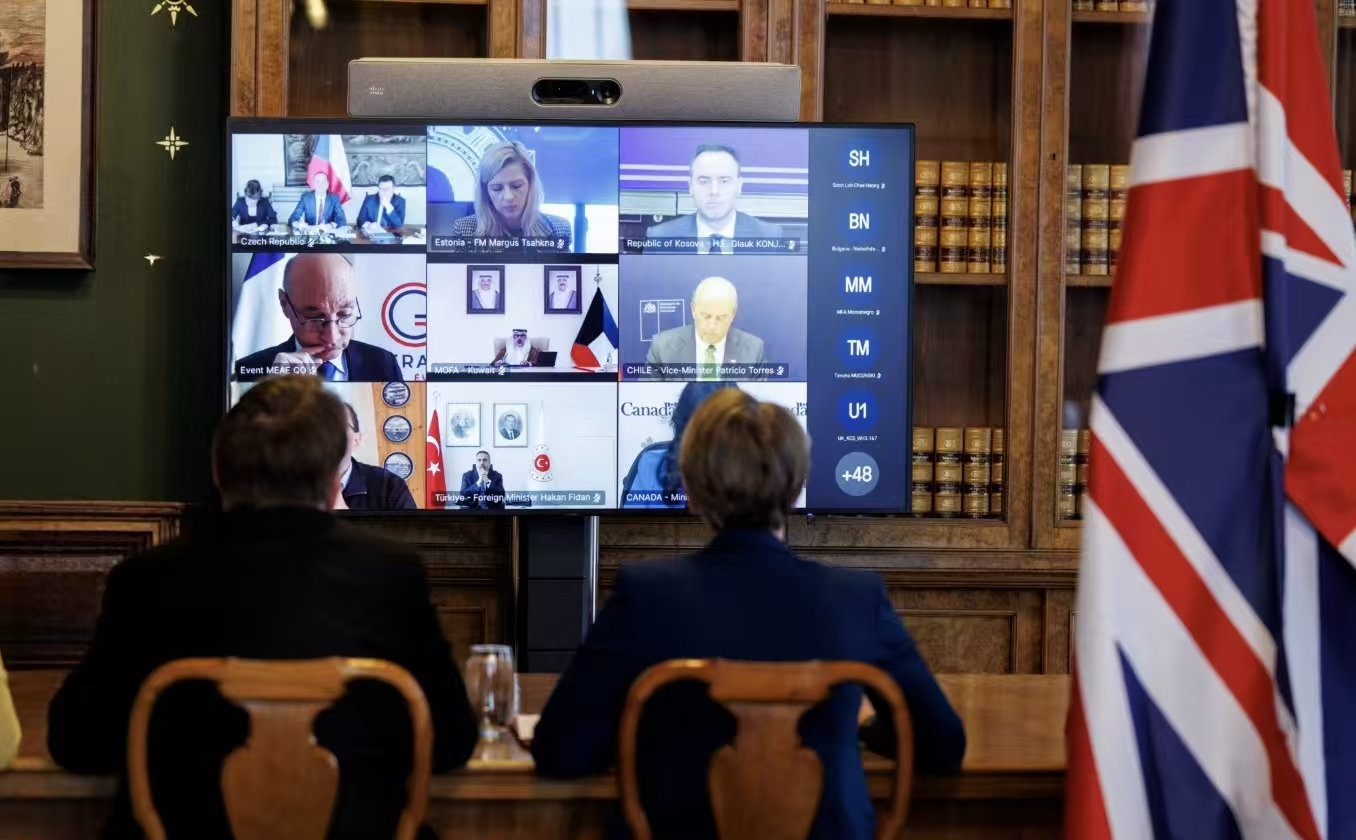
The ongoing conflict involving the United States, Israel, and Iran represents one of the most significant geopolitical crises of 2026. It began in late February when U.S. and Israeli forces launched large-scale strikes on Iranian military and nuclear infrastructure, escalating long-standing tensions over Iran’s nuclear program and regional influence. Iran responded with missile and drone attacks across the Middle East, targeting U.S. bases and allied interests, turning the confrontation into a broader regional war. The conflict has disrupted global energy markets, intensified regional instability, and triggered fragile ceasefire efforts, highlighting the risk of prolonged confrontation and wider international consequences.
Pedro Abramovay, Vice President of Programs at the Open Society Foundations, Former Brazilian Secretary of Justice
Apr 20, 2026
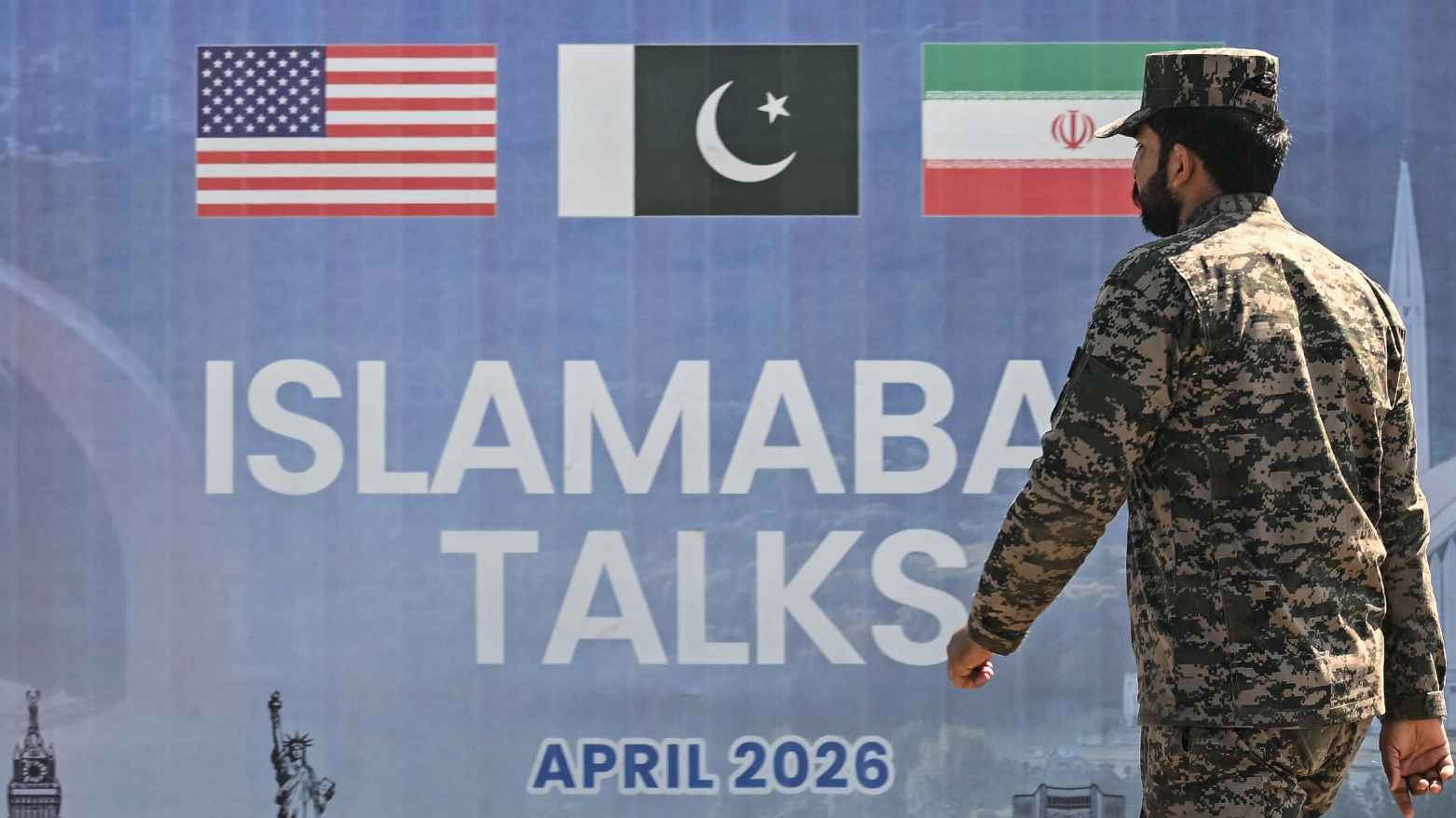
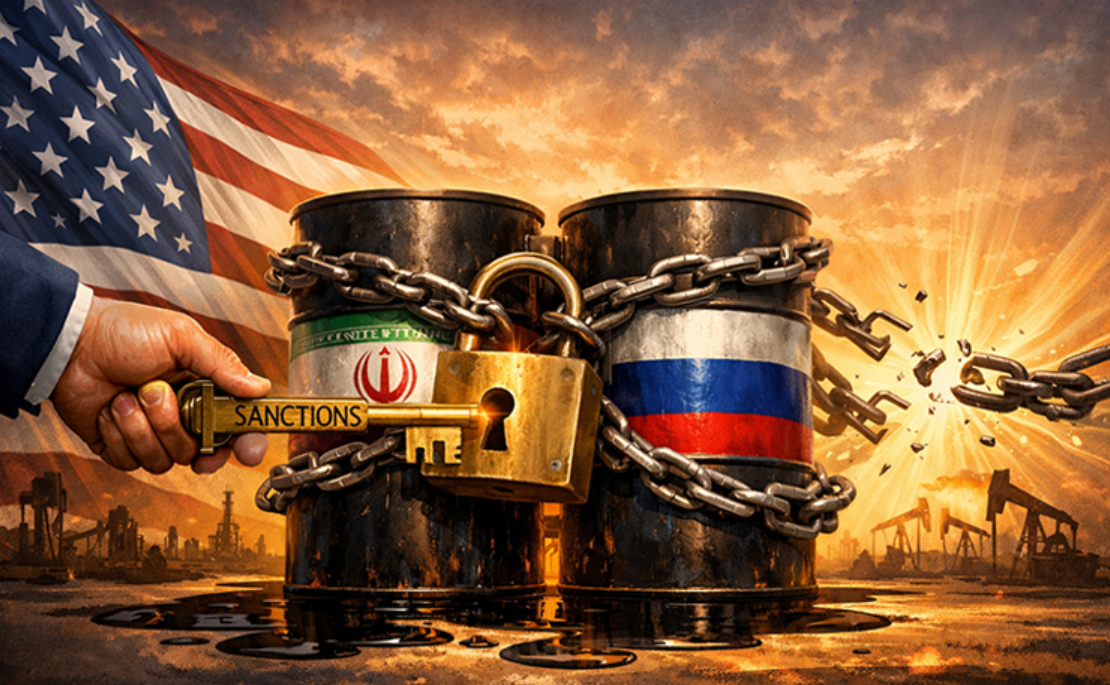
Even as Israeli bombs rained down on Lebanon, most of the world breathed a cautious sigh of relief when news broke that Pakistan had mediated a ceasefire between the United States and Iran, with the goal of reopening the Strait of Hormuz.
Ted Galen Carpenter, Senior Fellow, Randolph Bourne Institute
Apr 10, 2026
The U.S.-Iran conflict is increasing instability and straining U.S. resources while undermining Washington’s global credibility and leadership. At the same time, China is capitalizing on the situation by positioning itself as a neutral, stabilizing force and expanding its diplomatic influence at the United States’ expense.
Back to Top

- China-US Focus builds trust and understanding between the U.S. and China through open dialogue among thought leaders.