
Dear Focus Reader,
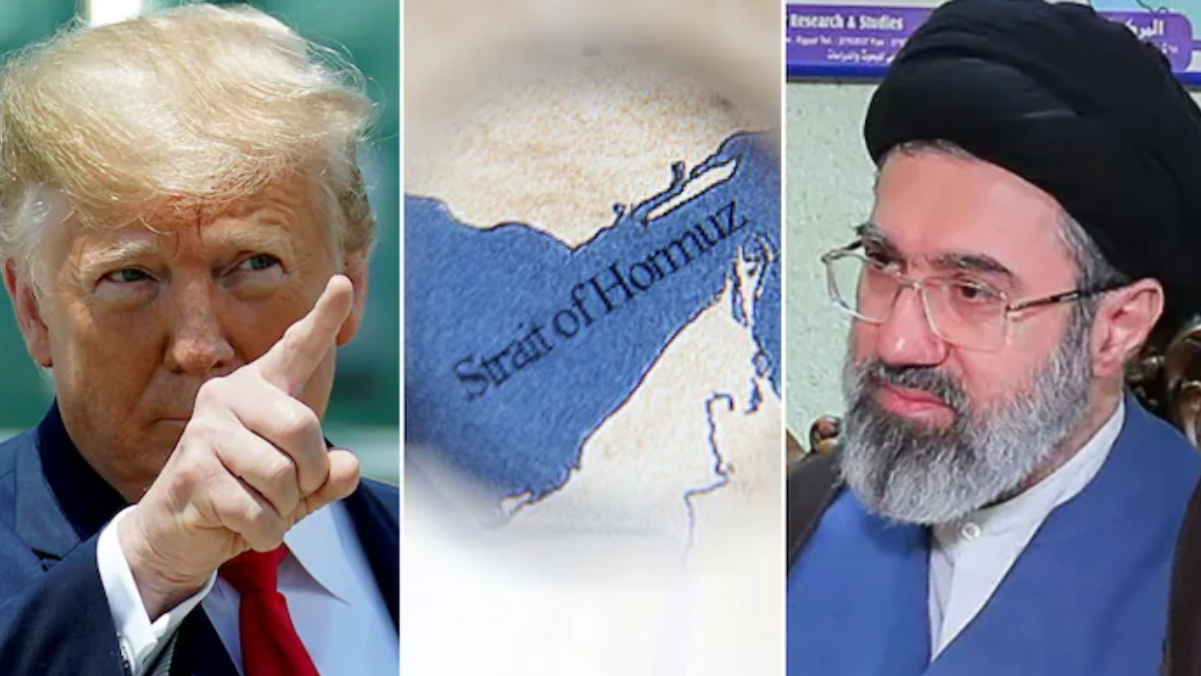
This week, Washington called on China and other countries to support its campaign to increase economic pressure on Iran, as the United States prepares new sanctions and Iranian oil shipments to China face disruption. U.S. Treasury Secretary Scott Bessent said the U.S. would impose what he called the "toughest sanctions in history" on Iran and urged Beijing to "get with the program." China's Foreign Ministry said sanctions and pressure tactics are not a solution and called for disputes to be addressed through political and diplomatic means.
Iranian oil shipments to China have also been affected by the U.S. blockade, with fewer cargoes available to Chinese buyers. Offers of Iranian crude have declined, while some Chinese refiners are seeking alternative supplies.
Bessent said he plans to provide more details on the new measures on Monday, while President Donald Trump has warned countries that provide economic support to Iran could face consequences.
Meanwhile, China's Foreign Minister Wang Yi visited South Korea this week for talks with President Lee Jae Myung and Foreign Minister Cho Hyun. The meetings focused on bilateral relations and the Korean Peninsula, with Wang calling for stronger China-South Korea ties and saying Beijing would continue to play a constructive role in promoting peace and stability on the peninsula.
During the visit, Wang also urged Seoul to pursue what he called "strategic autonomy," arguing that South Korea should avoid bloc confrontation or choosing sides between Beijing and Washington. On the Korean Peninsula, he encouraged the U.S. to abandon what Beijing describes as its "hostile policy" toward North Korea, while South Korean officials urged China to play a constructive role in bringing Pyongyang back to dialogue. The discussions come as diplomacy surrounding the peninsula may be entering a new phase, with U.S. President Trump signaling plans to meet North Korean leader Kim Jong Un later this year and Seoul seeking to create space for renewed engagement with Pyongyang.
Learn more on China-U.S. relations by checking out our latest Focus content, including topics on the global economy, AI, and more.
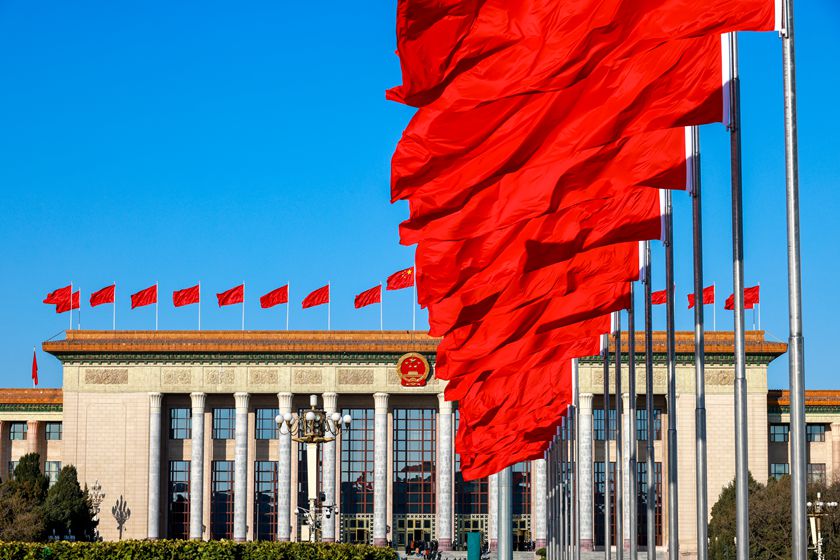
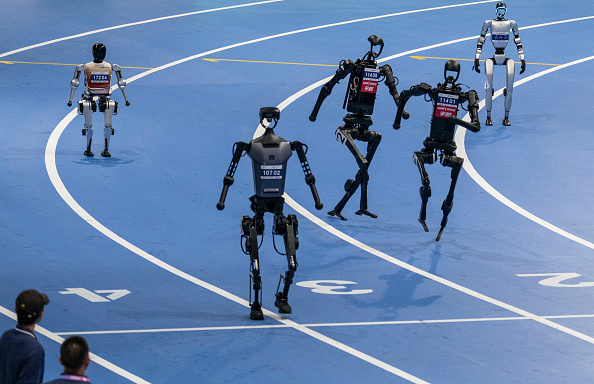
The percentage of yttrium, a critical mineral used in microchips, electronics, and other advanced technologies, that the U.S. imports from China.
Read more in "The Untold Story of Two Aging Giants and One Growing Rival" by Franz Jessen, Economist and Diplomat in EU-Asia Relations, and Sebastian Contin Trillo-Figueroa, Geopolitics Analyst in EU-Asia Relations and AsiaGlobal Fellow at The University of Hong Kong.
China's World Cup Dream | Kyle Obermann
Watch VideoIn this episode of The China Current, host Kyle Obermann looks at China's investment in its football program and the challenges facing the country's men's national team.
Question of the Week:
In our Focus Insights section, we feature an article by Xu Hongcai, Deputy Director of the Economic Policy Commission, analyzing China's economic outlook and the factors shaping its growth.
We want to hear from you!
Which factors do you think will shape China's economic performance in the months ahead?
Submit your thoughts to USeditor@chinausfocus.com for a chance to be featured in next week's Focus This Week.
useditor@chinausfocus.com for more info.
Powered by
Prepared by China-US Focus editorial teams in Hong Kong and New York, this weekly newsletter offers you snap shots of latest trends and developments emerging from China and the U.S. every week. It is a community space to exchange thoughts and ideas about the China-U.S. relationship and beyond.
- 2026-08-07 Focus This Week: Trade Holds Firm
- 2026-07-31 Focus This Week: Keeping Channels Open
- 2026-07-17 Focus This Week: Rising Friction
- 2026-07-10 Focus This Week: Strategic Signals
- 2026-06-26 Focus This Week: Bridging Dialogues
- 2026-06-18 Focus This Week: What's the Deal?
- 2026-06-12 Focus This Week: Strait Pressure
- 2026-05-29 Focus This Week: Ties and Tensions
- 2026-05-22 Focus This Week: The Aftermath
- 2026-05-15 Focus This Week: Deal or No Deal?
- 2026-05-08 Focus This Week: Beijing Bound (Take Two)
- 2026-05-01 Focus This Week: Flashpoints
- 2026-04-24 Focus This Week: Under Pressure
- 2026-04-17 Focus This Week: China’s Diplomatic Push
- 2026-04-10 Focus This Week: Uneasy Peace
- 2026-03-27 Focus This Week: Beijing Bound
