
Dear Focus Reader,
The Trump administration is sending special envoys Steve Witkoff and Jared Kushner to Pakistan this weekend for a second round of indirect talks with Iranian officials in Islamabad. The meetings will be mediated by Pakistan and follow a request from the Iranian side for in-person discussions.
The talks come after the recent ceasefire agreement between the United States and Iran, with the U.S. administration describing the process as ongoing and in hopes this weekend's meetings will "move the ball forward toward a deal."
The U.S. blockade on Iranian ports also remains in place. On Friday, Defense Secretary Pete Hegseth said the blockade would remain in place "for as long as it takes," underscoring the continued pressure against which negotiations are taking place, even as diplomatic engagement resumes. China has called for the ceasefire to be maintained and for disputes to be resolved through political and diplomatic means, while emphasizing concerns about disruptions to global energy supplies and the importance of maintaining normal passage through the Strait of Hormuz.
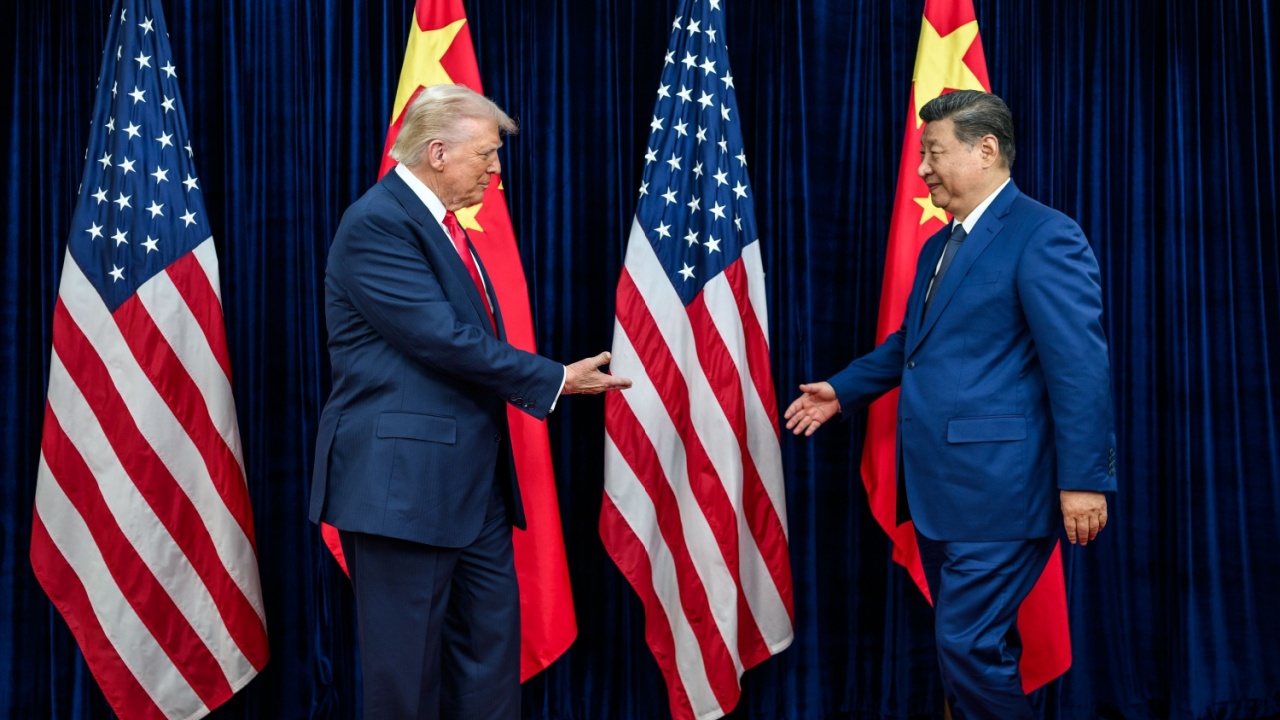
Meanwhile, Senator Steve Daines, a close ally of U.S. President Donald Trump, is set to lead a bipartisan congressional delegation to China beginning May 1, with stops in Shanghai and Beijing. The trip comes ahead of the potential summit between Presidents Trump and Xi Jinping next month, and as Washington increases pressure on Beijing over trade, technology competition, and its ties to Iran, while still signaling interest in maintaining dialogue.
It also follows recent reports that Chinese scholars were denied entry at Seattle-Tacoma International Airport despite holding valid visas. Chinese authorities issued a travel advisory last week, urging citizens to exercise caution when traveling to the U.S., citing concerns over border inspections and treatment at ports of entry. Despite renewed momentum toward high-level dialogue, the episode highlights the increasing challenges surrounding scientific exchange and academic mobility between the two countries.
Learn more on international relations by exploring our latest Focus content, including people-to-people ties, Sino-American diplomacy, and more.
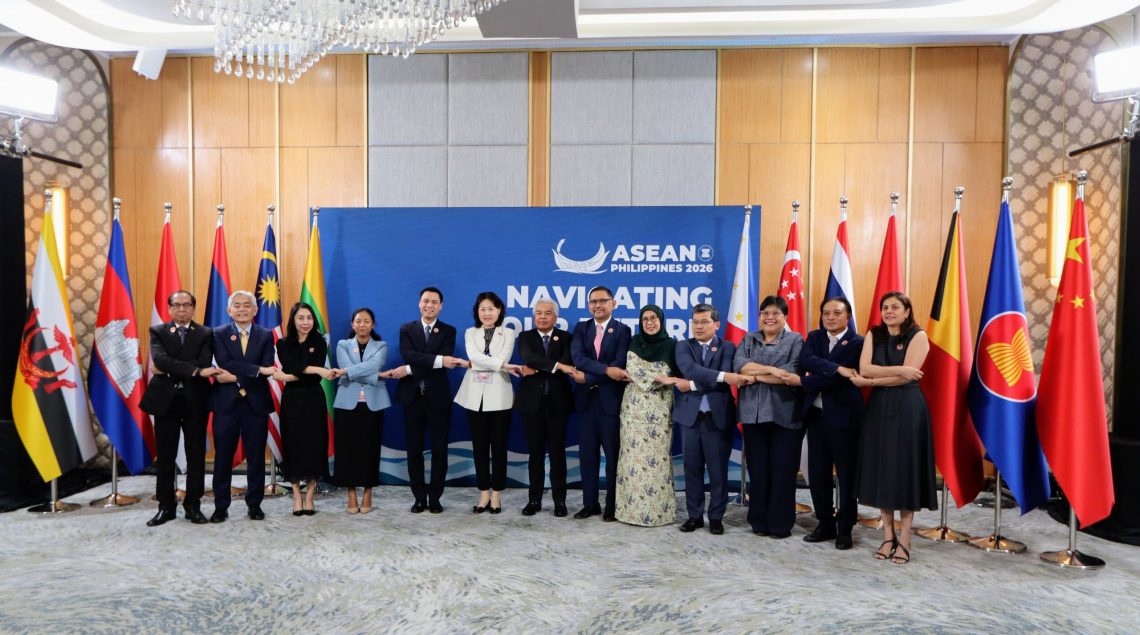
"Audiences no longer want their diplomacy sanitized or their worldviews reduced to comforting binaries. Rather, they want policy to reflect their lived realities."
The potential share of global oil reserves the United States and its allies could control if it succeeds in subduing Iran.
Learn more in "America's War with Iran Boosts China's Renewable Energy Strategy," by Zhao Xiuye, Pre-doctoral Research Fellow at Centre on Contemporary China and the World.
Free Master's Degree in China? | Kyle Obermann
Watch VideoIf you're interested in a fully-funded, elite graduate degree from one of China's top universities, you've probably heard of the Schwarzman Scholars and Yenching Academy Programs. But how do you choose? The China Current Host Kyle Obermann spoke with representatives from each program to see just how different they are and was surprised by what he discovered.
Question of the Week:
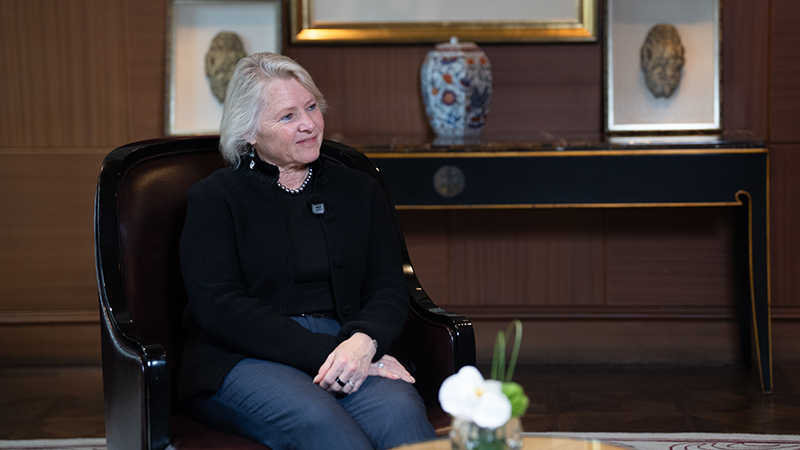
In our Focus Insights section, we featured an interview with Susan Thornton, Senior Fellow at the Paul Tsai China Center, on the importance of restoring communication, addressing mutual misperceptions, and strengthening people-to-people ties to stabilize United States–China relations.
We want to hear from you!
What steps are most critical to building a more stable and functional U.S.-China relationship in today's climate of tension and technological change?
Submit your thoughts to USeditor@chinausfocus.com for a chance to be featured in next week's Focus This Week.
useditor@chinausfocus.com for more info.
Powered by
Prepared by China-US Focus editorial teams in Hong Kong and New York, this weekly newsletter offers you snap shots of latest trends and developments emerging from China and the U.S. every week. It is a community space to exchange thoughts and ideas about the China-U.S. relationship and beyond.
- 2026-04-17 Focus This Week: China’s Diplomatic Push
- 2026-04-10 Focus This Week: Uneasy Peace
- 2026-03-27 Focus This Week: Beijing Bound
- 2026-03-13 Focus This Week: Targeting Stability
- 2026-03-06 Focus This Week: Tehran Tensions
- 2026-02-27 Focus This Week: Tariff Turnaround
- 2026-02-13 Focus This Week: A Critical Period
- 2026-02-06 Focus This Week: The Telephone Hour
- 2026-01-30 Focus This Week: Balancing Acts
- 2026-01-23 Focus This Week: Delicate Equilibrium
- 2026-01-16 Focus This Week: Trade Winds
- 2026-01-09 Focus This Week: Sovereignty at Stake
- 2025-12-19 Focus This Week: Between the Lines
- 2025-12-12 Focus This Week: Strategic Realignments
- 2025-12-05 Focus This Week: Cooperation on Track
