
Dear Focus Reader,
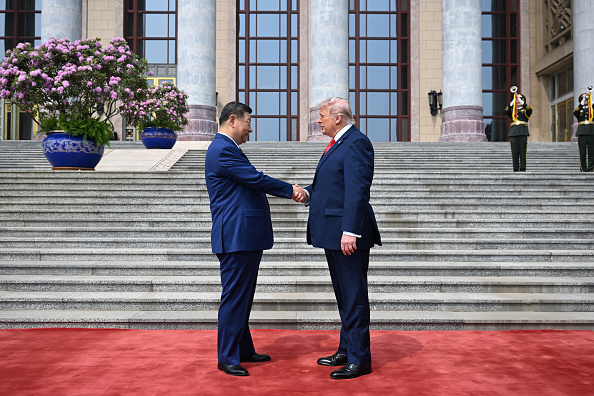
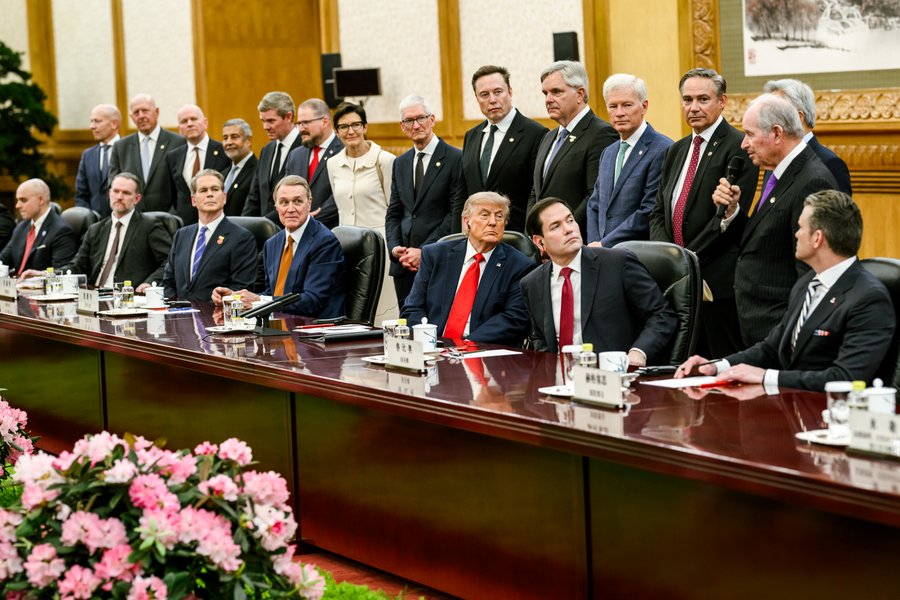
This week, attention remains on the aftermath of the recent summit between Chinese President Xi Jinping and U.S. President Donald Trump. While both sides continue to describe the engagement as constructive and aimed at stabilizing ties, the statements following the summit have shown some differences in emphasis.
Washington has highlighted specific commitments, such as China's planned purchase of 200 Boeing aircraft (which has now been confirmed by China) and large-scale agricultural purchases of at least $17 billion annually through 2028, while Beijing has focused more on broader market access and the easing of trade and export restrictions, including on tariffs and critical minerals.
Following the Summit, China-US Focus published a series of video interviews with experts from the U.S. and China who shared their immediate reactions, including Professor Stephen Roach, Professor Chris McNally, Dr. Sun Chenghao and Dr. Shao Yuqun.
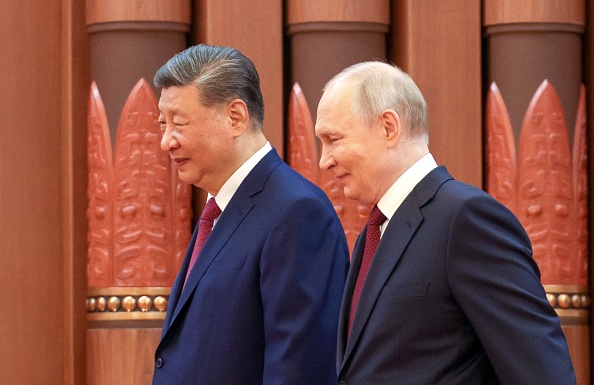
Meanwhile, Russian President Vladimir Putin traveled to Beijing, where he met with Xi to discuss expanding bilateral cooperation and strategic coordination, with both sides highlighting the long-term stability of the relationship.
The two sides signed a package of more than 40 agreements covering areas including trade, education, energy, and nuclear security. Energy cooperation remained central, with Russia reiterating its role as a key supplier of oil and gas and China emphasizing the importance of continued cross-border energy flows and broader supply chain stability. However, there were no breakthroughs on major long-discussed projects, such as the Power of Siberia 2 pipeline.
Looking ahead, focus is also shifting to China's growing diplomatic activity in Northeast Asia, with reports suggesting Xi may travel to North Korea as early as next week, and could potentially be preparing to serve as a mediator between Trump and North Korean leader Kim Jong Un. Analysts see this as part of an effort to balance relations between the United States, Russia, and North Korea amid shifting regional dynamics, as well as an opportunity to emphasize China's role in Korean Peninsula affairs.
Learn more on international relations by exploring our latest Focus content, including topics on U.S.-China affairs, diplomacy, and more.
"Sino-US competition is just one example of a more general competition in which the distribution of global power and the governance of the global economy are at stake."
The approximate value of the pending U.S. arms package for Taiwan that was left unresolved following the 2026 Xi-Trump summit.
Learn more in "China is Powerful, America is Far, Taiwan is Small," by Sebastian Contin Trillo-Figueroa, Asia Global Fellow, The University of Hong Kong.
Art and Technology | Horowitz x Art Basel
Watch VideoIn this episode of The China Current, Art Basel CEO Noah Horowitz highlights Hong Kong's continued position as Asia's leading art market, emphasizing its global connectivity, ease of trade, and strong integration with local cultural and business ecosystems, which together reinforce its role as a key hub in the international art system.
Question of the Week:
In our Focus Insights section, we featured an article by David Shambaugh, where he analyzes the Xi-Trump summit in Beijing and argues that it helped restore a measure of stability and regularized communication in U.S.-China relations, even as substantive agreements remained limited.
We want to hear from you!
Does renewed U.S.-China summit diplomacy signal a return to stability, or simply a pause within a longer cycle of strategic rivalry?
Submit your thoughts to USeditor@chinausfocus.com for a chance to be featured in next week's Focus This Week.
useditor@chinausfocus.com for more info.
Powered by
Prepared by China-US Focus editorial teams in Hong Kong and New York, this weekly newsletter offers you snap shots of latest trends and developments emerging from China and the U.S. every week. It is a community space to exchange thoughts and ideas about the China-U.S. relationship and beyond.
- 2026-05-15 Focus This Week: Deal or No Deal?
- 2026-05-08 Focus This Week: Beijing Bound (Take Two)
- 2026-05-01 Focus This Week: Flashpoints
- 2026-04-24 Focus This Week: Under Pressure
- 2026-04-17 Focus This Week: China’s Diplomatic Push
- 2026-04-10 Focus This Week: Uneasy Peace
- 2026-03-27 Focus This Week: Beijing Bound
- 2026-03-13 Focus This Week: Targeting Stability
- 2026-03-06 Focus This Week: Tehran Tensions
- 2026-02-27 Focus This Week: Tariff Turnaround
- 2026-02-13 Focus This Week: A Critical Period
- 2026-02-06 Focus This Week: The Telephone Hour
- 2026-01-30 Focus This Week: Balancing Acts
- 2026-01-23 Focus This Week: Delicate Equilibrium
- 2026-01-16 Focus This Week: Trade Winds
- 2026-01-09 Focus This Week: Sovereignty at Stake
