
Dear Focus Reader,
Democrats won control of both chambers of Congress in this week's U.S. midterm elections, positioning the party to play a larger role in shaping Washington's China policy. But despite differences over how to approach Beijing, the bipartisan emphasis on strategic competition suggests that the broader direction of U.S.-China policy may remain largely unchanged.
Following the election, Beijing reaffirmed its support for continued dialogue with Washington. Chinese Foreign Ministry spokesperson Mao Ning described the elections as a U.S. domestic affair and said China would continue working to implement the understandings reached by the two presidents. She also called for stronger communication, better management of differences, and expanded cooperation to maintain stability in bilateral relations.
The results come ahead of the expected meeting between Presidents Donald Trump and Xi Jinping in Shenzhen later this month, as trade negotiations continue under a truce set to expire in January. Beijing also confirmed it was in communication with relevant parties about a possible trilateral meeting between Trump, Xi and Russian President Vladimir Putin on the sidelines of the Asia-Pacific Economic Cooperation (APEC) summit.
Meanwhile, following last week's Fifth Plenum of the Communist Party of China, Beijing published a resolution aimed at strengthening internal Party governance and combating corruption. The document outlines measures to improve oversight of officials and major decisions, including stricter standards for personnel appointments ahead of an anticipated leadership reshuffle next year. The plenum also confirmed that the 21st National Congress of the Communist Party of China will convene in Beijing in the second half of 2027.
Learn more on international relations by exploring our latest Focus content, including topics on foreign policy, global economy, and more.

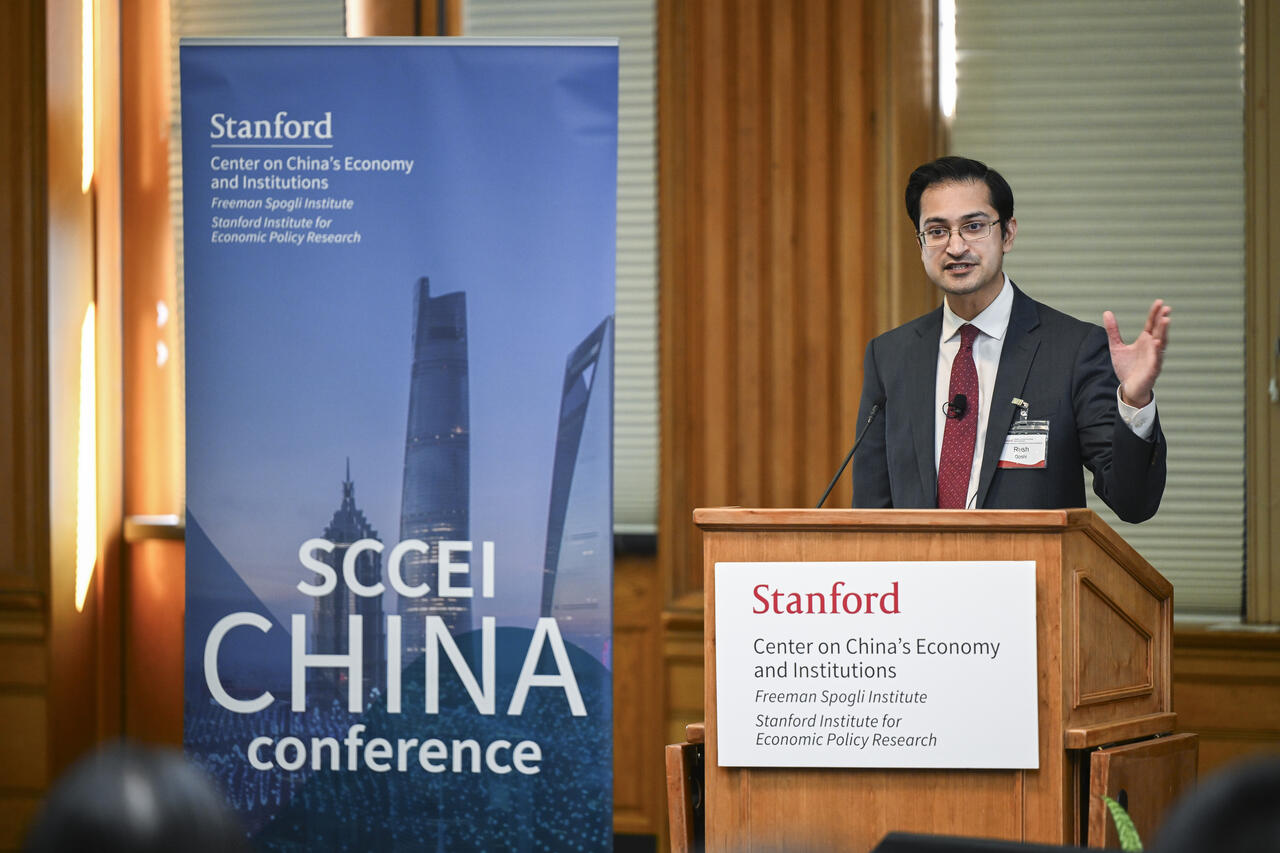

"The value of China-EU cooperation should be reflected in its ability to expand the choices available to both sides and reduce the costs of managing crises."
SpaceX's approximate launch price per kilogram, showing how reusable rockets are lowering the cost of reaching orbit.
Read more in "Closing the SpaceX Gap: China's Reusable Rocket Leap and the New China-U.S. Space Race," by Sheng Zhonghua, Researcher and Postdoctoral Fellow at the Centre on Contemporary China and the World, the University of Hong Kong.
Living in China Beyond the Viral Videos| Lauren Hamilton
Watch VideoIn this episode of The China Current, American English teacher Lauren Hamilton offers a glimpse of everyday life in China, beyond the viral videos and futuristic cityscapes we often see on social media.
Question of the Week:
In our Focus Insights section, we shared an article by Zhang Zhixin where he examines the economic concerns and political shifts behind the Democrats' midterm gains.
We want to hear from you!
What should the new Congress prioritize in U.S.-China relations?
Submit your thoughts to USeditor@chinausfocus.com for a chance to be featured in next week's Focus This Week.
useditor@chinausfocus.com for more info.
Powered by

Prepared by China-US Focus editorial teams in Hong Kong and New York, this weekly newsletter offers you snap shots of latest trends and developments emerging from China and the U.S. every week. It is a community space to exchange thoughts and ideas about the China-U.S. relationship and beyond.
- 2026-10-30 Focus This Week: Terms and Conditions
- 2026-10-23 Focus This Week: Managing the Divide
- 2026-10-16 Focus This Week: Navigating New Pressures
- 2026-10-09 Focus This Week: The Tradeoffs Ahead
- 2026-10-02 Focus This Week: Taking the Next Steps
- 2026-09-25 Focus This Week: What Comes Next?
- 2026-09-21 Focus This Week: Ahead of the Summit
- 2026-09-11 Focus This Week: Remembering Tung Chee Hwa
- 2026-09-04 Focus This Week: New Alignments
- 2026-08-28 Focus This Week: Pressure Points
- 2026-08-21 Focus This Week: Shifting Grounds
- 2026-08-07 Focus This Week: Trade Holds Firm
- 2026-07-31 Focus This Week: Keeping Channels Open
- 2026-07-17 Focus This Week: Rising Friction
- 2026-07-10 Focus This Week: Strategic Signals
- 2026-06-26 Focus This Week: Bridging Dialogues
- 2026-06-18 Focus This Week: What's the Deal?
- 2026-06-12 Focus This Week: Strait Pressure
