
Dear Focus Reader,
This week, trade tensions between Washington and Beijing surfaced at the G20 finance ministers' meeting in Asheville, North Carolina. U.S. Treasury Secretary Scott Bessent said 19 members agreed to address what he called an "unsustainable equilibrium" resulting from a "stream of cheap exports", and that China was the only member to dissent from a joint statement on the issue over references to trade imbalances. China's Commerce Ministry pushed back, saying that using the G20 to highlight "economic imbalances" and "overcapacity" is "essentially promoting protectionism," and criticized recent U.S. sanctions on Chinese companies and citizens over Iran-related activity.
The dispute unfolded as Presidents Donald Trump and Xi Jinping tentatively plan to meet in Washington later this month. Preparations for the visit appear to extend well beyond the leaders' talks: the White House is reportedly planning a formal state dinner, while Xi is expected to arrive with a sizable delegation of Chinese business executives in an effort to emphasize commercial and investment ties. U.S. Trade Representative Jamieson Greer said the two countries are expected to announce measures related to agriculture and non-tariff barriers during Xi's visit, with the aim of expanding U.S. agricultural exports to China. Greer also noted that he doesn't expect the meeting to produce a comprehensive trade agreement, but could help manage the broader bilateral relationship.
Meanwhile, Xi also visited Egypt this week, marking 70 years of diplomatic relations as Beijing deepens ties with one of Washington's key Middle East partners. Xi and President Abdel Fattah el-Sisi agreed to expand cooperation in trade, manufacturing, energy, infrastructure and technology, while Xi called for greater regional dialogue and a security framework led by countries in the region. The visit comes amid the ongoing U.S.-Iran war, as Beijing seeks to position itself as a stabilizing diplomatic and economic partner while calling for less external interference in regional affairs.
Learn more on China-U.S. relations by checking out our latest Focus content, including topics on foreign policy, climate, AI, and more.


"The rise of democratic socialism is not only a product of America's domestic contradictions but also reflects the country's efforts to adapt to, and be reshaped by, a changing international order."
The amount of climate-related damage recorded in the United States so far in 2026, compared with $6.1 billion in climate-related losses recorded in China during the first half of the year.
Read more in "While China Prepares for a Climate-Disrupted Future, the U.S. Is Taking a Different Path" by Taylah Bland, Senior Program Officer for the China Climate Hub, Asia Society Policy Institute.
Neighborly Conflict | Jack Mullinkosson
Watch VideoIn this episode of The China Current, U.S. content creator Jack Mullinkosson, an American in China, shares a glimpse of life at a guerrilla farm, where he makes an unexpected first impression on his neighbor.
Question of the Week:
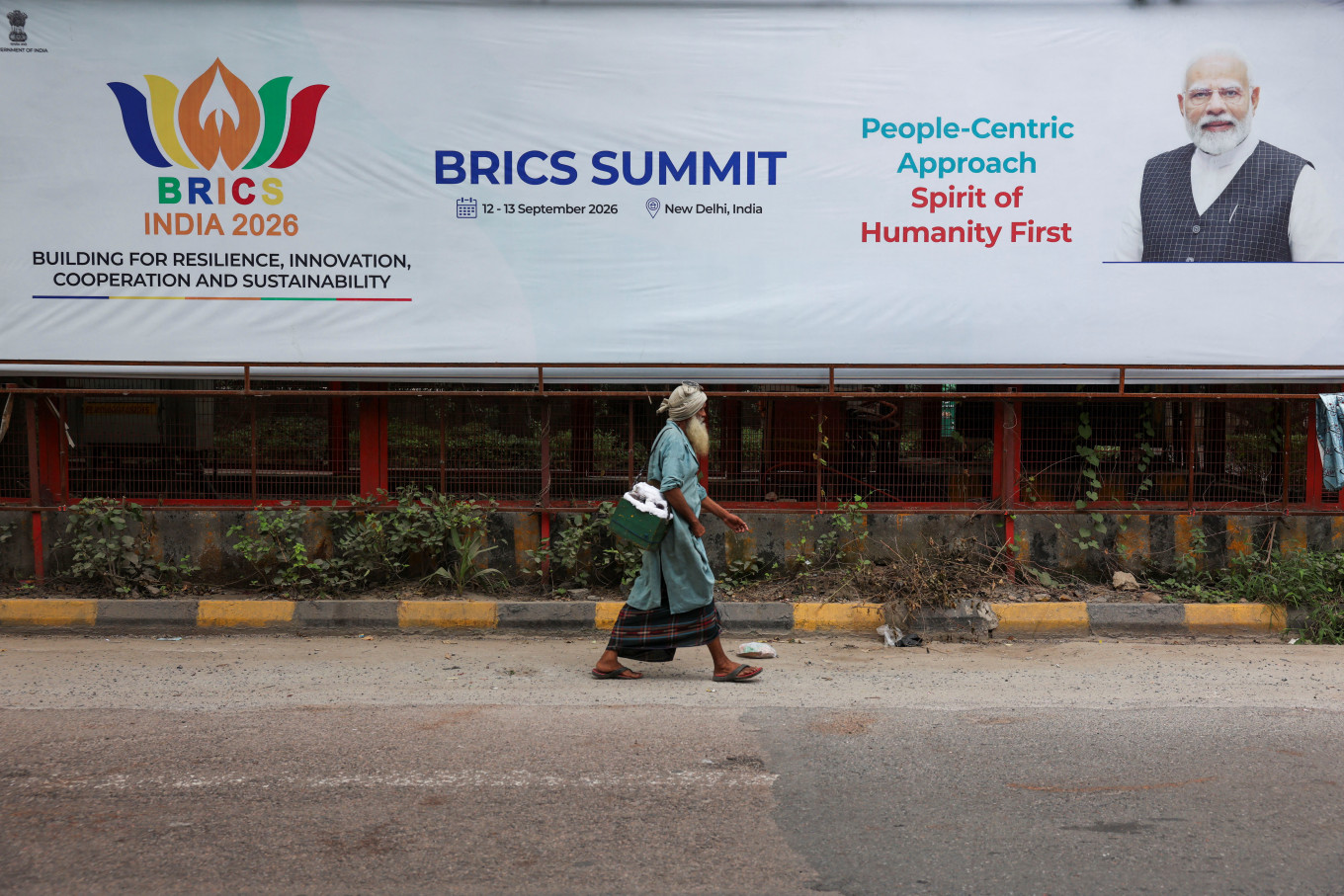
In our Focus Insights section, we feature an article by Ananth Krishnan, Director at The Hindu Group and AsiaGlobal Fellow at the University of Hong Kong, on how climate action could provide common ground for BRICS members amid their geopolitical differences, including through climate financing, technology-sharing, resilient supply chains, and disaster preparedness.
We want to hear from you!
How can BRICS countries strengthen cooperation on climate action despite their broader geopolitical differences?
Submit your thoughts to USeditor@chinausfocus.com for a chance to be featured in next week's Focus This Week.
useditor@chinausfocus.com for more info.
Powered by
Prepared by China-US Focus editorial teams in Hong Kong and New York, this weekly newsletter offers you snap shots of latest trends and developments emerging from China and the U.S. every week. It is a community space to exchange thoughts and ideas about the China-U.S. relationship and beyond.
- 2026-08-28 Focus This Week: Pressure Points
- 2026-08-21 Focus This Week: Shifting Grounds
- 2026-08-07 Focus This Week: Trade Holds Firm
- 2026-07-31 Focus This Week: Keeping Channels Open
- 2026-07-17 Focus This Week: Rising Friction
- 2026-07-10 Focus This Week: Strategic Signals
- 2026-06-26 Focus This Week: Bridging Dialogues
- 2026-06-18 Focus This Week: What's the Deal?
- 2026-06-12 Focus This Week: Strait Pressure
- 2026-05-29 Focus This Week: Ties and Tensions
- 2026-05-22 Focus This Week: The Aftermath
- 2026-05-15 Focus This Week: Deal or No Deal?
- 2026-05-08 Focus This Week: Beijing Bound (Take Two)
- 2026-05-01 Focus This Week: Flashpoints
- 2026-04-24 Focus This Week: Under Pressure
- 2026-04-17 Focus This Week: China’s Diplomatic Push
- 2026-04-10 Focus This Week: Uneasy Peace
