
Du Lan
Deputy Director at Asia-Pacific Institute, China Institute of International Studies
Apr 27, 2026
The current U.S. policy toward Southeast Asia is generating a range of negative effects. If the United States fails to adjust its competitive, confrontational and self-serving foreign policy, its influence in the region is likely to face further decline.
Jul 18, 2025
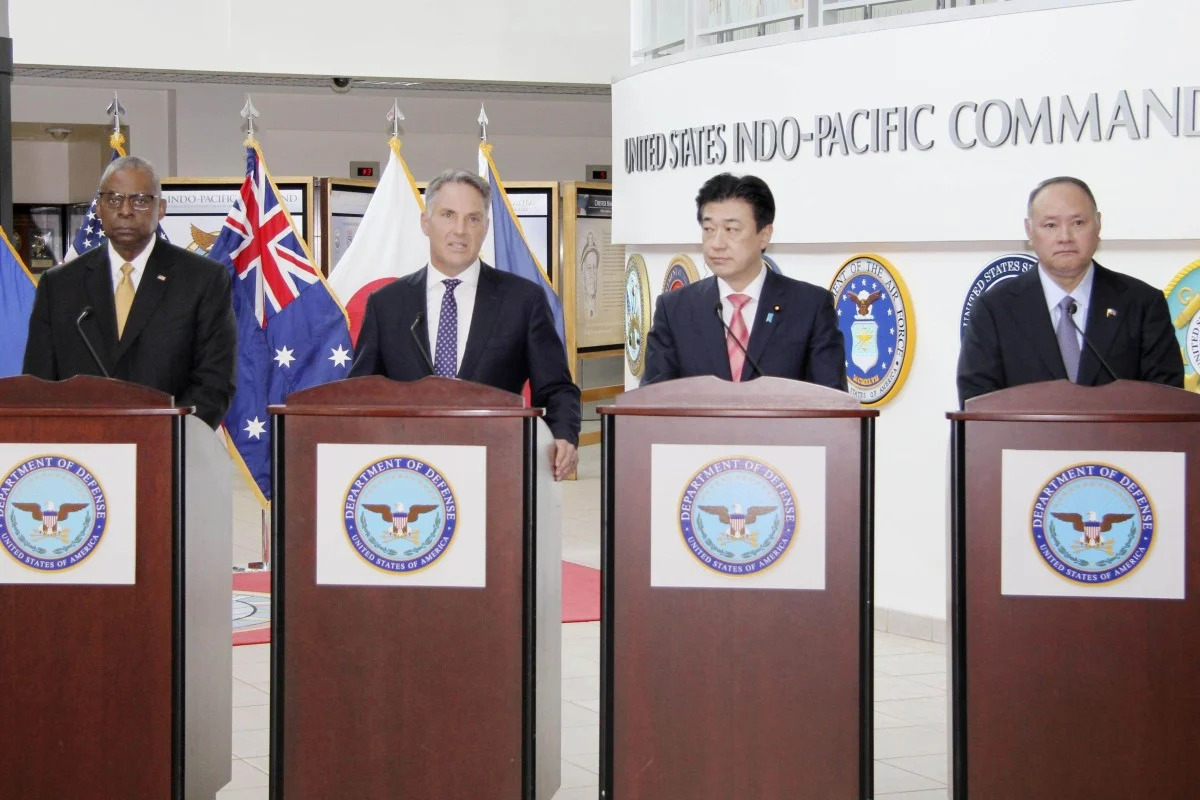
Donald Trump prefers to treat the waters as a bargaining chip, so the United States may reduce high-profile provocations — such as close-in reconnaissance — and instead increase its “gray” tactics and low-intensity military exercises.
Apr 10, 2025
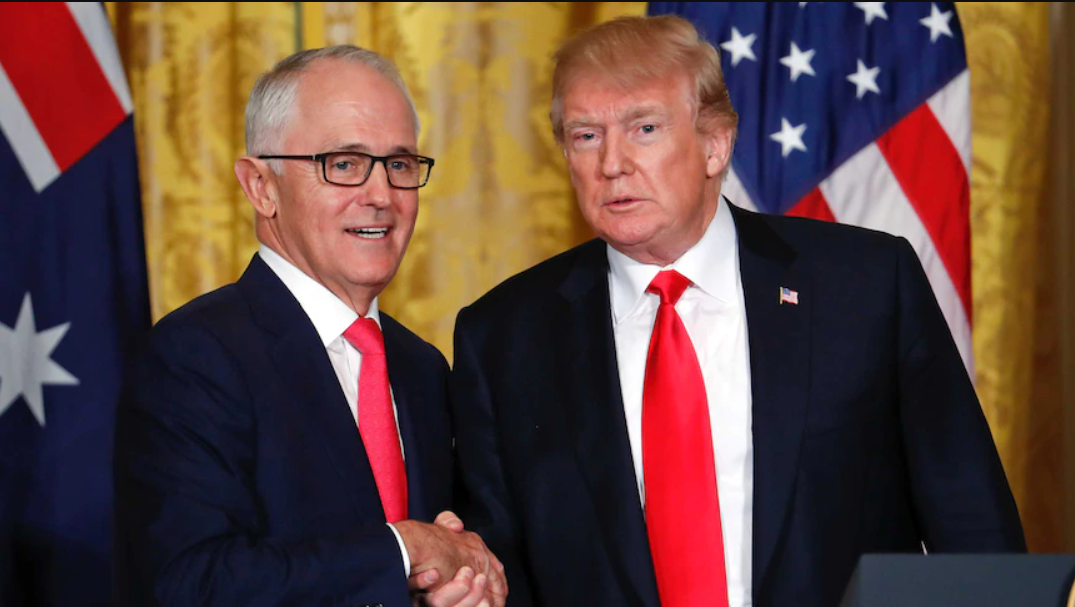
The Indo-Pacific Strategy of Trump 2.0 remains unclear, although consensus has been reached on major power competition. If a new Indo-Pacific Strategy now emerges to build U.S. advantages against China, it will be designed to serve core MAGA goals.
Jun 21, 2024
Through a campaign to smear China, the Marcos government has managed to alienate itself from other countries in Southeast Asia. Working hand in glove with the United States, it will only find itself increasingly isolated from other ASEAN member states.
Nov 19, 2019
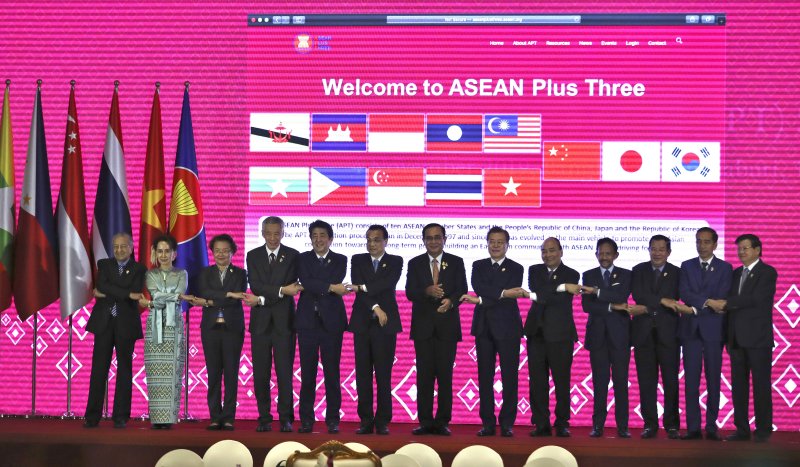
While ASEAN countries remain reliant on the United States for defense, they don’t want to be part of any U.S.-led encirclement of China because they fear their interests could be harmed and their neutrality challenged.
Aug 06, 2019
While China-U.S. relations remain moderate, they are also in a critical position to steer away from a full ideological conflict. In order to prevent another cold war, both sides must recall that cooperation is in both parties’ best interests.
