Warwick Powell, Adjunct Professor at Queensland University of Technology
Sep 07, 2026
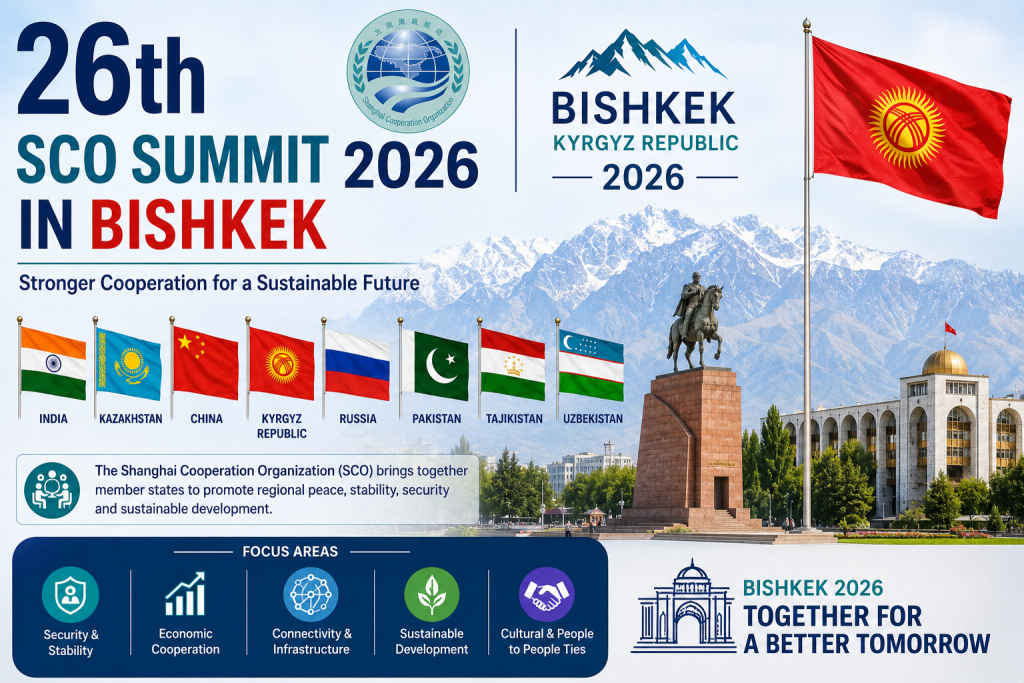
Multilateral architecture rarely collapses with a dramatic bang; it hollows out often imperceptibly, victim to the growing weight of contradictions between real material conditions and outmoded institutional forms. In the span of a single recent 24-hour cycle, at the end of August and beginning of September 2026, the contemporary geopolitical landscape put two distinct models of regionalism on stark display.
Wang Youming, Senior Research Fellow of BRICS Economic Think Tank, Tsinghua University
Sep 04, 2026
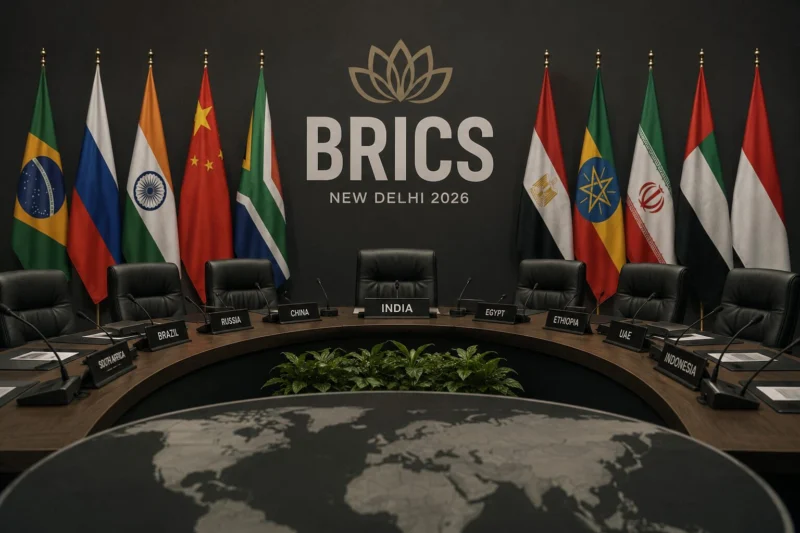
The upcoming BRICS summit offers India an opportunity to expand its diplomatic space in the Global South. With mounting geopolitical conflicts and disorder in global governance, the summit will allow BRICS countries to demonstrate their capacity for reshaping the international order.
Nicola Casarini, Senior Fellow, Istituto Affari Internazionali
Jul 29, 2026
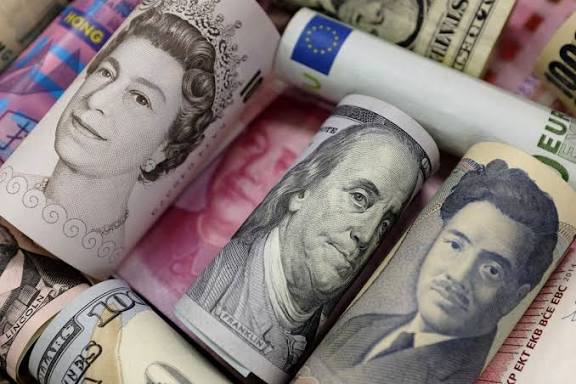
The U.S.-Iran conflict and Trump’s tendency to weaponize the dollar are hastening attempts by China to de-dollarize oil and gas markets, boosting the use of the ‘petro-yuan’, while pushing the EU to resurrect plans to strengthen the euro on the global stage. A tripolar monetary order is emerging, in which the dollar would be ‘first among equals’ and the renminbi, and the euro, would have their rightful place, commensurate with their importance in the global economy.
Zhu Zhaoyi, Executive Director of the Institute of Middle East Studies, Peking University HSBC Business School.
Jul 06, 2026
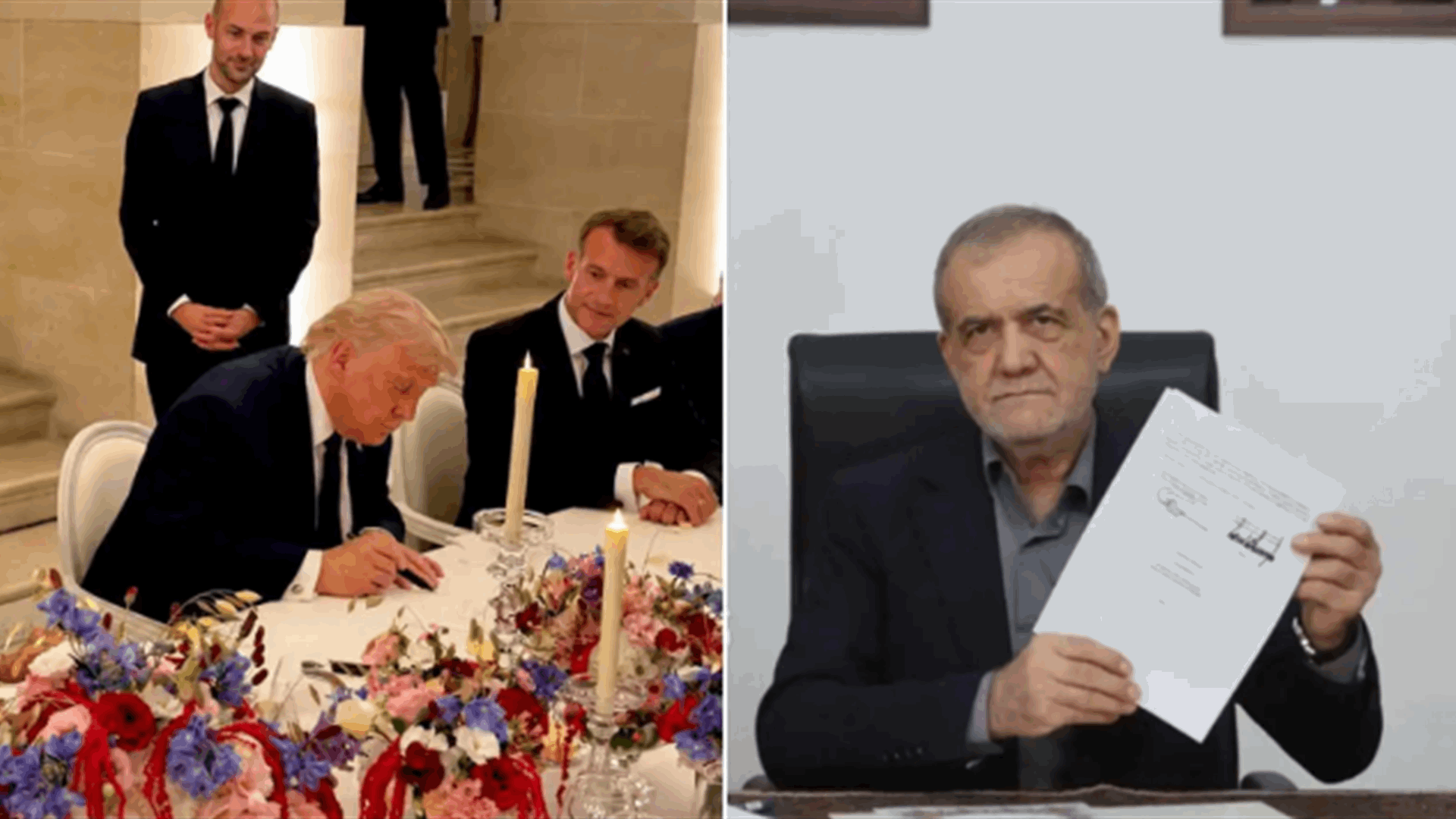
The U.S.-Iran memorandum of understanding is only a political commitment and carries no legally binding force. What truly matters is whether the two sides can conclude a formal peace agreement within the 60-day negotiating period. Three formidable hurdles stand in the way.
Matteo Giovannini, Senior Finance Manager at Industrial and Commercial Bank of China
Jun 12, 2026
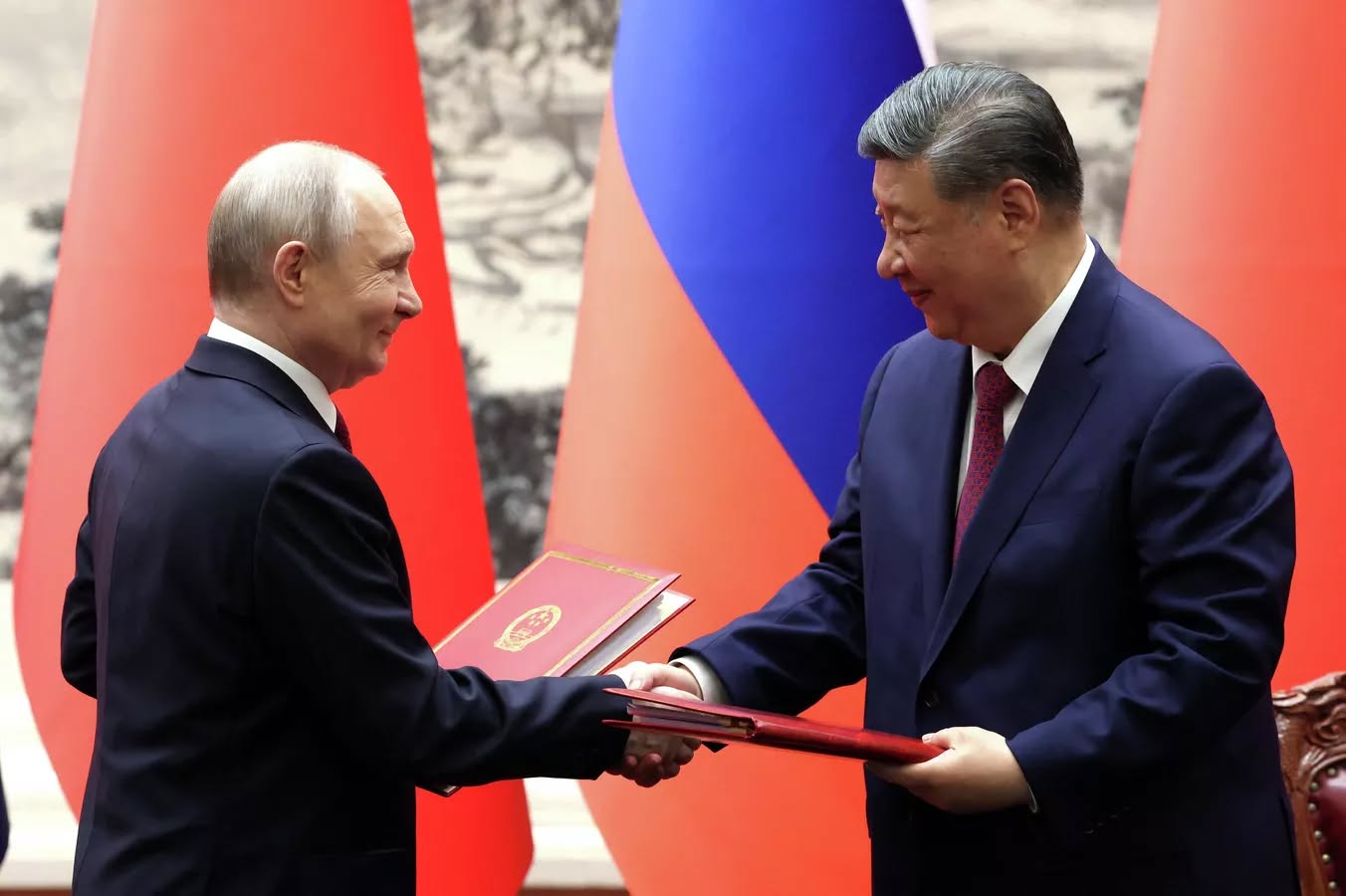
Beijing has become one of the world's essential diplomatic capitals, with countries across geopolitical divides increasingly relying on engagement with China to advance economic, political, and security objectives. Its influence stems from China's central role in global trade, finance, technology, and diplomacy, making Beijing a key hub for negotiation, coordination, and strategic engagement in the multipolar era.
Xiao Bin, Deputy Secretary-general, Center for Shanghai Cooperation Organization Studies, Chinese Association of Social Sciences
Jun 03, 2026
Back-to-back China-Russia coordination is a response to the growing turbulence in the international system. While their strategic collaboration enhances bilateral strategic predictability, it also signifies that major-country competition is becoming more protracted and complex.
Sujit Kumar Datta, Professor, Department of International Relations, University of Chittagong, Bangladesh
May 19, 2026
Who will shape the future of the international financial order in the 21st century? It’s a fight over rules, institutions and mechanisms. It’s not only about economic influence but a shift in global power.
Sajjad Ashraf, Former Adjunct Professor, National University of Singapore
May 15, 2026
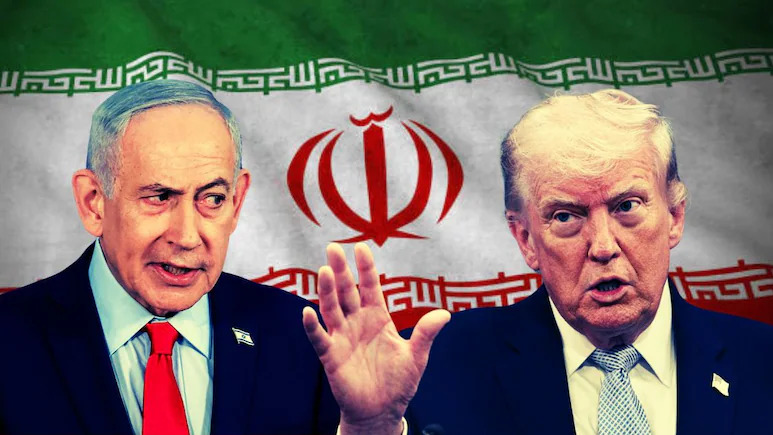
Repeated U.S. military interventions and alignment with Israeli strategic priorities have eroded American credibility in the Middle East and weakened global confidence in U.S. leadership. The United States can restore its strategic influence only through diplomatic consistency, restraint, and a more independent regional policy.
Jade Wong, Senior Fellow, Gordon & Leon Institute
May 14, 2026
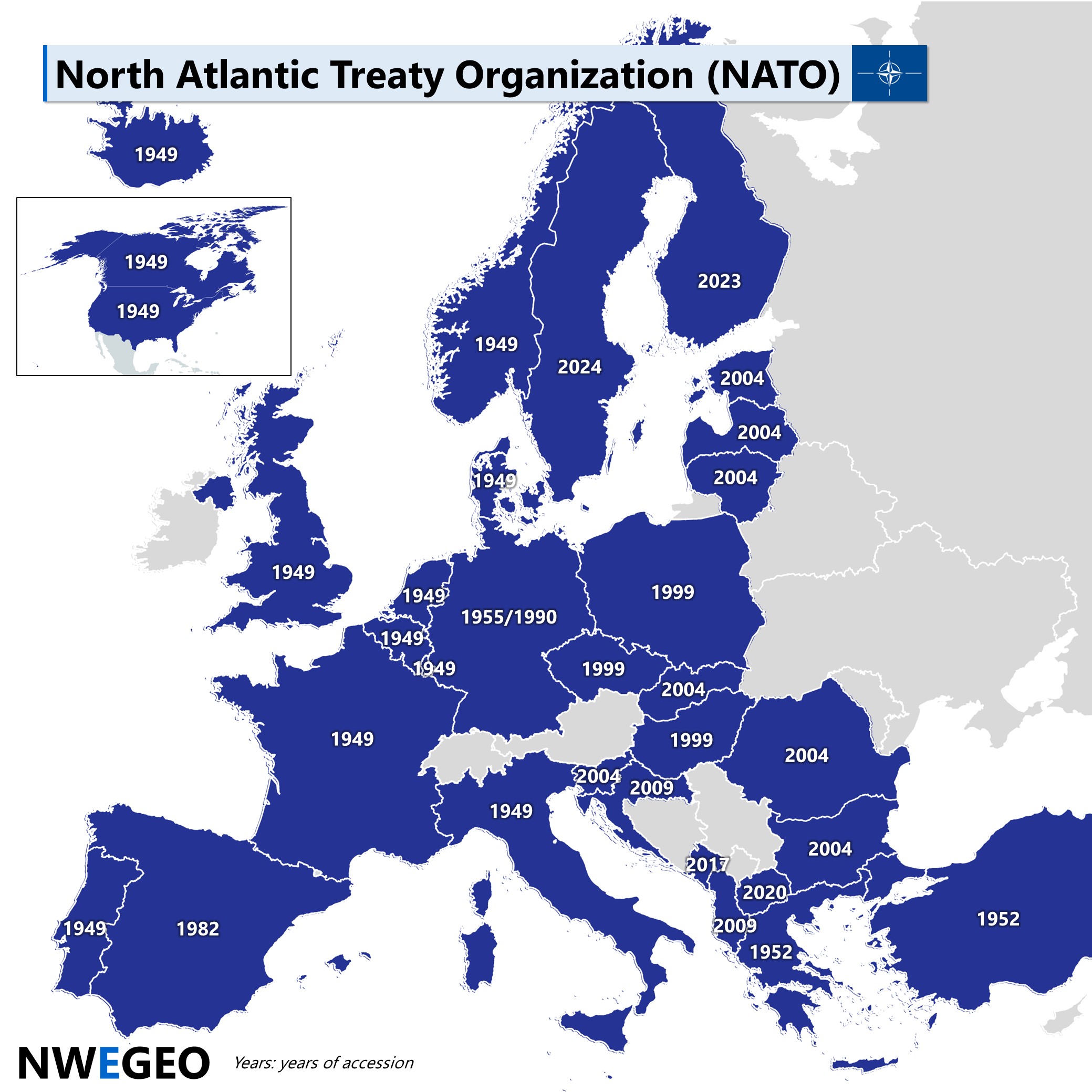
The question “Where is NATO heading?” has long been debated in academic circles. Under pressure from Donald Trump, the answer is gradually emerging: NATO’s trajectory mirrors that of many international institutions today, which are not collapsing abruptly but transforming themselves.
Zhao Minghao, Professor, Institute of International Studies at Fudan University, and China Forum Expert
May 08, 2026
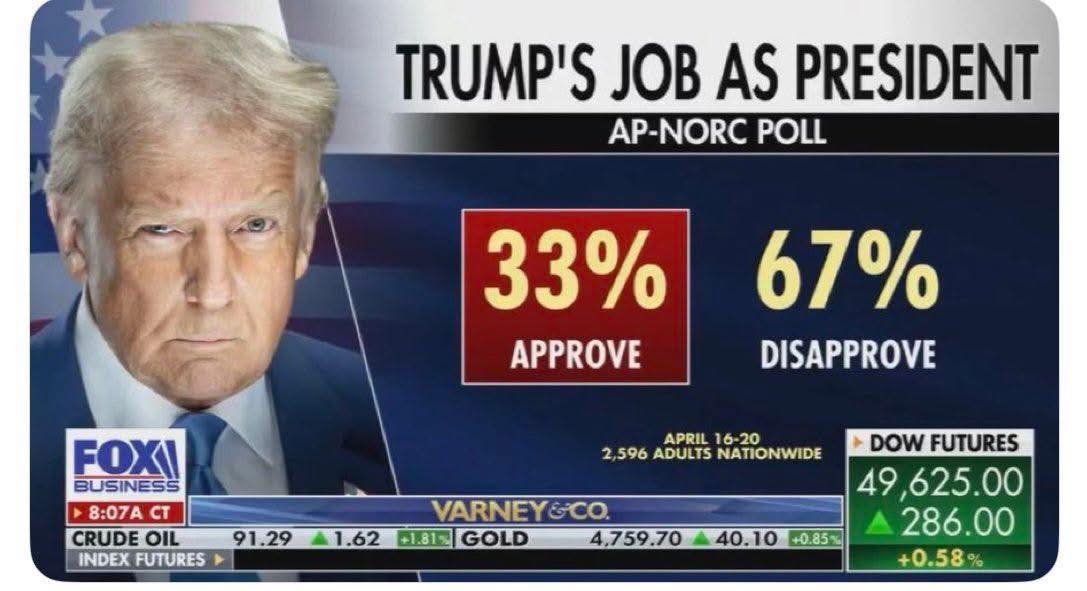
Donald Trump’s approval rating has dropped to 34 percent among the American people, the lowest level of his second term. Given the U.S. war against Iran, the growing internal divisions within his administration and the rising inflationary pressure at home, Trump now has juggle a lot at once.
Back to Top

- China-US Focus builds trust and understanding between the U.S. and China through open dialogue among thought leaders.