Negotiations on Ukraine’s peace plan reveal more than technical differences. They show a calculation by all parties related to the cost of war, the capacity to endure over time and the sequencing of strategic priorities.
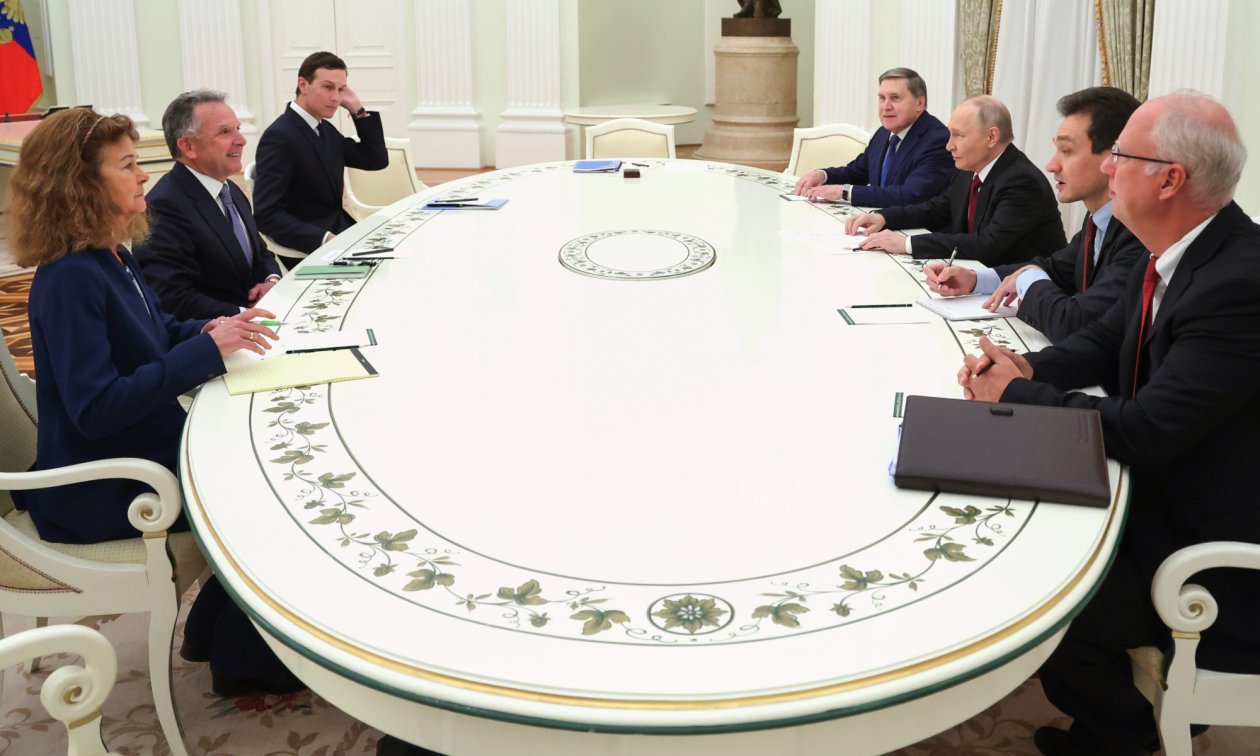
Russia says no Ukraine compromise reached after five-hour Putin talks with Trump envoys on Dec 3, 2025.
After a five-hour meeting in Moscow, the United States and Russia remained at odds over the Ukraine peace proposal. Russian President Vladimir Putin’s active involvement in the talks signaled a willingness to engage, but this alone did not bridge the gap between the two sides. In international relations, sincerity can mitigate misunderstandings and ease tensions, but that alone cannot substitute for strategic calculations grounded in national interests, resource allocation and cost considerations. Thus, the failure to reach an agreement was not unexpected. If anything, it merely highlights the underlying complexities and deeper contradictions at play.
Territorial issues are at the heart of the dispute. No matter what the terms of the proposal, they remain the decisive factor driving the direction of negotiations. After the meeting, Russia reiterated that resolving the territory issue is the primary prerequisite for resolving the crisis.
Judging from the details that have been disclosed, the current dispute is focused on two key dimensions:
First is the choice between “de facto recognition” and “de jure recognition.” For Russia, de facto control is insufficient to address long-term security concerns or offer a stable vision for domestic politics and future geopolitical order. Therefore, it insists on solidifying its gains through “de jure recognition.”
In contrast, America’s Trump administration prefers de facto recognition so as to bypass constraints by Congress and to preserve policy flexibility for the future. This divergence is grounded in Russia’s need for a sustainable security architecture, while the United States seeks to maintain strategic wiggle room and avoid long-term commitments.
Second comes conditions for freezing the front lines. Russia insists that Ukrainian forces unconditionally withdraw from the eastern regions, viewing this as a clear precondition for stabilizing those lines. Conversely, the United States and its European allies favor a more ambiguous approach. They hope Ukraine will make some form of tactical adjustment to the front lines without sacrificing bargaining leverage in negotiations. The lack of consensus on this issue underscores the different perspectives on the European security landscape. Russia seeks a border that can be solidified over the long term, while the United States focuses on risk management in the short term.
By the end of 2025, the cumulative cost of the war in Ukraine will have soared to nearly $3 trillion and counting. As the conflict is extended, the cost trajectories of the parties diverge significantly and shape their strategic calculations.
Putin’s calculus is that Russia has ample leverage and therefore a more flat curve. It hinges on Russia’s institutional capacity and resource allocation:
First comes a stable power structure. Russia’s extended presidential tenure insulates its domestic politics somewhat from the immediate shocks of sanctions and prolonged conflict. Second comes territorial leverage. Control over approximately 20 percent of Ukrainian territory provides Russia with tangible bargaining leverage, enhancing its negotiating position. Third is military-industrial resilience. The revival and strengthening of Russia’s military-industrial complex have reinforced its ability to withstand a protracted conflict.
Compared with accepting an unfavorable deal, enduring the costs is the lesser of evils. These strategic advantages explain Russia’s decision to allocate a substantial portion of its budget to defense spending in its 2026 budget—$166 billion, representing about 30 percent of total expenditures. It’s a strategic signal that Russia is prepared and capable of sustaining the economic burden of the war over the long term.
Conversely, Ukraine and its Western allies face steeper cost curves, compounded by multifaceted challenges:
First among those is resource sustainability. Ukraine’s reliance on foreign aid constrains its strategic autonomy because sustained conflict always tests the limits of donor support and resource replenishment.
Second is societal fatigue. Within Western societies, the growing sense of exhaustion is palpable, particularly among younger people, low-income groups and heavy social media users, who tend to be susceptible to the echo chamber effect. Economic and political constraints are also at play. Inflationary pressures, economic headwinds and electoral cycles limit the ability of Western governments to sustain high-intensity commitments over the long term. The economic burden of the Ukraine conflict is increasingly scrutinized in the context of domestic priorities.
As the leader of the Western powers, the United States views the Ukraine conflict through the lens of global strategic priorities. The U.S. is recalibrating its strategic resources amid the its competition with China. The European theater cannot indefinitely monopolize attention and resources, and the U.S. is compelled to seek more efficient conflict management. This imperative is driving a steepening U.S. cost curve, necessitating a swifter de-escalation strategy.
Ultimately, the differing perceptions of time underscore strategic divergences. For Russia, time is an asset. For the West, prolonged conflict is an increasingly onerous liability.
Previously, a proposal brought by U.S. Special Envoy Steve Witkoff was seen as having the potential to bridge the gap between the two sides. However, Moscow’s stance indicates it is still unwilling to concede on any core issues. The negotiations have been described as “productive,” but no substantive breakthroughs have been achieved.
The future peace process may be influenced by several dynamic factors: First is marginal changes in patience. As the war drags on, the cost curves of all parties will continue to shift. A decline in one side’s strategic patience will directly affect its negotiating position. Russia is betting on the dividends of time, while the West worries about mounting political and resource pressures.
Second is the gap between freezing and peace. Even if an agreement is reached, it may only result in a new “frozen” conflict and falling short of true sustainable peace. European history has shown that a frozen state is often just another form of conflict continuation.
Third is the reordering of U.S. strategic priorities. The Ukraine issue is now part of America’s global strategic resource allocation, not just an extension of a European issue. The intensity and direction of U.S.-China competition will profoundly impact the U.S. commitment to Ukraine. Ultimately, it is not about a specific proposal. It is instead the dynamic changes in the cost curves of all parties that will determine the peace process.
The negotiations on Ukraine’s peace plan reveal more than technical differences. They show a calculation by all parties related to the cost of war, the capacity to endure over time and the sequencing of strategic priorities. Through the lens of strategic cost curves, the vast differences in the “ability to bear” between Russia, Ukraine and the West become clear. Any peace plan on the table is essentially another form of conflict extended over time.
