Li Yan,, Director of Institute of Sci-Tech and Cyber Security Studies, China Institutes of Contemporary International Relations
Jul 27, 2026
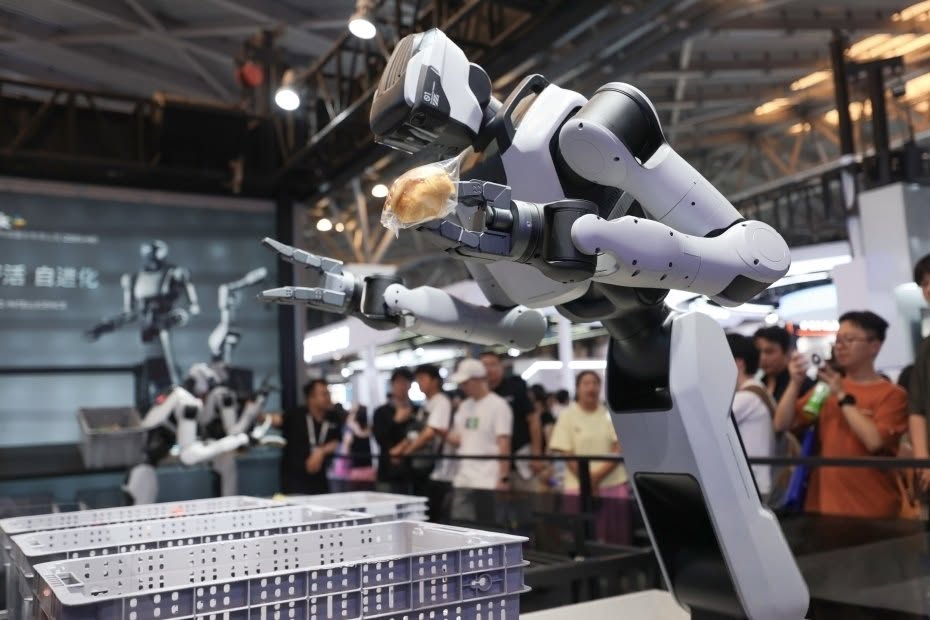
Competition in artificial intelligence is a contest across the entire industrial value chain. Only by advancing open innovation, ensuring security and trust, promoting inclusive development and strengthening global governance can AI contribute to shared global prosperity.

Yang Wang, Vice-President and Pro-Vice-Chancellor (Institutional Advancement), HKU
Brian Wong, Assistant Professor in Philosophy and Fellow at Centre on Contemporary China and the World, HKU and Rhodes Scholar
Jul 17, 2026
Artificial intelligence is becoming a new arms race, and to avoid repeating the mistakes of the past perhaps a drastic unification of competing models could prevent catastrophe.
Lizzi Lee, Fellow on Chinese Economy, Center for China Analysis, Asia Society Policy Institute
Huiyan Li, Research Assistant, Center for China Analysis
Jul 10, 2026
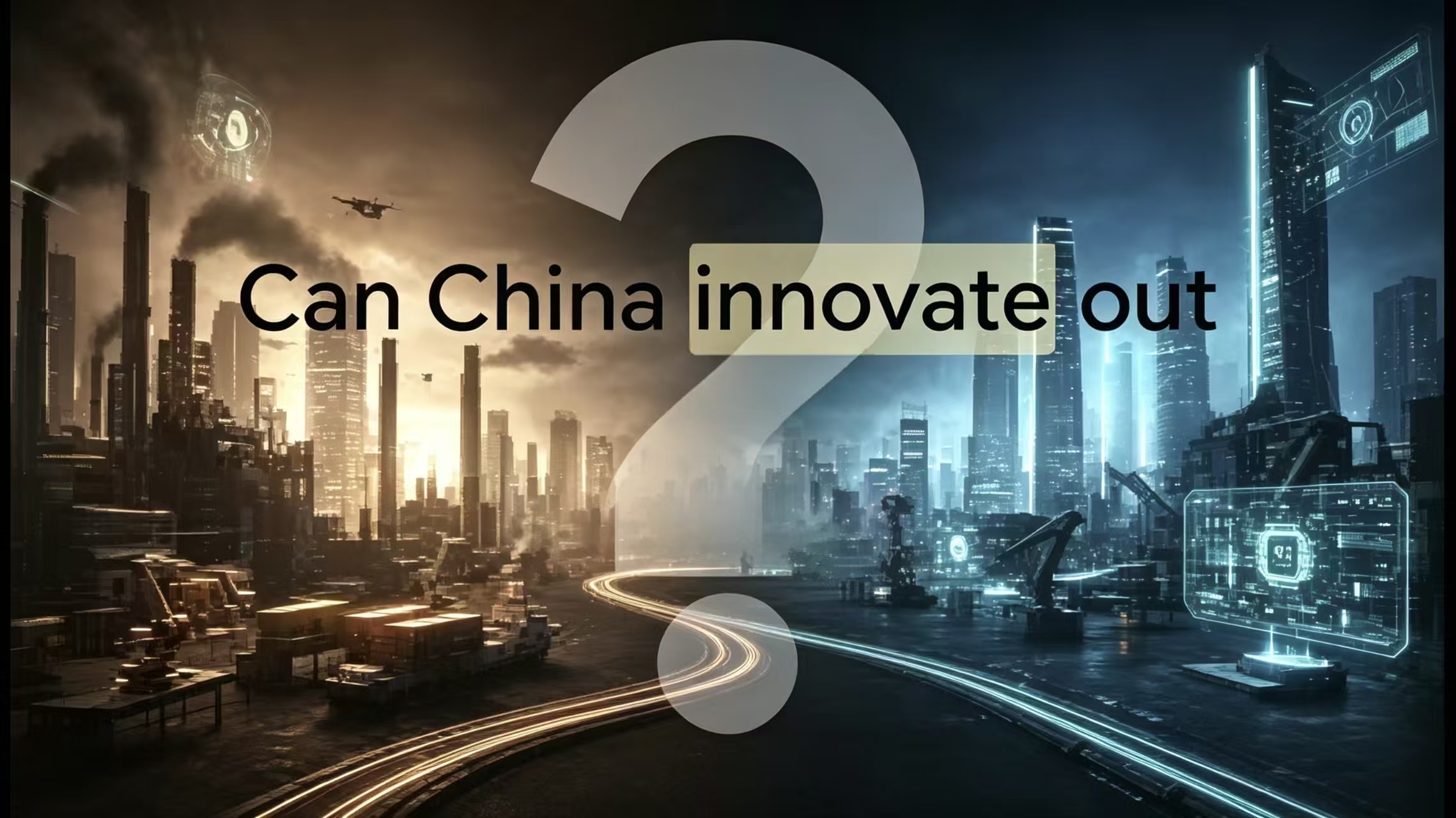
China’s well-documented rise in prominence in the global supply chain has created an economic engine that now rivals the United States, but now facing stagnating growth, can China innovate into the 21st Century and drive into new territory?
Qi Haotian, Associate Professor at School of International Studies, Peking University
Jun 12, 2026
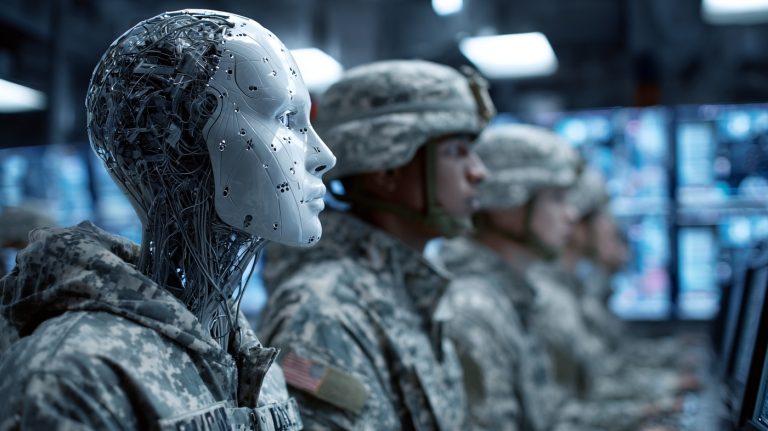
Artificial intelligence (AI) is rapidly becoming an indispensable part of the military relationship between China and the United States, with both countries viewing it as a key factor in shaping the future balance of military power.
Lu Chuanying, Fellow and Secretary-general of the Research Center for the International Governance of Cyberspace, SIIS
Jun 12, 2026
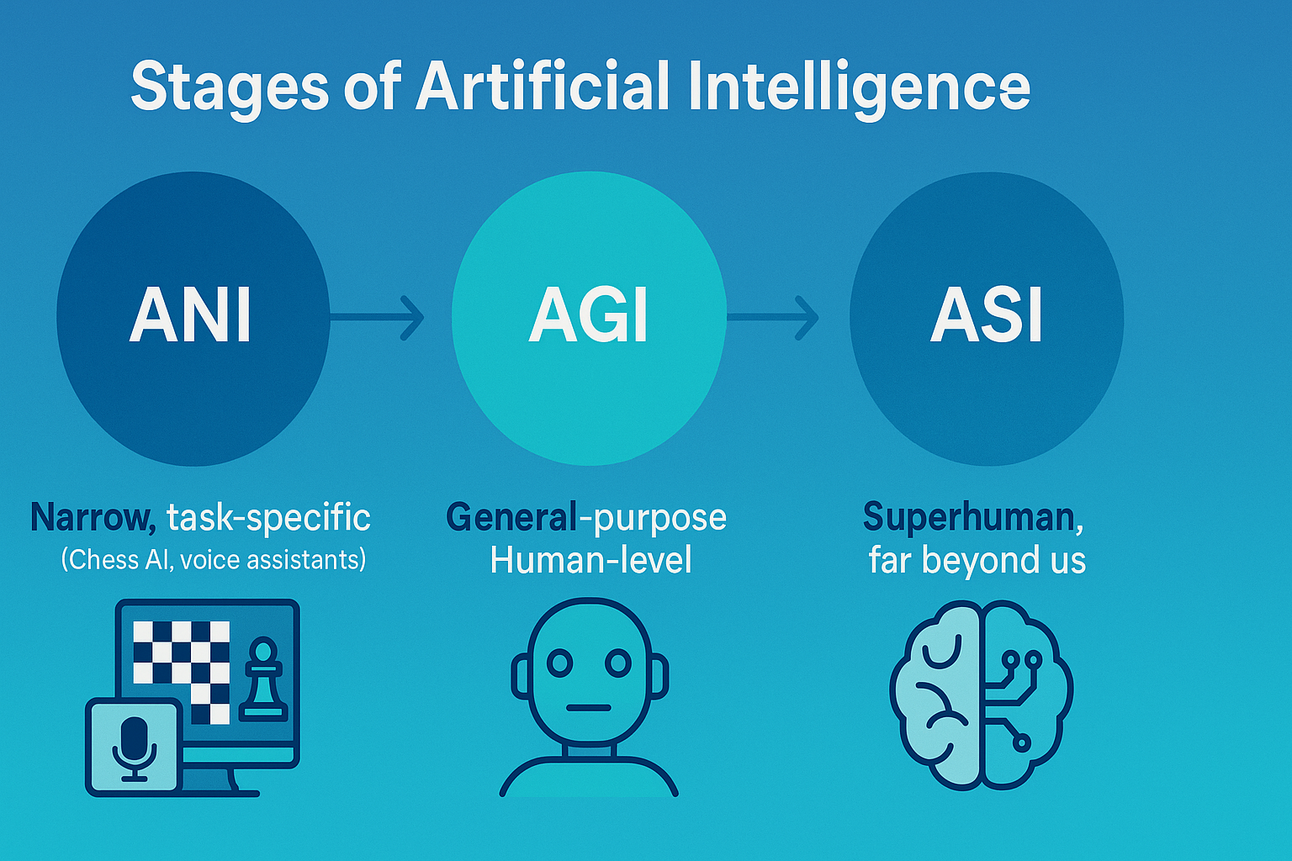
In recent years, Artificial General Intelligence (AGI) has re‑emerged as a central theme in artificial intelligence research and technology policy debates. In contrast to “narrow artificial intelligence” tailored for specific tasks or application scenarios, AGI is conventionally conceptualized as a general‑purpose intelligent system capable of cross‑domain learning, reasoning and adaptation. Its potential impacts are regarded as extending far beyond individual industries or technological spheres, and will profoundly reshape economic structures, social governance, and even international power configuration. For these reasons, AGI is no longer merely an engineering or academic problem, but has gradually evolved into a political‑economic issue of paramount strategic importance.

Dong Ting, Assistant Professor, Center for International Security and Strategy, Tsinghua University
Jun 12, 2026
After years of observing U.S.-China dialogues on artificial intelligence, one pattern is hard to miss. The agenda has actually expanded over the past two years. From military AI to frontier model risks, from biosecurity to cybersecurity, the topics under discussion are not few. Disinformation, however, has barely entered the conversation, let alone become a subject of cooperation. In existing international discussions, it usually surfaces as accusation. I want to ask whether it can move from being a topic of accusation to being a problem the two countries handle together.
Brian Wong, Assistant Professor in Philosophy and Fellow at Centre on Contemporary China and the World, HKU and Rhodes Scholar
Jun 05, 2026
Despite intensifying U.S.-China competition in AI, both countries share a strong interest in cooperating on AI safety, as advanced and potentially misaligned AI systems could pose existential risks to humanity. Joint risk assessment, coordination against malicious AI actors, and expanded academic collaboration could help reduce these threats and improve global AI governance.

Li Yan, Director of President's Office, China Institutes of Contemporary International Relations
Jun 04, 2026
The startling breakthrough moment in artificial intelligence and the commensurate concentration of power into the hands of a few tech giants may lead to an intensification of geopolitical competition. China is positioned to play a major constructive role for the well-being of humanity.
Sun Chenghao, Fellow, Center for International Security and Strategy of Tsinghua University; Munich Young Leader 2025
Zhang Xueyu, Research Assistant, Institute for Global Cooperation and Understanding at Peking University
May 22, 2026
If China and the United States can build on the positive momentum created through leader-level diplomacy, improving communication and crisis-management mechanisms, and can continue achieving practical outcomes, then the idea of a constructive strategic stability relationship will solidify.
Back to Top

- China-US Focus builds trust and understanding between the U.S. and China through open dialogue among thought leaders.