Niu Xinchun, Professor, China-Arab Research Institute, Ningxia University
Aug 05, 2026
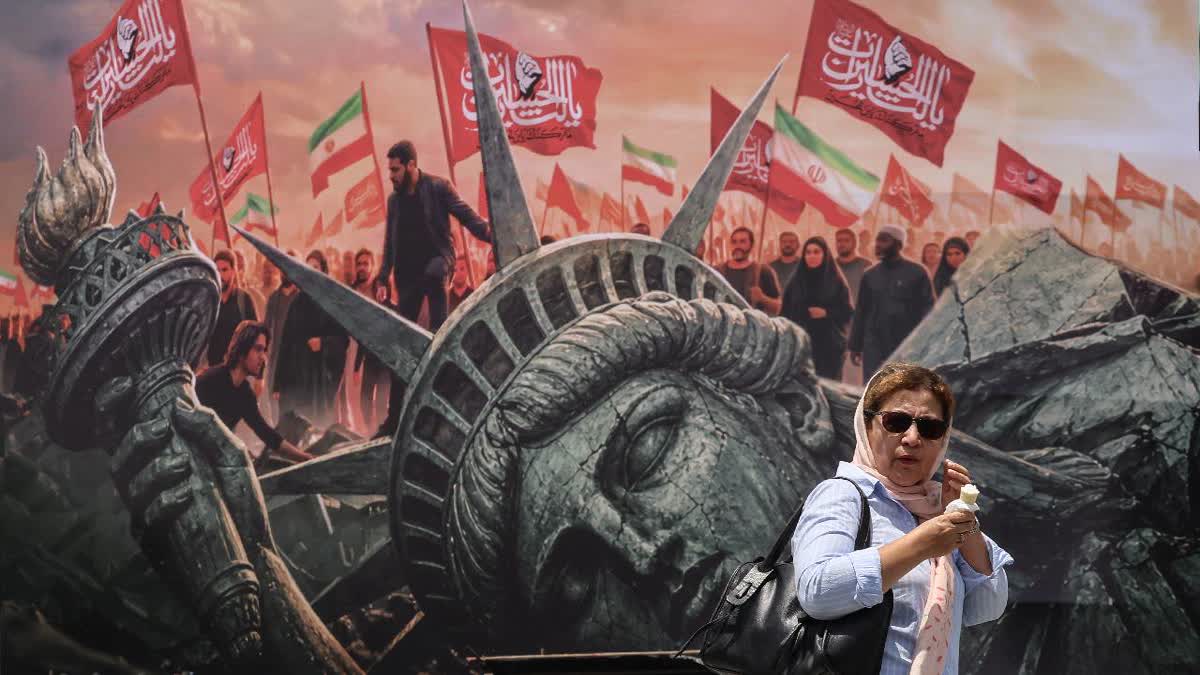
The conflict and its surrounding issues are characterized by a series of interconnected paradoxes, none of which comes with a simple, direct or rapid solution. The United States and Iran appear destined for a prolonged strategic contest.
Qi Haotian, Associate Professor at School of International Studies, Peking University
Jun 12, 2026
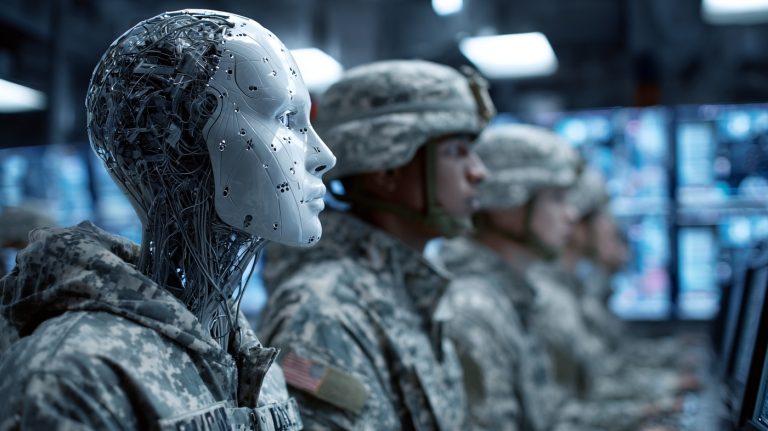
Artificial intelligence (AI) is rapidly becoming an indispensable part of the military relationship between China and the United States, with both countries viewing it as a key factor in shaping the future balance of military power.
Fan Gaoyue, Guest Professor at Sichuan University, Former Chief Specialist at PLA Academy of Military Science
May 27, 2026
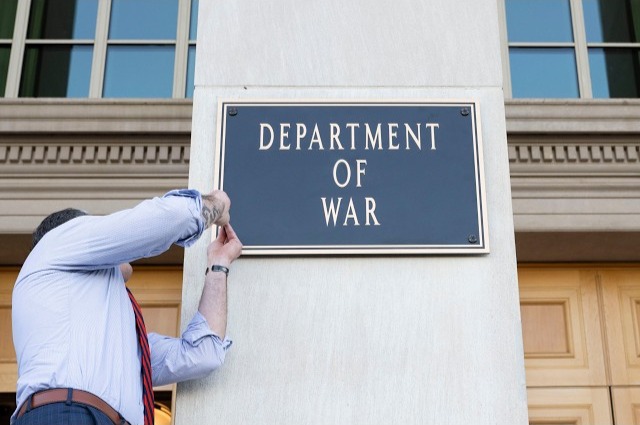
The scale of U.S. military exercises continued to expand, mainly focusing on improving the combat capabilities of allies and partner countries and emphasizing strengthening military preparations and strategic deterrence for major power competition.
Warwick Powell, Adjunct Professor at Queensland University of Technology
May 08, 2026
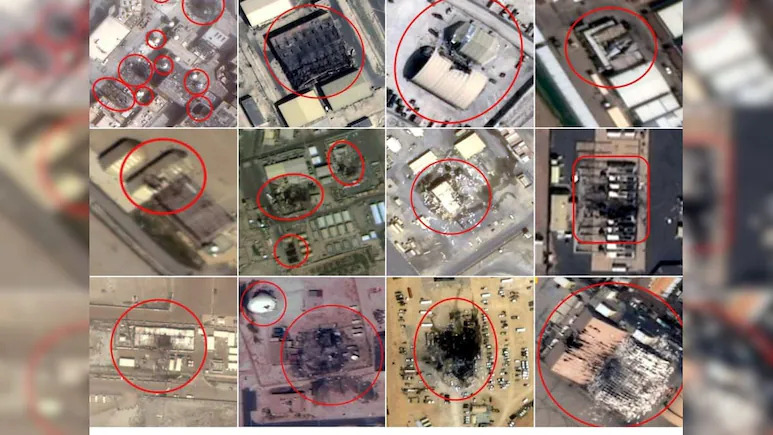
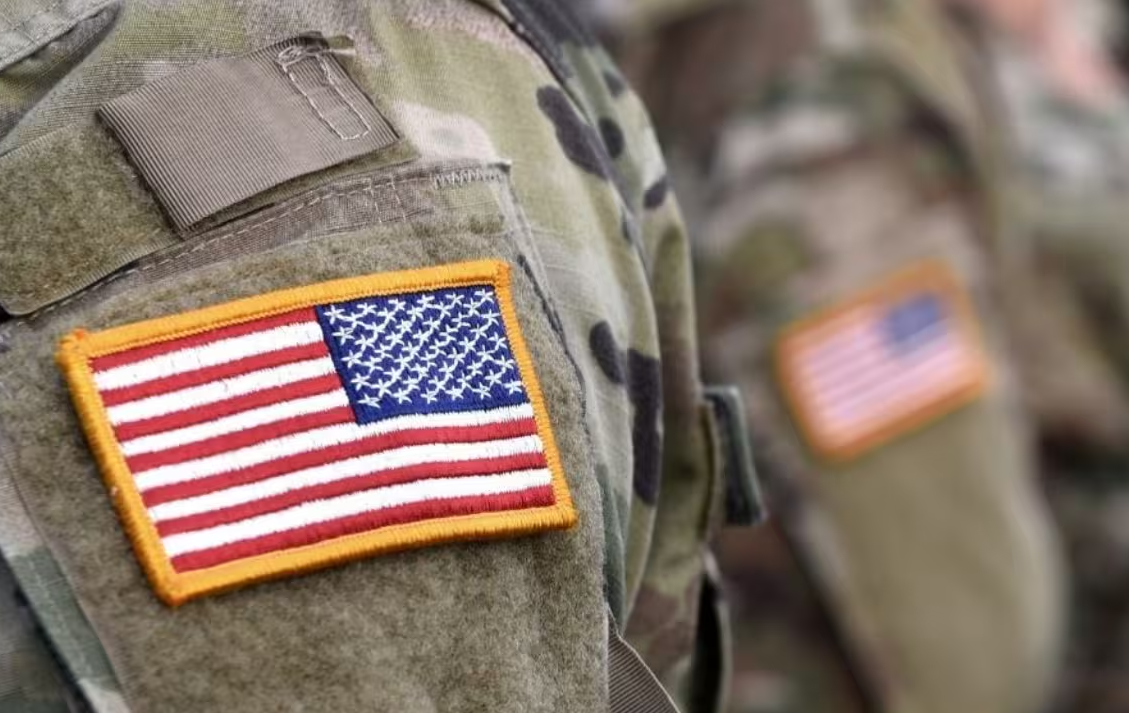
Recent satellite imagery tells a sobering story. Iranian strikes during the 2026 conflict damaged or destroyed at least 228 structures and pieces of equipment across US military sites in the Middle East. Hangars, barracks, fuel depots, aircraft, radars, communications nodes, and air defense systems were hit at around 16 installations spanning eight countries. This represents the majority of America’s regional footprint in West Asia. Analyses by The Washington Post and CNN, drawing on verified commercial and Iranian-released imagery, reveal far more extensive impact than initial Pentagon assessments acknowledged.
Ghulam Ali, PhD, Monash University, Australia
Apr 09, 2026
The U.S.-Israel war on Iran has brought many lessons, foremost among them the shattering of the myth of unchallenged U.S. global might. More than a month into the U.S.-Israeli aggression, neither could the war change the regime in Iran – one of the illusions upon which U.S. President Donald Trump and Israeli Prime Minister Netanyahu had waged the war – nor did Tehran concede to U.S. terms. Furthermore, on 2 March, Iran blocked the Strait of Hormuz, through which around one-fifth of the world’s oil supplies pass. This energy lifeline remained blocked despite Trump’s repeated ultimatums and desperate calls to allies and partners to send forces to reopen it. This resistance was particularly notable as Iran has been under crippling sanctions for decades.
Fan Gaoyue, Guest Professor at Sichuan University, Former Chief Specialist at PLA Academy of Military Science
Apr 03, 2026
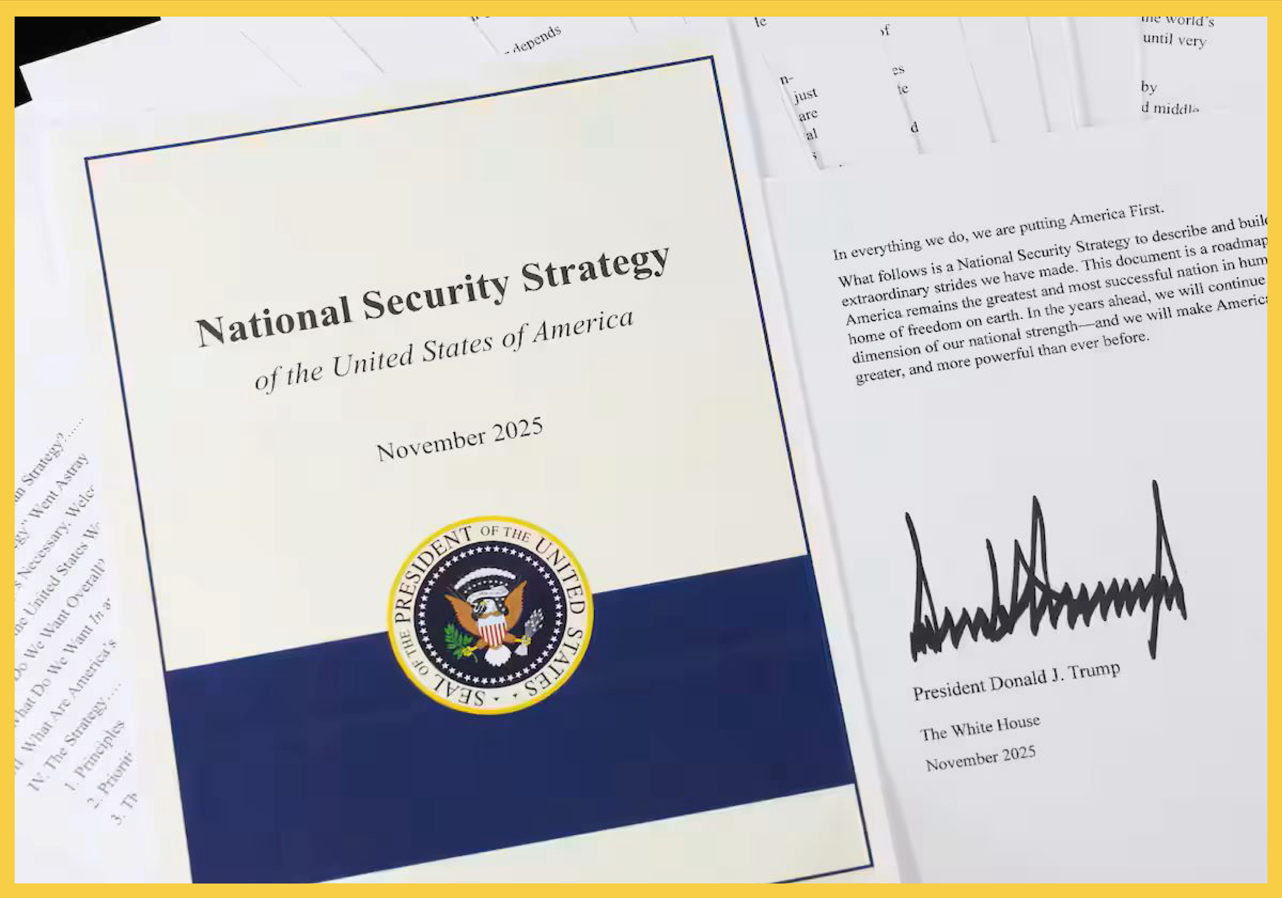
Merging combat commands and cutting 20 percent of active-duty four-star generals have angered many top military officers. Without the support of top military brass and state governments, can Trump 2.0’s ambitious military reform succeed? We shall see.
Wang Lei, Assistant Research Fellow, Institute of World Political Studies, CICIR
Jan 30, 2026
The U.S. president’s strategic shift is not temporary. It represents a medium- to long-term trajectory that stems from the confluence of simmering contradictions and various domestic and international factors.
Dan Steinbock, Founder, Difference Group
Dec 10, 2025
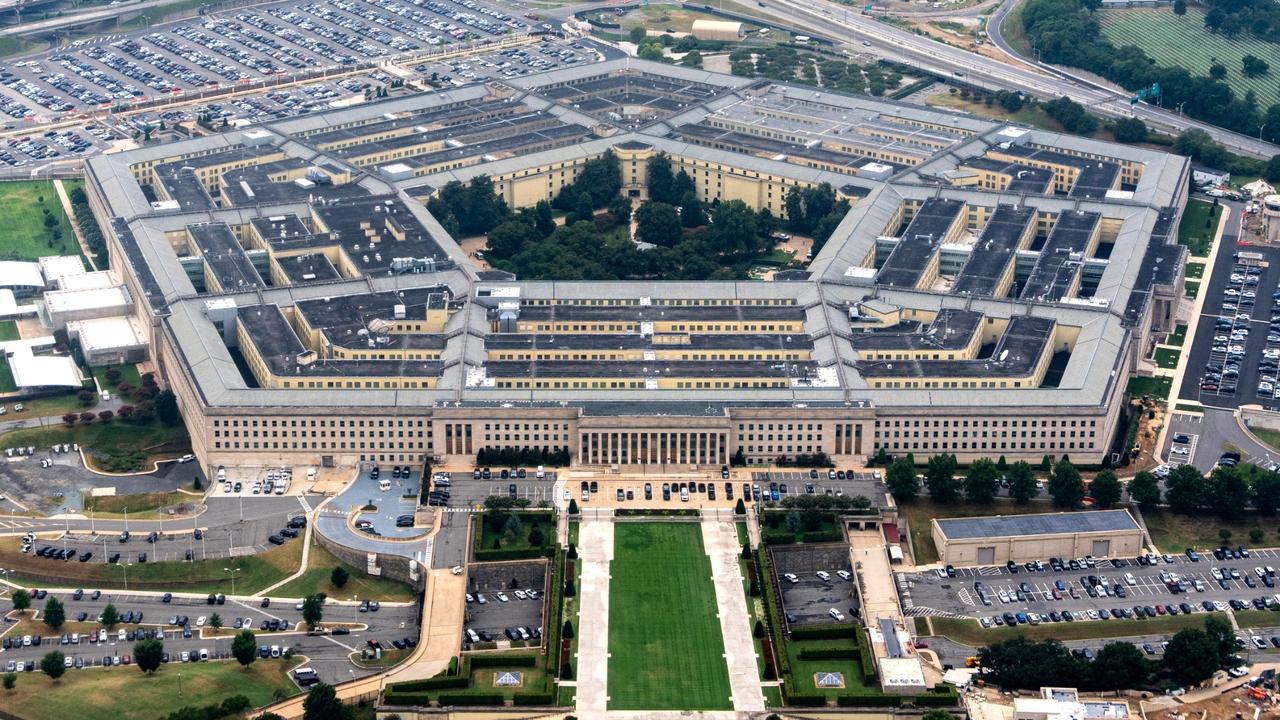
Last week, the Trump administration released its new national security strategy. It was quickly condemned by the neoconservatives — perhaps because it is more realistic about multipolarity.
Guo Xiaobing, Director of the Center for Arms Control Studies, China Institutes of Contemporary International Relations
Oct 22, 2025
The Trump administration’s emphasis has shifted toward homeland security and the security of the Western Hemisphere. At the same time its deeply contradictory and confused mindset on Taiwan is dangerous and could lead the military astray.
Richard Weitz, Senior Fellow, Hudson Institute
Oct 03, 2025
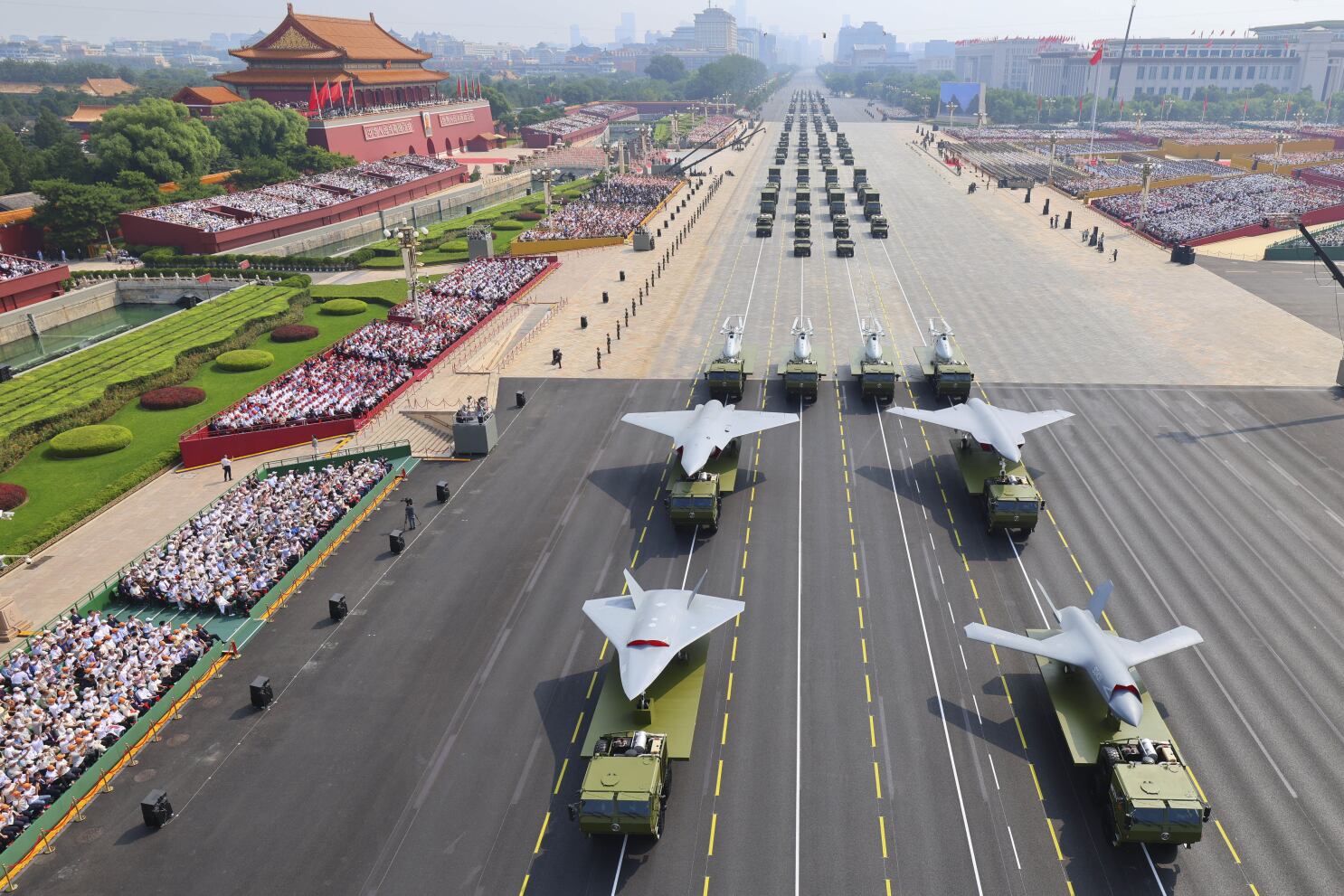
By displaying China’s growing military power, the September 3 parade aimed to intimidate adversaries, impress friends, and justify government policies. Yet, Russia’s failures in Ukraine remind us that organizing a parade and winning a war are different endeavors.
Back to Top

- China-US Focus builds trust and understanding between the U.S. and China through open dialogue among thought leaders.